
Los Angeles is a city of dreams, a sprawling metropolis synonymous with glamour, innovation, and an unparalleled lifestyle that draws visitors and aspiring residents from across the globe. From the iconic beaches of Santa Monica and Malibu to the glittering lights of Hollywood and the artistic enclaves of Downtown LA, the City of Angels offers an endless array of attractions, experiences, and luxurious accommodations. Travelers flock here for its vibrant local culture, world-class dining, cutting-edge fashion, and proximity to stunning natural landmarks like the Santa Monica Mountains.
However, beneath the veneer of its celebrated opulence and dynamic tourism industry, Los Angeles grapples with a complex and deeply visible challenge: homelessness. It’s an issue that impacts communities, residents, and visitors alike, shaping the urban landscape in ways that are often unexpected for first-time travelers. For those planning a trip to this magnificent city, understanding the scope of homelessness in Los Angeles is not just about appreciating the local culture; it’s about traveling with awareness, empathy, and a more comprehensive perspective of one of the world’s most fascinating destinations. This article aims to shed light on this critical issue, providing context for travelers and exploring how it intersects with the vibrant tapestry of LA life and its tourism experience.
Understanding the Scope: The Numbers Behind Homelessness in Los Angeles
The sheer scale of homelessness in Los Angeles is often staggering, making it one of the most significant urban crises in the United States. It’s an issue that transcends specific neighborhoods, touching various corners of the sprawling Los Angeles County. For visitors who have spent time in other major cities, the visibility and concentration of unhoused individuals in LA can be particularly striking, prompting questions about its prevalence and underlying causes.
The Annual Count: A Snapshot
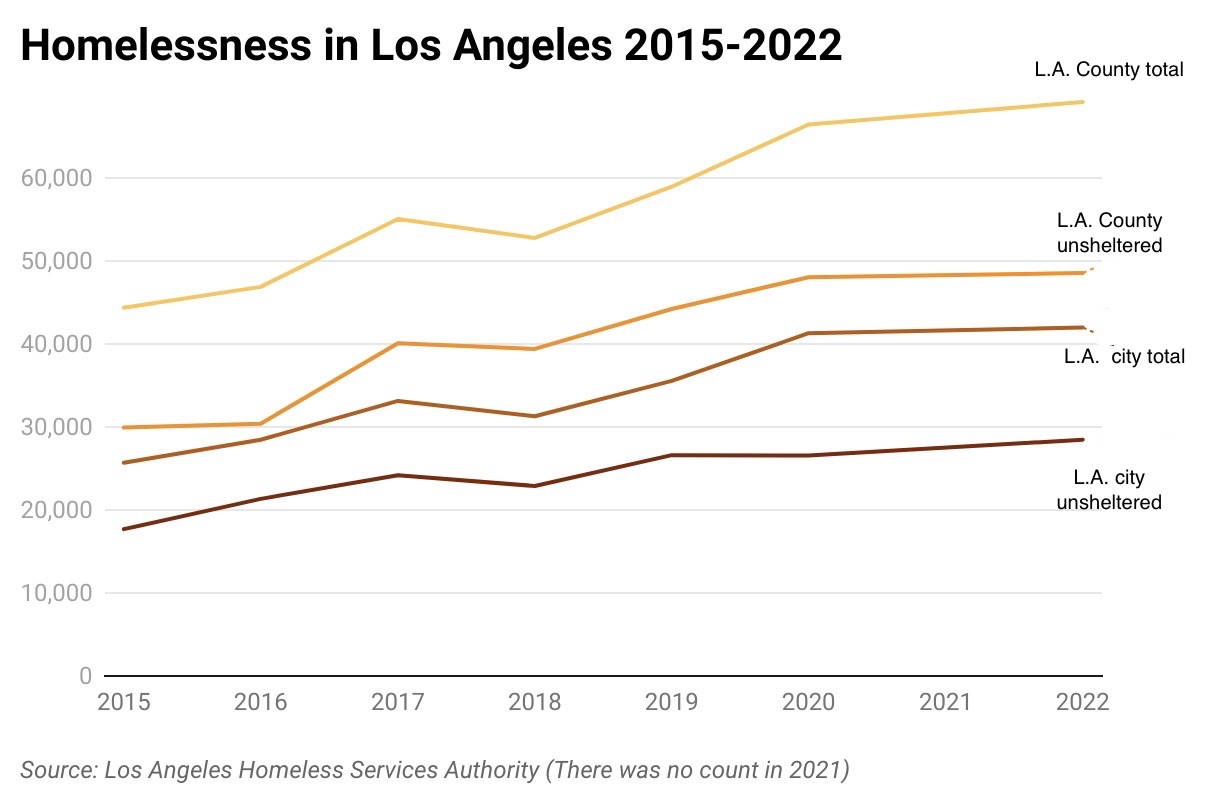
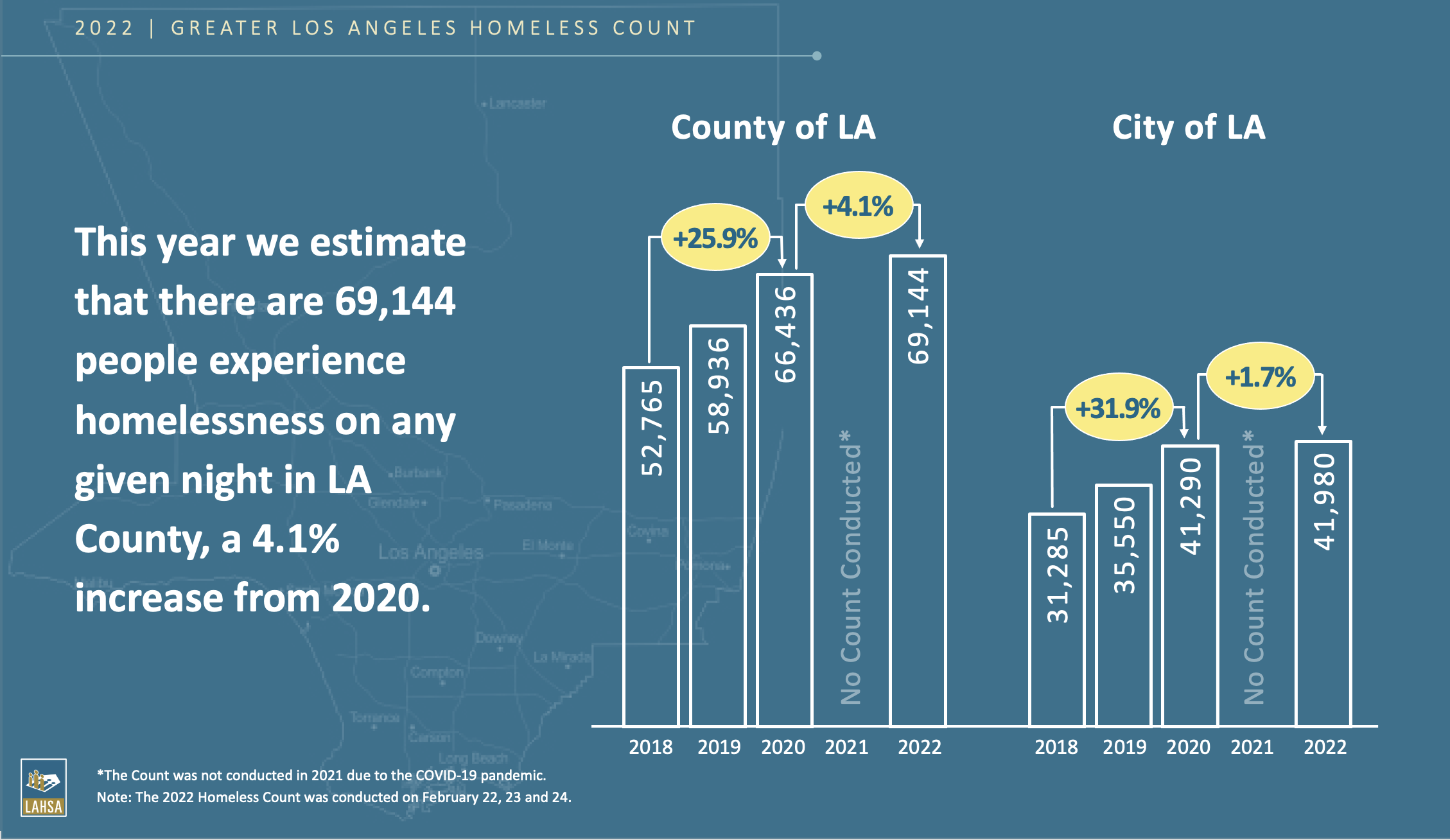
The primary source for quantifying homelessness in the region is the annual “Point-in-Time” count, conducted by the Los Angeles Homeless Services Authority (LAHSA). This extensive undertaking involves thousands of volunteers who fan out across the county over several nights to count individuals living on the streets, in vehicles, and in various forms of temporary shelter. While the numbers fluctuate annually, recent counts have consistently revealed a deeply concerning reality. For instance, the 2023 LAHSA count reported over 75,500 people experiencing homelessness on any given night across Los Angeles County. A significant portion of this population, often exceeding two-thirds, resides within the City of Los Angeles itself.
These figures represent a persistent upward trend in recent years, despite considerable public investment and dedicated efforts to combat the crisis. The overwhelming majority of these individuals, typically around 70%, are unsheltered, meaning they live in encampments, vehicles, or other places not meant for human habitation. This visibility is what often creates such a profound impression on visitors. Understanding these numbers helps travelers grasp the magnitude of the challenge, shifting perceptions from mere observation to informed awareness. It’s a stark reminder that even in a city renowned for its affluence and luxury travel, profound societal challenges exist side-by-side with its celebrated attractions.
Demographics and Causes
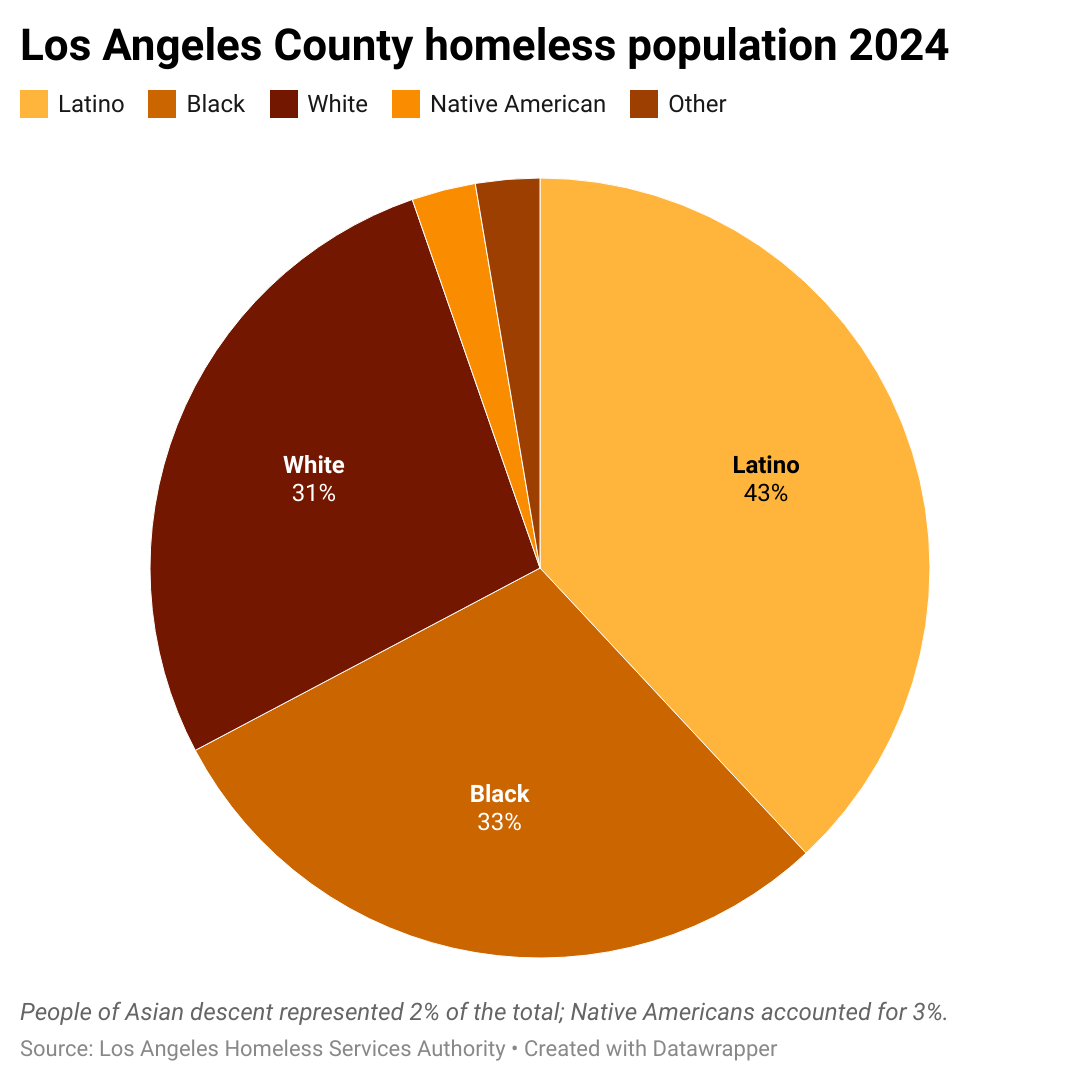
Homelessness in Los Angeles is not a monolithic issue; it affects a diverse cross-section of the population, each with unique stories and circumstances. While popular stereotypes sometimes misrepresent the homeless population, the reality is far more complex. The demographics include:
- Individuals: The largest segment, often battling mental health issues, substance abuse, chronic health conditions, or simply economic hardship.
- Families: A heartbreaking reality, with children and parents struggling to find stable housing, often living in cars or temporary shelters.
- Veterans: A significant portion of the homeless population has served in the military, facing unique challenges transitioning back to civilian life.
- Youth: Unaccompanied minors and young adults, often victims of abuse, neglect, or rejection due to their identity, find themselves without a home.
The causes of homelessness are multifaceted, intertwined, and often systemic. Key contributing factors in Los Angeles include:
- High Cost of Living: Los Angeles boasts some of the highest housing costs in the United States. Even for those with steady employment, securing affordable accommodation, whether it be a modest apartment or a long-term stay, can be incredibly difficult, pushing many to the brink of homelessness.
- Lack of Affordable Housing: The supply of low-income housing simply cannot meet the demand, creating a critical shortage.
- Mental Health Issues: A significant percentage of the homeless population suffers from severe mental illnesses, which can make it challenging to maintain employment, stable housing, and social connections.
- Substance Abuse: Often co-occurring with mental health issues, addiction can destabilize lives and lead to homelessness.
- Job Loss and Economic Instability: A single job loss or unexpected medical bill can be enough to plunge individuals and families into homelessness, especially those living paycheck to paycheck in a high-cost environment.
- Domestic Violence and Trauma: Many individuals, particularly women and youth, experience homelessness as a direct result of fleeing abusive situations.
Understanding these underlying factors is crucial for visitors. It contextualizes the visible presence of homelessness beyond simple observation, allowing for a more informed and empathetic engagement with the local culture and the challenges faced by many Angelenos.
Homelessness and the Traveler’s Experience in Los Angeles
For many travelers, particularly those visiting from regions where homelessness is less visible, the presence of encampments and unhoused individuals in Los Angeles can be unexpected and, at times, unsettling. However, it’s important to frame this observation within the broader context of the city’s vastness and its diverse offerings. While homelessness is a pervasive issue, it does not define the entirety of the Los Angeles experience.
Visibility in Tourist Hubs and Landmarks
It is true that homelessness is visible in many parts of Los Angeles, including some areas frequented by tourists. This visibility is not limited to specific, isolated pockets but can manifest in various ways across different neighborhoods.
- Downtown Los Angeles: While Downtown LA has undergone significant revitalization, boasting architectural marvels like the Walt Disney Concert Hall and vibrant cultural venues, it also contains Skid Row. This area has one of the highest concentrations of unhoused individuals in the United States. While not a tourist destination, its proximity to other Downtown LA attractions means visitors may be confronted with the realities of the crisis.
- Hollywood: The glitz and glamour of Hollywood, with its Walk of Fame and iconic theaters, often sees unhoused individuals living nearby or asking for assistance.
- Venice Beach: Known for its eclectic boardwalk, street performers, and vibrant artistic scene, Venice Beach also has a noticeable homeless population, particularly in and around the beachfront areas.
- Transportation Hubs: Areas around major transit stations, bus stops, and freeway underpasses across the city often serve as temporary shelters for those without homes.
Despite this visibility, it’s crucial to reassure travelers that the vast majority of tourist experiences in Los Angeles remain safe and incredibly enjoyable. Hotels, resorts, and vacation apartments across neighborhoods like Beverly Hills, West Hollywood, and Santa Monica maintain high standards of safety and service. The presence of homelessness rarely directly impacts the quality of attractions like Universal Studios Hollywood, The Getty Center, or a relaxing day at Manhattan Beach. Awareness, rather than avoidance, is the key to a fulfilling visit.
Navigating Los Angeles with Awareness
For travelers, navigating Los Angeles with an understanding of its social landscape can enrich the travel experience. Here are some tips for visitors:
- Stay Aware of Your Surroundings: As in any large city, it’s always wise to be aware of your environment, especially in crowded areas or when exploring less-familiar neighborhoods. This is a general travel tip, not specific to homelessness.
- Respect Personal Space: Maintain a respectful distance and avoid direct confrontations.
- Support Local Businesses: Many local businesses, from boutique hotels to restaurants, are actively engaged in community efforts to address homelessness. By supporting them, you indirectly contribute to the city’s broader well-being.
- Be Prepared for Interactions: You may be approached for money or food. How you choose to respond is a personal decision, but a simple, polite “no, thank you” is always appropriate. Some travelers prefer to carry small care packages (e.g., water, snacks, socks) to distribute.
- Focus on the Positive: While acknowledging the challenges, remember the immense beauty, innovation, and vibrant culture that Los Angeles offers. Your travel experience can be deeply fulfilling by embracing both its light and its shadows.
By approaching the city with an informed perspective, visitors can enjoy all that Los Angeles has to offer while also gaining a deeper appreciation for the complex realities of urban life.
Local Initiatives and Responsible Tourism
Addressing homelessness in a city as vast and diverse as Los Angeles requires a multi-faceted approach, involving government agencies, non-profit organizations, and community efforts. For visitors, understanding these initiatives can transform their travel experience from mere observation to one that is more engaged and socially conscious. Responsible tourism encourages travelers to be mindful of their impact and, where possible, contribute positively to the places they visit.
Engaging with Solutions and Support
The city and county of Los Angeles are actively engaged in numerous initiatives aimed at alleviating and ultimately ending homelessness. These efforts are complex and often face significant bureaucratic and financial hurdles, but progress is being made.
- Housing First Initiatives: Many programs prioritize getting people into stable housing quickly, recognizing that housing is a fundamental human right and a prerequisite for addressing other issues like mental health or substance abuse.
- Support Services: Organizations provide a wide array of services, including mental health counseling, addiction treatment, job training, and legal aid.
- Street Outreach Teams: Dedicated teams work directly on the streets, building trust with unhoused individuals, offering immediate assistance, and connecting them to available resources and shelters.
- Community Collaboration: Groups like the United Way of Greater Los Angeles often coordinate broad community efforts, rallying support from businesses, philanthropists, and individual volunteers.
For travelers who wish to contribute, there are several ways to engage responsibly:
- Support Reputable Charities: Rather than direct cash handouts, consider donating to well-established local organizations that have a proven track record in addressing homelessness. A quick online search for “homeless charities Los Angeles” will yield several credible options.
- Patronize Socially Responsible Businesses: Some Los Angeles businesses, including hotels, cafes, and shops, have specific programs or hiring practices that support unhoused individuals or contribute a portion of their profits to homelessness initiatives. Look for these types of enterprises, often highlighted in local guides.
- Educate Yourself: Simply taking the time to learn about the complexities of homelessness, its causes, and the efforts being made, demonstrates a commitment to responsible tourism and a deeper appreciation of local culture.
By choosing to understand and, if possible, support these efforts, travelers can ensure their visit to Los Angeles is not only memorable for its attractions but also meaningful in its engagement with the community’s most pressing challenges.
The Role of Hospitality and Accommodation
The hospitality sector, encompassing everything from luxury resorts and boutique hotels to serviced apartments and long-term stay options, plays a nuanced role in the context of homelessness in Los Angeles. While their primary function is to provide comfortable accommodation and exceptional experiences for guests, many establishments are increasingly aware of their broader community impact.
Some hotels and hotel groups in Los Angeles participate in community outreach programs, either directly or through partnerships with local non-profits. This might involve donating surplus food, offering employment opportunities to individuals transitioning out of homelessness, or contributing financial support to housing initiatives. For example, some resorts might host charity events, while others ensure their booking and review systems highlight their commitment to responsible practices.
Furthermore, the topic of accommodation itself is central to the homelessness crisis. The soaring costs of rental apartments and long-term stays in LA are direct contributors to the problem. While visitors enjoy the luxury suites and amenities, the disparity with the unhoused population serves as a stark reminder of the housing affordability crisis. By choosing accommodations that are known for their ethical practices and community engagement, travelers can subtly align their consumer choices with their values, making their tourism experience more aligned with social responsibility. It’s an opportunity for hotels and the broader accommodation industry to be part of the solution, fostering a sense of shared responsibility that extends beyond their immediate guests.
The Broader Context: Los Angeles as a Vibrant Destination Amidst Challenges
Despite the significant challenge of homelessness, Los Angeles remains an unparalleled destination, a vibrant global hub that continues to captivate millions of visitors each year. Its resilience, innovation, and diverse offerings ensure that the city’s allure shines brightly, even as it actively works to address its societal issues.
Los Angeles offers an extraordinary array of experiences that cater to every type of traveler and lifestyle. Enthusiasts of theme parks can immerse themselves in the magic of Universal Studios Hollywood or take a short trip to the Disneyland Resort in Anaheim, a cornerstone of Southern California tourism. Art and culture aficionados can explore the masterpieces at the Los Angeles County Museum of Art (LACMA) or enjoy breathtaking views from the Griffith Observatory. For those seeking relaxation, the pristine beaches of Santa Monica, with its iconic pier, offer a quintessential California experience, while luxury resorts in Beverly Hills provide opulent retreats.
The city’s culinary scene is a world-class attraction in itself, ranging from Michelin-starred restaurants to diverse street food, reflecting LA’s rich tapestry of cultures. Whether you’re on a budget travel adventure, a family trip exploring the wonders of California, or a business stay seeking premier amenities, Los Angeles delivers. Its famous places, stunning architecture, and deep history, intertwined with a dynamic present, make it a truly unique destination.
Embracing a comprehensive understanding of Los Angeles, including its challenges, adds a profound depth to the travel experience. It fosters empathy, encourages informed perspectives, and allows visitors to appreciate the city not just for its glamour but for its human spirit and ongoing efforts to improve. Recognizing that a city can be both incredibly beautiful and deeply challenged simultaneously enriches one’s perception of local culture and global realities. This approach to tourism elevates a simple vacation into a meaningful journey of discovery and connection.
In conclusion, while the question “How Many Homeless In Los Angeles?” reveals a significant and complex urban crisis, it does not diminish the city’s enduring appeal as a premier travel destination. Los Angeles is a place of incredible contrasts, where innovation and adversity coexist. For travelers, an awareness of its social landscape can lead to a more enriching, empathetic, and responsible journey, allowing them to fully appreciate the multifaceted beauty and spirit of the City of Angels.
LifeOutOfTheBox is a participant in the Amazon Services LLC Associates Program, an affiliate advertising program designed to provide a means for sites to earn advertising fees by advertising and linking to Amazon.com. Amazon, the Amazon logo, AmazonSupply, and the AmazonSupply logo are trademarks of Amazon.com, Inc. or its affiliates. As an Amazon Associate we earn affiliate commissions from qualifying purchases.