
Los Angeles, a sprawling metropolis often synonymous with sunshine, glamour, and an endless summer, is a dream destination for travelers worldwide. When planning a trip to this iconic California city, one of the most pressing questions for many is undoubtedly: “What is the temperature in Los Angeles?” The answer, while seemingly straightforward, unravels a fascinating tapestry of microclimates, seasonal nuances, and weather patterns that profoundly influence the travel experience. From choosing the perfect accommodation to planning your itinerary of attractions and activities, understanding Los Angeles’ diverse climate is key to a memorable visit.
Understanding Los Angeles’ Diverse Climate
Los Angeles is renowned for its generally pleasant weather, characterized by abundant sunshine and mild temperatures for much of the year. This agreeable climate is largely attributed to its location along the Pacific Ocean and its classification as a Mediterranean climate. However, to truly grasp the temperature in Los Angeles, one must delve deeper than just average annual figures.
The Mediterranean Influence
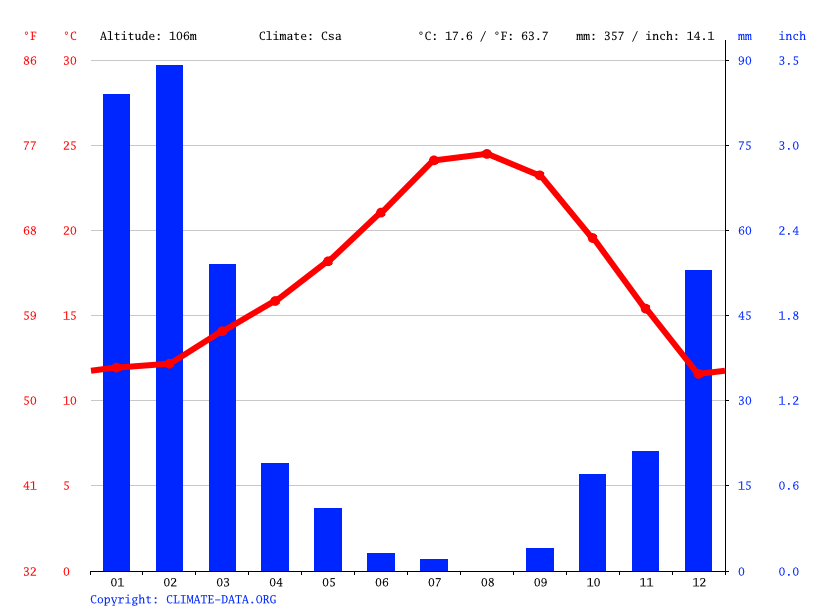
At its core, Los Angeles experiences a Mediterranean climate, which means hot, dry summers and mild, wet winters. This pattern is ideal for those seeking warmth without oppressive humidity for most of the year. The dry heat of summer makes even higher temperatures feel more comfortable than in humid regions, allowing for extensive outdoor enjoyment. Winters, though officially the “wet season,” are often characterized by sunny days interspersed with moderate rainfall, rarely bringing extreme cold. This predictable pattern is a major draw for tourism, as it allows visitors to reliably plan outdoor adventures, beach days, and sightseeing tours without significant weather-related disruptions. For travelers accustomed to harsh winters or sweltering, humid summers, the temperate nature of Los Angeles offers a refreshing escape.
Microclimates: A City of Contrasts
One of the most intriguing aspects of Los Angeles’ weather is its pronounced microclimates. Due to its vast geographic spread, encompassing coastal plains, valleys, and mountains, temperatures and conditions can vary significantly within just a few miles.
- Coastal Areas: Neighborhoods like Santa Monica, Venice Beach, and Malibu benefit from the cooling influence of the Pacific Ocean. Here, summers are often milder, and humidity is slightly higher, with refreshing ocean breezes and the occasional “marine layer” (coastal fog) in the mornings, especially in late spring and early summer. Temperatures in these areas rarely exceed the low 80s°F (27-29°C) even in the peak of summer, making them perfect for beach tourism and outdoor dining.
- Inland Valleys: Venture further inland, to areas like the San Fernando Valley or the San Gabriel Valley, and you’ll experience a more continental climate. Summers here are significantly hotter and drier, with temperatures frequently soaring into the 90s°F (32-37°C) and sometimes even above 100°F (38°C). Winters are still mild but can be cooler than the coast, with more noticeable temperature drops at night.
- Mountainous Regions: The nearby San Gabriel Mountains offer an even greater contrast. During winter, these areas can receive snow, providing opportunities for skiing and snowboarding just an hour or two from the sunny beaches. Even in summer, mountain temperatures are generally cooler than the valleys.
This diversity means that a visitor could experience a warm beach day in Santa Monica and a scorching afternoon in Universal City on the same day. Understanding these microclimates is crucial for packing smart and planning daily activities, ensuring you’re comfortable no matter where your Los Angeles adventures take you.
Seasonal Breakdown: What to Expect When You Visit
While Los Angeles enjoys a largely consistent reputation for good weather, each season offers distinct characteristics that can shape your travel experience. Knowing what to expect temperature-wise can help you select the best time for your preferred activities and style of tourism.
Los Angeles Winters: Mild and Inviting (December – February)
Los Angeles winters are far from the traditional image of cold, snowy conditions. Temperatures typically range from the mid-40s°F (7-9°C) at night to the mid-60s°F (18-20°C) during the day. While this is the “rainy season,” rainfall is usually moderate and often comes in short bursts, followed by clear, crisp skies.
- Travel and Tourism: This season is excellent for sightseeing without the summer crowds. Attractions like the Griffith Observatory, museums along Museum Row, and walks along the Hollywood Walk of Fame are particularly enjoyable. Days are often sunny and mild enough for outdoor exploration.
- Accommodation: Hotels and resorts might offer slightly lower rates than peak season, making it a great time for budget-conscious travelers or those seeking luxury stays at a better value. Many hotels with heated pools remain appealing, offering a warm escape even if the air is cool.
- Lifestyle: Locals embrace a more relaxed pace. Outdoor activities are still popular, from hiking in the Hollywood Hills to enjoying a less crowded stroll on Venice Beach.

Spring: Bloom and Balmy Days (March – May)
Spring in Los Angeles is arguably one of its most beautiful seasons. The landscape is lush and green from winter rains, and wildflowers bloom in the hills. Temperatures gradually warm up, ranging from the mid-50s°F (12-14°C) at night to the low-70s°F (21-23°C) during the day. Coastal areas may experience the “May Gray” and “June Gloom” phenomenon, where mornings are overcast with a marine layer that burns off to reveal sunny afternoons.
- Travel and Tourism: This is an ideal time for exploring gardens, enjoying outdoor dining, and visiting attractions like Disneyland or Universal Studios Hollywood before the peak summer crowds. Beach activities become more inviting as the days lengthen and warm up.
- Accommodation: As temperatures rise, hotels with outdoor amenities like pools and rooftop bars become highly sought after. Booking in advance is advisable, especially for popular weekends or during spring break.
- Lifestyle: The city comes alive with outdoor festivals, farmer’s markets, and al fresco dining. It’s a fantastic season for combining urban exploration with nature appreciation.

Summers: Sun-Drenched and Lively (June – August)
Summers in Los Angeles live up to the stereotype: hot, sunny, and dry. Inland temperatures can frequently reach into the 90s°F (32-37°C) or higher, while coastal areas remain milder, usually in the low to mid-70s°F (22-25°C). Evenings bring a welcome coolness, especially near the coast.
- Travel and Tourism: This is peak tourist season. Beaches are bustling, theme parks are crowded, and outdoor concerts and events are abundant. Water-based activities, from surfing in Malibu to kayaking in Marina del Rey, are extremely popular. Visits to landmarks like Santa Monica Pier are quintessential summer experiences.
- Accommodation: Expect higher prices and limited availability for hotels, resorts, and vacation rentals. Air conditioning is a must, especially for inland accommodations. Resorts with expansive pool areas and family-friendly amenities are in high demand.
- Lifestyle: The Los Angeles lifestyle is undeniably outdoor-centric in summer. Evening strolls, rooftop parties, and drive-in movies are common. Locals and tourists alike flock to coastal towns for relief from the inland heat.
Autumn: The Golden Season (September – November)
Many locals consider autumn the best time of year in Los Angeles. The scorching summer heat begins to subside, but days remain warm and sunny, typically ranging from the mid-60s°F (18-20°C) to the low-80s°F (27-29°C). The air feels crisp and clear, and the ocean water is at its warmest.
- Travel and Tourism: With fewer crowds than summer, autumn offers an excellent opportunity to enjoy all of Los Angeles’ attractions. Beach days are still perfect, and hiking trails offer stunning views. Cultural events, film festivals, and outdoor markets are plentiful.
- Accommodation: Hotel prices may start to decrease after the summer rush, offering good value. It’s an ideal time for luxury travel without the peak season premiums, especially in destinations like Beverly Hills.
- Lifestyle: The comfortable temperatures make it perfect for exploring diverse neighborhoods, from Downtown Los Angeles‘ historic sites to the charming streets of Pasadena.
Maximizing Your Los Angeles Experience Through Weather
Understanding Los Angeles’ temperature variations is not just about knowing what to pack; it’s about strategically planning your trip to fully immerse yourself in the city’s unique charm and offerings.
Essential Packing Tips for Every Season
Regardless of the season, layering is always a smart strategy for Los Angeles]. Even on hot days, evenings can cool down significantly, especially near the coast.
- Summer: Lightweight, breathable clothing is essential. Think shorts, t-shirts, sundresses. Don’t forget a light jacket or sweater for cooler evenings, especially if you plan to be near the beach. Sunscreen, sunglasses, and a wide-brimmed hat are non-negotiable.
- Winter: Pack layers, including long-sleeved shirts, sweaters, and a medium-weight jacket. While rain is not constant, a waterproof jacket or umbrella is a good idea. Comfortable walking shoes are a must for exploring.
- Spring & Autumn: These seasons offer the most versatile packing. Bring a mix of light clothing and warmer layers. Jeans, t-shirts, light sweaters, and a stylish jacket will cover most scenarios. Again, comfortable footwear is key.
Outdoor Activities and Attractions by Climate
Los Angeles’ climate dictates the enjoyment of many of its famed landmarks and activities.
- Beaches: Santa Monica, Venice Beach, and Malibu are perfect for lounging, swimming, and surfing during summer and early autumn when ocean temperatures are most inviting. Spring and late autumn are great for walks and bike rides along the coast.
- Theme Parks: Universal Studios Hollywood and Disneyland are best enjoyed in spring or autumn when temperatures are moderate, and crowds are slightly thinner than summer peak. If visiting in summer, hydrate constantly and plan to visit early in the day or later in the evening.
- Hiking: The Hollywood Hills, Griffith Park, and Runyon Canyon Park offer stunning trails that are most pleasant during the cooler months of winter, spring, and autumn. Summer hikes should be scheduled for early mornings to avoid the heat.
- Outdoor Dining & Rooftop Bars: Los Angeles’ vibrant food scene is best experienced al fresco. From trendy restaurants in West Hollywood to casual cafes in Silver Lake, the mild evenings of spring and autumn, and even summer, are perfect for outdoor dining.
Choosing the Right Accommodation
The temperature and your planned activities should heavily influence your accommodation choice.
- Coastal Retreats: If milder temperatures and ocean breezes are your priority, opt for hotels or resorts in Santa Monica, Malibu, or Manhattan Beach. These typically offer proximity to beaches and a more relaxed atmosphere.
- Urban Hubs: For city explorers focused on museums, shopping, and nightlife in areas like Downtown Los Angeles, Hollywood, or Beverly Hills, ensure your accommodation has excellent air conditioning for summer and comfortable heating for cooler winter nights. Many luxury hotels in these areas boast rooftop pools, which are a blessing during warmer months.
- Family-Friendly Resorts: For families planning extensive theme park visits in summer, consider resorts in the Anaheim or Orange County areas that offer extensive water parks and activities to combat the heat.
Los Angeles Weather and the Local Lifestyle
The perennially pleasant weather is not just a backdrop; it’s an intrinsic part of the Los Angeles lifestyle. This influences everything from the architecture, designed to maximize indoor-outdoor living, to the pervasive health and wellness culture. Locals take advantage of the sunshine for daily jogs, outdoor yoga sessions, and impromptu picnics in the park. The city’s open-air malls, such as The Grove and Americana at Brand, thrive because of the comfortable temperatures that encourage people to spend time outdoors. Even social gatherings often spill out onto patios and terraces, reinforcing the laid-back, sun-kissed image of Southern California.
Planning Your Trip: Best Time to Visit Los Angeles
While Los Angeles is a year-round destination, the “best” time to visit largely depends on your personal preferences and what you hope to experience.
- For optimal weather and fewer crowds: Late spring (April-May) and early autumn (September-October) are generally considered the sweet spots. Temperatures are pleasant, the skies are clear, and major tourist attractions are less congested.
- For budget-conscious travelers: Winter (December-February), excluding holiday periods, can offer lower accommodation rates and a chance to experience the city’s cultural offerings without the summer rush.
- For beach lovers and summer vibes: June through August is the time to go, but be prepared for higher prices, more crowds, and potentially very hot inland temperatures.
In conclusion, the temperature in Los Angeles is much more than a single number; it’s a dynamic interplay of coastal breezes, inland heat, and seasonal shifts that create a truly unique and diverse climate. By understanding these nuances, travelers can tailor their visit to enjoy everything from the iconic landmarks and vibrant local culture to the luxurious resorts and authentic lifestyle experiences that make Los Angeles a world-class travel destination. With a little preparation and an appreciation for its varied weather, your trip to the City of Angels is sure to be comfortable and unforgettable.
LifeOutOfTheBox is a participant in the Amazon Services LLC Associates Program, an affiliate advertising program designed to provide a means for sites to earn advertising fees by advertising and linking to Amazon.com. Amazon, the Amazon logo, AmazonSupply, and the AmazonSupply logo are trademarks of Amazon.com, Inc. or its affiliates. As an Amazon Associate we earn affiliate commissions from qualifying purchases.