
For anyone planning a visit, considering a move, or simply curious, understanding the local time zone is a fundamental piece of information. Minneapolis, the vibrant heart of Minnesota, operates within the Central Time Zone (CT). This places it firmly in a region that observes both Central Standard Time (CST) during the winter months and Central Daylight Time (CDT) for a significant portion of the year, adapting to Daylight Saving Time as most of the United States does. This article will delve into the specifics of Minneapolis’s time zone, its implications for travelers and residents alike, and how it shapes the rhythm of life in this dynamic Midwest city.
Understanding Minneapolis’s Time Zone: Central Time
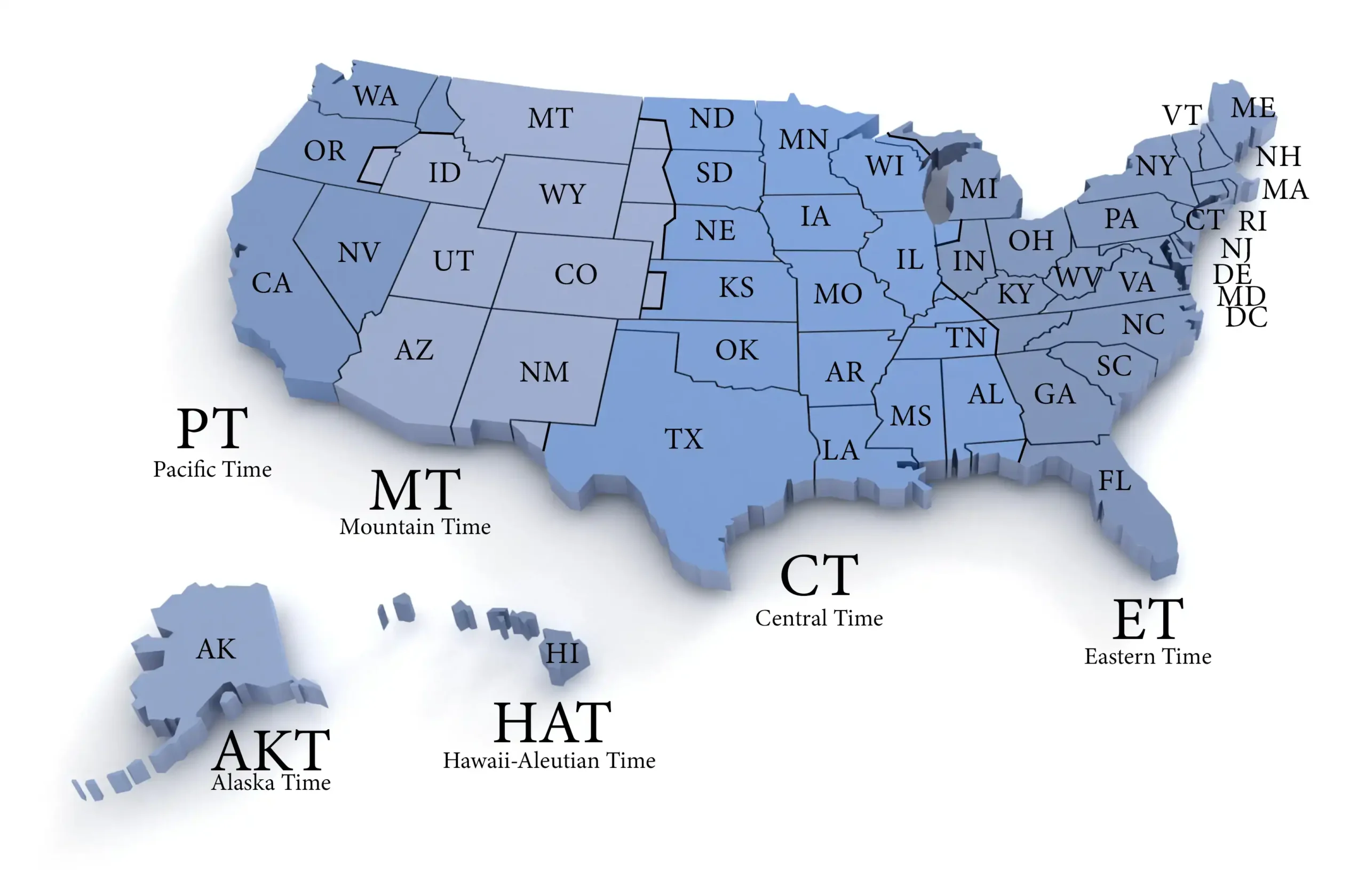
The Central Time Zone is one of the six standard time zones observed across North America. It encompasses a large swath of the central United States, parts of Canada, and sections of Mexico. For Minneapolis, being in this zone means its time is typically one hour behind the Eastern Time Zone and two hours ahead of the Pacific Time Zone. This positioning has significant ramifications for travel planning, communication, and daily routines, especially for those accustomed to other global timekeeping systems.
What is Central Time (CT/CDT)?
During Central Standard Time (CST), which runs from early November to early March, Minneapolis is UTC-6. This means it is six hours behind Coordinated Universal Time (UTC), which is the primary time standard by which the world regulates clocks and time. Think of UTC as the modern successor to Greenwich Mean Time (GMT). When the clock in London (which is on GMT or UTC during winter) strikes noon, it’s 6:00 AM in Minneapolis.
However, from the second Sunday in March until the first Sunday in November, Minneapolis observes Central Daylight Time (CDT), which is UTC-5. This “spring forward” adjustment means the city’s clocks are moved forward by one hour, effectively shortening the difference from UTC to five hours. This change aims to make better use of daylight, shifting an hour of daylight from the morning to the evening. For travelers, this means longer daylight hours for sightseeing and outdoor activities during the warmer months, but also necessitates careful attention to schedules that might shift when Daylight Saving Time begins or ends.
Daylight Saving Time in Minnesota
Like most of the United States, Minnesota actively participates in Daylight Saving Time. This annual tradition sees clocks advance by one hour in March and fall back by one hour in November. The transition dates are standardized: clocks spring forward on the second Sunday in March at 2:00 AM local time, and fall back on the first Sunday in November at 2:00 AM local time.
For local culture and lifestyle, Daylight Saving Time in Minneapolis means that the long summer days extend even further into the evening. Residents and tourists alike can enjoy the vibrant outdoor scene, from kayaking on the Chain of Lakes to dining al fresco along the Mississippi River until late. The extended daylight hours are particularly cherished after the long, dark winters, making the spring and summer months incredibly lively. Conversely, the “fall back” in November marks the shift towards shorter days and longer nights, influencing everything from business hours to recreational opportunities and travel itineraries. Being aware of these shifts is crucial for planning events, flights, and tours, ensuring that you arrive at your destination at the correct local time and maximize your experiences.

Why Minneapolis’s Time Zone Matters for Travelers
For visitors journeying to Minneapolis from different time zones, understanding Central Time is more than just an academic exercise—it’s a practical necessity. From coordinating flights and hotel check-ins to managing jet lag and scheduling attractions, the local time zone plays a pivotal role in ensuring a smooth and enjoyable travel experience. Overlooking these details can lead to missed connections, forfeited reservations, or an unnecessarily disruptive start to your trip.
Planning Your Itinerary and Bookings
Precision in timing is paramount when traveling. When booking flights to Minneapolis-Saint Paul International Airport (MSP), all arrival and departure times will be listed in local Central Time. If you’re flying from the Eastern Time Zone (e.g., New York), remember that Minneapolis is one hour behind, so a flight departing at 9:00 AM ET and arriving three hours later would land at 11:00 AM CT, not noon. Similarly, if you’re coming from the Pacific Time Zone (e.g., Los Angeles or San Francisco), Minneapolis is two hours ahead. This calculation becomes even more critical when booking connecting flights or ensuring you don’t miss a pre-arranged shuttle or car rental pick-up.
Hotel check-in and check-out times are strictly adhered to in local time. Most hotels in Minneapolis, from the luxurious Hotel Ivy, a Luxury Collection Hotel, Minneapolis to comfortable boutique stays, typically have check-in around 3:00 PM and check-out around 11:00 AM or noon CT. Aligning your arrival with these windows can prevent waiting for your room or incurring late check-out fees. The same principle applies to booking attractions, tours, or restaurant reservations. Iconic spots like the Guthrie Theater or the Minneapolis Institute of Arts operate on Central Time, so confirming your reservation times against your origin time zone is vital. Even arranging virtual meetings or phone calls with contacts outside the Central Time Zone requires careful consideration to avoid scheduling conflicts.
Beating Jet Lag and Maximizing Your Experience
Jet lag can significantly impact your travel experience, especially if you’re crossing multiple time zones. While a one or two-hour difference (like from the Eastern or Mountain Time Zone) might be manageable, those arriving from the Pacific Time Zone or international destinations will feel it more acutely. Understanding that Minneapolis is ahead for Pacific travelers and behind for Eastern travelers allows for proactive strategies.
To combat jet lag, experts recommend adjusting your sleep schedule gradually before departure, hydrating well during your flight, and exposing yourself to natural light upon arrival in Minneapolis. Since Minneapolis enjoys distinct seasons, the amount of daylight will vary greatly. In summer, with CDT, the sun can set as late as 9:00 PM, providing ample time to soak in the local atmosphere and recalibrate your body clock. In winter, with CST, shorter days mean earlier sunsets, which can be an advantage for those who need to wind down earlier. Embracing the local time from the moment you land, even if it means pushing through initial fatigue, is key to quickly adapting and fully enjoying everything Minneapolis has to offer, from its bustling urban core to its tranquil parks and lakes.
Exploring Minneapolis: Attractions and Activities by Time
Minneapolis offers a rich tapestry of attractions and activities, from world-class museums and historic landmarks to vibrant dining scenes and serene natural escapes. All of these operate within the local Central Time Zone, making it essential to factor in the time of day and the impact of Daylight Saving Time when planning your explorations.
Iconic Landmarks and Cultural Experiences
The city’s cultural institutions typically open their doors around 10:00 AM or 11:00 AM CT and close in the late afternoon or early evening. The renowned Minneapolis Institute of Arts and the contemporary Walker Art Center (home to the iconic Spoonbridge and Cherry sculpture in the Minneapolis Sculpture Garden) are perfect daytime activities. To beat the crowds, consider visiting shortly after opening, or later in the afternoon if you prefer a quieter experience.
For a dose of history, a walk across the Stone Arch Bridge offers breathtaking views of the Mississippi River and the downtown skyline, especially picturesque during sunrise or sunset. Nearby, the Mill City Museum provides a fascinating look into Minneapolis’s flour milling past. Minnehaha Park, famous for its stunning waterfall, is ideal for a leisurely afternoon stroll or a picnic. During Daylight Saving Time, you can enjoy these outdoor attractions well into the evening, capitalizing on the extended daylight hours. Even the immense Mall of America, located just south of Minneapolis in Bloomington, extends its hours during peak seasons and holidays, so checking their Central Time operating schedule is always a good idea. For live performances, the schedule at the Guthrie Theater typically aligns with evening Central Time curtain calls, usually starting around 7:30 PM or 8:00 PM.
Dining and Nightlife in the Heart of Minnesota
The culinary scene in Minneapolis is diverse and exciting, ranging from farm-to-table restaurants to craft breweries and cozy cafes. Meal times generally follow typical North American patterns: breakfast often starts at 7:00 AM or 8:00 AM, lunch from noon to 2:00 PM, and dinner reservations typically begin around 5:00 PM or 6:00 PM CT. Popular districts like Uptown, Northeast Minneapolis, and the Warehouse District offer an array of dining experiences.
The city’s nightlife truly comes alive in the evening hours, and knowing the local time is crucial for catching live music at venues like First Avenue or enjoying cocktails at a rooftop bar overlooking Nicollet Mall. Bars typically close at 1:00 AM or 2:00 AM CT, with last calls usually about 30 minutes prior. If you’re coming from a time zone significantly different from Central Time, you might find yourself feeling hungry or tired at unusual hours initially. Planning your meals and activities to align with the local rhythm not only helps with jet lag but also allows you to fully immerse yourself in the local social scene without missing out on peak dining or entertainment times.
Accommodation and Lifestyle in the Central Time Zone
Your choice of accommodation and how you adapt to the local lifestyle are significantly influenced by Minneapolis’s Central Time Zone. Whether you’re seeking luxury, budget-friendly options, or an extended stay, aligning your expectations with the local clock is key to a comfortable and seamless visit.
Choosing the Perfect Stay in Minneapolis
Minneapolis boasts a wide array of hotels, resorts, and apartment rentals to suit every traveler’s needs and budget. From high-end establishments like the Hyatt Regency Minneapolis with its extensive amenities to the charming and distinct Graduate Minneapolis near the university campus, all operate on Central Time. When making bookings, double-check reservation confirmations and arrival instructions to ensure they align with your travel schedule in Central Time. This is especially important for international travelers or those arriving on red-eye flights.
Many hotels offer amenities like 24-hour reception, but services like breakfast, fitness center access, and pool hours will be specified in local time. If you’re considering an apartment or villa for a longer stay, coordination for key pick-up or check-in will also be strictly by Central Time. Understanding these local timings can prevent unnecessary stress upon arrival and help you settle into your chosen accommodation without a hitch, allowing you to quickly transition into the Minneapolis rhythm. Reviews and booking platforms will always display information relevant to the destination’s time zone, so always verify your personal travel clock against the local standard.
Adapting to the Local Rhythm
Embracing the Central Time Zone lifestyle means more than just setting your watch. It involves adapting to the local pace of life, which can vary significantly depending on the season due to the effects of Daylight Saving Time. In summer, Minneapolis comes alive with outdoor festivals, long evenings spent at breweries, and leisurely strolls around lakes like Lake Harriet, Lake of the Isles, and Bde Maka Ska along the Grand Rounds Scenic Byway. The extended daylight hours in CDT encourage late-day activities and a vibrant evening social scene.
During winter, with Central Standard Time bringing earlier sunsets, the focus shifts indoors. Cozy cafes, museums, theaters, and indoor sports events become popular destinations. The city adapts, with businesses often adjusting hours slightly to reflect the reduced daylight. For visitors, this means planning itineraries that make the most of the daylight for outdoor sightseeing in winter, and reserving evenings for indoor entertainment or culinary adventures. Understanding this seasonal shift in local rhythm, dictated by the time zone and Daylight Saving Time, allows for a richer, more authentic Minneapolis experience, ensuring you’re always in sync with the pulse of the city.

Navigating Minneapolis: Practical Tips for a Seamless Visit
Beyond merely knowing the current time, incorporating an awareness of Minneapolis’s Central Time Zone into your practical travel strategies can significantly enhance your trip. This includes everything from staying connected to managing your health and making the most of local resources.
1. Keep Your Devices Updated: Ensure your smartphone, laptop, and other electronic devices are set to automatically update their time zones. Most modern devices do this seamlessly, but a quick check can prevent confusion, especially during the Daylight Saving Time transitions in March and November. Having accurate local time on your primary devices is fundamental for adhering to schedules.
2. Communication with Home: When calling family or friends in other time zones, remember the time difference. A quick search for “time in Chicago” or “time in New York” relative to Minneapolis (both are in different time zones) will ensure you don’t inadvertently wake someone up or miss an important call. This is particularly important for business travelers needing to connect with colleagues across the country or internationally.
3. Public Transportation Schedules: Minneapolis has a reliable public transportation system, Metro Transit, including light rail and buses connecting various parts of the city and its twin city, St. Paul (the Twin Cities). All schedules are published in Central Time. When planning your routes, especially for early morning or late-night travel, factor in the local time to avoid missing your connection.
4. Medical Appointments and Prescriptions: If you have any pre-scheduled medical appointments or need to take medication at specific times, adjust your schedule to the local Central Time Zone. Carry enough of your prescribed medications, and consult with a doctor if you anticipate significant disruptions to your routine due to time zone changes.
5. Booking Local Experiences: From cooking classes featuring Midwest cuisine to guided tours of the Chain of Lakes or bike rentals for the Grand Rounds Scenic Byway, all local experience providers will adhere to Central Time. Confirm your booking times meticulously, especially if you’ve planned several activities in one day.
In conclusion, while the question “What Timezone Is Minneapolis, Minnesota?” has a straightforward answer – it’s in the Central Time Zone – its implications are far-reaching for any traveler. From precise travel arrangements and mitigating jet lag to fully immersing oneself in the local culture and lifestyle, a clear understanding of CST and CDT is indispensable for a successful and enjoyable visit to this magnificent city. By keeping these tips in mind, your journey to and stay in Minneapolis will be as seamless and enriching as possible.
LifeOutOfTheBox is a participant in the Amazon Services LLC Associates Program, an affiliate advertising program designed to provide a means for sites to earn advertising fees by advertising and linking to Amazon.com. Amazon, the Amazon logo, AmazonSupply, and the AmazonSupply logo are trademarks of Amazon.com, Inc. or its affiliates. As an Amazon Associate we earn affiliate commissions from qualifying purchases.