
Nestled in the southeasternmost tip of the United States, Florida is renowned globally as a captivating mosaic of sun-drenched beaches, exhilarating theme parks, and vibrant cultural experiences. From the magical realms of Walt Disney World Resort and Universal Studios Florida in Orlando to the Art Deco splendor of Miami’s South Beach, the bohemian charm of Key West, and the wild beauty of Everglades National Park, the Sunshine State beckons millions of travelers and new residents each year. Whether you’re planning a luxurious family vacation, a romantic escape, or contemplating a long-term stay, understanding the local nuances is crucial for a smooth and worry-free experience. One critical aspect, often overlooked until an unforeseen event occurs, is the state’s unique approach to vehicle insurance. So, to answer the pivotal question: yes, Florida operates under a “no-fault” car insurance system. This distinctive legal framework significantly impacts how medical expenses and lost wages are handled after a car accident, making it vital knowledge for anyone driving on Florida’s bustling roads. For both seasoned travelers navigating unfamiliar routes to exciting attractions and new residents settling into the Florida lifestyle, comprehending this system is paramount to ensuring peace of mind and financial security during their stay or residency.
Understanding Florida’s No-Fault System for Travelers and Residents
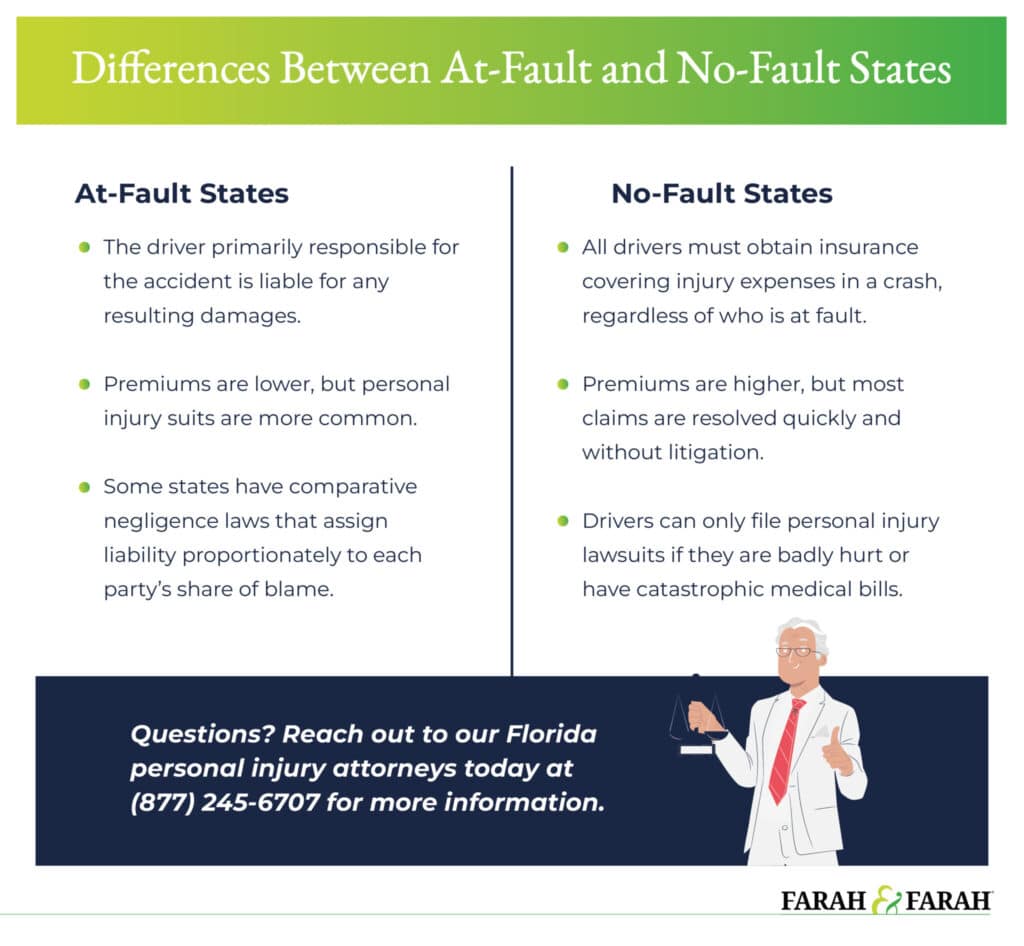
The term “no-fault” might sound perplexing at first, especially for those accustomed to traditional “at-fault” insurance systems where the party deemed responsible for an accident typically bears the financial burden. In Florida, the no-fault system fundamentally alters this dynamic, particularly regarding initial medical expenses and lost wages. This approach aims to streamline the process of receiving immediate medical care and compensation, reducing the need for lengthy legal battles over fault in minor accidents. For a state that sees millions of vehicles on its roads daily, from rental cars ferrying tourists to local commuters heading to work in Tampa or Jacksonville, this system is designed to provide rapid assistance when it’s most needed.
Personal Injury Protection (PIP) Explained
At the core of Florida’s no-fault system is Personal Injury Protection, or PIP, insurance. Unlike liability insurance, which covers damages you might cause to others, PIP is designed to cover your own medical expenses and a portion of your lost wages, regardless of who was at fault for the accident. By law, every vehicle registered in Florida must carry a minimum of $10,000 in PIP coverage. This mandatory coverage is a crucial safeguard for drivers, passengers, and even pedestrians or cyclists involved in a car accident within the state.
When an accident occurs, your PIP insurance is the first line of defense for your medical bills and lost income. It typically covers 80% of necessary medical expenses (up to the policy limit) and 60% of lost wages (also up to the policy limit), along with some death benefits. This means that if you’re exploring the historic streets of St. Augustine, driving along the scenic Gulf Coast to Naples, or heading to the Kennedy Space Center Visitor Complex on the Atlantic Coast, and you’re involved in a collision, your own insurance policy (or the rental car’s policy, depending on the specifics) will cover your initial medical treatment, even if another driver caused the crash. This system ensures that accident victims receive prompt medical attention without the delay of determining fault, which is particularly beneficial for travelers who might not have extensive knowledge of local laws or quick access to legal counsel.

The Role of No-Fault in Minor vs. Serious Accidents
The no-fault system in Florida is primarily designed to handle minor accidents efficiently. For fender-benders and collisions resulting in less severe injuries, PIP coverage acts as a swift mechanism to cover initial expenses. This greatly reduces the caseload for courts and minimizes the financial strain on individuals during a stressful time. However, it’s important to understand that the no-fault system has its limitations, particularly when it comes to more severe accidents.
In cases where injuries are severe and meet a specific legal threshold — typically involving permanent injury, significant and permanent scarring or disfigurement, or death — the injured party may be able to step outside the no-fault system and pursue a personal injury lawsuit against the at-fault driver. This allows them to seek compensation for additional damages beyond what PIP covers, such as pain and suffering, emotional distress, and medical expenses exceeding the PIP limit. This distinction is vital for anyone in Florida, whether they are enjoying a leisurely drive through the Florida Keys or commuting through downtown Miami. Understanding when and how you can pursue further legal action can significantly impact your recovery and financial well-being after a serious incident.
Navigating Accidents as a Visitor or New Resident
For visitors, driving in a new state can be daunting, especially when unfamiliar with local road regulations and insurance laws. New residents, too, must adapt to Florida’s specific requirements. Accidents, though hopefully rare, are a possibility, and knowing how to react is crucial for minimizing stress and ensuring proper procedures are followed. Whether you’re renting a car to explore the beaches of Sarasota or moving to Tallahassee and bringing your own vehicle, being prepared is key.
What to Do After an Accident in Florida
Should you find yourself in the unfortunate situation of a car accident in Florida, whether it’s a minor bump near Fort Lauderdale or a more serious collision on an interstate, here’s a guide to the essential steps:
- Ensure Safety: First and foremost, check for injuries among all parties involved. Move your vehicle to a safe location if possible and if it’s safe to do so.
- Contact Authorities: Always call 911 immediately if there are injuries, significant damage, or if the accident blocks traffic. Even for minor incidents, calling the non-emergency police line for a report can be beneficial, especially for insurance claims.
- Exchange Information: Collect names, contact information, insurance details, and license plate numbers from all drivers involved. Do not admit fault or discuss liability at the scene.
- Document the Scene: Use your phone to take photographs of vehicle damage, the accident scene, road conditions, and any relevant traffic signs or signals.
- Seek Medical Attention: Even if you feel fine, it’s crucial to seek medical evaluation within 14 days of the accident to be eligible for PIP benefits. Many injuries, particularly whiplash, may not manifest symptoms immediately.
- Notify Your Insurance Company: Report the accident to your insurance provider as soon as possible. They will guide you through the claims process. If you were in a rental car, notify the rental company immediately.

Understanding these steps ensures that you comply with Florida’s no-fault system requirements and protect your rights to receive appropriate compensation for medical treatment and lost wages.
Understanding Your Insurance Options While Visiting
For visitors to Florida who are involved in an accident, the applicability of the no-fault system can vary depending on their primary insurance. If you are a Florida resident, your vehicle must have PIP coverage. However, if you are visiting from another state or country, your out-of-state insurance policy may or may not provide the equivalent of Florida’s PIP coverage.
- Rental Cars: When renting a car in Florida, the rental company typically offers supplemental insurance options. It is highly advisable to clarify what coverage these options provide regarding PIP. Many rental agreements automatically include the minimum liability coverage required by state law, but additional protection, including PIP-like benefits, might be an extra purchase. Review your personal auto insurance policy from your home state or country, as it might extend to rental cars. Also, many credit cards offer rental car insurance benefits, but these usually cover damage to the rental car itself, not your medical expenses or liability to others. Always check the specifics before your trip, especially if you plan to drive extensively, perhaps from Orlando to Key West for a memorable road trip.
- Out-of-State Policies: If you’re driving your own vehicle from out-of-state, your existing auto insurance policy is generally expected to conform to the minimum coverage requirements of Florida while you are driving within its borders. However, this can be complex. It is always recommended to contact your insurance provider before your trip to understand how your policy applies in Florida and whether you have adequate coverage for the no-fault system. Having this clarity will significantly reduce anxiety and potential financial burdens if an accident occurs while you’re exploring the charming streets of St. Petersburg or the bustling boardwalks of Daytona Beach.
Beyond the Road: Ensuring a Safe and Enjoyable Florida Experience
While understanding Florida’s no-fault car insurance system is essential for any driver, ensuring a safe and enjoyable experience in the Sunshine State extends far beyond vehicle insurance. Florida offers an incredible array of activities, from the natural wonders of Sanibel Island and Amelia Island to the vibrant nightlife of Miami, and with proper planning, you can minimize risks and maximize enjoyment. Whether your focus is on family-friendly attractions, luxury resorts, or budget-conscious adventures, peace of mind comes from being prepared.
Travel Insurance and Other Protections
Beyond auto insurance, travel insurance can be an invaluable asset for anyone visiting Florida, especially for those on longer stays or intricate itineraries. Travel insurance typically covers a broader spectrum of unforeseen events, including trip cancellations or interruptions, lost luggage, and medical emergencies that are unrelated to car accidents.
- Medical Coverage: While PIP handles car accident-related medical costs, general travel insurance can cover medical emergencies such as sudden illnesses, injuries sustained during activities (like a fall at a theme park), or other health-related incidents. Given the high cost of healthcare in the United States, this protection is highly recommended for international visitors and domestic travelers alike.
- Trip Protection: If you’ve invested in a comprehensive Florida vacation package, including flights, hotels, and attractions, trip cancellation or interruption coverage can protect your financial investment against unforeseen events like severe weather (hurricanes are a consideration in certain seasons), personal emergencies, or flight delays.
- Accommodation Protection: For those booking apartments or villas for an extended stay, verifying the insurance policies of your chosen accommodation provider is also wise. Some may offer their own form of guest protection, but a personal travel policy can bridge any gaps, ensuring your belongings are safe and providing liability coverage in certain situations.
Tips for a Worry-Free Florida Trip
To truly immerse yourself in the Florida experience without unnecessary worry, consider these additional tips:
- Plan Your Routes: Utilize GPS and familiar apps to navigate, especially when heading to popular attractions like Walt Disney World Resort or Busch Gardens Tampa Bay. Be aware of peak traffic times, particularly around major cities like Miami, Orlando, and Tampa.
- Stay Hydrated and Sun Safe: Florida’s sunshine is glorious but intense. Always carry water, wear sunscreen, and seek shade, especially when exploring outdoor landmarks or enjoying beach activities in places like Panama City Beach or Captiva Island.
- Secure Your Belongings: Whether you’re staying in a bustling city hotel or a tranquil resort, always keep valuables out of sight and use hotel safes. When at attractions or beaches, be mindful of your personal items.
- Emergency Contacts: Keep a list of emergency contacts, including your embassy or consulate if you are an international traveler, and your insurance provider’s contact information readily accessible.
- Local Transport Options: While driving is common, consider ride-sharing services, taxis, or public transport in dense urban areas like Miami Beach or Orlando’s International Drive, especially if you plan to enjoy Florida’s vibrant nightlife. This can alleviate parking stress and reduce the risk of incidents while providing a different perspective of the local culture.
- Understand Local Laws: Beyond traffic laws, familiarize yourself with any local ordinances, especially regarding beach conduct, alcohol consumption, and wildlife interactions, particularly in areas near natural preserves like the Everglades.
In conclusion, Florida’s status as a no-fault state is a critical piece of information for anyone planning to drive within its borders. It means that Personal Injury Protection (PIP) coverage is mandatory and serves as the primary source for medical expenses and lost wages after a car accident, regardless of who caused the collision. By understanding this system, preparing adequately with appropriate insurance, and following general safety guidelines, you can navigate the Sunshine State’s roads and attractions with confidence. From the thrilling rides of Orlando to the tranquil sunsets of the Gulf Coast, being informed allows you to fully embrace the rich tapestry of experiences that Florida so generously offers, turning every trip into an unforgettable journey.
LifeOutOfTheBox is a participant in the Amazon Services LLC Associates Program, an affiliate advertising program designed to provide a means for sites to earn advertising fees by advertising and linking to Amazon.com. Amazon, the Amazon logo, AmazonSupply, and the AmazonSupply logo are trademarks of Amazon.com, Inc. or its affiliates. As an Amazon Associate we earn affiliate commissions from qualifying purchases.