
New York City, a global epicenter of culture, finance, and tourism, is famously known for its towering skyscrapers, iconic landmarks, bustling streets, and a pace of life that is truly unique. Welcoming millions of visitors annually, from every corner of the globe, the metropolis presents an unparalleled tapestry of experiences, from world-class dining and entertainment to historic sites and vibrant neighborhoods. Beneath the surface of this dynamic urban landscape, ensuring the safety and security of its more than 8 million residents and countless daily visitors is a monumental task, primarily shouldered by one of the largest and most renowned municipal police forces in the world: the New York City Police Department.
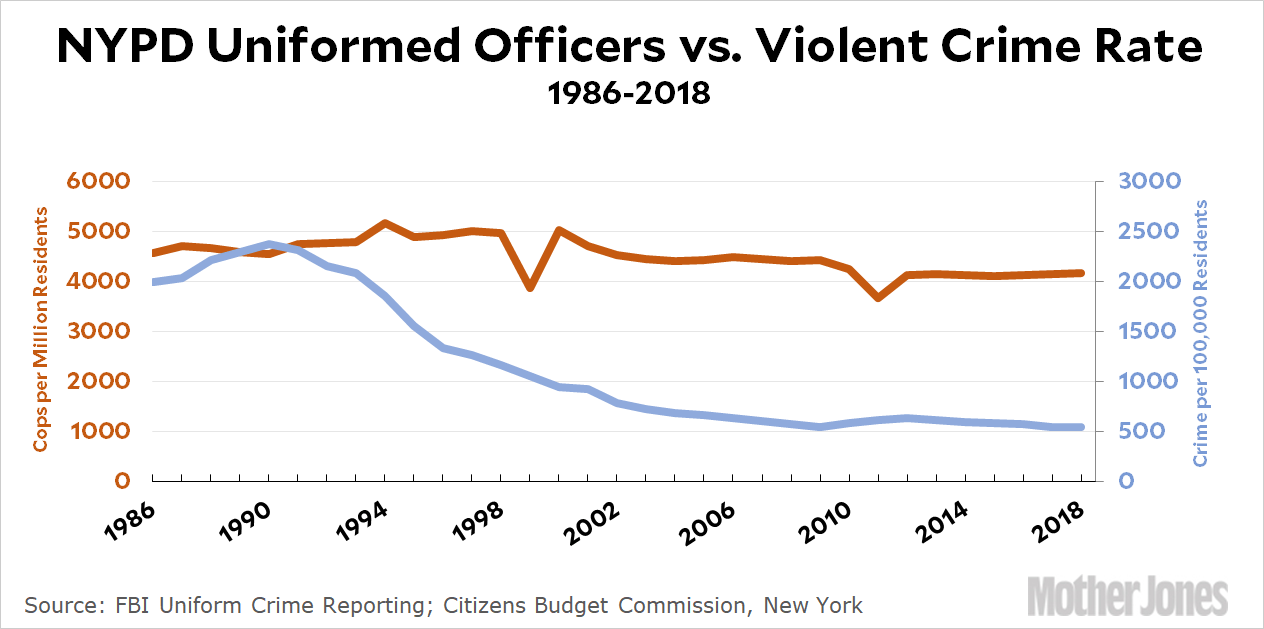
The question of “how many police officers are in New York City?” delves into a fascinating aspect of urban governance and public safety, directly impacting everything from local culture and lifestyle to the tourism experience and the perception of accommodation options. While the exact figures can fluctuate due to retirements, new recruits, and budget considerations, the NYPD typically maintains a formidable force of approximately 35,000 uniformed officers. This substantial number makes it not only the largest police department in the United States but also one of the largest globally, a necessary complement to the vastness and complexity of a city that never sleeps.
Beyond the uniformed officers, the NYPD also employs a significant civilian staff, often numbering around 15,000 to 17,000 individuals, who provide crucial administrative, technical, and support services. This combined workforce forms a comprehensive safety net, operating 24 hours a day, 7 days a week, across the sprawling 302 square miles that comprise New York City’s five distinct boroughs: Manhattan, Brooklyn, Queens, The Bronx, and Staten Island. The sheer scale of this protective presence is a testament to the city’s commitment to maintaining order, responding to emergencies, and ensuring a secure environment for all who live, work, and visit.
The NYPD: A Towering Presence in a Global Metropolis
The presence of such a large and active police force is a fundamental component of New York City’s identity and functionality. It is more than just a statistical number; it represents a living, breathing network of dedicated individuals who are integral to the city’s daily rhythm and long-term stability. For travelers, the visibility of NYPD officers, patrol cars, and specialized units in key areas often serves as a silent reassurance, a palpable reminder of the robust infrastructure in place to protect them as they explore iconic destinations and immerse themselves in diverse experiences.
The mission of the NYPD extends far beyond merely responding to crime. It encompasses a broad spectrum of public safety initiatives, including traffic enforcement, counterterrorism efforts, community engagement, and emergency response to everything from natural disasters to major public health crises. In a city that hosts massive events like the New York City Marathon, the Macy’s Thanksgiving Day Parade, and the New Year’s Eve Ball Drop in Times Square, the meticulous planning and execution by the NYPD are paramount to ensuring a safe and enjoyable experience for millions. This extensive reach and continuous vigilance are what allow New York City to maintain its reputation as one of the world’s safest major cities, particularly vital for the thriving tourism industry and for residents enjoying their daily lives.
A Legacy of Service: Tracing the NYPD’s Roots
The origins of the New York City Police Department stretch back much further than its modern iteration, reflecting the evolving needs of a burgeoning port city. In the early 17th century, rudimentary watchmen protected the Dutch settlement of New Amsterdam, which would later become New York City. These early efforts were informal and largely inadequate for a rapidly growing urban center.
The formal establishment of the NYPD as a centralized police force occurred in 1845, replacing a fragmented system of watchmen and constables. Modeled after the London Metropolitan Police Service, this new department aimed to professionalize law enforcement and provide a more organized response to the city’s increasing crime rates and social challenges. Over the decades, the NYPD grew in size and complexity, adapting to waves of immigration, technological advancements, and significant social changes.
Throughout its history, the NYPD has faced numerous challenges, from the rampant corruption of the late 19th and early 20th centuries to the civil unrest of the 1960s and the rising crime rates of the 1970s and 1980s. Each era brought lessons and reforms, continually shaping the department into the sophisticated organization it is today. A pivotal moment in its modern history, and indeed in the history of New York City, was the September 11th attacks in 2001. The department’s heroic response and subsequent transformation, particularly in bolstering its NYPD Counterterrorism Bureau, underscored its critical role in national security and its unwavering commitment to protecting the city from any threat, foreign or domestic. This rich history of adaptation, resilience, and unwavering service forms the bedrock of trust and confidence that residents and visitors place in New York City’s finest.
Safeguarding the Five Boroughs: Structure and Specialization
The vastness of New York City necessitates a highly organized and specialized police force. The roughly 35,000 uniformed officers are strategically deployed across the city’s 77 precincts, each responsible for specific neighborhoods and their unique needs. This decentralized precinct system ensures localized knowledge and responsiveness, fostering a closer connection between officers and the communities they serve. However, the departmental structure goes far beyond simple patrol, encompassing an array of specialized units and bureaus that address the multifaceted challenges of an urban environment.
From the busy commercial districts of Midtown Manhattan to the residential streets of Flushing, Queens, and the waterfronts of Staten Island, the NYPD’s presence is both ubiquitous and tailored. Each borough has its own patrol command, overseeing the precincts within its boundaries, ensuring effective coordination and resource allocation across the diverse landscapes of the city. This intricate web of jurisdiction and specialization is what allows the NYPD to provide a comprehensive layer of protection for every facet of urban life.
The Diverse Units Protecting New York City’s Fabric
The effectiveness of the NYPD stems significantly from its highly specialized units, each trained and equipped to handle specific threats and situations. These specialized branches ensure that the right expertise is available for every challenge, safeguarding everything from public transportation to critical infrastructure and major public events.
-
Transit Bureau: With millions of commuters and tourists relying daily on New York City’s expansive subway and bus system, the Transit Bureau is an indispensable component of the NYPD. Its officers patrol subway stations, trains, and bus routes, maintaining order, preventing crime, and responding to emergencies. For travelers navigating the city, the visible presence of transit police offers a significant sense of security, making it easier to explore far-flung destinations like Coney Island or the Botanical Gardens with peace of mind.
-
Housing Bureau: Dedicated to providing safety and security within the city’s vast public housing developments, the Housing Bureau works closely with residents to address local crime issues and improve quality of life. This specialized focus underscores the department’s commitment to protecting all communities, regardless of socio-economic status.
-
NYPD Counterterrorism Bureau: Formed and significantly enhanced after the September 11th attacks, this bureau is at the forefront of protecting New York City from terrorist threats. Its officers are highly trained in intelligence gathering, threat assessment, and rapid response. They are often visible at major landmarks such as the Empire State Building, Grand Central Terminal, and the World Trade Center complex, providing a layer of security that is critical for a city that remains a high-value target.
-
Emergency Service Unit (ESU): Often referred to as the NYPD’s SWAT team, the ESU handles high-risk operations, hostage situations, rescue missions, and hazardous material incidents. Their specialized skills and equipment are invaluable in extreme circumstances, showcasing the department’s capacity to handle the most challenging scenarios.
-
Harbor Unit and Aviation Unit: Reflecting New York City’s unique geography, these units patrol the city’s extensive waterways and airspace. The Harbor Unit safeguards the city’s ports, bridges, and shorelines, while the Aviation Unit provides aerial surveillance and support, demonstrating the comprehensive nature of NYPD operations across all dimensions of the urban environment.
-
Community Affairs Bureau: Recognizing that effective policing requires strong community ties, this bureau focuses on outreach, dialogue, and partnership programs with residents, schools, and local organizations. This proactive approach helps build trust and foster cooperation, contributing to overall safety and quality of life.
The strategic deployment and specialized training of these units collectively ensure that New York City remains equipped to handle any eventuality, contributing significantly to the city’s allure as a secure and well-managed global destination.
The NYPD’s Indispensable Role in New York City Travel and Tourism
For a city that thrives on tourism, with its attractions, hotels, and diverse experiences being major economic drivers, the role of the NYPD extends far beyond mere law enforcement; it is a fundamental pillar of the visitor experience. The perceived and actual safety of a destination is a primary concern for travelers, influencing everything from where they choose to stay to which activities they undertake. The extensive presence of NYPD officers directly contributes to New York City’s reputation as a secure and welcoming place for millions of international and domestic tourists each year.
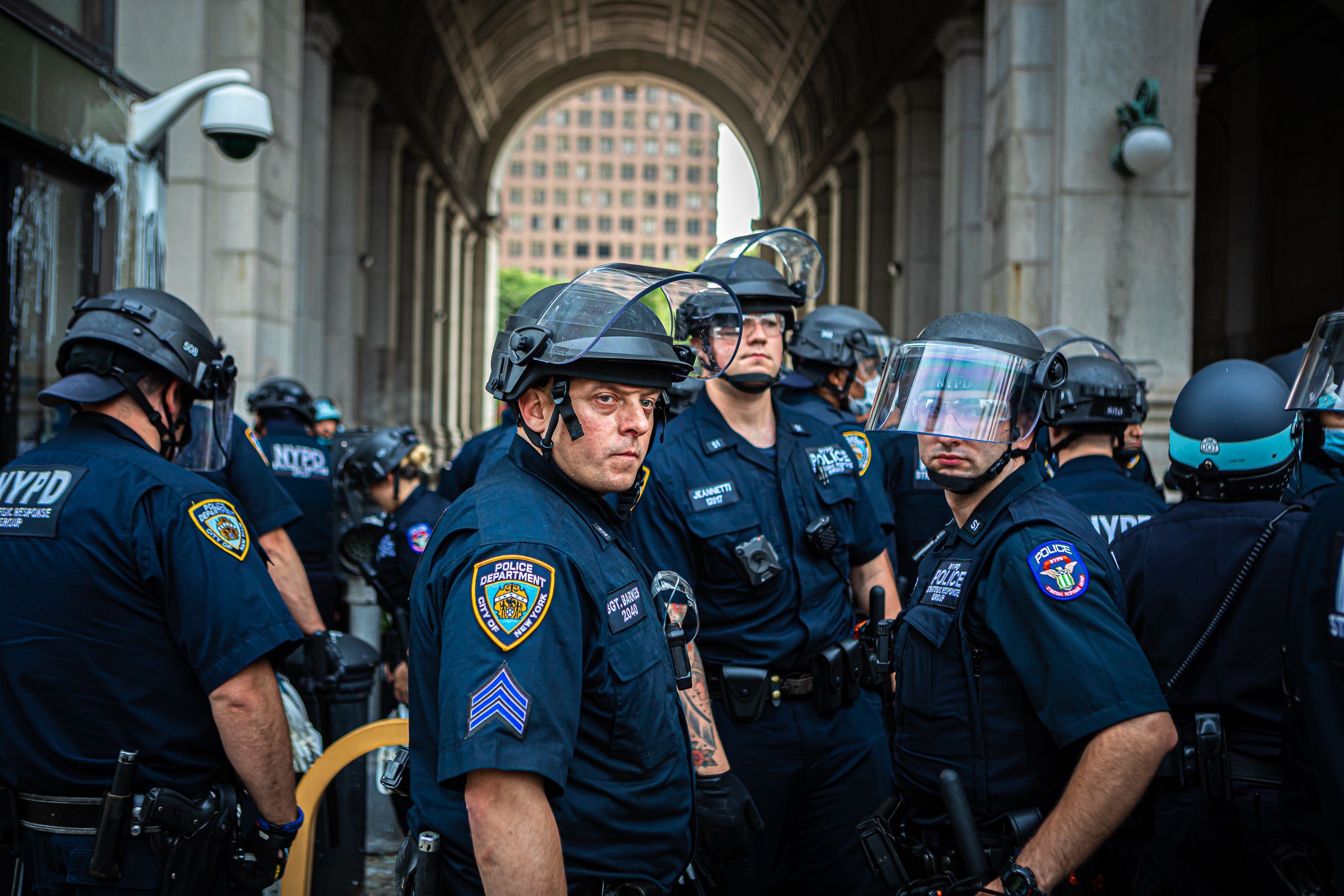
Imagine strolling through the dazzling lights of Times Square, catching a Broadway show, exploring the tranquil paths of Central Park, or visiting the historic Statue of Liberty and Ellis Island. In all these iconic locations, the visible presence of NYPD officers—whether on foot, in patrol cars, or on horseback—provides a constant, reassuring presence. This visible policing deters petty crime, offers immediate assistance to those in need, and quickly responds to any incidents, thereby enhancing the overall sense of security that allows visitors to relax and fully immerse themselves in the magic of the city.
The feeling of safety directly impacts decisions related to accommodation. Tourists, whether seeking luxury stays in Midtown Manhattan or budget-friendly apartments in Brooklyn, often research neighborhood safety as a crucial factor. A strong police presence and low crime rates in various areas contribute to the viability and attractiveness of diverse lodging options across all five boroughs. This assurance means that visitors can confidently book a room in a boutique hotel in Greenwich Village, a family-friendly suite near Battery Park, or a long-term rental in Long Island City, knowing that public safety is a top priority.
Ensuring Peace of Mind: Safety for Travelers and Residents
The consistent efforts of the NYPD are not just about reactive measures; they are deeply ingrained in creating a proactive environment of peace of mind. This is particularly evident in how the city manages its massive tourism industry and ensures a high quality of life for its residents.
For tourists, the feeling of security allows for greater freedom of exploration. They can venture into culturally rich districts like Chinatown and Little Italy, enjoy the nightlife in Lower Manhattan, or experience the vibrant arts scene in Harlem without undue apprehension. The NYPD’s commitment to maintaining order, managing traffic, and providing assistance extends to ensuring that pathways to famous landmarks like the Brooklyn Bridge or museums like the Metropolitan Museum of Art are safe and accessible.
Moreover, the NYPD’s role in securing large-scale public events is paramount to New York City’s appeal as a global destination. Whether it’s the excitement of New Year’s Eve in Times Square, the festive atmosphere of the St. Patrick’s Day Parade on Fifth Avenue, or the exhilarating finish line of the New York City Marathon in Central Park, these spectacles require intricate security planning and massive police deployment. The successful execution of these events, year after year, reinforces the city’s capacity to host major gatherings safely, drawing even more visitors who seek unique, memorable experiences. The collaboration between the NYPD and other city agencies ensures that visitors can enjoy these moments without concern, contributing to the vibrant lifestyle and endless possibilities that define New York City.

Navigating New York City with Confidence: Tips for a Safe and Memorable Trip
While the presence of approximately 35,000 NYPD officers significantly enhances safety, mindful travel practices remain crucial for a truly confident and memorable trip to New York City. The city is a marvel of human activity, and like any major urban center, requires a degree of situational awareness from its visitors. By following some practical advice, you can leverage the extensive safety infrastructure provided by the NYPD and minimize any potential risks, ensuring your focus remains on enjoying all the incredible experiences the city has to offer.
First and foremost, embrace the “New Yorker” mentality of being aware of your surroundings. While the city is generally safe, especially in heavily trafficked tourist areas, petty theft can occur. Keep your valuables secure and out of sight, particularly in crowded places like subway stations, Times Square, or popular attractions. Consider using a cross-body bag or a money belt. Avoid openly displaying expensive gadgets or large amounts of cash.
When navigating the city, utilize well-lit and populated streets, especially at night. New York City is famous for its vibrant nightlife, and while many areas are buzzing well into the early hours, it’s always wise to stick to established routes and public areas. The city’s comprehensive public transportation system, including the subway and buses, is generally safe and efficient. However, be attentive on crowded trains and platforms, and avoid isolated subway cars late at night. For rideshares or taxis, confirm the vehicle details match your booking before entering.
Should you find yourself in need of assistance, don’t hesitate to approach an NYPD officer. They are visible throughout the city, easily identifiable by their blue uniforms, and are a reliable resource for directions, emergency situations, or any concerns you might have. Their training includes extensive public interaction, and they are there to help both residents and visitors. In an emergency, dial 911 immediately. For non-emergencies, you can call 311 for city services, including reporting non-urgent incidents or asking for information.
It’s also advisable to familiarize yourself with the general layout of the borough you’re staying in. Many hotels and accommodation providers offer local safety tips and maps. For example, staying in a hotel near Rockefeller Center or Wall Street provides access to highly patrolled areas. While exploring diverse neighborhoods adds to the rich travel experience, a quick online search or a chat with your concierge about specific areas can provide valuable insights. Leveraging smartphone apps for navigation and public transport schedules can also boost your confidence while moving around.
Ultimately, New York City is a city designed to be explored and enjoyed. The significant investment in public safety, spearheaded by the dedicated approximately 35,000 uniformed officers of the NYPD and their civilian support staff, ensures that the city remains one of the safest major destinations in the world. By combining this robust protective framework with common-sense travel practices, you can confidently immerse yourself in the unparalleled energy, culture, and endless attractions that make New York City an unforgettable place to visit. Your journey through this iconic metropolis will be all the more rewarding with the peace of mind that comes from knowing you are in a city that prioritizes your safety and well-being.
LifeOutOfTheBox is a participant in the Amazon Services LLC Associates Program, an affiliate advertising program designed to provide a means for sites to earn advertising fees by advertising and linking to Amazon.com. Amazon, the Amazon logo, AmazonSupply, and the AmazonSupply logo are trademarks of Amazon.com, Inc. or its affiliates. As an Amazon Associate we earn affiliate commissions from qualifying purchases.