
Perched at a unique latitude that grants it extraordinary seasonal light cycles, Anchorage, Alaska, operates on Alaska Standard Time (AKST). This designation places the state’s largest city in the UTC-9 time zone during standard observation and UTC-8 during Daylight Saving Time (AKDT). For travelers and locals alike, understanding this time zone is more than just knowing what time to set your watch; it’s key to unlocking the full potential of an Anchorage experience, influencing everything from daily routines to travel planning and even the perception of its stunning natural beauty. As a premier destination for travel, tourism, and unique accommodation options, Anchorage’s relationship with time is a fascinating aspect of its lifestyle and charm.
Navigating Time in The Last Frontier: Alaska Standard Time Explained
The concept of time in Alaska is as vast and varied as its landscape. While most of the state adheres to Alaska Standard Time, its sheer size and northernmost position present unique considerations for timekeeping and daily life.
The Specifics of AKST and AKDT
Anchorage observes Alaska Standard Time (AKST) which is nine hours behind Coordinated Universal Time (UTC-9). When Daylight Saving Time is in effect, typically from the second Sunday in March to the first Sunday in November, Anchorage switches to Alaska Daylight Time (AKDT), moving to UTC-8. This means that for much of the year, Anchorage is:
- One hour behind Hawaii Standard Time (HST)
- One hour behind Pacific Time (PST/PDT)
- Two hours behind Mountain Time (MST/MDT)
- Three hours behind Central Time (CST/CDT)
- Four hours behind Eastern Standard Time (EST/EDT)
This significant time difference often comes as a surprise to visitors from the contiguous United States and international travelers, necessitating careful planning for everything from business calls to travel itineraries. The transition to Daylight Saving Time extends the already long summer daylight hours, a phenomenon that profoundly shapes the local lifestyle and tourism industry.
Geographical Context: Why Alaska Has Its Own Time Zone
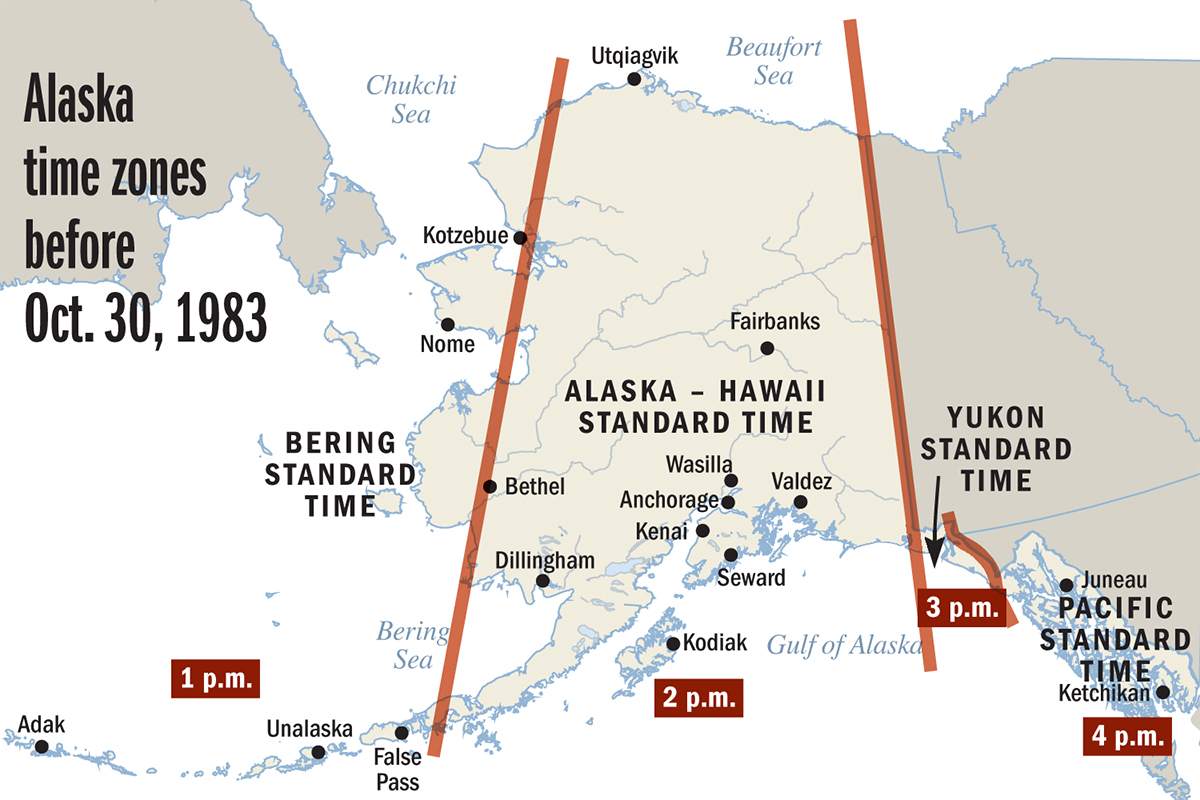
Alaska’s time zone isn’t arbitrary; it’s a direct reflection of its vast geography. As the largest state in the United States, Alaska stretches across multiple theoretical time zones. To simplify, the majority of the state, including Anchorage and its surrounding boroughs, adopts Alaska Standard Time. However, the westernmost Aleutian Islands, extending far into the Pacific Ocean, observe Hawaii-Aleutian Standard Time (HST/HADT), which is one hour behind AKST/AKDT. This ensures that even in a state as expansive as Alaska, the most densely populated areas and major economic centers like Anchorage share a common rhythm. Its proximity to the Arctic Circle also plays a crucial role in its unique daylight patterns, which are intrinsically linked to its designated time zone.
The Impact of Time on Anchorage’s Unique Travel Experience
The most profound effect of Anchorage’s time zone isn’t just the offset from other parts of the world, but how it dictates the city’s relationship with daylight. This profoundly shapes the travel experience, offering extremes that are both challenging and exhilarating.
Embracing the Extremes of Daylight
The northern latitude of Anchorage means that its daylight hours fluctuate dramatically throughout the year, especially during the summer and winter solstices. These extremes are a defining characteristic of an Anchorage visit and central to its appeal as a tourism destination.
During the summer, particularly around the Summer Solstice in June, Anchorage experiences nearly 19 hours of daylight, with twilight stretching for several more hours, creating the famed “midnight sun.” This extended period of light infuses the city with an almost boundless energy. Locals and visitors alike capitalize on the extra hours, engaging in hiking, fishing, wildlife viewing, and glacier tours late into what would be nighttime elsewhere. Restaurants stay open longer, festivals thrive, and the entire city hums with activity. The time zone, combined with the extreme daylight, means that an 8 PM dinner reservation can still feel like an early afternoon meal, and a hike up Flattop Mountain at 10 PM is not only possible but highly recommended for sunset views that linger for hours.

Conversely, the winter brings dramatically shorter days, with as little as 5-6 hours of daylight around the Winter Solstice in December. This creates a different, yet equally enchanting, atmosphere. The long nights become a canvas for the spectacular Northern Lights (Aurora Borealis), which are frequently visible in and around Anchorage on clear nights. Winter sports like skiing, snowshoeing, and ice skating dominate the daytime, while evenings are filled with cozy indoor activities, cultural events, and warming up by a fire. Visitors are encouraged to embrace the darkness, adjusting their internal clocks to the rhythm of the Alaskan winter.
Planning Your Itinerary Around Sunlight
Understanding Anchorage’s unique daylight patterns is paramount to crafting a successful itinerary. In summer, the extended daylight offers unprecedented flexibility. You can fit multiple attractions or a longer excursion into a single day without feeling rushed. Many operators offer later departure times for tours, allowing visitors to experience the beauty of Chugach State Park or a wildlife cruise well into the evening.
For winter visitors, the shorter daylight hours mean prioritizing outdoor activities during the brightest part of the day, typically from 10 AM to 4 PM. This might involve a scenic drive along the Seward Highway or a visit to the Alaska Wildlife Conservation Center. Afternoons and evenings can then be dedicated to indoor cultural experiences at the Anchorage Museum or the Alaska Native Heritage Center, followed by dinner and, weather permitting, a hunt for the Northern Lights. The best travel guides for Anchorage always emphasize accounting for these light cycles, ensuring visitors maximize their time, whether chasing the midnight sun or the aurora.
Travel Smart: Practical Considerations for Visiting Anchorage
Traveling to Anchorage involves more than just booking flights and hotels; it requires an awareness of the significant time difference and its potential effects. Smart preparation can make all the difference in ensuring a smooth and enjoyable trip.
Conquering Jet Lag and Time Zone Adjustment
For many visitors, particularly those arriving from the East Coast of the United States or international destinations in Europe or Asia, the time difference can lead to noticeable jet lag. A four-hour difference from the Eastern Standard Time zone means your body’s internal clock will be significantly out of sync.
To minimize jet lag, consider these tips:
- Gradual Adjustment: If possible, start shifting your sleep schedule by an hour or two each day in the days leading up to your trip.
- Hydration: Stay well-hydrated during your flight and upon arrival.
- Light Exposure: Upon arrival, expose yourself to natural light during Anchorage’s daytime hours to help reset your circadian rhythm. Conversely, use blackout curtains or an eye mask to block out the abundant summer daylight when trying to sleep.
- Avoid Caffeine and Alcohol: Limit these substances, especially close to bedtime, as they can disrupt sleep.
- Early Arrival: Arriving a day or two before any major scheduled activities can give your body crucial time to acclimate, allowing you to fully enjoy your initial experiences without fighting fatigue. This is particularly important for physically demanding activities like long hikes or multi-day tours.
Communication and Coordination Across Time Zones
Whether you’re visiting for leisure or business, staying connected requires an understanding of the time difference.
- Family and Friends: Inform those back home of your time zone, so they know the best times to reach you. This prevents inconvenient calls in the middle of your “night” (which might be their morning).
- Business Travel: For business travelers, scheduling meetings or calls with colleagues in other time zones demands careful calculation. It’s often helpful to use a world clock or online time zone converter to ensure you don’t inadvertently schedule a meeting for 2 AM for someone on the East Coast.
- Booking Tours and Flights: Always confirm reservation times in local Anchorage time. While most booking platforms automatically adjust, a manual check can prevent confusion, especially for early morning departures or late-night arrivals at Ted Stevens Anchorage International Airport. Tour operators and hotels in Anchorage are accustomed to working with travelers from diverse time zones and often provide clear communication regarding schedules.

Beyond the Clock: Anchorage’s Rich Tapestry of Attractions and Accommodation
While understanding Anchorage’s time zone is crucial for practical planning, it’s the city’s vibrant tourism scene, diverse landmarks, and wide range of accommodation options that truly define the visitor experience.
Top Destinations and Landmarks to Explore
Anchorage serves as a gateway to the Alaskan wilderness and a hub for cultural experiences. The extended daylight of summer particularly enhances the ability to explore these destinations:
- Chugach State Park: Just a short drive from downtown, this massive park offers incredible opportunities for hiking, wildlife viewing, and stunning panoramic views of Cook Inlet and, on clear days, Denali. Trails like the one leading to Flattop Mountain are popular for late-evening summer hikes under the midnight sun.
- Tony Knowles Coastal Trail: This paved, scenic trail stretches 11 miles from downtown Anchorage to Kincaid Park, offering breathtaking views of the inlet, the Alaska Range, and frequent opportunities to spot moose. It’s perfect for biking, walking, or rollerblading at any hour of a summer day.
- Alaska Wildlife Conservation Center: Located an hour south of Anchorage near Portage Glacier, this sanctuary provides up-close encounters with Alaska’s iconic wildlife, including bears, moose, musk oxen, and caribou.
- Cultural Immersion: The Anchorage Museum offers insights into Alaskan art, history, and science, while the Alaska Native Heritage Center provides a deeper understanding of the state’s diverse indigenous cultures through traditional dances, storytelling, and recreated village sites. These are excellent choices for any time of day, especially on shorter winter days.
- Girdwood and Alyeska Resort: A scenic 45-minute drive south leads to Girdwood, home to Alyeska Resort, Alaska’s premier ski destination in winter and a scenic gondola ride in summer. This offers another perspective on Alaska’s natural beauty and recreational opportunities.
Finding Your Ideal Stay: Hotels and Accommodation in Anchorage
Anchorage’s accommodation landscape caters to every lifestyle and budget, from luxury hotels to budget-friendly motels and apartments for long-term stays. Booking in advance, especially for the peak summer season when the extended daylight draws in hordes of tourists, is highly recommended.
- Luxury Options: For those seeking premium comfort, hotels like the iconic Hotel Captain Cook in downtown Anchorage offer exquisite suites, fine dining, and impressive views of Cook Inlet and the surrounding mountains. Other upscale choices include the Hilton Anchorage and Marriott Downtown, both providing excellent amenities and convenient access to city attractions.
- Mid-Range and Budget: Numerous mid-range hotels and motels provide comfortable stays without breaking the bank. These often come with essential amenities like complimentary breakfast, shuttle services, and fitness centers, making them ideal for family trips or budget travel.
- Unique Stays: For a more local or adventurous experience, consider booking a cabin rental on the outskirts of the city, a cozy bed and breakfast, or even a vacation rental apartment for extended visits. These options often offer a glimpse into the local culture and a chance to truly settle into the Alaskan rhythm.
- Location, Location, Location: Whether you choose a hotel near the vibrant downtown area for easy access to restaurants and shops, or a more secluded resort closer to the wilderness, your accommodation choice will significantly impact your trip. Many hotels offer tour booking services and local guides, further streamlining your Anchorage adventure.
In conclusion, understanding that Anchorage, Alaska, observes Alaska Standard Time (AKST) is foundational for any visitor. This time zone not only dictates the clock’s numerals but fundamentally shapes the city’s unique relationship with daylight, influencing seasonal experiences, travel planning, and the vibrant lifestyle of this remarkable northern city. Embrace the extremes, plan wisely, and prepare to be captivated by Anchorage’s timeless allure.
LifeOutOfTheBox is a participant in the Amazon Services LLC Associates Program, an affiliate advertising program designed to provide a means for sites to earn advertising fees by advertising and linking to Amazon.com. Amazon, the Amazon logo, AmazonSupply, and the AmazonSupply logo are trademarks of Amazon.com, Inc. or its affiliates. As an Amazon Associate we earn affiliate commissions from qualifying purchases.