
Planning a trip to the Empire State, whether for the iconic sights of New York City or the natural beauty of Niagara Falls and the Adirondacks, involves budgeting for more than just flights and accommodation. Understanding the local tax landscape, particularly the New York State Sales Tax, is crucial for any traveler or prospective resident. This comprehensive guide will demystify sales tax in New York, explaining how it impacts your travel budget, from booking hotels and dining out to shopping for souvenirs and experiencing the vibrant local culture. By grasping these details, you can plan your visit more effectively, avoid unexpected costs, and fully immerse yourself in all that New York State has to offer.
Understanding the Foundation: New York State Sales Tax Basics
The sales tax in New York State is a consumption tax imposed on the sale of certain goods and services. Unlike some other taxes, it’s typically added at the point of sale, making it an immediate consideration for anyone purchasing items or utilizing services within the state. For travelers, this means the price you see on a menu or a clothing tag might not be the final price you pay.
The fundamental structure of New York State Sales Tax is a combination of a statewide rate and additional local rates.
The Statewide Sales Tax Rate
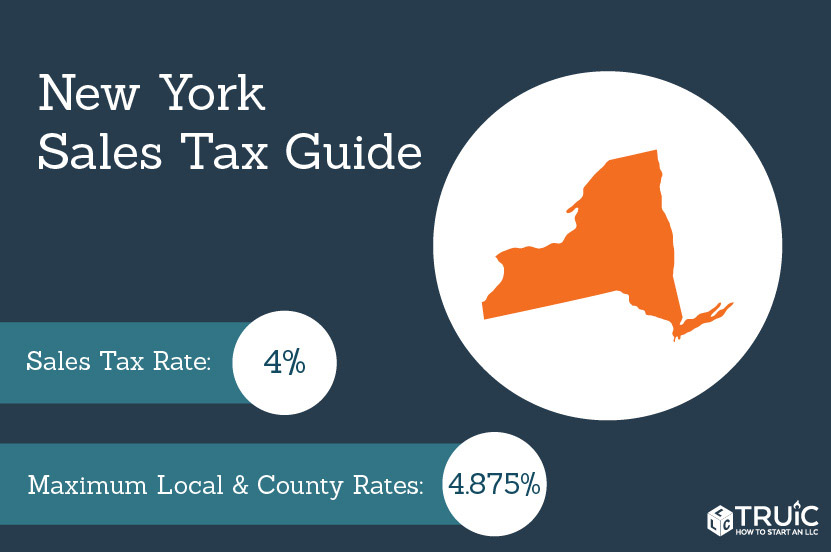
The baseline sales tax rate across all of New York State is 4%. This uniform rate applies to all taxable transactions, irrespective of the county or city. However, it’s rare to encounter a situation where you only pay this 4% rate, as most localities add their own taxes on top of it.
Local Sales Tax Rates and the Combined Rate
Beyond the state’s 4%, counties and cities within New York are authorized to impose their own sales taxes. These local taxes vary significantly, resulting in a combined sales tax rate that differs from one region to another. For instance, a purchase made in Albany will likely have a different total sales tax percentage than an identical purchase made in New York City or near the Finger Lakes region.
The most famous example, and certainly the most relevant for many tourists, is New York City. The city itself consists of five boroughs – Manhattan, Brooklyn, Queens, The Bronx, and Staten Island – all sharing a common combined sales tax rate. As of the time of writing, the combined sales tax rate in New York City is generally 8.875%. This figure comprises the 4% state tax, a 4.5% New York City local tax, and a 0.375% Metropolitan Commuter Transportation District (MTA) surcharge. This higher rate in popular tourist destinations means that items and services will cost more than they would in areas with only the base state tax, a crucial detail for budgeting your trip.
It’s important to remember that these rates can change, so always check the most current information, especially for significant purchases or long-term stays. The impact of these additional percentages, even if they seem small individually, can accumulate quickly, particularly when considering larger expenditures like multiple nights in a luxury hotel or extensive shopping.
Sales Tax in the Traveler’s Budget: Accommodation, Dining, and Shopping
When you travel, your expenses typically fall into a few key categories: where you stay, what you eat, and what you buy. The New York State Sales Tax affects each of these areas, and understanding how can significantly refine your travel budget.
Accommodation: Hotels, Resorts, and Rentals
For many visitors, accommodation is the single largest expense. The sales tax treatment of accommodation services can be complex, as it often involves more than just the standard sales tax rate.
- Hotel and Motel Rooms: Generally, the rental of hotel rooms, motel rooms, bed-and-breakfasts, and other similar transient accommodation is subject to the combined state and local sales tax. For example, in New York City, a standard hotel room will incur the 8.875% sales tax.
- Hotel Occupancy Tax: In addition to the sales tax, many cities and counties, especially popular tourist spots like New York City, also impose a separate “hotel occupancy tax” or “lodging tax.” This is a distinct tax that is levied on top of the sales tax. For example, New York City has a 5.875% occupancy tax per room per night, plus an additional charge (e.g., $1.50) per room per night. This can add a substantial amount to your stay. If you’re booking a resort or a boutique hotel, remember to factor in both the sales tax and the occupancy tax to get the true cost of your stay.
- Short-Term Rentals: Services like Airbnb or other short-term apartment or villa rentals are generally subject to similar sales and occupancy taxes as traditional hotels, though regulations can vary by locality. Always confirm the total price, including all taxes and fees, before finalizing your booking. These additional charges can significantly inflate the listed nightly rate, so proactive research during your accommodation planning is highly recommended.
Dining and Food Purchases
Food is another essential aspect of any travel experience, from grabbing a quick snack to enjoying a luxurious meal. The application of sales tax on food depends largely on how and where the food is prepared and consumed.
- Prepared Food: Meals purchased at restaurants, diners, cafes, and other establishments where food is prepared for immediate consumption are typically subject to the full combined state and local sales tax rate. This includes dine-in, takeout, and delivery orders. So, that gourmet pizza in Brooklyn, the deli sandwich in Manhattan, or the fine dining experience in Saratoga Springs will all have sales tax added to the bill.
- Unprepared Food: Most unprepared food items, such as groceries purchased from supermarkets or grocery stores for consumption at home or in your apartment rental, are exempt from New York State Sales Tax. This exemption applies to staples like fresh produce, meats, dairy, and packaged goods. This is a significant distinction for budget travelers who might opt to cook some of their meals.
- Certain Prepared Food Exceptions: There can be nuances. For example, certain beverages (like soda, but not usually milk or juice) might be taxed even if purchased from a grocery store. Additionally, items considered “candy” are generally taxable, while “food for human consumption” is not. The rule of thumb: if it’s ready-to-eat from a restaurant or similar vendor, expect to pay sales tax.
Shopping: Souvenirs, Clothing, and Luxury Items
Shopping is an integral part of the travel lifestyle for many, whether it’s for souvenirs at Times Square, fashion on 5th Avenue, or unique finds in local markets.
- Most Tangible Personal Property: The vast majority of tangible personal property purchased in New York is subject to sales tax. This includes electronics, books, gifts, home goods, and various souvenirs you might pick up from popular attractions like the Empire State Building or the Statue of Liberty.
- Clothing and Footwear Exemption (New York City Specific): This is a critical point for shoppers in New York City. Clothing and footwear items that cost less than $110 per item are exempt from the combined 8.875% local sales tax. This exemption is highly beneficial, especially for budget travelers or those looking for everyday apparel. However, if an item of clothing or footwear costs $110 or more, the entire amount is subject to the sales tax. This exemption applies only to the local New York City portion; the 4% state sales tax is still collected. In practical terms, this means items under $110 have a 4% sales tax, while items $110 and over have an 8.875% sales tax in New York City. It’s important to note that this specific exemption is not statewide; in many other parts of New York State, clothing and footwear are subject to the full combined sales tax rate, unless there’s a specific local exemption. Always check the rules for the specific county you are shopping in.
- Services: Most personal services (like salon services, gym memberships, or dry cleaning) are generally not subject to sales tax in New York, unless specifically enumerated by law. However, services tied directly to tangible goods, such as repair services that include parts, might be taxed on the parts.
Navigating Exemptions and Special Cases for Visitors
While the general rules for New York State Sales Tax cover most scenarios, there are specific exemptions and situations that travelers should be aware of. Understanding these can help you manage your expenses more effectively.
Common Exemptions Beyond Clothing/Footwear
- Newspapers and Periodicals: Most newspapers and magazines are exempt from sales tax.
- Medical Items: Prescription medications, certain over-the-counter drugs, and medical equipment are typically exempt.
- Digital Goods and Services: This is a rapidly evolving area. While many traditional “goods” are taxed, purely digital products (like streaming services, e-books without a physical component, or software downloads) may have different tax treatments. For travelers, this might impact subscriptions or digital purchases made while in the state.
- Public Transportation: Fares for public transportation, such as subways, buses, and commuter trains operated by the MTA or other agencies, are not subject to sales tax. This is great news for exploring New York City and its surrounding areas.
- Admission to Certain Cultural Institutions: While admission to many tourist attractions like theme parks or concerts is taxed, some non-profit museums, art galleries (Metropolitan Museum of Art, Museum of Modern Art), and cultural landmarks may offer tax-exempt admission, especially if they operate as educational or charitable institutions. Always check with the specific venue for details.
What About Tax Refunds for Tourists?
Unlike some countries in Europe or Asia, the United States generally does not offer sales tax refunds to international tourists or visitors from other states. The sales tax is applied at the point of sale and is considered a final cost for the consumer. Therefore, if you are visiting from Canada or overseas, plan your budget assuming that all applicable sales taxes will be an unrecoverable part of your expenditures. This absence of a refund system makes understanding and budgeting for sales tax even more critical for international visitors.
Practical Strategies for a Tax-Savvy Trip to New York
Being informed about New York State Sales Tax can help you maximize your travel experience without financial surprises. Here are some practical tips for incorporating tax awareness into your New York adventure:
1. Factor in Sales Tax from the Start
When planning your budget, don’t just consider the listed prices for goods, services, and accommodation. Always add the estimated sales tax and any specific occupancy taxes to get a more accurate total. For a trip to New York City, a good rule of thumb for most purchases is to mentally add about 9% to the price, and even more for hotel stays.
2. Leverage the Clothing and Footwear Exemption in NYC
If you’re planning a shopping spree in New York City, strategically purchase clothing and footwear items individually if they fall under the $110 threshold to avoid the higher local sales tax. For instance, buying two shirts at $100 each will result in only the 4% state tax, whereas buying one $200 jacket will incur the full 8.875%. This is a notable advantage for fashion-conscious visitors or those looking to refresh their wardrobe on a budget. Consider visiting outlets like Woodbury Common Premium Outlets for broader savings, though remember that the specific New York City clothing exemption does not apply outside the city’s five boroughs.
3. Dine Smartly
To save on food costs, especially on a budget travel plan, balance your restaurant meals with purchases of unprepared groceries. Stock up on snacks, drinks, and ingredients for simple meals from supermarkets to take advantage of the sales tax exemption on most unprepared food items. This strategy is particularly effective if your accommodation includes a kitchenette or access to shared cooking facilities.
4. Understand Online Purchase Implications
If you order items online while in New York and have them shipped to your temporary address (e.g., your hotel or rental), sales tax will generally apply based on the delivery location. This is relevant for travelers who might order souvenirs or necessities online rather than buying them in physical stores.
5. Review Bills Carefully
Always double-check your receipts and bills, especially in restaurants and hotels. Ensure that the sales tax and any specific local taxes (like hotel occupancy tax) are correctly applied. Mistakes can happen, and a quick review can prevent overcharges. For hotels, make sure you understand the breakdown of room rate, sales tax, and occupancy tax, particularly when comparing different options on booking platforms. Transparency in booking and clear breakdowns in reviews can help in making informed choices.
6. Explore Beyond New York City for Different Rates
While New York City is a major draw, exploring other parts of New York State like the scenic Hudson Valley, the tranquil Hamptons, or the historical sites upstate might reveal different combined sales tax rates. Sometimes, a short drive can lead to areas with slightly lower tax burdens on general purchases, though the difference might not be significant enough to warrant a specific tax-saving trip, it’s good to be aware.
Conclusion
Understanding “What Is New York State Sales Tax?” is more than just knowing a percentage; it’s about making informed financial decisions that enhance your travel experience. From securing the perfect suites for your stay to indulging in the vibrant food scene or exploring the countless attractions like Central Park, Broadway shows, or Grand Central Terminal, sales tax will be a consistent, albeit sometimes hidden, factor. By preparing in advance, budgeting wisely, and being aware of exemptions, you can confidently navigate the financial landscape of New York and focus on creating unforgettable memories, whether you’re admiring the views from One World Observatory or enjoying the local cuisine. Enjoy your tax-savvy adventure in the Empire State!
LifeOutOfTheBox is a participant in the Amazon Services LLC Associates Program, an affiliate advertising program designed to provide a means for sites to earn advertising fees by advertising and linking to Amazon.com. Amazon, the Amazon logo, AmazonSupply, and the AmazonSupply logo are trademarks of Amazon.com, Inc. or its affiliates. As an Amazon Associate we earn affiliate commissions from qualifying purchases.