
For anyone considering a move to the Lone Star State, embarking on an extended Texas road trip, or simply managing the responsibilities of vehicle ownership within its vast borders, understanding the cost of auto registration is a fundamental step. Texas offers an unparalleled tapestry of experiences, from the vibrant urban landscapes of Houston and Dallas to the serene beauty of the Texas Hill Country and the rugged expanse of Big Bend National Park. Having a properly registered vehicle is not just a legal requirement; it’s your ticket to exploring these diverse destinations and immersing yourself in the unique Texas lifestyle.
Vehicle registration fees in Texas are not a single, fixed number. Instead, they comprise a combination of state-mandated fees, county-specific charges, and other associated costs that can vary depending on your location, the type of vehicle, and how you acquire it. Budgeting for these expenses is crucial for residents and long-term visitors alike, ensuring smooth travel and avoiding unnecessary penalties. This guide will break down the components of auto registration costs, illuminate other mandatory expenses, and walk you through the process, all while connecting these practicalities to the broader experience of life and travel in Texas.
Understanding the Core Costs: State and Local Fees
The foundation of auto registration in Texas is built upon several layers of fees, some universal across the state, and others determined at the local level. These charges contribute to various essential services, from maintaining the extensive road networks that crisscross the state to funding local initiatives. Understanding each component is key to accurately predicting your total cost.
The Base State Registration Fee
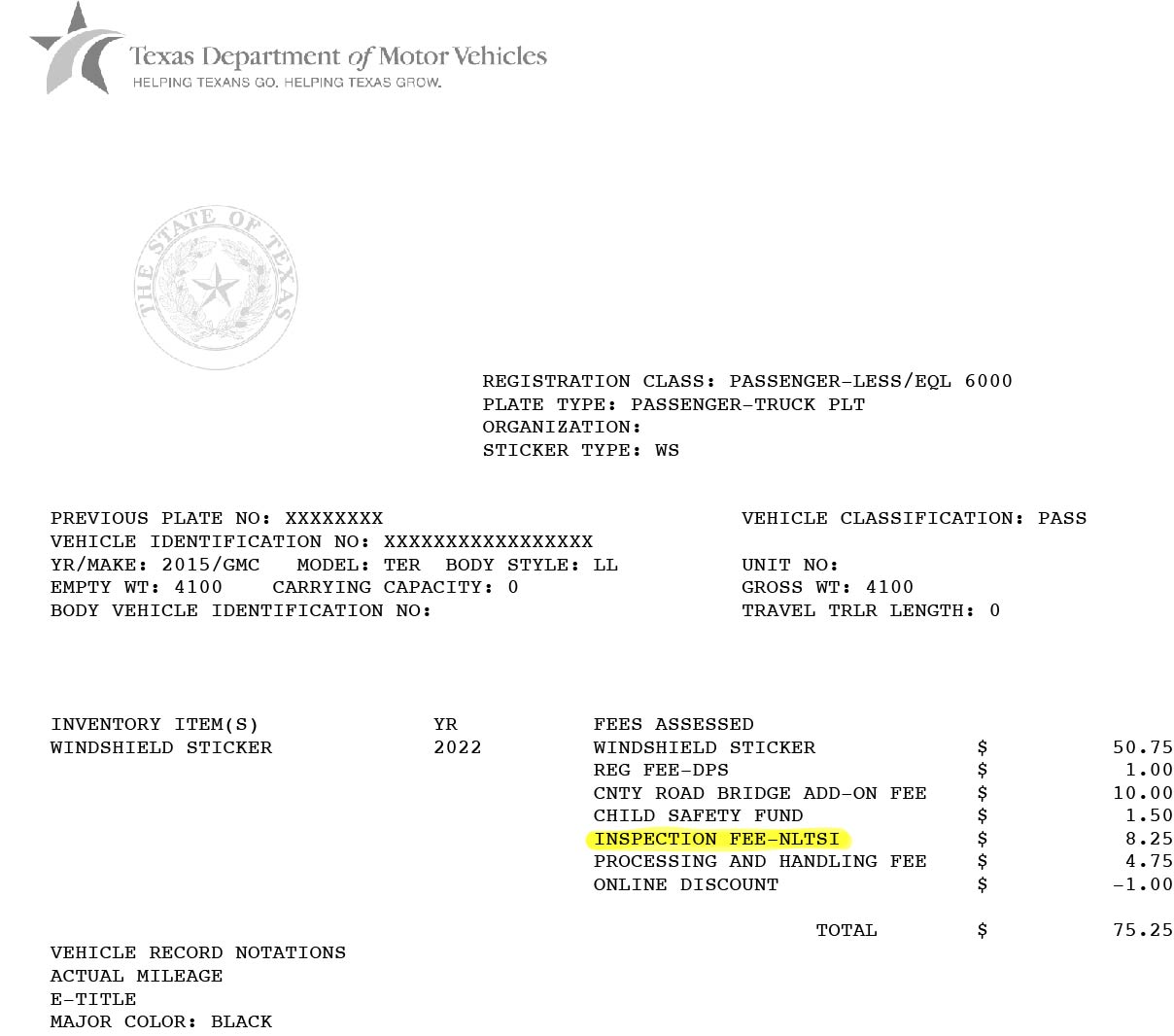
At the heart of the registration cost is the state’s base fee. As of current regulations, this fee typically stands at approximately $50.75 for most passenger vehicles. This standardized charge is applied statewide, regardless of which county you reside in. The revenue generated from this fee primarily supports the administration of the Texas Department of Motor Vehicles (TxDMV) and contributes significantly to the upkeep and improvement of Texas’s vast network of highways and roads. This consistent fee ensures that a baseline level of funding is available for infrastructure projects, which are vital for both daily commuting and the extensive road trips many undertake to explore the state’s iconic landmarks and natural beauty.
County-Specific Road and Bridge Fees
Beyond the state fee, many counties in Texas levy their own additional charges known as Road and Bridge fees. These fees are authorized at the county level and are specifically earmarked for local road maintenance, bridge repairs, and other transportation infrastructure within that particular county. The amount can vary, but it’s typically an additional $10.00. This means that while the state fee is constant, your total registration cost will fluctuate based on where you live or register your vehicle. For instance, registering a vehicle in Harris County (home to Houston) might incur a slightly different combined fee than in Dallas County (Dallas), or a more rural county in the panhandle. These local contributions are crucial for ensuring that even secondary roads, often used to access charming small towns or remote natural attractions, remain in good condition.
Additional Local Optional Fees
In some cases, specific cities or counties may have the authority to impose further optional fees on vehicle registration. These additional charges are less common but can exist, often to fund specific local projects or services related to transportation or environmental initiatives. While these fees are usually minor, they contribute to the slight variations in total registration costs across the state. It’s always advisable to check with your specific county tax assessor-collector’s office or the official Texas Department of Motor Vehicles website for the most accurate and up-to-date breakdown of fees applicable to your exact location, be it Austin, San Antonio, El Paso, or any other part of the state. These localized fees underscore the importance of understanding the specific financial landscape of your chosen Texas destination, especially when planning for long-term stays or relocation.
Beyond Registration: Other Mandatory Expenses
While the registration sticker and license plates are the most visible signs of compliance, several other mandatory expenses are inextricably linked to owning and operating a vehicle in Texas. These costs are not part of the registration fee itself but are prerequisites or essential components of legal vehicle ownership that directly impact your total annual expenditure and your ability to register your vehicle.
The Crucial Vehicle Inspection
Before you can renew your vehicle registration in Texas, your vehicle must pass a state-mandated safety inspection, and in some urban areas, an emissions inspection as well. This annual requirement ensures that vehicles on Texas roads meet minimum safety and environmental standards, contributing to safer driving conditions for everyone, from daily commuters to tourists exploring the Texas Gulf Coast. The cost of these inspections typically ranges from $7 to $25, depending on whether an emissions test is required and the inspection station’s specific charges. You’ll receive a Vehicle Inspection Report (VIR) once your vehicle passes, and this report is electronically submitted to the state, making the registration renewal process smoother. For travelers, ensuring your vehicle is up to par before hitting the road for a cross-state adventure to destinations like Padre Island National Seashore or the historic Alamo provides crucial peace of mind regarding safety and reliability.
Sales Tax and Title Transfer Fees
For those purchasing a new or used vehicle in Texas, or moving from out-of-state and titling their vehicle in Texas for the first time, motor vehicle sales tax and title transfer fees are significant considerations. Texas imposes a 6.25% motor vehicle sales tax on the purchase price of the vehicle, or on the vehicle’s “standard presumptive value” if the purchase price is lower than market value (to prevent under-reporting). This is a substantial upfront cost that can sometimes overshadow annual registration fees. Additionally, a title transfer fee of approximately $33 is charged to legally transfer ownership and record the new title. These costs are especially relevant for individuals planning an extended stay or relocation, who might consider purchasing a vehicle rather than relying on rentals. Understanding these initial expenses is key to comprehensive financial planning, whether for a new local lifestyle or for setting up a base for extensive travel and exploration across the state.

The Non-Negotiable Auto Insurance
While not directly paid as part of the vehicle registration process, valid auto insurance is a mandatory requirement to legally operate a vehicle in Texas and is a prerequisite for registration. Texas law mandates specific minimum liability coverage to protect against financial losses in the event of an accident. Proof of current insurance is required at the time of registration or renewal. The cost of auto insurance varies widely based on factors such as your driving record, vehicle type, age, and location. For instance, insurance premiums might differ between urban centers like Houston or Dallas and more rural areas. Beyond legal compliance, adequate insurance provides vital financial protection and peace of mind, especially when navigating unfamiliar roads during your Texas adventures, whether you’re driving to a luxurious resort in Austin or exploring the historic sites of San Antonio. It’s an indispensable part of responsible vehicle ownership and budgeting for your Texas lifestyle.
The Registration Process: A Step-by-Step Guide
Navigating the bureaucracy of vehicle registration can seem daunting, but the process in Texas is relatively straightforward once you understand the steps and required documentation. Whether you’re a new resident or simply renewing your annual tags, a clear understanding ensures a hassle-free experience, allowing you more time to enjoy the state’s many offerings.
Documents You’ll Need
Preparation is key to a smooth registration or renewal process. You’ll need to gather several essential documents to present to the authorities. These typically include:
- Proof of financial responsibility: This means your current auto insurance card or policy declaration, verifying you meet the state’s minimum liability requirements.
- Vehicle Inspection Report (VIR): As discussed, your vehicle must pass its annual safety (and emissions, if applicable) inspection before you can renew registration. The VIR is electronically submitted, but it’s good practice to keep a copy.
- Vehicle title or proof of ownership: For new registrations or title transfers, you’ll need the original vehicle title, manufacturer’s certificate of origin, or other proof of legal ownership. For renewals, the existing registration certificate will suffice.
- Valid identification: A current driver’s license or other government-issued ID is necessary to verify your identity.
- Payment for fees: Be prepared to pay the applicable state and county registration fees, as well as any other local charges.
Having these documents readily available will significantly expedite your visit to the county tax assessor-collector’s office or simplify an online renewal. This meticulous approach is akin to preparing for any major travel itinerary, ensuring all necessary documentation is in order for a seamless journey through Texas.
Where to Register and Renew
Texas offers several convenient options for vehicle registration and renewal, catering to different preferences and situations.
- County Tax Assessor-Collector’s Office: This is the primary point of contact for new registrations, title transfers, and in-person renewals. Each county has an office, and you can visit during business hours. This option is ideal for complex situations or if you prefer direct assistance.
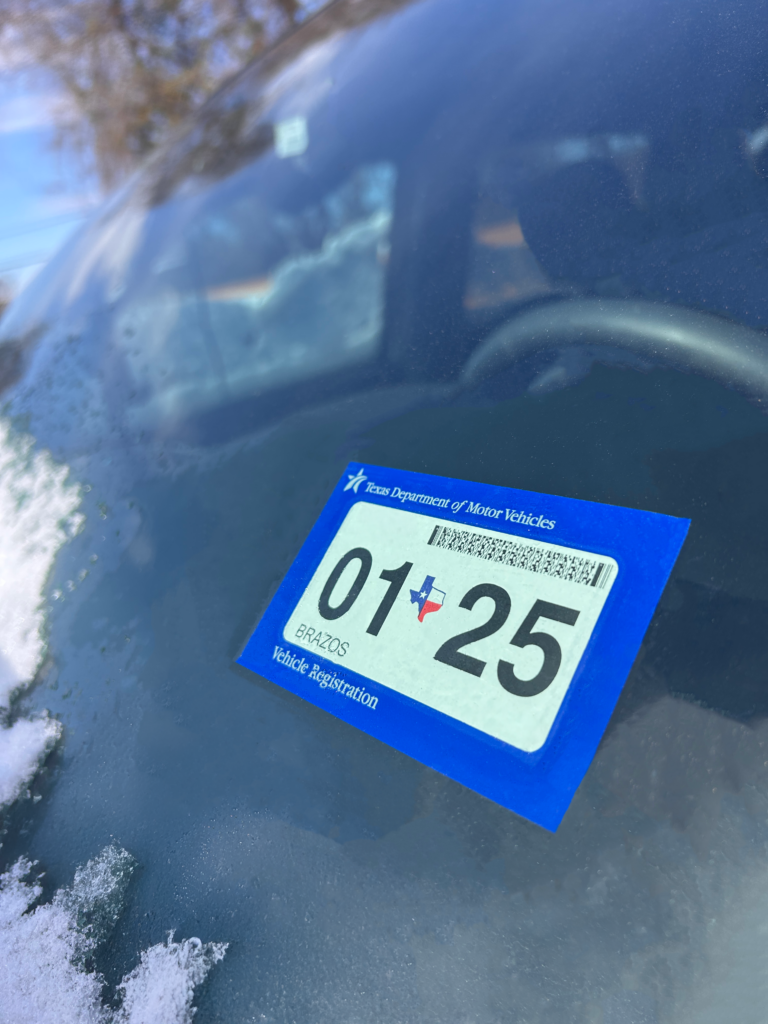
- Online Renewal: For most renewals, the easiest and quickest method is often online through the official Texas Department of Motor Vehicles (TxDMV) website. As long as your vehicle has passed inspection and your insurance is current, you can complete the process from the comfort of your home or your temporary Texas accommodation. Your new sticker and registration card will be mailed to you.
- Mail Renewal: You can also renew by mail, following the instructions on your renewal notice. This is a good option if you prefer not to use online services but can’t visit an office in person.
- Local Sub-Contractors: Many counties also contract with certain local businesses, like some grocery stores or inspection stations, to process renewals. These locations often provide extended hours and can be a convenient alternative.
These flexible options underscore Texas’s commitment to accessibility, making it easier for residents and long-term visitors to stay compliant, whether they’re based in Houston, exploring Galveston, or living in the remote areas near Big Bend National Park.
What Happens If You’re Late?
Ignoring your vehicle registration renewal deadline can lead to several undesirable consequences. Texas law mandates that vehicles display current registration stickers. If you’re caught driving with an expired registration, you could face:
- Fines: Significant monetary penalties are common for expired tags, which can easily outweigh the cost of timely renewal.
- Additional Fees: Late renewal fees may also be applied, further increasing your overall cost.
- Vehicle Impoundment: In more severe cases, or if you’re significantly past due, your vehicle could be impounded, leading to towing and storage fees on top of the fines and renewal costs.
- Court Appearances: You may be issued a citation requiring a court appearance.
For those on a carefully planned Texas itinerary, such disruptions can be particularly inconvenient and costly. Keeping track of your expiration date and renewing promptly is a simple yet crucial step in ensuring your personal journey through Texas remains enjoyable and uninterrupted. It’s a small administrative task that has a big impact on your overall freedom to explore.
Vehicle Registration and the Texas Lifestyle
Understanding and managing auto registration costs is more than just a legal obligation; it’s an integral part of embracing the Texas lifestyle. The ability to move freely and independently across this vast and diverse state is a cornerstone of living, working, and traveling here.
Exploring Texas: Freedom on Four Wheels
Texas is a state built for the open road. With a properly registered vehicle, you unlock unparalleled freedom to explore its myriad attractions, from the vibrant arts scene of Austin to the historical depth of San Antonio, home to the iconic Alamo. Imagine spontaneous road trips through the picturesque Texas Hill Country, with its wineries and scenic drives, or embarking on an epic journey to Big Bend National Park for stargazing and hiking. Your registered vehicle is your gateway to the sun-kissed beaches of South Padre Island and the unique ecological wonders of Padre Island National Seashore.
Urban explorers can delve into the scientific marvels at Space Center Houston or navigate the bustling districts of Dallas for world-class dining and shopping. For those seeking authentic Texas tourism experiences, a vehicle allows access to hidden gems, local festivals, and remote landmarks that public transportation might not reach. This mobility is central to both everyday life and ambitious travel plans, making the relatively modest investment in vehicle registration incredibly valuable for anyone wishing to fully immerse themselves in the spirit of Texas.
Budgeting for Your Texas Adventures
Incorporating vehicle registration costs into your overall financial planning is essential, whether you’re sketching out a budget travel plan for an extended Texas vacation or settling into a luxury travel lifestyle. These fees, while small in isolation, are part of the broader expenses associated with vehicle ownership, which also include fuel, insurance, maintenance, and potential parking fees. For those considering a long-term stay, comparing the ongoing costs of vehicle ownership (including registration) versus the convenience and flexibility of long-term car rentals can be a critical budgeting decision.
If your Texas adventure involves purchasing a vehicle, remember to factor in the substantial sales tax and title transfer fees on top of the annual registration. For families planning extensive trips, understanding these costs allows for better allocation of funds towards accommodation (from cozy hotels to spacious villas), attractions, and unique experiences across the state. By meticulously accounting for auto registration and related expenses, you ensure that your focus remains on enjoying all the incredible opportunities Texas has to offer, rather than being sidetracked by unexpected administrative hurdles. It’s an investment that pays dividends in freedom, flexibility, and unforgettable travel memories.
In conclusion, understanding “How Much Is Auto Registration In Texas?” reveals a multi-faceted answer, encompassing state base fees, county-specific road and bridge charges, and additional local options. Beyond the sticker price, mandatory vehicle inspections, sales tax on new purchases, and essential auto insurance all contribute to the true cost of operating a vehicle. While these expenses are a necessary part of responsible vehicle ownership, they are a small price to pay for the unparalleled freedom and opportunity they provide to explore the vast, vibrant, and diverse landscapes and cities of Texas. By proactively budgeting and managing these administrative requirements, you ensure that your Texas journey—whether a lifelong residence or an adventurous exploration—remains smooth, compliant, and ultimately, profoundly rewarding.
LifeOutOfTheBox is a participant in the Amazon Services LLC Associates Program, an affiliate advertising program designed to provide a means for sites to earn advertising fees by advertising and linking to Amazon.com. Amazon, the Amazon logo, AmazonSupply, and the AmazonSupply logo are trademarks of Amazon.com, Inc. or its affiliates. As an Amazon Associate we earn affiliate commissions from qualifying purchases.