
Texas, often referred to as the Lone Star State, is a land of myth, legend, and undeniable grandeur. For first-time visitors and seasoned travelers alike, one question invariably comes to mind: just how big is Texas? The answer isn’t merely a number on a map; it’s an experience that unfolds across diverse landscapes, vibrant cities, and countless unique attractions. From its expansive deserts to its sun-kissed coastlines, Texas offers a scale of adventure that few other places in the United States can match. Understanding its sheer size is the first step in appreciating the boundless travel opportunities, diverse accommodations, and rich cultural experiences that await within its borders. It’s a state so vast it encompasses climates, cultures, and culinary traditions that feel like distinct countries, making every journey here a deep dive into an authentic American narrative.
A Geographical Giant: Understanding Texas’s Scale
To truly grasp the magnitude of Texas, one must look beyond its state lines and consider its proportions on a global and national scale. This isn’t just another state; it’s an empire unto itself, a testament to geographical diversity and immense natural beauty.
Comparing Texas to Other Regions
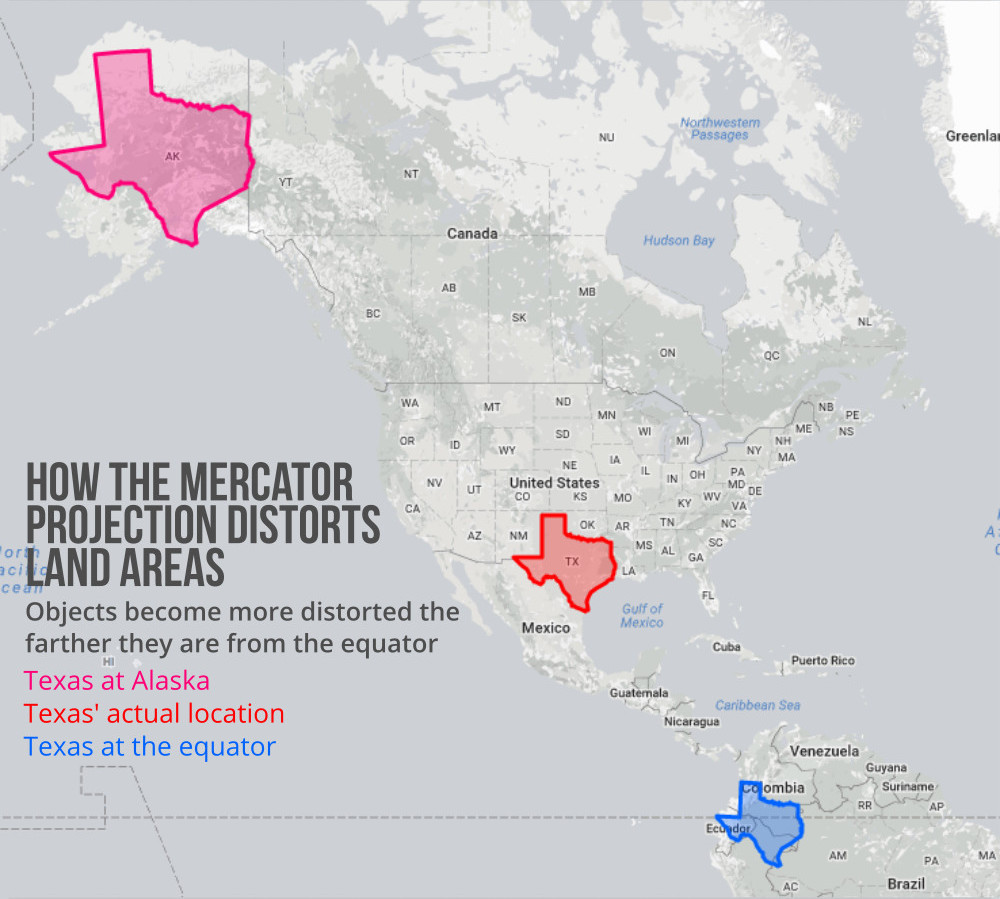
With a land area spanning approximately 268,596 square miles (695,662 square kilometers), Texas holds the distinction of being the second-largest state in the United States, surpassed only by Alaska. However, to put this into a more relatable context for international travelers, consider this: Texas is larger than many European countries combined. It’s bigger than France (247,000 square miles), nearly twice the size of Germany (137,800 square miles), and comfortably dwarfs both Spain (195,000 square miles) and the United Kingdom (94,000 square miles). You could fit several smaller European nations within its borders with room to spare, demonstrating why travel within the state often feels like an international journey.
This vastness also influences its diverse ecosystems. The state boasts a substantial coastline along the Gulf of Mexico, stretching for over 367 miles, providing ample opportunities for beach holidays, fishing expeditions, and coastal wildlife viewing. Its westernmost points border New Mexico and Mexico, while its eastern edges meet Louisiana and Arkansas, and its northern border touches Oklahoma. These extensive borders mean a kaleidoscope of influences, from desert landscapes to pine forests, and from rolling hills to vast plains. The sheer scale dictates that any visit to Texas requires careful planning, as trying to see it all in a single trip is an endeavor worthy of a lifetime.
Driving Across the Lone Star State
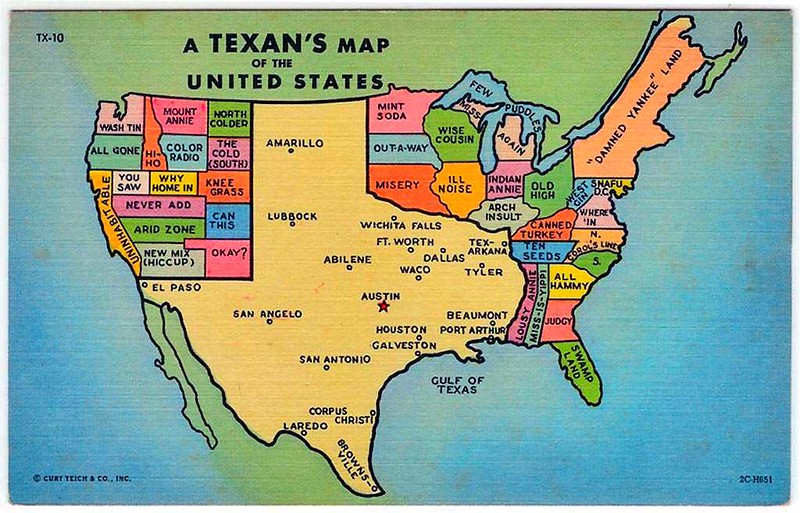
The true measure of Texas’s size often hits travelers when they embark on a cross-state road trip. Driving from Texarkana in the northeast to El Paso in the far west can take upwards of 12-13 hours of continuous driving, covering over 800 miles. Similarly, traversing from the northern tip of the Panhandle near Amarillo down to the southern coast at Brownsville can be an 11-12 hour trek, spanning roughly 750 miles. These aren’t short hops; these are significant journeys that demand stamina, good company, and a well-curated playlist.
This geographical reality shapes the travel experience. A “weekend getaway” in Texas often implies exploring a single region thoroughly, rather than attempting to hop between wildly different locales. For example, a trip focused on the vibrant culture of Austin and San Antonio would take days, while venturing to the stark beauty of Big Bend National Park in West Texas requires dedicated travel time simply to reach its remote grandeur. The vast distances also mean that landscapes change dramatically, from the lush, green Piney Woods of East Texas to the arid, mountainous terrain near Guadalupe Mountains National Park. Each mile driven reveals another facet of this enormous state, making the journey as much a part of the destination as the attractions themselves.
Beyond the Miles: Diverse Landscapes and Experiences
The immense size of Texas isn’t just about how many square miles it covers; it’s about the incredible diversity packed within those miles. This geographical variety translates directly into a spectrum of travel experiences, ensuring there’s something for every type of adventurer.
From Coastal Beauty to Desert Majesty
Texas is a land of contrasts, boasting everything from subtropical beaches to rugged mountain ranges. Along the Gulf Coast, destinations like Galveston and Corpus Christi offer sandy shores, historical piers, and fresh seafood. South Padre Island is famous for its vibrant spring break scene and pristine natural beauty, particularly its birdwatching opportunities and the Padre Island National Seashore, the longest undeveloped barrier island in the world. Here, you can immerse yourself in marine life, enjoy water sports, or simply relax under the Texas sun.
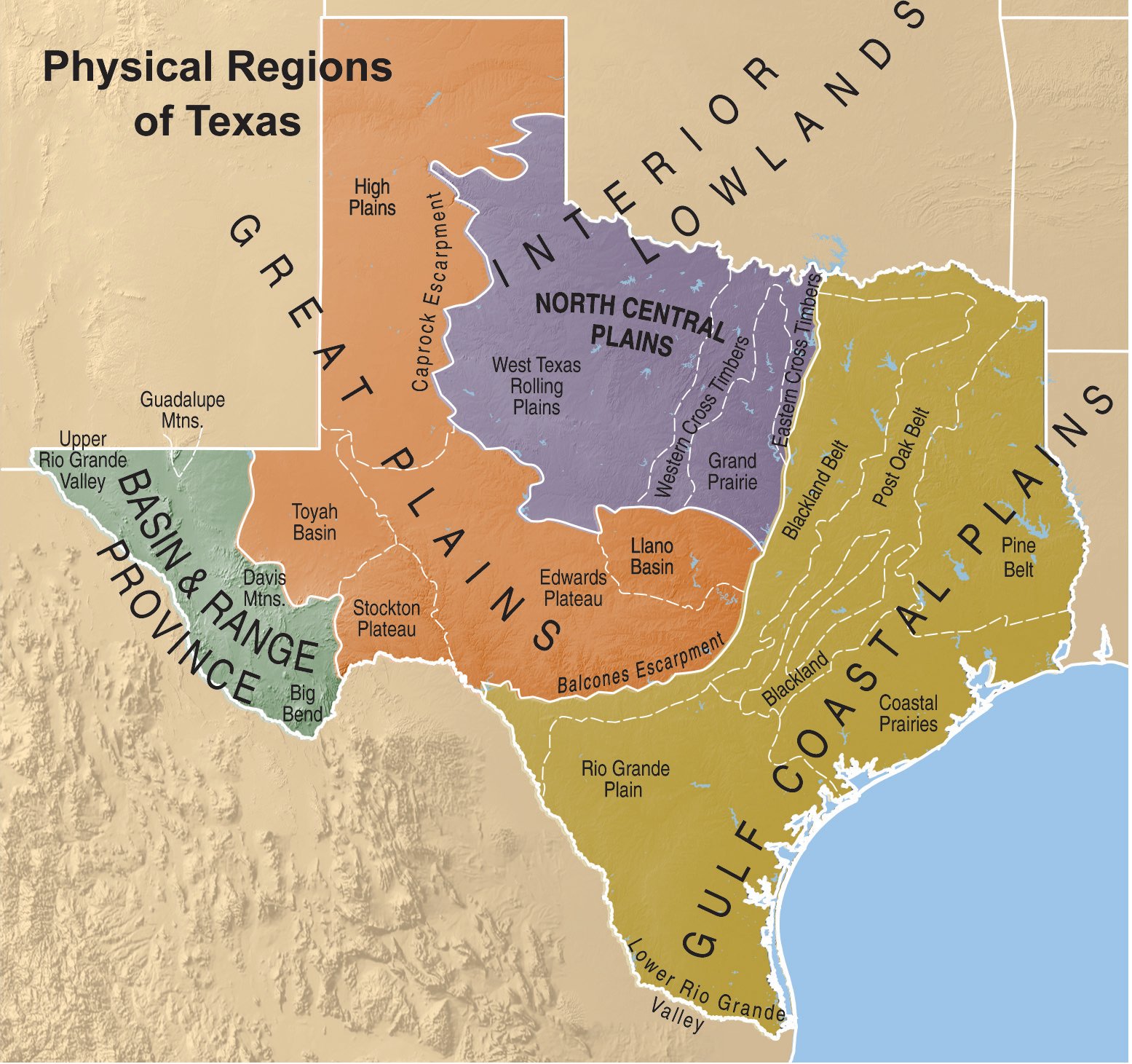
Moving inland, the landscape transforms dramatically. The central part of the state is home to the picturesque Texas Hill Country, characterized by rolling hills, spring-fed rivers, charming small towns, and vineyards. This region, encompassing areas around Fredericksburg, Wimberley, and New Braunfels, is perfect for outdoor activities like hiking, swimming in natural springs, and exploring historic German settlements. Further east, the Piney Woods region resembles the deep south, with dense forests, tranquil lakes, and a slower pace of life, ideal for camping, fishing, and boating.
Then there’s the awe-inspiring West Texas, a realm of vast deserts, dramatic canyons, and towering mountains. Big Bend National Park, one of the largest and most remote national parks in the United States, offers unparalleled stargazing, rugged hiking trails, and breathtaking views of the Chisos Mountains and the Rio Grande. Nearby, Guadalupe Mountains National Park is home to the highest peak in Texas, Guadalupe Peak, providing challenging climbs and stunning desert vistas. This incredible geographical spread means that a trip to Texas can be tailored to almost any natural preference, from lush greenery to stark, beautiful aridity.
Urban Wonders and Historic Charms
Beyond its natural splendors, Texas is dotted with major metropolitan areas, each boasting a distinct personality and a wealth of attractions. Houston, the largest city in Texas and the fourth-largest in the United States, is a cosmopolitan hub known for its world-class dining, vibrant arts scene (including the Museum District), and of course, the Space Center Houston – the official visitor center of NASA’s Johnson Space Center. It’s a city where innovation meets diverse cultures, offering everything from luxurious hotels to unique cultural festivals.
Dallas, a powerhouse of business and fashion, offers a sophisticated urban experience. Its glittering skyline is home to upscale shopping, renowned museums like the Dallas Arts District, and significant historical sites such as the Sixth Floor Museum at Dealey Plaza. Adjacent to Dallas lies Fort Worth, which proudly embraces its Western heritage. The Fort Worth Stockyards National Historic District offers daily cattle drives, rodeos, and a true taste of cowboy culture, alongside a burgeoning arts scene in the Cultural District.
Austin, the state capital, famously proclaims itself the “Live Music Capital of the World.” This quirky, vibrant city is a magnet for musicians, tech innovators, and outdoor enthusiasts. Beyond its legendary music venues, Austin offers beautiful parks, a thriving food truck scene, and the opportunity to swim in Barton Springs Pool. Last but certainly not least, San Antonio is steeped in history and charm. Home to the iconic Alamo and the picturesque Riverwalk, this city offers a unique blend of Texan, Mexican, and Spanish cultures. Its historic missions, designated as a UNESCO World Heritage Site, provide a profound glimpse into the state’s storied past. These major cities, each a destination in itself, highlight how Texas’s size accommodates a kaleidoscope of urban lifestyles and historical narratives.
Planning Your Texas Adventure: Travel & Accommodation
Navigating the vastness of Texas and finding the perfect place to rest requires careful consideration. Given the state’s immense size, planning logistics is paramount to ensuring a smooth and enjoyable travel experience.
Navigating the Vastness: Transportation Tips
For most visitors, especially those looking to explore multiple regions, a road trip is the quintessential Texas experience. Renting a car offers the ultimate flexibility to stop at charming roadside attractions, explore hidden gems, and truly appreciate the changing landscapes. Major airports like George Bush Intercontinental Airport (IAH) in Houston, Dallas/Fort Worth International Airport (DFW), and Austin-Bergstrom International Airport (AUS) serve as excellent gateways, with regional airports further connecting the state’s diverse corners. Travelers often choose to fly into one major hub, rent a vehicle, and embark on a loop, or fly into one city and out of another to maximize their route.
However, recognizing the sheer distances, some travelers opt for a combination of flying and driving. For example, flying from Dallas to El Paso can save a full day of driving, allowing more time to explore Big Bend National Park or other West Texas attractions. Public transportation within cities like Houston and Dallas is generally robust, with light rail and bus systems, but for inter-city travel or exploring rural areas, a personal vehicle is almost always necessary. Planning routes with rest stops, scenic detours, and overnight stays strategically positioned will enhance the journey and make the vast distances feel less daunting.
Where to Stay: Hotels, Resorts, and Unique Accommodations
Texas’s vastness translates into an equally vast array of accommodation options, catering to every budget and travel style. In major cities, travelers will find an abundance of luxury hotels and resorts, often featuring world-class amenities such as rooftop pools, gourmet dining, and spa services. Brands like the Omni Dallas Hotel, JW Marriott Houston Downtown, or the Four Seasons Hotel Austin offer upscale experiences for those seeking comfort and sophistication. These accommodations often serve as excellent bases for exploring urban attractions, business trips, or luxury lifestyle getaways.
Beyond the major chains, Texas boasts a rich selection of boutique hotels, charming bed & breakfasts, and unique vacation rentals, particularly popular in the Hill Country towns or coastal communities. Imagine staying in a historic inn in Fredericksburg, a quaint cottage in Wimberley, or a beachfront condo on South Padre Island. For outdoor enthusiasts, numerous state parks and national parks offer camping and cabin rentals, providing an immersive natural experience under the wide-open Texas sky. From rustic ranch stays where you can experience cowboy life to modern apartments for long-term stays in bustling city centers, the accommodation landscape in Texas is as diverse as its geography. Booking in advance, especially during peak seasons or for popular events like the South by Southwest festival in Austin, is always advisable to secure the best rates and availability.
Embracing the Texas Lifestyle: Food, Culture, and Activities
The expansive nature of Texas isn’t just a geographical fact; it’s a profound influence on its lifestyle, culinary traditions, and cultural identity. The sheer diversity of regions contributes to a rich tapestry of experiences that are uniquely Texan.
A Culinary Journey Through Texas
Food in Texas is more than just sustenance; it’s a cornerstone of its identity, deeply influenced by its history and diverse populations. No discussion of Texas cuisine is complete without mentioning its legendary barbecue. From the smoky briskets of Central Texas (think Lockhart and Franklin Barbecue in Austin) to the distinct styles found in East and South Texas, each region offers its own take on slow-cooked perfection. True aficionados plan entire road trips around visiting iconic smokehouses.
Equally iconic is Tex-Mex cuisine, a delicious fusion of Mexican and American flavors that has become a global favorite. Enchiladas, fajitas, chili con carne, and breakfast tacos are staples found in nearly every corner of the state, often with local variations that reflect regional preferences. Beyond these giants, Texas offers a surprising array of culinary delights. The Czech influence in Central Texas means delicious kolaches (sweet pastries) are a must-try. Vietnamese pho and other Asian cuisines thrive in Houston, a testament to its multicultural population. Coastal areas naturally offer abundant fresh seafood, from Gulf shrimp to oysters. Whether you’re seeking high-end dining in Dallas, a casual food truck experience in Austin, or a family-style feast in a small town, Texas promises a culinary journey as expansive as its landscape.
Festivals, Rodeos, and Southern Hospitality
The culture of Texas is as big and bold as the state itself, characterized by a unique blend of Southern charm, Western grit, and a proud independent spirit. Rodeos are not merely events but a way of life, especially in cities like Fort Worth and Houston, which hosts the massive Houston Livestock Show and Rodeo. These events offer a thrilling glimpse into cowboy culture, complete with bull riding, barrel racing, and live music concerts.
Music is another defining feature of the Texas lifestyle. From the blues and country legends of Austin to the Tejano sounds of San Antonio, the state pulses with rhythm. Year-round, festivals celebrate everything from music and film (South by Southwest) to food and art. Historical sites, like the Alamo and the numerous missions, provide profound connections to the past, telling stories of independence, conflict, and cultural integration.
Beyond the attractions and events, it’s the legendary Southern hospitality that truly defines the Texas experience. Texans are known for their friendliness, their willingness to share a story, and their deep pride in their state. This welcoming attitude makes exploring even the most remote corners of Texas a heartwarming experience, transforming a vast landscape into a place that feels intimately welcoming. Whether you’re interested in art, history, music, sports, or simply soaking in the local atmosphere, the Texas lifestyle offers a rich, engaging, and unforgettable encounter.
So, how big is Texas? It’s big enough to contain multitudes: a world of diverse landscapes, bustling metropolises, rich histories, and culinary adventures that demand exploration. It’s a destination where every mile tells a story, and every experience is magnified by the sheer scale of the Lone Star State. Whether you’re planning a luxury escape, a budget-friendly road trip, or a family adventure, Texas is ready to unfold its grand narrative, inviting you to discover its vastness one incredible experience at a time.
LifeOutOfTheBox is a participant in the Amazon Services LLC Associates Program, an affiliate advertising program designed to provide a means for sites to earn advertising fees by advertising and linking to Amazon.com. Amazon, the Amazon logo, AmazonSupply, and the AmazonSupply logo are trademarks of Amazon.com, Inc. or its affiliates. As an Amazon Associate we earn affiliate commissions from qualifying purchases.