
For countless travelers, business professionals, and dreamers around the globe, the question “What time is it in USA New York?” is more than just a query about a clock face. It’s a gateway to planning, an indicator of potential adventures, a signal of jet lag, and a crucial piece of information for coordinating connections across continents. New York City, often called the Big Apple, operates on a rhythm all its own, a vibrant pulse that beats in sync with the Eastern Standard Time (EST) zone. This article delves into the practicalities and profound implications of New York’s time, guiding you through how it impacts everything from travel logistics and accommodation choices to immersing yourself in the city’s iconic landmarks and dynamic lifestyle. Whether you’re planning your first trip, scheduling an important international call, or simply curious about the timing of the world’s most energetic metropolis, understanding New York’s time is your first step towards unlocking its boundless experiences.
Understanding New York’s Time Zone: The Pulse of the East Coast
At any given moment, the time in New York City is a reflection of its position on the East Coast of the United States, firmly rooted in the Eastern Time Zone. This designation is pivotal for anyone looking to connect with the city, whether virtually or physically. New York observes Eastern Standard Time (EST) during the cooler months, which is Coordinated Universal Time minus five hours (UTC-5). However, like much of the United States, New York transitions to Eastern Daylight Time (EDT) during the warmer months, typically from early March to early November. During this period, clocks spring forward by one hour, making New York four hours behind Coordinated Universal Time (UTC-4). This shift, known as Daylight Saving Time, is designed to make better use of natural daylight, providing longer evenings for outdoor activities and contributing to the vibrant summer atmosphere that defines the city. For travelers and those conducting business, being aware of this annual change is paramount to avoid scheduling errors and ensure smooth transitions.

Eastern Standard Time (EST) and Daylight Saving Time (DST)
The exact timing of the shift between EST and EDT follows a predictable pattern. In the spring, usually the second Sunday in March, clocks move forward from 2:00 AM EST to 3:00 AM EDT. Come fall, on the first Sunday in November, they fall back from 2:00 AM EDT to 1:00 AM EST. This means that for a portion of the year, New York is further ahead relative to time zones to its west, such as Central Standard Time (CST), Mountain Standard Time (MST), and Pacific Standard Time (PST), and closer to Greenwich Mean Time (GMT) / UTC. Understanding this rhythm is crucial not only for local residents but especially for international visitors from regions like Europe, Asia, or Australia, who are already contending with significant time differences. The transition can impact everything from flight schedules and hotel check-in times to the opening hours of attractions and the coordination of meetings. For seamless travel and business operations, always verify the current time zone status in New York before making plans.
The Global Connection: Why Knowing the Time Matters for International Visitors
For international travelers, “What time is it in USA New York?” is often the first question posed when planning a trip or attempting to communicate with friends, family, or business associates back home. The significant time differences can be a major factor in experiencing jet lag, which can impact the initial days of a trip. For instance, travelers from London (GMT+0) will find New York is 5 hours behind during EST and 4 hours during EDT. From Tokyo (GMT+9), the difference is a substantial 14 hours during EST, meaning New York’s morning is Tokyo’s late evening. These discrepancies demand careful consideration for anyone arriving in the city, especially regarding their internal clock. Adjusting sleep schedules, staying hydrated, and exposing oneself to natural light at appropriate times are vital strategies to mitigate the effects of jet lag. Beyond personal well-being, understanding the time difference is fundamental for business travelers scheduling calls with international teams or tourists planning to reach out to family across oceans. It ensures that communication happens at convenient hours, respecting the local time of all parties involved and minimizing disruption.
Navigating the Big Apple by the Clock: Planning Your Itinerary
When exploring a city as vast and dynamic as New York City, time management becomes an art form. Every moment is precious, and knowing the local time isn’t just about setting your watch; it’s about strategizing your entire itinerary to maximize your experiences. From the moment you land, the city’s clock dictates the flow of your day, influencing everything from when you can check into your accommodation to the optimal times to visit world-famous landmarks or catch a Broadway show. Savvy travelers understand that a well-timed plan can transform a good trip into an unforgettable one, allowing them to soak in the local culture, savor diverse culinary delights, and fully engage with the endless activities New York has to offer. This section delves into how understanding New York’s clock can enhance your travel planning, helping you conquer jet lag and optimize your sightseeing schedule.
Conquering Jet Lag: Tips for a Seamless Transition
Jet lag can be a formidable foe for travelers crossing multiple time zones to reach New York. Its symptoms – fatigue, insomnia, irritability, and digestive issues – can dampen the initial excitement of being in the Big Apple. To minimize its impact, begin adjusting your sleep schedule a few days before your departure. If traveling eastbound (e.g., from the West Coast or Europe), try going to bed an hour or two earlier each night. Upon arrival, immediately synchronize your watch to New York time and try to stick to the local rhythm. Expose yourself to natural light during the day, especially in the morning, to help reset your circadian clock. Avoid heavy meals, excessive caffeine, and alcohol, which can exacerbate symptoms. Prioritize hydration and try to get some light exercise, such as a walk through Central Park, to re-energize. While it might be tempting to nap, try to push through until local bedtime to solidify the new sleep pattern. A little foresight and discipline can significantly reduce the effects of jet lag, allowing you to hit the ground running and make the most of your precious time in the city.

Timing Your New York Experiences: Attractions, Dining, and Shows
Effective time management is the cornerstone of a fulfilling New York itinerary. Many of the city’s most famous landmarks, such as the Statue of Liberty, the Empire State Building, and the Metropolitan Museum of Art, have specific operating hours that must be considered. Booking tickets in advance for popular attractions or Broadway shows is not only practical but often essential, as time slots sell out quickly. Visiting during off-peak hours, such as early mornings or late afternoons, can help you avoid the largest crowds, particularly at places like Times Square or the Top of the Rock at Rockefeller Center. For culinary experiences, remember that New York dining often involves peak lunch (12-2 PM) and dinner (6-9 PM) rushes. Making reservations, especially for sought-after restaurants, is highly recommended. Broadway performances typically start at 7 PM or 8 PM, with matinees on Wednesdays, Saturdays, and Sundays, requiring you to plan dinner around showtimes. Even exploring neighborhoods like Greenwich Village or SoHo benefits from mindful timing; some shops open later, and nightlife truly comes alive after dark. Leveraging resources like city passes (New York Pass, CityPASS) can also save time by allowing skip-the-line access to multiple sites. Ultimately, aligning your schedule with the city’s clock and understanding its daily rhythms will enable you to experience the authentic energy and offerings of New York without feeling rushed or overwhelmed.
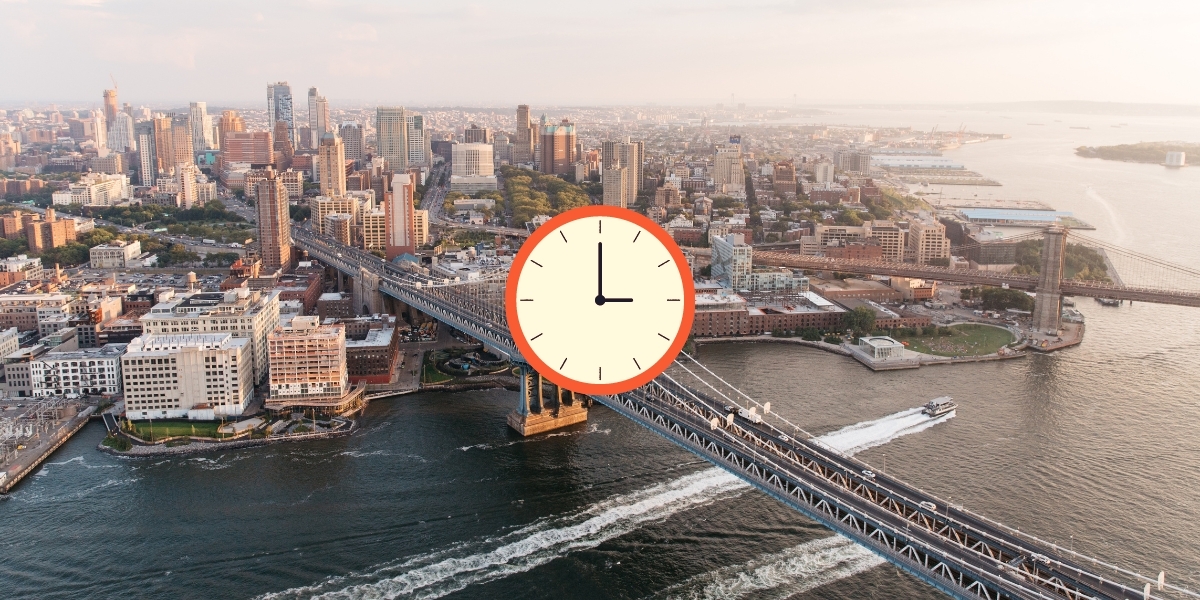
Accommodations and Lifestyle: Finding Your Rhythm in New York City
The vibrant pulse of New York City doesn’t just dictate sightseeing; it profoundly influences your choice of accommodation and the entire lifestyle experience you’ll have within its dynamic bounds. For every traveler, understanding “What time is it in USA New York?” extends to considerations like hotel check-in/check-out times, the best hours for public transport, and the ideal time to unwind after a day of exploration. The city offers a spectrum of lodging options, from opulent luxury hotels to budget-friendly apartments and boutique resorts, each catering to different schedules and preferences. Your lifestyle in New York can range from fast-paced business trips to leisurely family vacations, and the timing of your activities and your chosen sanctuary for rest will play a crucial role in the overall quality of your visit. This section explores how to select the perfect accommodation that aligns with your schedule and how to embrace the diverse lifestyles that unfold at every hour in the Big Apple.
Choosing Your Stay: Hotels, Resorts, and Apartments for Every Schedule
When it comes to accommodation in New York, your choice can significantly impact your time management and overall comfort. For early arrivals or late departures, selecting a hotel like the Grand Hyatt near Grand Central Terminal or a Marriott in Midtown Manhattan often provides flexibility with luggage storage or early check-in/late check-out options, which can be invaluable when dealing with time zone changes. Luxury hotels such as The Plaza Hotel or The St. Regis New York offer round-the-clock concierge services, catering to any time-sensitive need, from last-minute Broadway tickets to late-night dining recommendations. For budget-conscious travelers or those on a longer stay, apartment rentals in areas like Brooklyn or Long Island City provide a more local experience and the flexibility of having your own kitchen, allowing you to adhere to your preferred meal times. Boutique hotels such as The Arlo Hotel or The Ludlow Hotel often have a unique ambiance, with amenities that cater to different paces of life, from vibrant rooftop bars that open late to cozy cafes perfect for an early morning coffee. Family trips might prioritize hotels with amenities like pools or kid-friendly dining, ensuring entertainment during all hours. Business travelers, on the other hand, might seek out hotels with 24-hour business centers and easy access to transportation hubs for efficient scheduling. Regardless of your travel style, booking accommodation that aligns with your expected arrival/departure times and daily rhythm is paramount for a stress-free visit.
From Dawn to Dusk: Experiencing New York’s Diverse Lifestyles
New York truly is a city that never sleeps, and its diverse lifestyles unfold across all hours. For the early risers, the dawn offers tranquil moments in Central Park or a chance to witness the city’s financial heart awaken on Wall Street before the crowds descend. A leisurely morning might involve brunch in the West Village or a visit to the Museum of Modern Art (MoMA) as its doors open. Mid-day is prime time for exploring famous landmarks like the Brooklyn Bridge or walking the elevated gardens of the High Line. For those who thrive in the evening, the city transforms. Times Square dazzles with its neon lights, Broadway theaters come alive with world-class performances, and jazz clubs in Greenwich Village offer timeless melodies well into the night. Foodies can embark on a culinary journey at any hour, from late-night slices in Chinatown to upscale dining in the Meatpacking District. The city also caters to specific lifestyle choices: luxury travelers can indulge in high-end shopping along Fifth Avenue or spa treatments at a Ritz-Carlton, while budget travelers can find free walking tours, explore ethnic eateries in Queens, or enjoy vibrant street performances. Even for business stays, the city offers opportunities for networking events, fine dining, and cultural outings that extend beyond typical office hours. Embracing New York’s 24/7 rhythm means understanding that there’s always something to do, see, or experience, regardless of what time your watch says.
Beyond the Clock: Embracing New York’s Timeless Charm
While knowing “What time is it in USA New York?” is essential for logistical planning, the true magic of the Big Apple lies in its timeless appeal and enduring spirit. Beyond the ticking of the clock, New York offers experiences that transcend specific hours, inviting visitors to immerse themselves in its rich history, diverse culture, and unparalleled energy. The city’s landmarks, from the historic Ellis Island to the modern marvel of SUMMIT One Vanderbilt, stand as testaments to its continuous evolution. The culture, woven into the fabric of neighborhoods like Little Italy and Harlem, thrives regardless of the hour. This section explores the optimal times to visit New York for specific experiences and offers final tips on how to make every moment count, allowing you to move beyond strict schedules and truly embrace the city’s unique, everlasting charm.
The Best Time to Visit New York
While New York City is a year-round destination, certain times offer distinct advantages depending on your preferences.
Spring (April to June): This is often considered one of the best times to visit. The weather is mild, Central Park and other green spaces burst with color, and outdoor activities like walking the Brooklyn Bridge or exploring the High Line are delightful. Crowds are manageable before the summer rush.
Summer (July to August): The city is vibrant with street fairs, outdoor concerts, and rooftop bars bustling with activity. However, it can be hot and humid, and tourist numbers peak. It’s a fantastic time for enjoying Governors Island or a ferry ride past the Statue of Liberty.
Fall (September to November): Another prime period, with crisp air, stunning fall foliage in Central Park, and a wealth of cultural events. The New York Fashion Week and the Macy’s Thanksgiving Day Parade are highlights. The pleasant weather makes exploring neighborhoods like the Flatiron District or Dumbo particularly enjoyable.
Winter (December to March): Despite the cold, December in New York is magical, with holiday decorations, ice skating at Rockefeller Center, and the festive atmosphere around Christmas and New Year’s Eve in Times Square. January and February offer fewer crowds and potentially lower prices for hotels and flights, perfect for indoor attractions like the American Museum of Natural History or a Broadway show. Each season offers a unique lens through which to experience the city, so consider what type of ambiance and activities you prioritize when planning your visit.
Making Every Moment Count: Tips for an Unforgettable Experience
To truly savor New York City, it’s not just about the exact time, but how you perceive and utilize every moment.
Embrace Flexibility: While planning is vital, also allow for spontaneous detours. Some of New York’s best experiences happen unexpectedly, whether it’s a street performance in Washington Square Park or stumbling upon a hidden gem in Chelsea Market.
Walk Everywhere: When possible, walk. It’s the best way to soak in the city’s energy, discover hidden alleys, and appreciate the stunning architecture, from Grand Central Terminal to the September 11 Memorial & Museum. This not only saves time on transport but offers unique perspectives.
Use Public Transportation Wisely: The New York City Subway operates 24/7, a crucial element of the city’s continuous rhythm. It’s often the fastest way to traverse boroughs, especially during peak traffic hours. Invest in a MetroCard for convenience.
Explore Beyond Manhattan: While Manhattan holds many iconic landmarks, venturing into Brooklyn, Queens, or The Bronx can offer richer cultural experiences and different perspectives of New York life. Areas like Bushwick for street art or Flushing for authentic Asian cuisine are worth the trip.
Leverage Technology: Utilize time zone converter apps, public transport apps (Citymapper), and online booking platforms for attractions and dining. This keeps you informed and organized, freeing you to enjoy the city.
Savor the Quiet Moments: Amidst the hustle, find time for reflection. A quiet bench in Bryant Park, a peaceful moment at the Guggenheim Museum, or a ferry ride watching the Manhattan skyline at sunset can be just as impactful as visiting a major landmark.
Ultimately, knowing the time in USA New York is the foundational element for any successful visit. It’s the beat that orchestrates every travel plan, every cultural immersion, and every memorable experience. By understanding its intricacies and leveraging smart planning, you can move beyond simply tracking the hours and truly embrace the boundless energy and timeless allure of one of the world’s most captivating cities.
LifeOutOfTheBox is a participant in the Amazon Services LLC Associates Program, an affiliate advertising program designed to provide a means for sites to earn advertising fees by advertising and linking to Amazon.com. Amazon, the Amazon logo, AmazonSupply, and the AmazonSupply logo are trademarks of Amazon.com, Inc. or its affiliates. As an Amazon Associate we earn affiliate commissions from qualifying purchases.