
The question of “When was Hawaii overthrown?” is not a simple one with a single date. It delves into a complex and often painful history of political maneuvering, economic interests, and the eventual, tragic end of a sovereign nation. While the annexation by the United States is frequently cited as the decisive event, the roots of Hawaii’s overthrow run deeper, stretching back decades before the stars and stripes were officially raised over Iolani Palace. Understanding this period requires looking beyond a single date to appreciate the confluence of forces that led to the dissolution of the Kingdom of Hawaii.

The Seeds of Dissolution: Internal and External Pressures
Long before the dramatic events of 1893, the Hawaiian Kingdom faced significant internal and external pressures that gradually eroded its sovereignty. The Kingdom of Hawaii, established by King Kamehameha I in 1810, had a rich history of independence and adaptation. However, the arrival of foreign powers and the increasing influence of American missionaries and businessmen began to reshape the islands’ political and economic landscape.
The Shifting Sands of Power: Economic and Political Influence
From the mid-19th century onwards, American economic interests, particularly in the sugar industry, became increasingly dominant in Hawaii. Wealthy businessmen, many of them American citizens, amassed vast landholdings and wielded considerable influence over the Hawaiian government. These powerful individuals, often referred to as the “Bayonet Constitution” faction, advocated for policies that favored their economic interests, sometimes at the expense of the native Hawaiian population and the monarchy itself.
The Reciprocity Treaty of 1875 between the United States and the Kingdom of Hawaii is a pivotal example of this evolving dynamic. While it aimed to boost the Hawaiian sugar industry by allowing duty-free export of sugar to the United States, it also came with significant concessions. The treaty included a clause granting the United States exclusive rights to Pearl Harbor, a strategic naval base that would prove instrumental in later American expansionist ambitions. This treaty, while economically beneficial to some, was seen by many as a step towards greater American entanglement and a subtle erosion of Hawaiian independence.
The Bayonet Constitution and the Weakening of the Monarchy
In 1887, a group of armed American and European businessmen forced King Kalākaua to sign a new constitution, often referred to as the “Bayonet Constitution.” This document drastically curtailed the powers of the monarch, stripping away much of their executive authority and restricting suffrage, effectively disenfranchising a large portion of the native Hawaiian population. The constitution empowered the legislature and the cabinet, which were heavily influenced by foreign business interests. This was a direct assault on the traditional Hawaiian system of governance and a significant blow to the monarchy’s authority.
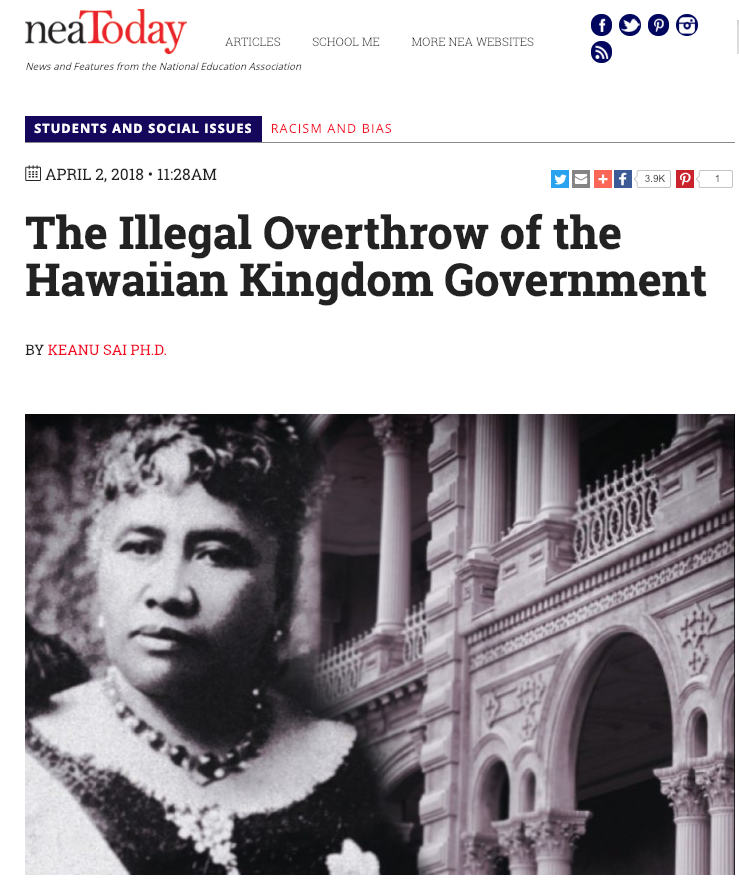
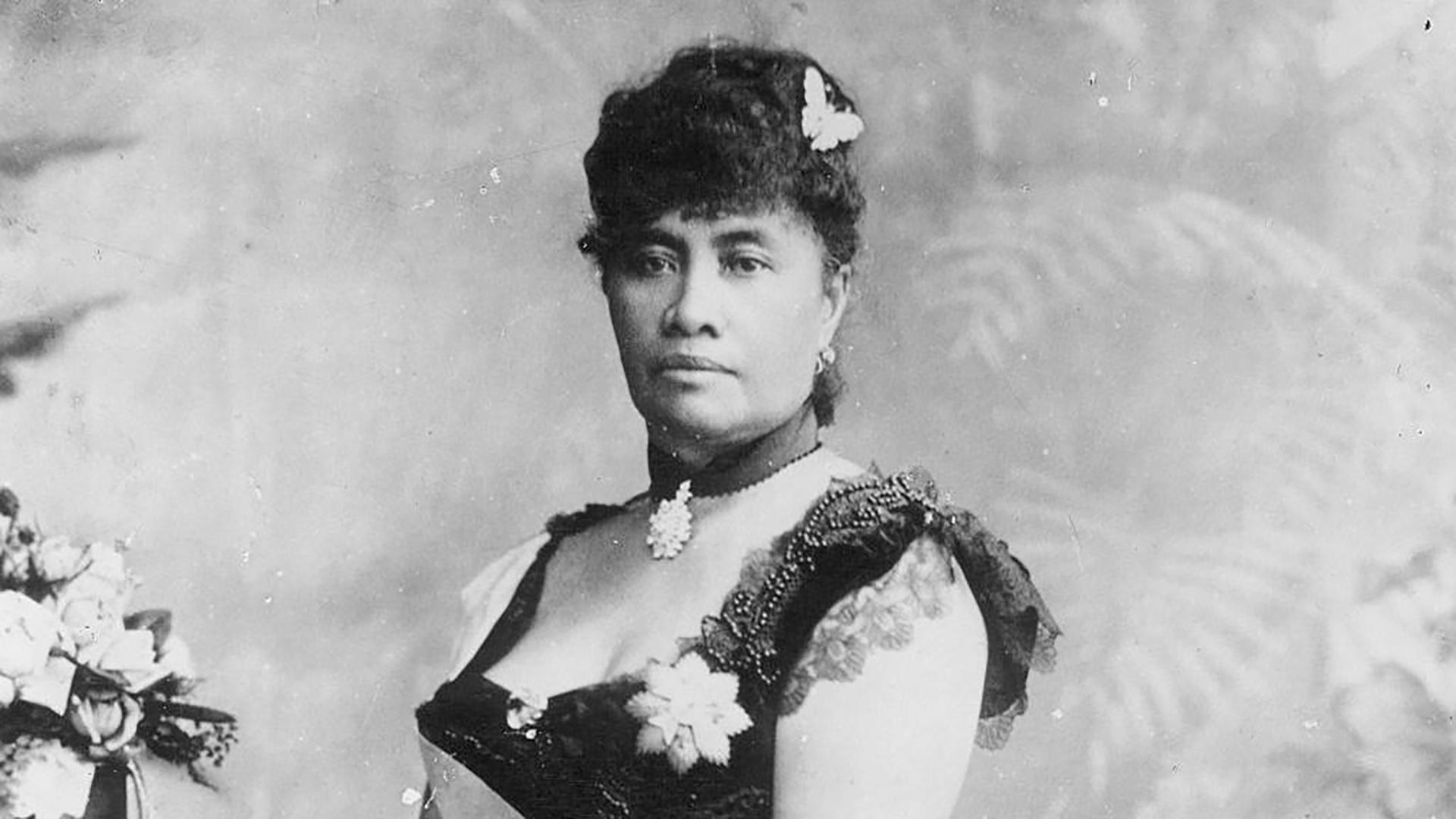
The reign of Queen Liliʻuokalani, who ascended to the throne in 1891, marked a final, determined effort to restore power to the monarchy and reassert Hawaiian sovereignty. She recognized the injustices perpetrated by the Bayonet Constitution and sought to promulgate a new constitution that would strengthen the monarchy and grant more rights to native Hawaiians. However, her efforts were met with fierce opposition from the same powerful foreign interests who had benefited from the existing power structure.
The Overthrow of 1893: A Coup d’état in Honolulu
The culmination of these mounting pressures arrived on January 17, 1893, when a group of American and European businessmen, with the backing of the United States military, orchestrated the overthrow of Queen Liliʻuokalani and the Kingdom of Hawaii. This event, often referred to as the “overthrow,” was not a popular uprising but a calculated coup d’état.
The Role of the Committee of Safety and the US Military
The overthrow was led by the “Committee of Safety,” a group of prominent businessmen who feared that Queen Liliʻuokalani‘s proposed constitution would strip them of their power and influence. They strategically used the presence of the United States naval forces, stationed at Honolulu Harbor ostensibly to protect American lives and property, as leverage. The landing of United States troops, under the command of Major General John L. Stevens, effectively neutralized any potential resistance from the Royal Guard and created an environment of intimidation.
On January 16, 1893, Stevens landed troops from the USS Boston onto Hawaiian soil. The Committee of Safety then issued a proclamation establishing a provisional government. Queen Liliʻuokalani, realizing that any attempt to resist the superior firepower of the United States military would result in bloodshed, yielded her authority under protest, stating, “I yield my authority to the United States of America, over the protest of the Hawaiian people.” This “yielding under protest” is a critical distinction, underscoring that the Queen did not voluntarily abdicate.
The provisional government, composed entirely of members of the Committee of Safety, then began the process of seeking annexation to the United States. Their leader was Sanford B. Dole, a prominent businessman and lawyer who would become the first governor of the Territory of Hawaii.
The Aftermath: Annexation and the Long Road to Redress
The overthrow of 1893 did not immediately result in annexation. The provisional government’s initial attempt to annex Hawaii was thwarted when President Grover Cleveland of the United States took office and condemned the overthrow as an illegal act of war, ordering the withdrawal of United States troops. He attempted to restore Queen Liliʻuokalani to her throne, but the provisional government refused to relinquish power.
The Republic of Hawaii and the Push for Annexation
Undeterred, the provisional government transformed itself into the Republic of Hawaii in 1894, with Sanford B. Dole as its president. This republic, though ostensibly independent, was heavily dominated by the same American interests that had orchestrated the overthrow. They continued their relentless campaign for annexation by the United States.
The strategic importance of Hawaii for the United States, particularly in the context of its growing naval power and its interests in the Pacific, became increasingly apparent. The Spanish-American War in 1898 provided the perfect political climate for annexation. With Hawaii serving as a vital coaling station and naval base during the war, the strategic arguments for its incorporation into the United States gained significant traction.
The Newlands Resolution and the End of the Kingdom
On July 7, 1898, President William McKinley signed the Newlands Resolution, which annexed Hawaii to the United States. This resolution was a joint congressional act, bypassing the need for a treaty and effectively ignoring the wishes of the Hawaiian people. The Kingdom of Hawaii officially ceased to exist as a sovereign nation.
The annexation marked the formal end of Hawaiian sovereignty. It was followed by the establishment of the Territory of Hawaii in 1900, and eventually, statehood in 1959. However, the legacy of the overthrow and annexation has continued to be a significant issue for native Hawaiians. In 1993, the United States Congress passed Public Law 103-150, the “Apology Resolution,” acknowledging the wrongful overthrow of the Kingdom of Hawaii and apologizing to the native Hawaiian people.
The question of “When was Hawaii overthrown?” therefore encompasses not just the events of January 17, 1893, but also the preceding decades of increasing foreign influence and the subsequent period of annexation and the ongoing struggle for recognition and self-determination. It’s a history that continues to shape the identity and future of the islands and their people. The narrative of Hawaiian history is a testament to resilience, the enduring spirit of a people, and the complex, often challenging, interactions between indigenous nations and powerful global empires. For travelers seeking to understand the true heart of Hawaii, delving into this history is as essential as exploring its breathtaking natural landscapes or experiencing its vibrant culture.
LifeOutOfTheBox is a participant in the Amazon Services LLC Associates Program, an affiliate advertising program designed to provide a means for sites to earn advertising fees by advertising and linking to Amazon.com. Amazon, the Amazon logo, AmazonSupply, and the AmazonSupply logo are trademarks of Amazon.com, Inc. or its affiliates. As an Amazon Associate we earn affiliate commissions from qualifying purchases.