
For any traveler embarking on a journey to the bustling metropolis of Chicago, understanding the local time is more than a mere curiosity—it’s a fundamental aspect of planning, navigating, and fully immersing oneself in the experience. As one of the United States’ most iconic cities, Chicago operates on a specific time standard that influences everything from flight schedules and restaurant reservations to museum visiting hours and evening entertainment. This comprehensive guide delves into the intricacies of Chicago’s time zone, offering essential insights and practical advice for travelers to ensure a seamless and enjoyable visit to the Windy City.

Understanding Chicago’s Time Zone: Central Time (CT)
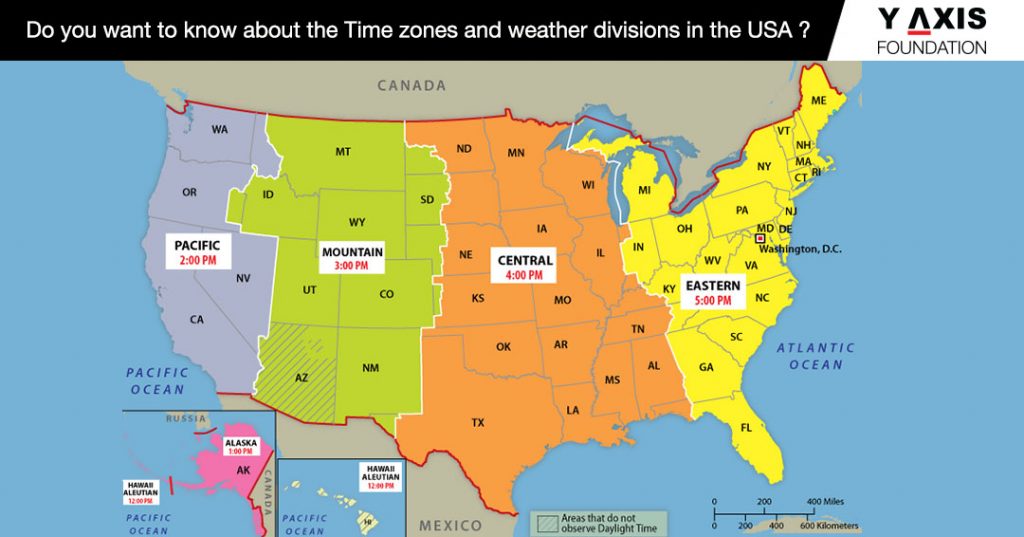
Chicago, located in the state of Illinois, observes the Central Time Zone (CT). This means it is typically one hour behind the Eastern Time Zone (ET) and two hours ahead of the Pacific Time Zone (PT). The adoption of a standardized time zone is crucial for the efficient functioning of travel, commerce, and communication across such a vast country as the USA.
Central Standard Time (CST) vs. Central Daylight Time (CDT)
Like most regions in the United States, Chicago adheres to Daylight Saving Time. This annual adjustment means that the local time shifts twice a year, impacting how you perceive and plan your day.
- Central Standard Time (CST): During the winter months, from early November to mid-March, Chicago operates on CST, which is six hours behind Coordinated Universal Time (UTC-6). This is the standard offset without any daylight adjustment.
- Central Daylight Time (CDT): In the spring, specifically on the second Sunday of March, clocks “spring forward” one hour, and Chicago switches to CDT. This places it five hours behind Coordinated Universal Time (UTC-5). This change allows for more daylight in the evening hours during the longer days of spring, summer, and early autumn. On the first Sunday of November, clocks “fall back” one hour, returning to CST.
Travelers must be particularly mindful of these shifts if their trip spans these transition dates, as they can affect schedules, appointments, and even medication timings.
Geographical Context and Time Zone Boundaries
The Central Time Zone spans a significant portion of the central United States, encompassing all or parts of states like Illinois, Texas, Missouri, Wisconsin, Minnesota, Iowa, Arkansas, Louisiana, Mississippi, Oklahoma, Kansas, Nebraska, North Dakota, and South Dakota, along with parts of Michigan, Indiana, Kentucky, and Tennessee. This vast reach means that if you’re traveling within the central USA, you might not experience a time zone change, but flying in from the coasts or internationally will certainly require adjustment. Understanding these boundaries helps in contextualizing your travel plans and communication with contacts in other parts of the country.
The Importance of Knowing the Local Time
Accurate knowledge of Chicago’s local time is paramount for virtually every aspect of your trip. From the moment you book your flight, your arrival and departure times are anchored to Chicago CT. Missing a connecting flight or arriving too late for a hotel check-in due to a time zone miscalculation can lead to significant stress and financial inconvenience. Similarly, pre-booked activities, restaurant reservations, theater tickets, and business meetings all operate on local time. Being punctual not only ensures you don’t miss out on experiences but also reflects respect for local customs and service providers.
Navigating Time Differences for Travelers
Traveling to Chicago often involves crossing time zones, a factor that can significantly impact a traveler’s comfort and schedule. Managing these shifts effectively is key to a smooth journey.
East Coast vs. West Coast Travel
For domestic travelers, the most common time zone adjustments will be for those arriving from the East Coast or West Coast.
- From the East Coast: Travelers from the Eastern Time Zone (e.g., New York City, Miami) will gain an hour upon arrival in Chicago. If it’s 3 PM ET, it’s 2 PM CT. This can feel like a bonus hour, but it also means your body clock will initially be an hour ahead of local time.
- From the West Coast: Conversely, those traveling from the Pacific Time Zone (e.g., Los Angeles, Seattle) will lose two hours upon reaching Chicago. If it’s 12 PM PT, it’s 2 PM CT. This westward shift can be more jarring, as your day is effectively shortened by two hours.
Being aware of these differences allows you to mentally prepare and adjust your plans accordingly, perhaps scheduling less strenuous activities for your arrival day.
International Travel Considerations
For international visitors, the time difference can be much more pronounced, leading to the infamous phenomenon of jet lag. Chicago’s CT is typically 6 hours behind Greenwich Mean Time (GMT) during CST and 5 hours behind during CDT. This means travelers from Europe, Asia, or Australia will face significant adjustments. For example, when it’s 10 AM in London (GMT+1 during summer), it’s 4 AM in Chicago (CDT). Understanding this disparity is crucial for coordinating communication with home, especially for business travelers or those with family abroad.

Tips for Adjusting to Chicago Time
Minimizing the effects of time zone changes can significantly improve your travel experience:
- Gradual Adjustment: A few days before your trip, try to slowly shift your sleep schedule closer to Chicago time.
- Hydration and Light Meals: Stay well-hydrated and avoid heavy meals, excessive caffeine, or alcohol, especially during your flight and upon arrival.
- Sunlight Exposure: Expose yourself to natural light upon arrival in Chicago, particularly in the morning, to help reset your circadian rhythm. Avoid excessive light in the evening.
- Stay Active: Engage in light physical activity to boost energy, but avoid intense workouts close to bedtime.
- Adjust Immediately: As soon as you land, try to operate on Chicago time for meals and sleep. Resist the urge to nap for too long if it’s daytime in Chicago.
- Utilize Technology: World clock apps and devices can help you keep track of multiple time zones effortlessly.
The Impact of Time on Your Chicago Travel Experience
Knowing the correct time in Chicago isn’t just about avoiding missed flights; it’s about maximizing your enjoyment and ensuring you experience the city to its fullest potential.
Optimizing Your Itinerary
Chicago’s renowned attractions have specific operating hours, and popular spots can get crowded. Understanding the flow of the day helps you plan smarter.
- Morning Exploration: Early mornings are often best for popular spots like Millennium Park to see “The Bean” (Cloud Gate) without the throngs of tourists, or for a quieter visit to the Art Institute of Chicago before the midday rush.
- Afternoon Adventures: Afternoons are ideal for architectural boat tours along the Chicago River or exploring diverse neighborhoods.
- Evening Views: Plan your visit to the Skydeck Chicago at Willis Tower or 360 Chicago at the John Hancock Center for late afternoon to early evening, allowing you to witness both daylight and stunning sunset views over the city skyline. Always check their specific opening and closing times, as these can vary seasonally.
Dining and Entertainment Schedules
Chicago’s culinary scene and vibrant entertainment options are also time-dependent.
- Restaurant Reservations: Many of Chicago’s highly sought-after restaurants, from deep-dish pizza joints to Michelin-starred establishments, require reservations, sometimes weeks in advance. These bookings are always in local Chicago time.
- Theater and Live Music: Broadway in Chicago productions, blues clubs, and jazz lounges have specific showtimes. Arriving punctually ensures you don’t miss any of the performance and respects other patrons.
- Sports Events: Catching a Chicago Bulls game at the United Center or a Chicago Cubs baseball game at Wrigley Field is an iconic Chicago experience. Game times are strictly observed, and arriving early allows for pre-game festivities.
Communication with Home
For many travelers, staying connected with family and friends is important. Time differences can make this challenging. By knowing Chicago’s time and your home time zone, you can intelligently schedule calls, video chats, or messages, minimizing disruptions for both parties. A simple calculation can prevent late-night calls for those back home or missed updates for yourself.
Essential Tools and Resources for Time Management in Chicago
In the digital age, managing time zones is easier than ever, but knowing which tools to use can make a significant difference.
Smartphone World Clocks and Apps
Your smartphone is your best friend when it comes to time management.
- Built-in World Clocks: Most smartphones come with a pre-installed world clock feature that allows you to add multiple cities and view their current times simultaneously. Simply add Chicago (or any other relevant city like New York or Los Angeles) to your list.
- Dedicated Time Zone Apps: Several free and paid applications offer enhanced features, such as time converters, meeting planners across time zones, and even daylight saving reminders. Search your app store for “world clock” or “time zone converter.”
Online Time Zone Converters
Before you even depart, online time zone converters are invaluable for planning. Websites like WorldTimeServer.com or TimeAndDate.com allow you to instantly convert times between Chicago and virtually any other city in the world. Use these tools when booking international flights, scheduling conference calls, or simply estimating when to call family back home.
Hotel and Local Information
Never underestimate the power of local resources.
- Hotel Reception: Your hotel’s front desk staff will always know the correct local time and can often provide information about specific event times or opening hours for nearby attractions. They are a reliable source for real-time local information.
- Official Websites and Apps: Always refer to the official websites or apps of attractions, restaurants, and event venues for the most accurate and up-to-date operating hours and schedules. These platforms will reflect any seasonal changes, holiday hours, or Daylight Saving Time adjustments.
In conclusion, while the question “What is the time in Chicago USA?” might seem straightforward, its implications for a traveler are profound. Chicago operates on Central Time (CT), observing Daylight Saving Time. A thorough understanding of this, coupled with effective time management strategies, will not only prevent minor inconveniences but also enhance your ability to fully engage with and enjoy every moment of your adventure in this magnificent city. By being time-aware, you’re paving the way for a smooth, stress-free, and truly memorable Chicago experience.
LifeOutOfTheBox is a participant in the Amazon Services LLC Associates Program, an affiliate advertising program designed to provide a means for sites to earn advertising fees by advertising and linking to Amazon.com. Amazon, the Amazon logo, AmazonSupply, and the AmazonSupply logo are trademarks of Amazon.com, Inc. or its affiliates. As an Amazon Associate we earn affiliate commissions from qualifying purchases.