
The allure of Hawaii, a string of islands conjuring images of sun-drenched beaches, verdant rainforests, and vibrant local culture, often sparks curiosity not just about what to do there, but also about its fundamental geographical placement. For many, it’s a dream destination, a tropical paradise that feels almost otherworldly. Yet, it’s a vital and integral part of the United States. Understanding Hawaii’s location is the first step in planning an unforgettable journey to this unique archipelago. So, precisely where does this island state sit within the vast expanse of the United States?
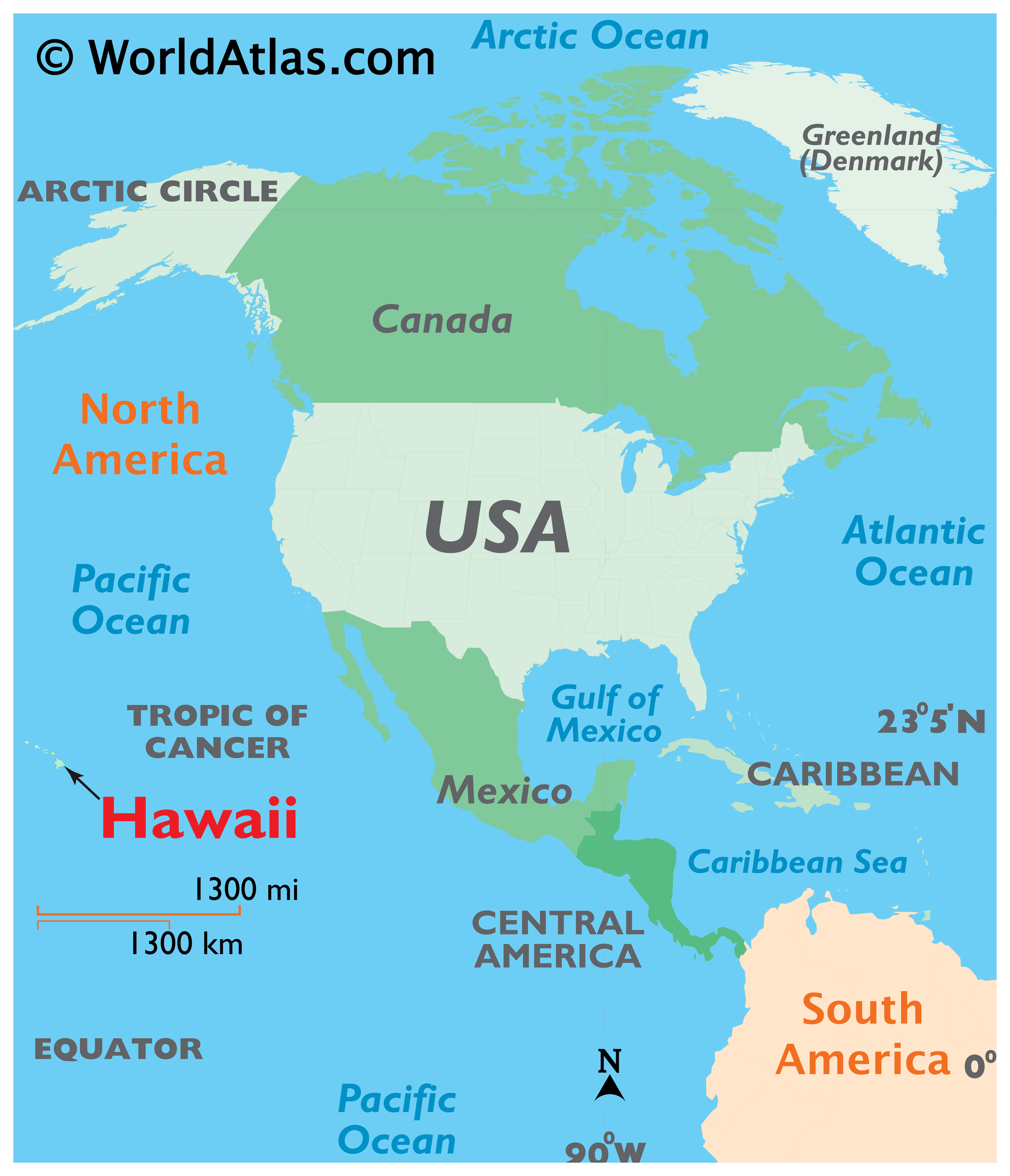
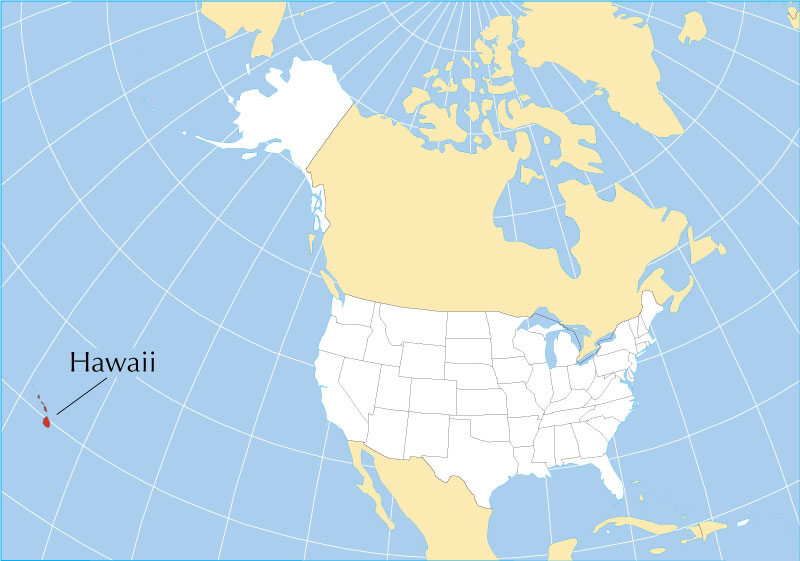
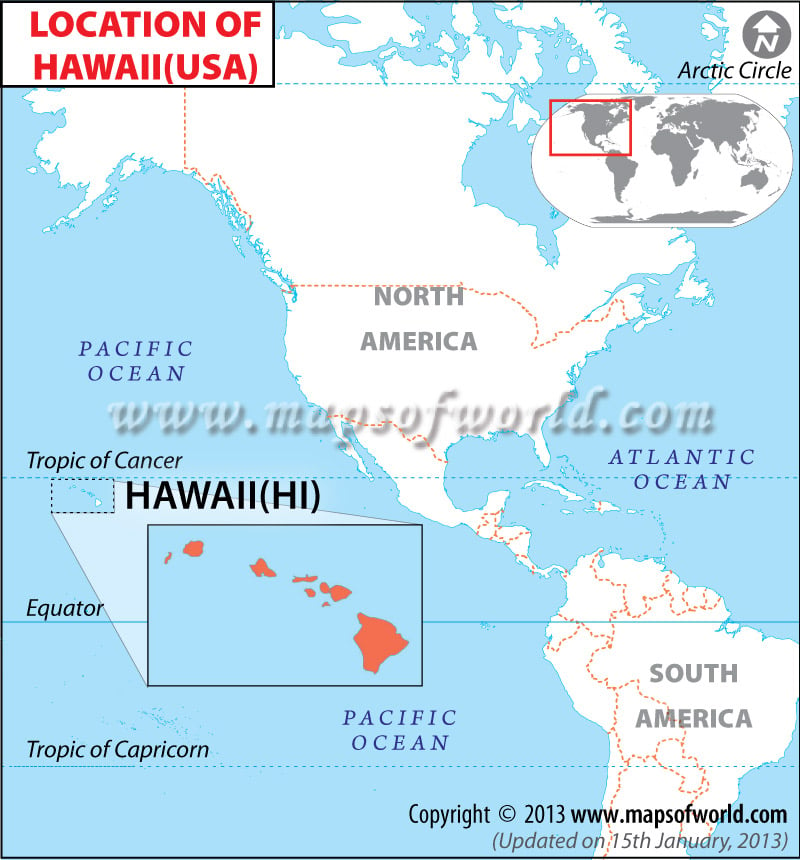
Hawaii is not part of the contiguous United States, meaning it is not connected to the mainland by land. Instead, it stands as the United States’ only island state, situated in the Pacific Ocean. This unique positioning makes it the westernmost state in the United States, both geographically and in terms of time zones. Its isolation in the middle of the Pacific is a defining characteristic, shaping its distinctive ecosystem, culture, and appeal as a travel destination.
The Archipelago’s Pacific Embrace
To pinpoint Hawaii’s location more precisely, imagine the vast blue canvas of the Pacific Ocean. Hawaii is located approximately 2,397 miles (3,859 kilometers) west of San Francisco, California, and about 5,280 miles (8,495 kilometers) east of Tokyo, Japan. It lies just south of the Tropic of Cancer, a geographical line that contributes to its consistently warm, tropical climate year-round.
The state itself is an archipelago, comprised of hundreds of islands, with eight major islands forming the most recognizable and populated landmasses. These are, in order from northwest to southeast: Niʻihau, Kauaʻi, Oʻahu, Molokaʻi, Lānaʻi, Kahoʻolawe, Maui, and the Island of Hawaiʻi, often called the “Big Island” to distinguish it from the state itself. Each island boasts its own unique character, attractions, and experiences, catering to a wide range of traveler preferences.
The Strategic Significance of the Pacific
The location of Hawaii in the Pacific Ocean has historically held significant strategic importance for the United States. Its position as a crucial midway point between the Americas and Asia has made it a vital hub for trade, transportation, and military operations. This historical context, from the days of Polynesian voyagers navigating the vast ocean to its role in modern global affairs, adds another layer of depth to understanding its place in the world and within the United States. For travelers, this means Hawaii is remarkably accessible from the west coast of the United States, with direct flights from major cities like Los Angeles, San Francisco, and Seattle landing regularly at Honolulu International Airport on Oʻahu.
Exploring the Islands: A Glimpse of What Awaits
Once you’ve grasped Hawaii’s location, the next natural step is to envision the experiences it offers. Hawaii is far more than just a geographical point; it’s a vibrant tapestry of natural beauty, rich history, and unique culture. The islands beckon with a diverse array of attractions, from the iconic shores of Waikīkī Beach to the dramatic volcanic landscapes of Hawaiʻi Volcanoes National Park.
The five main tourist islands, each with its own distinct appeal, offer a kaleidoscope of activities and sights:
- Oʻahu: Known as “The Gathering Place,” Oʻahu is the most populous island and home to the state capital, Honolulu. Here, you can explore the historical significance of Pearl Harbor, catch world-class surfing waves on the North Shore, and immerse yourself in the bustling city life, vibrant dining scene, and diverse shopping opportunities. Waikīkī offers iconic hotels and a lively beach atmosphere, perfect for those seeking both relaxation and entertainment.
-
Maui: The “Valley Isle” is renowned for its stunning natural beauty. Drive the scenic Road to Hāna, witness a breathtaking sunrise or sunset atop Haleakalā National Park, and relax on the beautiful beaches of Kaʻanapali and Wailea. Maui is a favorite for romantic getaways, family vacations, and outdoor adventures.
-
Island of Hawaiʻi (Big Island): This is the youngest and largest of the islands, offering an astonishing diversity of landscapes. Explore the active volcanoes at Hawaiʻi Volcanoes National Park, marvel at the black sand beaches of Punaluʻu, and discover the lush valleys and coffee plantations of the Kona side. The Big Island provides a raw, powerful connection to nature.
-
Kauaʻi: The “Garden Isle” is a paradise for nature lovers. Hike through the majestic Nā Pali Coast, explore the stunning Waimea Canyon (often called the “Grand Canyon of the Pacific”), and discover hidden waterfalls and pristine beaches. Kauaʻi offers a more tranquil and rugged escape.
-
Lānaʻi: This island offers a more secluded and luxurious experience. Known for its upscale resorts and quiet atmosphere, it’s a destination for those seeking peace and pampering, with opportunities for golf, snorkeling, and exploring its unique landscapes.
Embracing the Aloha Spirit
Beyond the physical locations and attractions, Hawaii is defined by its unique culture and the pervasive “Aloha Spirit.” This embodies love, peace, compassion, and mutual respect, influencing the way of life and the interactions with visitors. Experiencing local traditions, tasting authentic Hawaiian cuisine – from fresh poke to kalua pig – and engaging with the local communities are integral parts of any visit. Whether you’re looking for luxury resorts in Wailea, budget-friendly accommodations in Waikīkī, or unique boutique hotels, Hawaii offers a wide spectrum of lodging options to suit every travel style and budget.
Planning Your Pacific Escape
Understanding Hawaii’s location is the cornerstone of planning your trip. Being situated in the Pacific Ocean means flights from the mainland United States are typically long-haul, so factoring in travel time is essential. When booking flights, consider the time difference; Hawaii operates on Hawaii Standard Time (HST), which is significantly behind most U.S. mainland time zones, making it a great destination for travelers looking to escape jet lag when traveling eastward.
Travel Tips for the Aloha State
When planning your itinerary, remember that inter-island travel is commonly done by short flights, with airlines like Hawaiian Airlines offering frequent connections between the major islands. This makes it feasible to visit multiple islands during a single trip, allowing you to experience the diverse offerings of the archipelago.
For accommodation, Hawaii boasts an incredible range of options. From sprawling oceanfront resorts like the Grand Wailea, A Waldorf Astoria Resort on Maui, to charming boutique hotels in Hana, and vacation rentals offering a home-away-from-home feel, there’s something for everyone. Websites dedicated to accommodation comparison can help you find the perfect stay, whether you’re looking for a family-friendly villa or a luxurious suite with breathtaking views.
When it comes to activities, Hawaii caters to every interest. Adventure seekers can hike volcanic craters, surf legendary waves, or dive into vibrant coral reefs. Those seeking relaxation can unwind on world-renowned beaches, indulge in spa treatments, or simply soak in the stunning natural beauty. History buffs can explore ancient Hawaiian sites and learn about the Kingdom of Hawaii and its annexation.
The Hawaiian islands, though geographically distant from the mainland United States, are deeply connected through shared history, culture, and governance. Their location in the Pacific Ocean not only shapes their unique environment and lifestyle but also makes them a crucial and cherished part of the American tapestry. So, when you think of Hawaii, remember its place as the United States’ tropical jewel, a distant yet accessible paradise waiting to be explored.
LifeOutOfTheBox is a participant in the Amazon Services LLC Associates Program, an affiliate advertising program designed to provide a means for sites to earn advertising fees by advertising and linking to Amazon.com. Amazon, the Amazon logo, AmazonSupply, and the AmazonSupply logo are trademarks of Amazon.com, Inc. or its affiliates. As an Amazon Associate we earn affiliate commissions from qualifying purchases.