
For travelers, the anticipation of a relaxing stay in a comfortable hotel room is often a highlight of any trip. Yet, lurking in the shadows of this excitement is a minuscule but formidable foe: the bed bug. These elusive nocturnal pests are a global concern, not just an inconvenience, and can transform a dream vacation into a frustrating ordeal. The presence of bed bugs in hotels is a challenge that concerns both the hospitality industry and public health organizations. Recognizing this, esteemed bodies like the American Hotel Association (AHA) and the Centers for Disease Control and Prevention (CDC) play pivotal roles in educating both hoteliers and guests on prevention, identification, and response strategies. This guide aims to equip travelers with the essential knowledge and practical steps to conduct a thorough inspection for bed bugs, ensuring peace of mind and protecting personal belongings during their stays. Understanding the signs, knowing where to look, and taking appropriate action are crucial elements in mitigating the risk of encountering and inadvertently transporting these unwelcome hitchhikers.
Understanding the Bed Bug Threat in Hotel Environments
Bed bugs are not a sign of uncleanliness; rather, they are adept travelers, often inadvertently transported by people from infested locations to new ones. Their ability to hide in luggage, clothing, and other personal items makes hotel rooms a prime target for their spread, creating a persistent challenge for the hospitality industry.
Why Hotel Rooms Are Susceptible
Hotel rooms, by their very nature, are high-traffic environments. A constant flow of new guests, arriving from diverse locations and carrying various items, provides ample opportunity for bed bugs to be introduced. These pests are masters of concealment, tucking themselves into the smallest cracks and crevices, making them incredibly difficult to detect during routine cleaning or even thorough inspections. Their flat bodies allow them to slip into seams of mattresses, headboards, furniture joints, and even behind wall decor. Luggage, being placed on beds, chairs, or directly on carpets, acts as a primary vector for their introduction. Furthermore, the quick turnover of rooms means that if an infestation begins, it can take time to become noticeable, by which point the bugs may have already established themselves or spread to adjacent rooms. The sheer volume of soft furnishings, from carpets to curtains, and the intricate structure of hotel furniture offer countless hiding spots, further compounding the issue for even the most diligent hotel staff.
The Impact on Guests and Hotels
For guests, encountering bed bugs can lead to a range of unpleasant outcomes. The most common physical manifestation is itchy red welts, often appearing in clusters or a line, which can be irritating and disrupt sleep. For some individuals, these bites can trigger allergic reactions. Beyond the physical discomfort, there’s a significant psychological toll, including anxiety, stress, and a lingering feeling of unease that can overshadow the entire trip. The fear of bringing bed bugs home is also a major concern, leading to extensive cleaning and precautionary measures post-travel. For hotels, a confirmed bed bug infestation can be devastating. The financial costs of remediation, which often involves professional pest control services, extensive cleaning, and taking rooms out of service, can be substantial. More critically, the reputational damage can be severe and long-lasting. Negative reviews on travel sites and social media can deter future bookings, leading to a loss of trust and revenue. Proactive measures and transparent, effective handling of any reported incidents are therefore paramount for hotels to maintain guest satisfaction and protect their brand image.
A Proactive Approach: Pre-Check-in Bed Bug Inspection
The most effective way to protect yourself from bed bugs is to adopt a proactive inspection routine immediately upon entering your hotel room. This thorough check, before you even unpack, can save you a world of trouble and expense down the line.
The Luggage Rack First Principle
Before anything else, resist the urge to drop your suitcase onto the bed, the floor, or any upholstered furniture. Your first strategic move should be to place your luggage in the bathroom, preferably in the bathtub or on the tiled floor, as these areas offer fewer hiding spots for bed bugs and are easier to spot them on. Alternatively, use the luggage rack provided, but always inspect the rack itself first. Look for any signs of bed bugs on the straps, joints, and tubing. If it appears clear, place your luggage on it, keeping it elevated and away from walls and the bed. This simple act of isolation is your first line of defense, preventing potential hitchhikers from gaining immediate access to your belongings. The goal is to minimize contact between your personal items and potential bed bug harborage areas within the room until a full inspection is complete.
The Bedside Search: Mattresses and Headboards
The bed is ground zero for bed bug activity, as it provides easy access to their blood meals (you!). This is where you should focus the most intense part of your inspection.
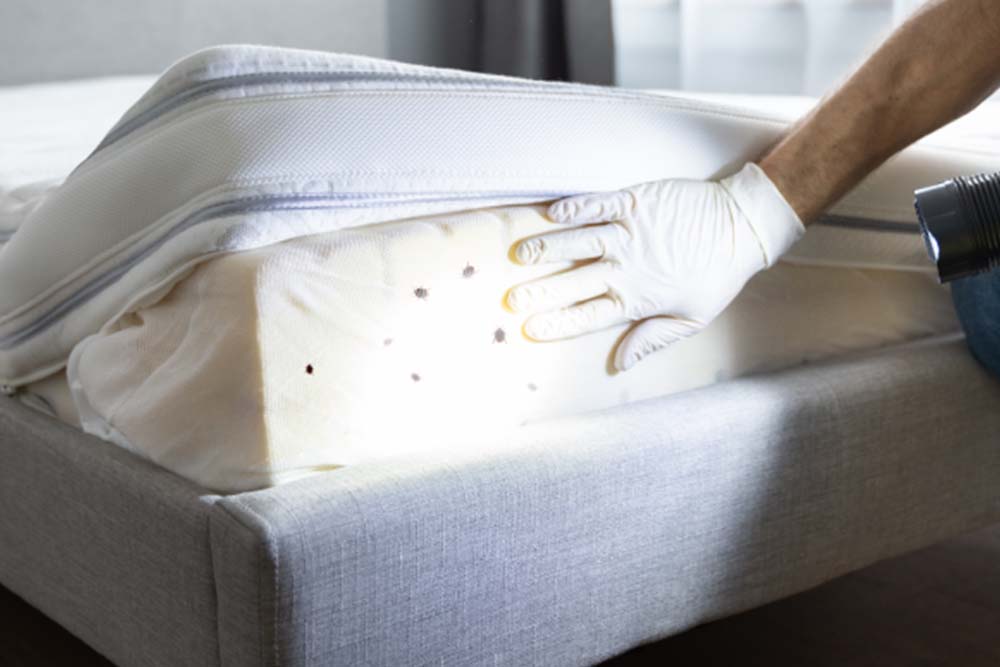
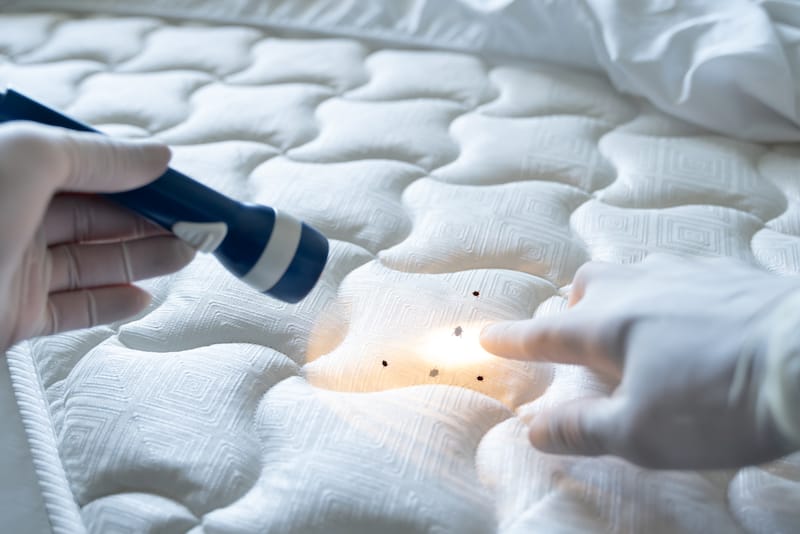
Start by pulling back the sheets and mattress pad. Examine all four corners of the mattress. Pay particular attention to the piping, seams, and tags – these are favorite hiding spots. Look for tiny, apple-seed-sized bugs (adults), their smaller reddish-brown nymphs, tiny white eggs, or dark fecal stains that resemble small ink dots. These stains might bleed if wiped with a wet cloth. Also, check for shed exoskeletons, which are light brown and translucent.
Next, lift the mattress and inspect the box spring. Bed bugs often hide along the seams and underneath the box spring’s fabric covering. Use a flashlight (your phone’s flashlight works well) to illuminate dark areas.
Finally, move to the headboard. If it’s attached to the wall, inspect the area where it meets the wall and any crevices or joints within the headboard itself. If it’s a wooden or upholstered headboard, carefully check any carvings, decorative elements, or tufting. Remember, these pests are incredibly small and can hide in the narrowest of gaps.
Expanding the Search: Furniture and Wall Decors
While the bed is the primary concern, bed bugs are not exclusive to it. They can spread to other furniture near the bed as they search for new feeding opportunities or larger populations require more hiding spots. Systematically expand your search to other areas of the room.
Check nightstands: Empty the drawers and inspect the inside and underside, as well as the joints and runners.
Examine chairs, sofas, and other upholstered furniture: Look along the seams, under cushions, and in any folds or pleats.
Inspect curtains and drapes: Pull them back and check the top pleats and hems where they gather.
Don’t forget the less obvious spots: Look behind picture frames, mirrors, and wall hangings. Remove telephone and electrical outlet covers if possible (carefully, without tools) to inspect behind them, as these can provide access points into walls and adjacent rooms.
Even the edges of the carpet where it meets the baseboards can harbor bed bugs. The key is to be methodical and thorough, knowing that these pests prefer dark, secluded areas close to where people rest.
Identifying the Signs: What to Look For
Knowing what specific evidence to look for significantly increases your chances of spotting a bed bug infestation early. It’s not always about seeing the live bugs themselves, but rather recognizing the subtle clues they leave behind.
Visual Confirmation: The Bugs Themselves

Adult bed bugs are typically about the size and shape of an apple seed – flat, oval, and reddish-brown. After feeding, they become engorged and more reddish. Nymphs (young bed bugs) are smaller and translucent or yellowish-white, becoming darker as they mature and feed. Bed bug eggs are tiny, pearl-white, and typically found in clusters in crevices. While they are nocturnal, a disturbed bed bug might scurry away if you expose their hiding spot with a flashlight. Look for them in tight spaces, such as mattress seams, the edges of box springs, cracks in headboards, or behind peeling wallpaper. Their presence is the most definitive sign of an infestation, but their elusive nature means you often have to rely on other indicators.
Telltale Marks: Stains and Cast Skins
One of the most common indicators of bed bugs is the presence of small, dark fecal stains. These are digested blood excretions and look like tiny black or dark brown spots, similar to specks of ground pepper or dried ink dots, particularly on bedding, mattresses, and furniture. If you wipe these spots with a wet cloth, they will often smear. You might also find small rusty or reddish smears on sheets, which are blood spots from crushed bed bugs or from bites that have bled slightly. Another undeniable sign is the presence of shed exoskeletons (cast skins). As bed bugs grow, they molt, leaving behind their translucent, yellowish-brown skins, which resemble the shape of the bugs themselves but are empty shells. These are commonly found near their hiding spots.
Odor and Bites: Subtle Indicators
While less reliable on their own, a distinctive, musty, and sweet odor, sometimes described as resembling rotten raspberries or cilantro, can indicate a severe bed bug infestation. This smell comes from their alarm pheromones. However, this odor might only be noticeable in heavy infestations and by individuals with a keen sense of smell. More commonly, people discover bed bugs after noticing unexplained bites. Bed bug bites often appear as small, red, itchy welts, typically arranged in a line or cluster (“breakfast, lunch, and dinner” pattern) on exposed skin, such as arms, legs, neck, and face. It’s important to note that not everyone reacts to bed bug bites, and reactions can vary widely, from no visible mark to severe allergic responses. Also, bed bug bites can be confused with mosquito bites or other insect bites, so bites alone are not definitive proof of an infestation without other supporting evidence.
What to Do If You Find Bed Bugs
Discovering bed bugs in your hotel room can be unsettling, but knowing the proper steps to take can mitigate the situation and prevent you from carrying these pests home.
Immediate Action: Document and Report
As soon as you find any conclusive evidence of bed bugs (live bugs, fecal spots, cast skins), stop your inspection and do not unpack further. Your immediate priority is to document your findings. Use your phone to take clear, close-up photos or even a video of the evidence. This visual proof will be crucial when you report the issue. Do not attempt to clean or disturb the area further. Next, contact the front desk or hotel management immediately and calmly explain the situation. Present your evidence and politely request a new room. Emphasize that you wish to move to a room that is not adjacent, above, or below the infested room, as bed bugs can travel through walls and utility lines. Do not allow the hotel to move your belongings for you, to prevent accidental spread to other areas.
Protecting Your Belongings and Preventing Spread
Once you’ve secured a new, inspected room (or decided to move to another hotel), carefully manage your belongings. Do not bring your luggage or personal items directly into the new room without inspection. Keep your suitcase tightly closed and, if possible, place it in a large plastic garbage bag and seal it until you can properly inspect its contents. Any clothing that was exposed or on the bed should be placed in sealed plastic bags. Upon returning home, all clothes, even those unworn, should be immediately washed in hot water and dried on the highest heat setting for at least 30 minutes, as high temperatures kill bed bugs and their eggs. Non-washable items that can withstand heat, such as shoes, can also be tumble-dried.
Post-Trip Precautions
Upon returning home, take immediate steps to prevent bed bugs from infesting your residence. Before bringing your luggage inside, inspect the exterior thoroughly, especially zippers, pockets, and seams. If possible, unpack your suitcase in the garage or outside, and place all clothing directly into the washer, as mentioned above. Vacuum your suitcase thoroughly, paying attention to crevices, and then immediately dispose of the vacuum bag in an outdoor trash receptacle. Wipe down hard-sided luggage with a disinfectant or hot soapy water. Continue to be vigilant in the weeks following your trip. Regularly inspect your bed and surrounding areas at home for any new signs of bed bugs. Early detection is key to preventing a widespread home infestation, which can be far more costly and disruptive to resolve.
The Role of AHA and CDC in Bed Bug Management
The hospitality industry and public health organizations like the American Hotel Association (AHA) and the Centers for Disease Control and Prevention (CDC) are critical in addressing the bed bug challenge. Their guidelines and recommendations serve as essential resources for both hoteliers and the traveling public.
AHA’s Guidelines for Hotels
The American Hotel Association (AHA) provides guidance and best practices for its members on various operational aspects, including pest management. While not directly issuing health directives like the CDC, the AHA works to support hotels in maintaining high standards of cleanliness and guest safety. Their recommendations often include implementing comprehensive bed bug prevention programs that involve regular, systematic inspections of rooms, especially high-risk areas like beds and upholstered furniture. They advocate for staff training on bed bug identification and reporting procedures, ensuring that housekeepers and maintenance personnel are equipped to spot signs of infestation during their daily duties. The AHA also encourages hotels to establish partnerships with reputable pest control professionals for proactive monitoring and swift, effective remediation when infestations are identified. Emphasizing discreet and efficient handling of guest complaints, and ensuring transparent communication, are also key aspects of their recommended approach to preserve guest trust and hotel reputation.
CDC’s Public Health Perspective
The Centers for Disease Control and Prevention (CDC), primarily focused on public health, addresses bed bugs from a health impact and prevention standpoint. While bed bugs are not known to transmit diseases, their bites can cause skin irritation, secondary infections from scratching, and significant psychological distress. The CDC provides information on recognizing bed bug bites, managing symptoms, and preventing the spread of bed bugs. Their guidance often extends to public education campaigns, advising travelers on how to inspect for bed bugs in various accommodations, what precautions to take when traveling, and how to prevent bringing them home. The CDC also offers resources for pest management professionals and public health officials on effective control strategies, emphasizing integrated pest management (IPM) techniques that minimize pesticide exposure while maximizing eradication success. Their role is largely about empowering the public with knowledge and ensuring that potential health concerns related to bed bugs are understood and addressed.
In conclusion, encountering bed bugs while traveling can be a daunting prospect, but it doesn’t have to ruin your trip or infest your home. By understanding the nature of these pests, adopting a meticulous inspection routine upon arrival, recognizing the telltale signs, and knowing the correct actions to take, travelers can significantly reduce their risk. The continuous efforts of organizations like the American Hotel Association and the Centers for Disease Control and Prevention in providing guidance and education are invaluable. Ultimately, vigilance and preparedness are your best allies in ensuring a comfortable, bug-free hotel stay and a worry-free return home. Travel smart, inspect thoroughly, and enjoy your journey with confidence.
LifeOutOfTheBox is a participant in the Amazon Services LLC Associates Program, an affiliate advertising program designed to provide a means for sites to earn advertising fees by advertising and linking to Amazon.com. Amazon, the Amazon logo, AmazonSupply, and the AmazonSupply logo are trademarks of Amazon.com, Inc. or its affiliates. As an Amazon Associate we earn affiliate commissions from qualifying purchases.