
The devastating wildfires that swept through Hawaii in August 2023 left an indelible mark on the islands, particularly on the island of Maui. The sheer scale of destruction and the tragic loss of life necessitated a clear understanding of where these fires originated and spread, impacting not only the immediate communities but also the broader tourism landscape of the state. As travelers and those interested in the well-being of the islands seek information, it’s crucial to pinpoint the areas most affected and understand the context of these events within the broader Hawaiian experience.
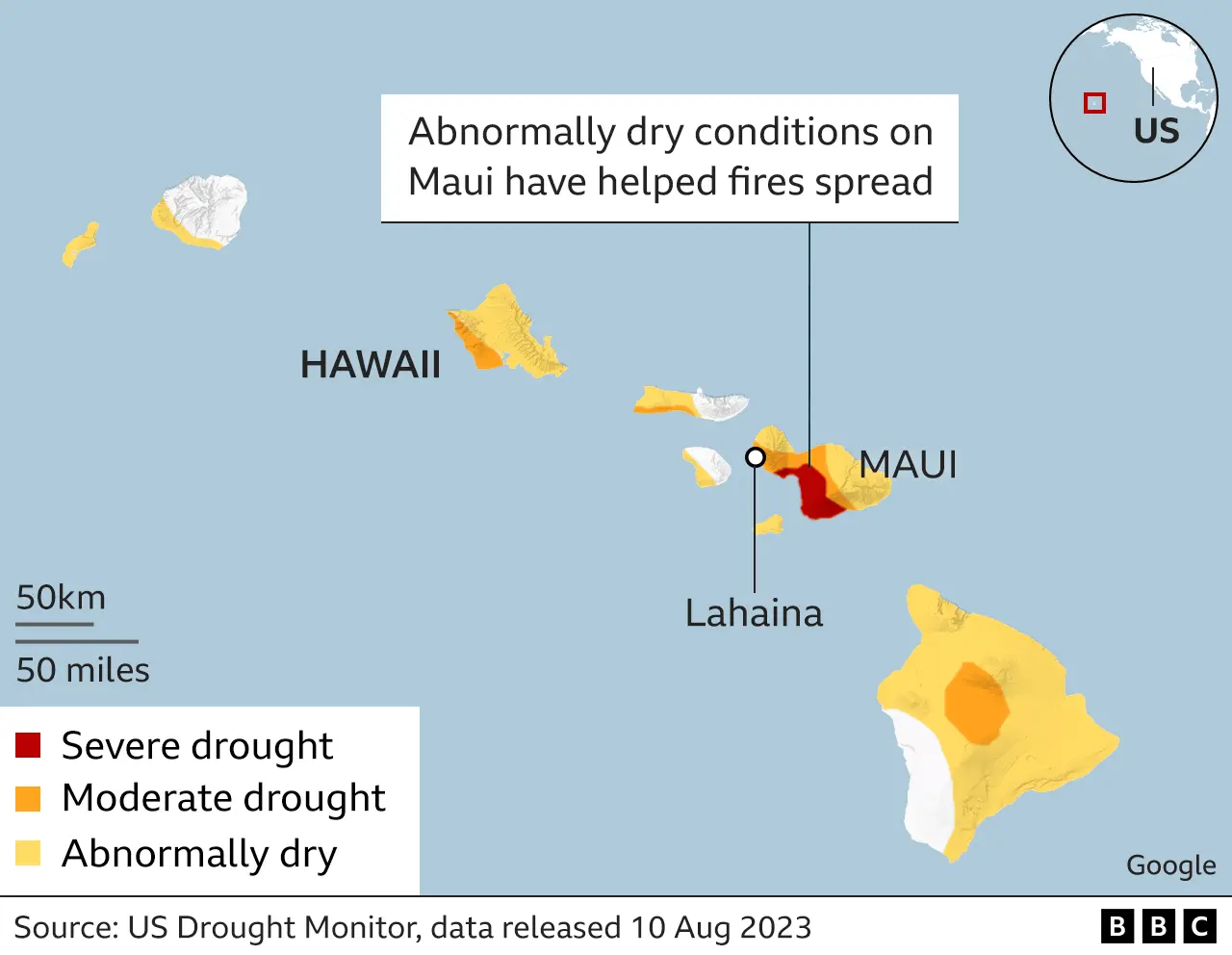
This article aims to provide clarity on the geographical impact of the August 2023 wildfires, focusing on the locations in Hawaii that bore the brunt of the devastation. We will explore the areas that experienced the most significant fires, understanding how these events unfolded and their implications for travel and tourism. By examining the affected regions, we can better appreciate the challenges faced by the local communities and the ongoing efforts towards recovery and rebuilding. The information presented here is intended to be informative, sensitive, and respectful of the immense tragedy that unfolded.
The Epicenter of Devastation: Lahaina and West Maui
The most catastrophic and widely reported fires of August 2023 were centered in and around the historic town of Lahaina on Maui. This former capital of the Kingdom of Hawaii and a beloved cultural and historical hub, transformed into the epicenter of the disaster. The fire, fueled by dry conditions and strong winds, moved with alarming speed, overwhelming firefighting efforts and leading to widespread destruction.
Lahaina Town: A Historical Landmark Lost
Lahaina was not just a picturesque tourist destination; it was a vibrant community and a treasure trove of Hawaiian history and architecture. Its charming Front Street, lined with shops, restaurants, and art galleries, was a major attraction. The town’s rich past, dating back to its days as a whaling port and a royal residence, made it a significant cultural landmark. The fires consumed much of this historic fabric, leaving behind a scene of utter devastation. The iconic Banyan Tree, a symbol of Lahaina for over a century, was severely damaged, though it miraculously survived, offering a glimmer of hope amidst the ruins. The loss of homes, businesses, and the livelihoods of its residents has been profound. The Lahaina fires serve as a stark reminder of the vulnerability of even the most resilient communities to natural disasters.
Spread to Surrounding Areas
While Lahaina town suffered the most direct and severe impact, the fires also spread to other parts of West Maui, affecting residential areas and natural landscapes. The fire’s rapid progression meant that evacuations were challenging, and many residents were caught off guard. The hillsides above Lahaina, dotted with homes and lush vegetation, also experienced significant fire damage. The proximity of these residential areas to the dry brush and coastal winds created a perfect storm for rapid fire spread. Understanding the geographical spread of the fire in West Maui is crucial for comprehending the full extent of the disaster and the subsequent recovery efforts. The resilience of the Hawaiian spirit is being tested, and the community’s strength is evident in the face of such adversity.
Beyond West Maui: Other Affected Regions
While Lahaina and West Maui bore the most devastating brunt of the August 2023 wildfires, it is important to acknowledge that other areas of Hawaii, particularly on Maui and the island of Hawaii (the Big Island), also experienced significant fires, albeit on a different scale.
Upcountry Maui Fires
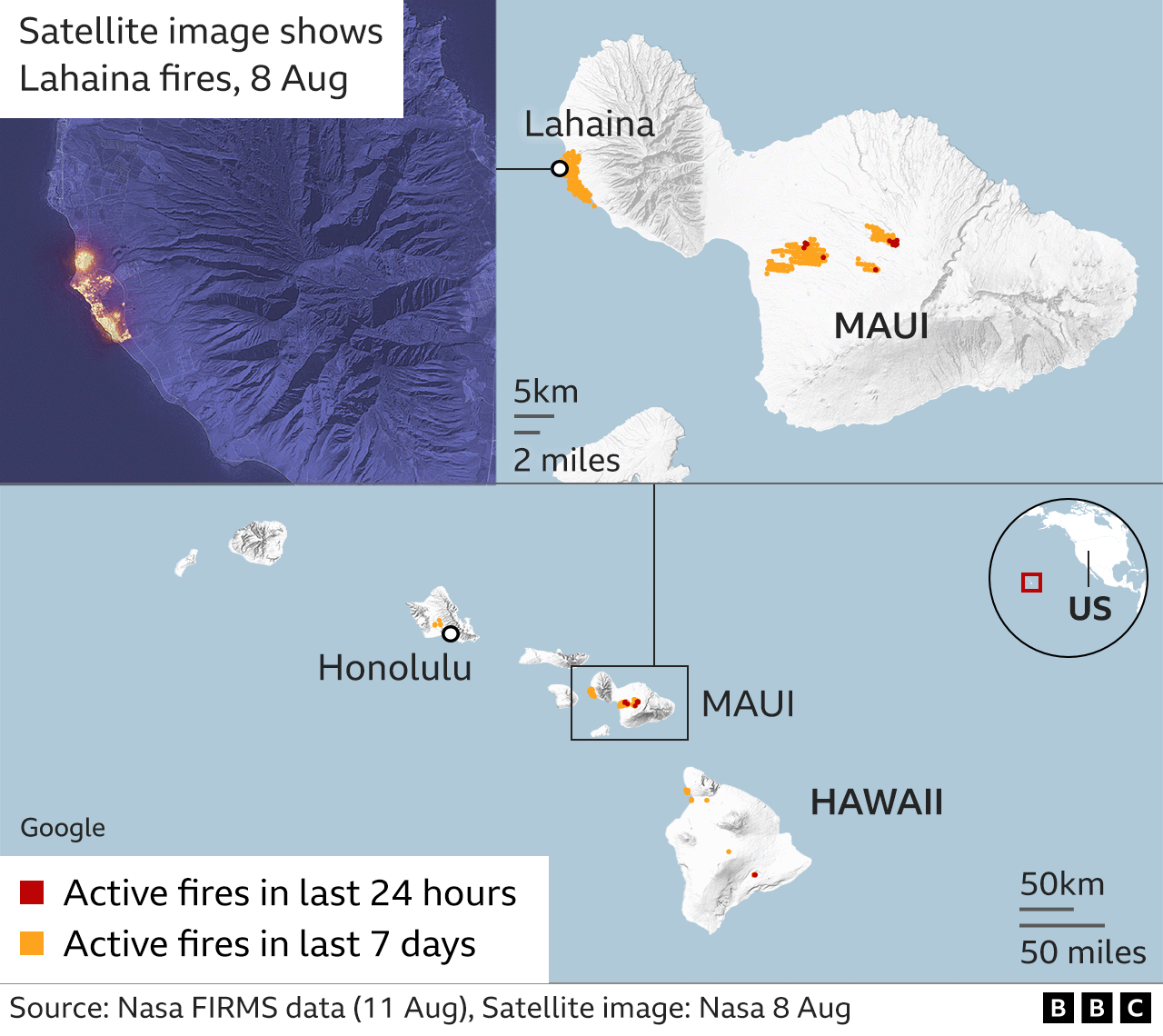
Upcountry Maui, a region known for its rolling hills, ranches, and cooler climate, also saw significant fire activity. Towns like Kula and Makawao were directly impacted, with homes and agricultural lands affected. The fires in Upcountry Maui highlighted the diverse environments within the island and how different landscapes can be susceptible to fire under specific conditions. These fires, while less destructive in terms of immediate loss of life compared to Lahaina, still caused considerable damage to property and threatened the agricultural heartland of Maui. The interconnectedness of the island’s ecosystems means that fires in one area can have ripple effects on others.
Island of Hawaii (Big Island) Wildfires
The island of Hawaii, often referred to as the Big Island, also experienced wildfires during the same period. These fires were primarily concentrated in drier, leeward regions, such as parts of Ka’u and Puna. While these fires did not result in the same level of catastrophic destruction or loss of life as those on Maui, they still posed a threat to communities and natural habitats. The vastness of the Big Island and its diverse climates mean that fire risk can vary significantly across its different districts. Understanding these separate fire events helps paint a more comprehensive picture of the wildfire challenges faced by the entire state of Hawaii during this period.
Factors Contributing to the Fires
The devastating wildfires in Hawaii were not a singular event but rather a confluence of several critical factors. Understanding these contributing elements is vital for appreciating the intensity and spread of the fires, and for informing future preparedness and mitigation strategies.
Drought Conditions and Fuel Load
Hawaii, like many regions globally, has been experiencing periods of drought. The extended dry spells lead to desiccated vegetation, creating a significant fuel load. This dry brush and grass become highly flammable, acting as tinder ready to ignite. The arid conditions in many parts of Maui and the Big Island, particularly in leeward coastal and volcanic regions, are exacerbated by climate change, making these areas increasingly susceptible to wildfires. The long-term effects of drought on the islands’ natural ecosystems are a significant concern for fire management agencies.
Strong Winds and Weather Patterns
The immediate trigger for the rapid spread of the Lahaina fire was the presence of exceptionally strong winds, associated with Hurricane Dora, which passed hundreds of miles south of the islands. These powerful easterly winds, known locally as “trade winds,” intensified the dryness and fanned the flames, propelling them at an incredible speed. The interaction between drought conditions and these high winds created an environment ripe for explosive fire growth. The unpredictable nature of weather patterns, amplified by a changing climate, poses an ongoing challenge for disaster preparedness in Hawaii.

Infrastructure and Land Use
The way land is managed and the infrastructure in place also play a role in wildfire susceptibility and impact. In areas like Lahaina, the proximity of dry, vegetated hillsides to densely populated urban areas, coupled with historical land use practices and vegetation types, contributed to the rapid spread of the fire into the town. Furthermore, challenges with water infrastructure and evacuation routes can also impact a community’s ability to respond effectively to a wildfire. Examining land use policies and infrastructure resilience is crucial for building more fire-resistant communities across Hawaii.
The fires in Hawaii were a tragic reminder of nature’s power and the interconnectedness of environmental factors, human activity, and disaster preparedness. As the islands embark on a long road to recovery, understanding the “where” and “why” of these events will be fundamental to building a more resilient future. The spirit of aloha and community resilience will be key to rebuilding and healing these beloved islands.
LifeOutOfTheBox is a participant in the Amazon Services LLC Associates Program, an affiliate advertising program designed to provide a means for sites to earn advertising fees by advertising and linking to Amazon.com. Amazon, the Amazon logo, AmazonSupply, and the AmazonSupply logo are trademarks of Amazon.com, Inc. or its affiliates. As an Amazon Associate we earn affiliate commissions from qualifying purchases.