
The traditional understanding of a hotel stay typically involves a full overnight booking, from a standard check-in time in the afternoon to a check-out the following morning. However, in an increasingly dynamic world, the question “Can you book a hotel for a few hours?” is becoming more relevant, and the answer is a resounding “yes.” The hospitality industry is continually adapting to modern needs, and flexible booking options for shorter durations are a significant part of this evolution. This niche of accommodation caters to a diverse range of needs, moving beyond the conventional 24-hour cycle to offer convenience, comfort, and privacy precisely when required.

The Evolving Landscape of Hotel Stays
The concept of a hotel as solely an overnight dwelling is steadily being challenged by changing travel patterns, business demands, and lifestyle preferences. The hospitality sector, particularly within the Accommodation niche, has recognized the untapped potential in offering flexible, shorter-term bookings.
The Rise of Flexible Booking Options
For decades, the standard hotel model has been rigid: check-in after 3 PM, check-out before 11 AM. This model works well for most leisure and business travelers staying for a night or more. However, a significant segment of potential guests found this restrictive. The rise of digital platforms and the increasing demand for on-demand services across various industries have pushed hotels to reconsider their operational models. Flexible booking options, including hourly or day-use rates, are a direct response to this market shift. These options allow guests to access hotel amenities and rooms for specific, shorter blocks of time, optimizing hotel occupancy during traditionally low-demand hours and providing guests with tailored solutions.
Who Needs Short-Term Stays?
The demographic benefiting from short-term hotel bookings is surprisingly broad and varied. Business travelers frequently find themselves with long layovers at major international hubs like Singapore Changi Airport or Heathrow Airport, needing a quiet space to work, shower, or rest before their next flight without incurring the cost of a full night. Similarly, those attending early morning or late evening meetings in cities like New York City or London might only require a few hours to freshen up and prepare.
Beyond business, leisure travelers on a road trip might need a few hours to relax and rejuvenate before continuing their journey. Locals in bustling cities might seek a peaceful escape for a “workcation” or a quiet space to focus away from home distractions. Even those looking to enjoy a hotel’s luxury amenities, such as a spa, pool, or gym, without committing to an overnight stay find day-use options appealing. These scenarios highlight a critical need for accommodation solutions that are as agile and flexible as modern life itself.
Shifting Paradigms in Hospitality
The shift towards flexible bookings represents a fundamental paradigm change in the hospitality industry. Hotels are no longer just places to sleep; they are versatile spaces offering a range of services and amenities that can be consumed in various ways. This adaptability allows properties to maximize revenue by selling rooms twice in a single day (once for day-use, once overnight), improving their yield management. It also enhances customer satisfaction by meeting previously unmet needs, fostering loyalty among a new segment of guests. This dynamic approach challenges the conventional wisdom of the accommodation sector, proving that flexibility can be a powerful driver of both profitability and guest experience.
Navigating Day-Use Hotel Options
Finding and booking a hotel for just a few hours has become significantly easier thanks to specialized platforms and evolving hotel policies. It’s no longer a niche, obscure request but a recognized and facilitated service within the broader accommodation landscape.
Dedicated Day-Use Platforms and Apps
The most straightforward way to book a hotel for a few hours is through dedicated online platforms and mobile applications that specialize in day-use hotels. Companies like Dayuse.com, HotelsByDay, and ByHours have revolutionized this segment. These platforms partner with a wide array of hotels, from budget-friendly options to luxury five-star properties, in major cities worldwide, including Paris, Dubai, and many others.
These platforms allow users to search for hotels by location and desired time slots (e.g., 9 AM to 5 PM, or 10 AM to 2 PM), providing real-time availability and transparent pricing. The booking process is typically simple and secure, often offering significant discounts compared to an overnight stay, sometimes up to 75% off the night rate. They aggregate various hotel options, making it easy to compare features, prices, and locations tailored specifically for short-term needs, thus streamlining the booking experience for guests seeking flexible accommodation.
Direct Hotel Bookings and Policies
While specialized platforms are convenient, booking directly with a hotel remains a viable option, especially for those who prefer to communicate their specific needs directly. Many hotels, particularly those near airports or business districts, have established day-use rates or policies. It’s often beneficial to call the hotel directly and inquire about their “day rates” or “hourly rates.” Some larger chains, such as Hilton, Marriott, or Sheraton, might have specific programs or corporate policies that allow for flexible check-in and check-out times or offer distinct day packages.
When booking directly, it’s crucial to confirm not only the hourly rate but also what amenities are accessible during your stay (e.g., pool, gym, business center) and the exact check-in and check-out times. Clarifying these details upfront ensures there are no surprises and that the short-term stay meets your expectations perfectly. This direct approach can sometimes offer more negotiation flexibility, especially for corporate clients or frequent guests.
Types of Hotels Offering Hourly/Day Rates
The range of hotels offering hourly or day rates is surprisingly broad. Airport hotels are perhaps the most common, designed specifically to cater to transit passengers or airline crew needing a rest between flights. These establishments understand the demand for short, convenient stays and are often equipped with facilities like soundproofed rooms and quick-service dining.
Boutique hotels and independent properties in urban centers are also increasingly embracing day-use models. They see it as an opportunity to generate additional revenue and introduce their unique offerings to a wider audience. Luxury hotels also participate, recognizing that high-end amenities like spas, gourmet dining, and opulent rooms can be appealing even for a few hours, offering a premium experience without the full overnight commitment. Even some budget-friendly chains are exploring these options to maximize their occupancy rates and cater to a broader market segment in cities like Singapore and Paris. The common thread among these diverse hotel types is a recognition of the shifting consumer need for flexible and convenient accommodation solutions.
Benefits and Considerations of Hourly Hotel Bookings
Booking a hotel for a few hours offers a unique blend of benefits, primarily centered on convenience and cost-effectiveness. However, like any specialized service in the accommodation sector, there are also specific considerations to bear in mind to ensure a smooth and satisfying experience.
The Practical Advantages
The practical benefits of booking a hotel for a few hours are numerous. For the weary traveler, it provides a much-needed sanctuary to rest and rejuvenate between long journeys or during extended layovers. A private room offers a quiet escape from crowded airports or busy city streets, allowing for a power nap, a moment of meditation, or simply some undisturbed peace. Freshening up is another primary advantage; having access to a private bathroom and shower can make a world of difference after a long flight or before an important meeting.
For professionals, these short stays offer a dedicated work environment free from distractions, complete with Wi-Fi, desk space, and often business center access. This can be invaluable for preparing for presentations, holding virtual meetings, or catching up on emails. Furthermore, for those seeking a moment of privacy and intimacy with a loved one, a day-use room provides a discreet and comfortable setting away from home. These advantages underscore the versatility and utility of flexible accommodation options in meeting diverse personal and professional needs.

Cost-Effectiveness and Value
One of the most compelling aspects of booking a hotel for a few hours is its cost-effectiveness. Day-use rates are significantly lower than standard overnight rates, often representing a fraction of the price. This makes luxury hotels, which might otherwise be out of budget for a full night, accessible for a few hours of indulgence. Travelers can enjoy high-end amenities, premium service, and a comfortable environment without the full financial commitment.
For instance, a business traveler with a 6-hour layover doesn’t need to pay for an entire night’s stay just to use a room for a couple of hours. The value proposition is clear: you pay only for the time you need, making it an economically smart choice for short-duration requirements. This pricing model also benefits hotels by allowing them to monetize rooms during off-peak hours, turning what would otherwise be vacant inventory into revenue-generating assets. It’s a win-win scenario, providing value to guests and optimizing revenue for accommodation providers.
Potential Drawbacks and Misconceptions
While the benefits are clear, there are a few considerations to keep in mind. Availability can sometimes be a challenge, especially in high-demand areas or during peak seasons, as not all hotels offer day rates. It’s essential to book in advance or use dedicated platforms to ensure you secure a room. There can also be misconceptions about the nature of day-use rooms; while often used for innocent purposes like rest or work, they can sometimes carry a stigma if not properly understood by the public or hotel staff.
Another point to clarify is limited services. While you get the room and often access to core amenities, some services typically associated with an overnight stay (like complimentary breakfast or evening turndown service) might not be included in a day-use rate. Always confirm what is and isn’t included. Lastly, cancellation policies can vary widely, so understanding the terms before booking is crucial to avoid unexpected charges. Addressing these points upfront ensures that the experience aligns with expectations, reinforcing the positive aspects of flexible accommodation.
How to Secure a Short-Term Hotel Stay
Successfully booking a hotel for a few hours involves a clear understanding of the process, pricing models, and some essential tips to ensure a seamless experience. Given the growing popularity of this accommodation style, knowing the best approach can save time and money.
Researching and Comparing Options
The first step in securing a short-term hotel stay is thorough research. Begin by identifying your specific needs: What hours do you need the room? What city or area are you looking for accommodation in (e.g., near London city center or Paris airport)? What amenities are crucial (Wi-Fi, gym, pool, meeting space)? Once these parameters are clear, utilize the dedicated day-use booking platforms mentioned earlier, such as Dayuse.com or HotelsByDay. These platforms offer an aggregated view of available hotels, prices, and time slots, making comparison easy.
Alternatively, for specific hotel chains or if you have a preferred property, visit their official websites or call them directly. Some hotels may not advertise day rates prominently online but might offer them upon inquiry. Compare not just the price but also the inclusions – access to all hotel facilities, specific check-in/check-out flexibility, and any additional charges. Reading reviews can also provide insights into the experiences of other day-use guests.
Understanding Pricing Models
Pricing for short-term hotel stays typically follows one of two main models: a fixed day rate for a set block of hours, or hourly increments. Many hotels and platforms offer a fixed day rate for a block, such as 4, 6, or 8 hours, usually spanning during the daytime (e.g., 9 AM to 5 PM). This rate is a discounted price compared to an overnight stay, reflecting the shorter duration and often the use of the room during off-peak occupancy times.
Less commonly, some establishments, particularly those in airport zones, might offer hourly increments, allowing guests to pay for each hour they use the room beyond a minimum threshold. It’s crucial to understand which model applies to your booking. Always confirm the total price, including any taxes or service charges, before finalizing your reservation. Be aware that extending your stay beyond the booked hours might incur additional charges, potentially at the full overnight rate, so clarity on this is vital.
Essential Booking Tips
To ensure a smooth short-term hotel experience, keep these essential booking tips in mind. Firstly, always confirm check-in and check-out flexibility. While the booking might specify a time, clarifying if there’s any grace period or how early/late you can truly access or leave the room can prevent stress. Secondly, verify amenities access. If you’re booking for the pool, spa, or business center, ensure these facilities are indeed available and included in your day-use rate for the hours you plan to be there. Some services might operate on different schedules than the room itself.
Thirdly, review the cancellation policies carefully. Since these are often short-notice bookings, understanding if and when you can cancel without penalty is important. Lastly, consider joining the hotel’s loyalty program, if applicable, even for a short stay. While full benefits might not always apply, it could still offer perks like free Wi-Fi, minor upgrades, or points that accumulate for future stays. By paying attention to these details, you can maximize the value and convenience of your short-term accommodation.
The Future of Flexible Accommodation
The trend towards booking hotels for a few hours is not merely a passing fad; it represents a significant and enduring shift in the accommodation industry. As lifestyles become more dynamic and travel more fluid, the demand for flexible, on-demand lodging solutions will only continue to grow. This evolution is being driven by technological innovation and a deeper understanding of diverse guest needs.
Technology’s Role in Seamless Bookings
Technology is at the forefront of enabling and expanding the flexible accommodation market. Online platforms and mobile applications have made it incredibly easy to discover, compare, and book short-term hotel stays with just a few taps. These digital tools provide real-time availability, transparent pricing, and instant confirmation, removing friction from the booking process. Furthermore, innovations like smart check-in and check-out, digital room keys, and personalized in-room technology enhance the guest experience, even for brief stays.
As artificial intelligence and data analytics become more sophisticated, hotels will be better equipped to predict demand for day-use rooms, dynamically adjust pricing, and offer highly personalized packages. The integration of hotel management systems with third-party booking platforms will become even more seamless, further streamlining operations and making flexible bookings a standard offering rather than an exception. This technological backbone ensures that the future of flexible accommodation will be characterized by convenience, efficiency, and customization.
Expanding Market and Opportunities
The market for short-term hotel stays is poised for significant expansion. Beyond the current core demographics of business travelers and layover guests, new segments are emerging. The rise of remote work and the “work from anywhere” culture means more individuals may seek hotel day-use options for focused work sessions, virtual meetings, or a change of scenery. The wellness tourism sector could also leverage day-use offerings, allowing guests to access hotel spas, fitness centers, and relaxation areas for a few hours of self-care.
Moreover, in densely populated urban centers such as New York City or Dubai, where space and privacy are at a premium, local residents might increasingly utilize day-use rooms for special occasions, quiet retreats, or simply to enjoy high-end amenities without the commitment of an overnight stay. This expanding market presents vast opportunities for hotels to diversify their revenue streams and for platforms to innovate with new services and partnerships, catering to an ever-broader range of needs.
Redefining the “Hotel Stay” Experience
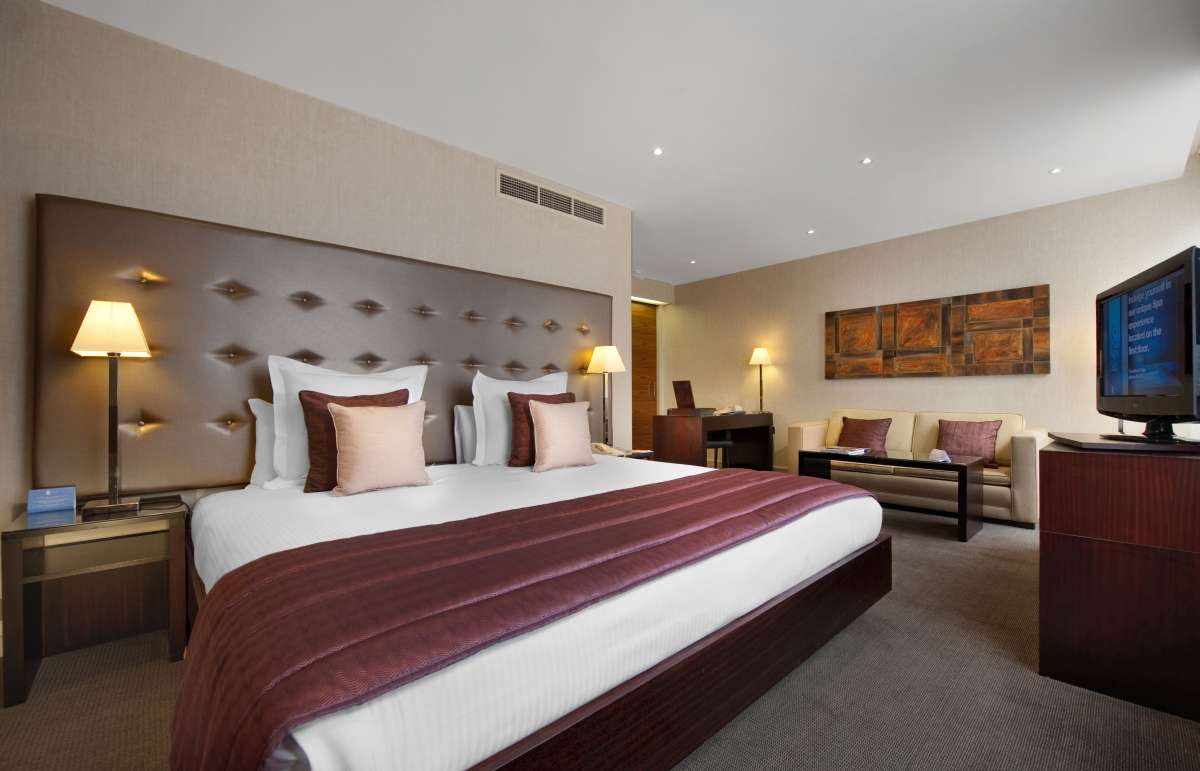
Ultimately, the ability to book a hotel for a few hours is redefining what a “hotel stay” truly means. It moves beyond the traditional overnight accommodation model to embrace a more granular, experience-driven approach. Hotels are transforming into versatile hubs that offer more than just a place to sleep; they are becoming flexible spaces for work, relaxation, wellness, and social interaction, accessible on demand.
This evolution emphasizes convenience, personalization, and value, allowing guests to curate their hotel experience to precisely match their momentary needs. The future of accommodation will likely see even greater integration of these flexible options, with hotels becoming multi-functional spaces that cater to the evolving demands of modern life, offering comfort and luxury not just for a night, but for a few precious hours, whenever and wherever they are needed.
LifeOutOfTheBox is a participant in the Amazon Services LLC Associates Program, an affiliate advertising program designed to provide a means for sites to earn advertising fees by advertising and linking to Amazon.com. Amazon, the Amazon logo, AmazonSupply, and the AmazonSupply logo are trademarks of Amazon.com, Inc. or its affiliates. As an Amazon Associate we earn affiliate commissions from qualifying purchases.