
Alaska, often dubbed “The Last Frontier,” is a land of breathtaking natural beauty, pristine wilderness, and an undeniable allure for adventurers. Among its myriad wonders, the celestial ballet of the Aurora Borealis, or Northern Lights, stands paramount. This mesmerizing phenomenon transforms the night sky into a canvas of shifting greens, purples, and reds, leaving observers spellbound. For those dreaming of witnessing this ethereal display, Alaska offers some of the most spectacular viewing opportunities on Earth. Its high latitude, expansive dark skies, and relatively accessible viewing locations make it a prime destination for aurora chasers. This guide will delve into the science behind the lights, highlight the best places to witness them, and provide essential tips for planning an unforgettable journey to experience Alaska’s winter magic.

The Science and Seasonality of the Aurora
Understanding the Aurora Borealis begins with a glimpse into its cosmic origins and the optimal conditions required for its appearance. This knowledge is crucial for any traveler hoping to maximize their chances of seeing this natural spectacle.
Understanding the Celestial Dance
The Aurora Borealis is a natural light display in the Earth’s sky, predominantly seen in high-latitude regions. It is the result of disturbances in the magnetosphere caused by solar wind. These disturbances are a consequence of a stream of charged particles (electrons and protons) emanating from the Sun, known as the solar wind, interacting with the Earth’s magnetic field. When these charged particles collide with atoms and molecules in the Earth’s upper atmosphere, they excite them, causing them to emit light. Oxygen atoms typically glow greenish-yellow (the most common color), while nitrogen molecules produce blues and reds. The interplay of these colors creates the dynamic, shifting curtains of light that define the aurora. The Earth’s magnetic field directs these particles towards the magnetic poles, which is why the aurora is most visible in regions near the Arctic and Antarctic Circles. Alaska’s geographical position places it squarely within the “auroral oval,” a band around the magnetic pole where aurora activity is most intense.
Best Time to Witness the Spectacle
Timing is everything when it comes to aurora hunting. While the aurora is a year-round phenomenon, its visibility is entirely dependent on darkness. This means the best time to see the Aurora Borealis in Alaska is during the months with the longest nights and darkest skies. Typically, the prime viewing season runs from late August to mid-April. Within this window, the months of September, October, February, and March often present excellent opportunities due to a good balance of dark skies and slightly less extreme cold than the deep winter months.
Key factors for visibility include:
- Darkness: Absolutely essential. The aurora cannot compete with sunlight. This rules out Alaska’s summer months, where the phenomenon of the “midnight sun” means continuous daylight.
- Clear Skies: Cloud cover is the aurora hunter’s nemesis. A clear, cloudless sky is paramount for viewing.
- Solar Activity: While unpredictable, periods of increased solar activity (solar flares or coronal mass ejections) can lead to stronger and more frequent aurora displays. Forecasts often refer to the Kp-index, a measure of geomagnetic activity.
Weather and Light Pollution: Crucial Considerations
Beyond the solar activity, two terrestrial factors significantly impact aurora visibility: weather and light pollution. Alaska‘s winter weather can be challenging, with frequent snowfalls and cloudy conditions. Therefore, flexibility in your travel plans and a willingness to brave the cold are often rewarded. Checking local weather forecasts is indispensable.
Light pollution, particularly from urban centers, can diminish the aurora’s brilliance. Even a faint glow from a distant town can obscure weaker displays. For the most spectacular views, it’s essential to venture away from city lights into truly dark environments. This often means driving a short distance outside of towns or staying in remote lodges designed for aurora viewing. The farther you are from artificial light sources, the more vibrant and detailed the aurora will appear against the vast, inky blackness of the Alaskan night sky.
Prime Locations for Aurora Viewing in Alaska
While the entire state of Alaska is within the auroral oval, some locations offer consistently better conditions and infrastructure for aurora chasers. Knowing these prime spots can significantly enhance your chances of a successful viewing experience.
Fairbanks: The Aurora Capital
Often hailed as the “Aurora Capital of Alaska” and even the world, Fairbanks is undoubtedly the premier destination for witnessing the Northern Lights. Located in the heart of the interior, Fairbanks’ position just below the Arctic Circle (64 degrees north latitude) places it directly under the auroral oval, ensuring a high probability of sightings. Furthermore, its relatively dry climate compared to coastal Alaska means more clear nights, which are essential for aurora viewing.
Fairbanks offers excellent infrastructure for aurora tourists, including specialized tours, lodges, and warm viewing areas. Some popular viewing spots around Fairbanks include:
- Chena Hot Springs Resort: A famous destination about 60 miles northeast of Fairbanks. Guests can soak in the natural hot springs while waiting for the lights or join dedicated aurora tours to nearby secluded cabins. The resort also boasts an ice museum, making it a unique multi-day experience.
- Ester Dome and Murphy Dome: These elevated vantage points just outside Fairbanks offer panoramic views and are away from city light pollution. Many aurora tour operators utilize these locations.
- University of Alaska Fairbanks Geophysical Institute: While not a direct viewing spot, the institute provides vital aurora forecasts and information, making it a valuable resource for planning your viewing nights in Fairbanks.
The community in Fairbanks is well-equipped to cater to aurora hunters, with numerous tour operators offering comfortable, heated viewing options and knowledgeable guides.
Beyond Fairbanks: Other Excellent Spots
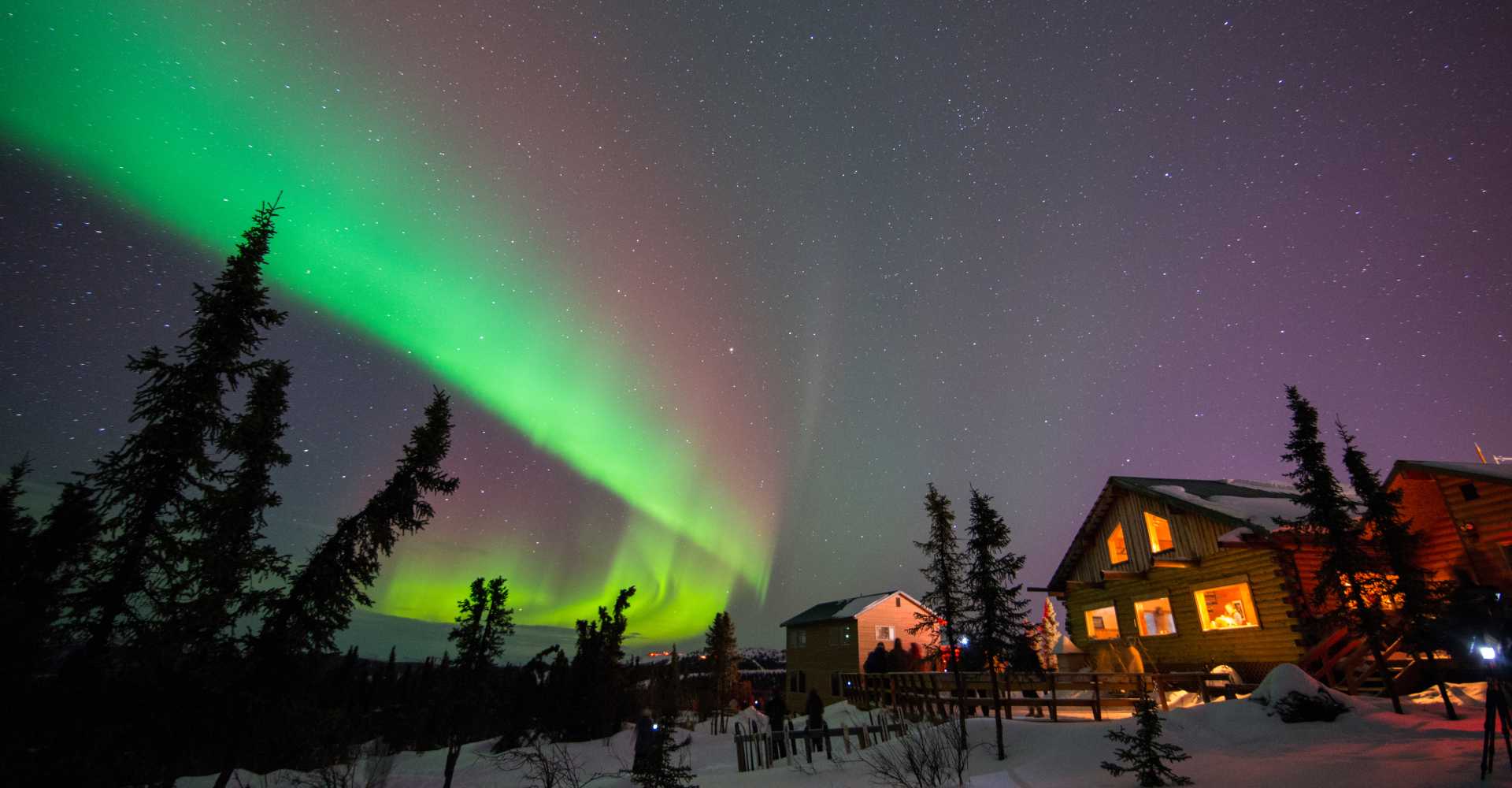
While Fairbanks is a top choice, other parts of Alaska also offer incredible opportunities, often with unique backdrops and experiences.
- Anchorage: As Alaska’s largest city, Anchorage suffers from significant light pollution, making aurora viewing more challenging than in Fairbanks. However, on nights of strong aurora activity, it is possible to see the lights by driving a short distance out of the city. Good spots include the Glen Alps Trailhead in the Chugach Mountains or towards the Eagle River Nature Center. While not as consistent as Fairbanks, catching the aurora over the backdrop of mountains and city lights can be a memorable experience.
- Denali National Park and Preserve: Known for North America’s highest peak, Denali National Park and Preserve offers vast, untouched wilderness and exceptionally dark skies. Its remote nature makes it an ideal spot for aurora viewing, especially in the late autumn or early spring when parts of the park road are still accessible, but the winter darkness has set in. Viewing the aurora over the snow-capped landscape, possibly with the majestic Denali mountain in the distance, is an unparalleled experience. However, winter access can be challenging, with most of the park road closed to private vehicles.
- Coldfoot & Wiseman (Arctic Circle): For the truly adventurous, heading further north into the Arctic offers some of the darkest skies imaginable. Coldfoot, located approximately 250 miles north of Fairbanks on the Dalton Highway (Haul Road), is a popular stop for those venturing into the Arctic. The nearby village of Wiseman is even more remote, providing truly unparalleled darkness. These locations are deep within the auroral oval, promising excellent chances. However, travel to these areas requires significant planning, suitable winter vehicles, and an understanding of extreme cold weather conditions.
- Utqiagvik (Barrow): As the northernmost city in the United States, Utqiagvik experiences polar night for several months, offering extended periods of darkness ideal for aurora viewing. The lights here often appear directly overhead. However, reaching Utqiagvik requires flying, and the extreme Arctic conditions mean this destination is only for the most intrepid travelers.
Planning Your Alaskan Aurora Adventure
A successful aurora hunting trip to Alaska requires careful planning, especially given the state’s challenging winter environment. Preparation can make all the difference between a frustrating night and an unforgettable display.
Essential Gear and Preparation
The Alaskan winter is unforgiving, and being unprepared can quickly turn an exciting adventure into a miserable ordeal. Proper gear is non-negotiable:
- Warm Clothing: Layers are key. Think thermal base layers, fleece mid-layers, and a heavy-duty, waterproof and windproof outer shell (jacket and pants). Don’t forget warm socks, insulated waterproof boots (rated for -40°F/-40°C), a heavy hat that covers your ears, and insulated gloves or mittens. Hand warmers and toe warmers are also highly recommended.
- Camera Equipment: To capture the aurora’s magic, a camera capable of manual settings is essential. This includes a wide-angle lens (f/2.8 or faster), a sturdy tripod to prevent blur, and extra batteries (cold drains batteries quickly). A remote shutter release is also useful to avoid camera shake.
- Headlamp: A red light headlamp is ideal as it preserves your night vision without affecting others’ aurora viewing or photography.
- Thermos: A thermos filled with hot chocolate, coffee, or tea can provide much-needed warmth during long waits in the cold.
Beyond gear, educate yourself on cold-weather safety, including signs of frostbite and hypothermia, and how to stay warm.
Guided Tours vs. Self-Exploration
Deciding between a guided tour and independent exploration depends on your comfort level with winter driving, remote conditions, and your budget.
- Guided Tours: Many operators in Fairbanks offer aurora chasing tours. These often include transportation from your hotel, warm viewing areas (sometimes heated yurts or cabins), hot beverages, and expert guides who monitor aurora forecasts and know the best local viewing spots. Some tours even include photography assistance. This option is ideal for those who prefer convenience, safety, and local expertise without the hassle of navigating unfamiliar winter roads.
- Self-Exploration: For the independent traveler with appropriate winter driving experience and a rented 4×4 vehicle, self-exploration offers flexibility. You can drive to public viewing spots outside of town. This requires diligence in checking aurora forecasts, local weather, and road conditions. Always inform someone of your plans and ensure your vehicle is well-maintained and stocked with emergency supplies.
Staying Informed: Aurora Forecasts
Reliable information is your best friend when hunting the aurora. The University of Alaska Fairbanks Geophysical Institute provides an excellent aurora forecast that is invaluable for planning. These forecasts predict geomagnetic activity levels (Kp-index) for the next few days, helping you gauge your chances. Many tour operators also stay abreast of these forecasts and share updates. Additionally, local weather forecasts are crucial for ensuring clear skies. Regularly checking both aurora and weather forecasts will significantly increase your odds of witnessing a spectacular display.
Enhancing Your Aurora Experience
While the primary goal is to see the Northern Lights, an Alaska trip offers much more. Integrating other activities and preparing to capture the moment can make your journey truly complete.
Day Activities While You Wait
Waiting for the night to fall and the aurora to appear can be an adventure in itself. Alaska in winter is a wonderland offering a plethora of activities to fill your daylight hours:
- Dog Sledding: Experience Alaska’s state sport with a thrilling ride through snowy trails. Many kennels offer tours, from short rides to multi-day expeditions.
- Snowmobiling (Snowmachining): Explore vast winter landscapes on a powerful snowmobile, offering an exhilarating way to cover ground.
- Ice Sculpting and Ice Museums: In Fairbanks, visit the world-famous Ice Museum at Chena Hot Springs Resort, or if timing is right, witness the International Ice Art Classic.
- Hot Springs: Soaking in natural hot springs, especially Chena Hot Springs Resort, is a perfect way to relax and warm up, potentially even catching the aurora directly from the thermal pools if conditions align.
- Ice Fishing: Try your hand at ice fishing on a frozen lake, a serene and distinctly Alaskan winter activity.
- Cross-Country Skiing and Snowshoeing: Explore groomed trails or venture into the backcountry, offering quiet solitude amidst stunning scenery.
These activities not only provide entertainment but also allow you to experience the unique beauty and culture of winter in Alaska, creating a well-rounded and unforgettable trip.

Capturing the Magic
Photographing the Aurora Borealis is a rewarding challenge that allows you to preserve the fleeting beauty of the lights. Even if you’re not a professional photographer, a few basic tips can help you capture stunning images:
- Manual Mode: Set your camera to manual mode.
- Wide Aperture: Use the widest aperture your lens allows (e.g., f/2.8 or lower) to gather as much light as possible.
- High ISO: Start with an ISO around 800-3200, adjusting higher if the aurora is faint, but be mindful of noise.
- Long Exposure: Experiment with exposure times between 5 to 20 seconds. Shorter exposures capture more detail in dynamic auroras, while longer ones brighten fainter displays.
- Focus to Infinity: Manually set your lens focus to infinity.
- Composition: Include elements like trees, mountains, or a cabin in the foreground to give scale and depth to your aurora photos.
- Tripod: Absolutely essential for sharp images during long exposures.
- Extra Batteries: Keep spare batteries warm in an inside pocket, as cold severely reduces battery life.
Practice these settings before your trip, perhaps by taking night shots in your local area. Remember, even with the best gear, the greatest camera is the one in your hand, so be prepared to put it down and simply immerse yourself in the awe-inspiring experience of the aurora.
Witnessing the Aurora Borealis in Alaska is a bucket-list experience that combines the thrill of adventure with the profound beauty of nature. From the scientific dance of solar particles to the strategic planning required for success, every aspect of an aurora chase contributes to its unique appeal. By choosing prime viewing locations like Fairbanks, preparing adequately for the challenging conditions, and embracing the full spectrum of Alaskan winter activities, travelers can transform a dream into a tangible, unforgettable reality. The Northern Lights are more than just a light show; they are a profound connection to the cosmos, a reminder of our planet’s place in the universe, and an experience that truly moves the soul.
LifeOutOfTheBox is a participant in the Amazon Services LLC Associates Program, an affiliate advertising program designed to provide a means for sites to earn advertising fees by advertising and linking to Amazon.com. Amazon, the Amazon logo, AmazonSupply, and the AmazonSupply logo are trademarks of Amazon.com, Inc. or its affiliates. As an Amazon Associate we earn affiliate commissions from qualifying purchases.