
Discovering bed bugs during a hotel stay can transform a much-anticipated trip into a distressing ordeal. Beyond the immediate discomfort of itchy bites and the psychological distress of knowing your sleeping space is infested, there’s the very real concern of bringing these unwelcome guests home. Many travelers, upon encountering such a situation, immediately wonder about their legal recourse: can you sue a hotel for bed bugs? The answer, while nuanced, is often yes, provided certain conditions are met and proper procedures are followed. This article delves into the intricacies of hotel liability, guest rights, and the legal framework surrounding bed bug infestations, offering a professional and insightful guide for those navigating this challenging experience.
Understanding a Hotel’s Duty of Care
Hotels, as establishments that offer lodging to the public, owe their guests a fundamental “duty of care.” This legal principle means they are responsible for providing a safe and habitable environment. When it comes to bed bugs, this duty is often interpreted through two key legal concepts: the implied warranty of habitability and negligence.
The Implied Warranty of Habitability
The implied warranty of habitability is a legal doctrine that applies to landlords and, by extension, to hotels. It stipulates that the rented premises, in this case, a hotel room, must be fit for human habitation. This means the room should be clean, safe, and free from conditions that threaten the guest’s health or safety. A severe bed bug infestation can unequivocally violate this warranty, rendering a room uninhabitable. When a hotel fails to uphold this warranty, guests may have grounds to seek compensation for damages, including the cost of their stay and any related expenses. This warranty doesn’t necessarily require proof of the hotel’s fault but rather focuses on the condition of the premises itself.
Negligence and Foreseeability
While the implied warranty of habitability focuses on the condition, negligence centers on the hotel’s actions or inactions. To prove negligence, a guest must demonstrate that the hotel failed to exercise reasonable care to prevent or address a bed bug infestation, and that this failure directly led to the guest’s injuries or damages. The concept of “foreseeability” is crucial here. If a hotel knew or reasonably should have known about a bed bug problem—for instance, through prior guest complaints, staff reports, or a history of infestations—and failed to take appropriate action, they could be deemed negligent. This includes failing to conduct regular inspections, properly train staff, or implement effective pest control measures. A hotel’s responsibility extends to ensuring all rooms, from standard offerings to luxury suites at a place like the Grandview Inn, are maintained to a safe standard.
Common Causes of Bed Bug Infestations in Hotels
Understanding how bed bugs infiltrate hotels can shed light on a hotel’s potential negligence. These resilient pests are expert hitchhikers, often transported in luggage, clothing, or personal items. High guest turnover, particularly in bustling tourist hubs like Miami, makes hotels particularly vulnerable. Common causes include:
- Inadequate Inspections: Failure to regularly inspect rooms, especially mattresses, headboards, and upholstered furniture.
- Insufficient Staff Training: Hotel staff (housekeepers, front desk) not being trained to identify bed bug signs or handle complaints appropriately.
- Poor Protocol for Reporting: Lack of a clear, efficient system for guests or staff to report suspected infestations.
- Ineffective Treatment: Using DIY solutions or calling unreliable pest control services that don’t fully eradicate the problem, leading to recurring infestations.
- Premature Re-renting: Putting an infested room back into service before it has been thoroughly treated and verified bug-free.
Immediate Steps When You Discover Bed Bugs
If you suspect or confirm a bed bug infestation in your hotel room, your immediate actions are critical, not only for your health and safety but also for any potential legal claim you might pursue.
Documenting the Evidence
The first and most crucial step is to meticulously document everything. This means taking clear, well-lit photographs or videos of:
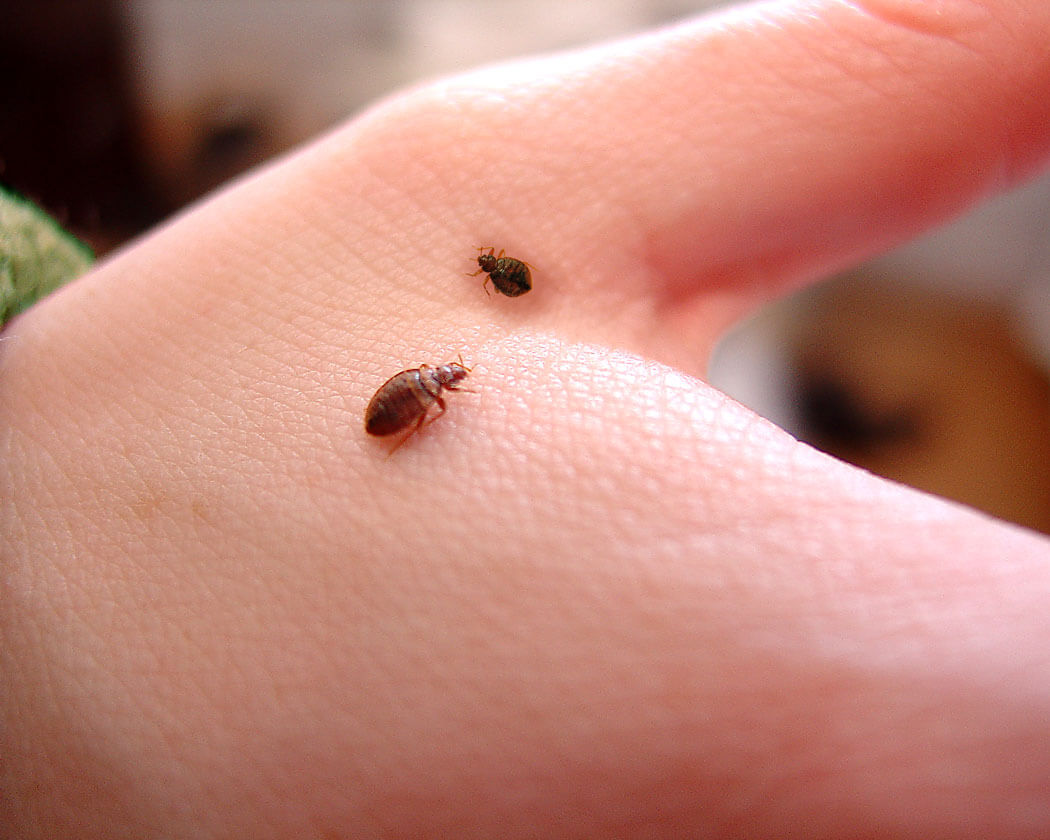
- The bed bugs themselves: Focus on live bugs, shed skins, and fecal spots (small, dark stains) on mattresses, sheets, pillowcases, and headboards.
- Bites on your body: Photograph any visible bites, rashes, or skin reactions, noting their location and appearance.
- The room: Capture the overall state of the room, focusing on areas where bed bugs are commonly found (mattress seams, behind the headboard, cracks in walls, upholstered furniture).
- Any damaged belongings: If your luggage or personal items show signs of infestation, document that as well.
Keep a detailed record of dates, times, and specific locations where you found evidence. This comprehensive documentation forms the backbone of any claim, providing tangible proof of the infestation.
Reporting to Hotel Management
Once you have documented the evidence, immediately report the issue to hotel management. Do not simply move to another room without first bringing the matter to their attention and documenting the interaction.
- Report in Writing: While an in-person or phone call is a start, follow up with a written communication (email, formal letter) detailing your discovery. This creates a paper trail.
- Be Specific: Clearly state what you found, where you found it, and when.
- Request Action: Demand a new, thoroughly inspected, and certified bed-bug-free room, or alternative accommodation if the hotel cannot provide one. Do not accept another room without verification of its bug-free status.
- Document the Interaction: Note the name and title of the person you spoke with, the date, and a summary of the conversation. If the hotel offers compensation or a refund, document those details.
- Do Not Destroy Evidence: If possible, try to preserve a sample of the bug (e.g., in a sealed plastic bag) for identification, though photographs are often sufficient.
Seeking Medical Attention
Bed bug bites can cause more than just itching. Some individuals experience severe allergic reactions, secondary infections from scratching, or significant psychological distress, including anxiety, insomnia, and even PTSD.
- Consult a Healthcare Professional: If you experience severe itching, a rash, signs of infection (redness, swelling, pus), or significant psychological impact, seek medical attention promptly.
- Obtain Medical Records: Ensure your doctor documents the bites, your symptoms, and the suspected cause. These medical records will be crucial evidence of the harm you suffered.
- Record Costs: Keep track of all medical expenses, including doctor’s visits, prescriptions, and over-the-counter treatments.
Building Your Legal Case: Key Elements
Successfully suing a hotel for bed bugs hinges on demonstrating specific legal elements. It’s not enough to simply have been bitten; you must prove the hotel’s liability and the damages you incurred.
Proving Hotel Negligence
As discussed, proving negligence is often central to bed bug lawsuits. This involves showing:
- Duty: The hotel owed you a duty of care (which, as a guest, they always do).
- Breach: The hotel breached that duty by failing to act reasonably to prevent or eradicate the bed bugs. This could be due to a lack of inspections, ignoring prior complaints, or improper treatment.
- Causation: The hotel’s breach directly caused the bed bug infestation in your room and, subsequently, your injuries and damages. This requires showing that the infestation originated within the hotel and not from an outside source you introduced.
- Damages: You suffered actual harm (bites, medical expenses, property damage, emotional distress) as a result.
Evidence like prior complaints from other guests, pest control records (or lack thereof), internal hotel communications about bed bug issues, and expert testimony from entomologists can all help establish negligence.
Demonstrating Damages Suffered
The extent of your recoverable damages depends on the severity of your experience. Damages can generally be categorized as:
- Economic Damages: These are quantifiable financial losses, such as medical bills (doctor visits, medications), lost wages (if the bites or related distress prevented you from working), costs for exterminating bed bugs from your home or belongings (if they hitchhiked), and the cost of the hotel room itself.
- Non-Economic Damages: These are more subjective and compensate for non-financial losses, including pain and suffering, emotional distress, psychological trauma (anxiety, fear of travel, insomnia), and disfigurement (if severe scarring occurs). The value of these damages is often determined by the severity and duration of the impact on your life.
The Importance of Timeliness
Time is of the essence when pursuing a bed bug claim.
- Statute of Limitations: Each state has a “statute of limitations,” which is a legal deadline for filing a lawsuit. Missing this deadline will almost certainly result in your case being dismissed, regardless of its merits. Personal injury claims typically have statutes of limitations ranging from one to six years, but it varies by jurisdiction.
- Preserving Evidence: The sooner you act, the easier it is to preserve evidence. Bed bugs can be exterminated, bites can heal, and memories can fade. Prompt action ensures that all documentation and testimony are as fresh and accurate as possible.
- Seeking Legal Counsel: Engaging with a personal injury attorney specializing in premises liability or bed bug cases early on can significantly strengthen your position. They can guide you through the process, ensure all deadlines are met, and help gather necessary evidence.
The Legal Process and Potential Compensation
Once you’ve gathered your evidence and decided to pursue a claim, understanding the legal process and the types of compensation available is crucial.
Types of Damages You Can Claim
Beyond the basic economic and non-economic damages, specific claims related to bed bugs can include:
- Property Damage: This covers the cost of replacing or cleaning luggage, clothing, or other personal items that were infested and potentially ruined. For example, if you stayed at the Paradise Palms Resort and your designer suitcase was infested beyond salvage.
- Travel-Related Expenses: Costs incurred due to having to relocate to another hotel, cancel portions of your trip, or rebook flights because of the infestation.
- Extermination Costs: If bed bugs were brought home, the professional extermination services required to rid your residence of the pests are a significant and often recoverable expense.
- Punitive Damages: In rare cases, if a hotel’s conduct was exceptionally egregious, reckless, or intentional (e.g., knowingly renting out an infested room without warning), punitive damages might be awarded. These are intended to punish the wrongdoer and deter similar conduct in the future, not just compensate the victim.
Navigating Small Claims vs. Personal Injury Lawsuits
The path you take depends on the extent of your damages.
- Small Claims Court: If your damages are relatively minor (e.g., cost of the room, minor medical expenses, minimal property damage), small claims court might be an option. These courts have monetary limits (which vary by state, often a few thousand dollars) and typically allow individuals to represent themselves without an attorney, making the process less expensive and complex.
- Personal Injury Lawsuit: For more significant damages, particularly those involving substantial medical expenses, lost wages, or severe emotional distress, a full personal injury lawsuit in civil court is usually necessary. These cases are more complex, often require extensive discovery, expert witnesses, and almost always necessitate legal representation. An attorney can help determine the appropriate venue and strategy.
The Role of Legal Counsel
Engaging an experienced personal injury attorney is highly recommended for bed bug claims. They can:
- Assess Your Case: Evaluate the strength of your claim, identify potential damages, and advise on the best course of action.
- Gather Evidence: Assist in collecting crucial evidence, including hotel records, pest control reports, medical documentation, and expert testimony.
- Negotiate with Hotels/Insurers: Act as your advocate in negotiations with the hotel and its insurance carriers, who will likely attempt to minimize their liability.
- Represent You in Court: If a settlement cannot be reached, they will represent you through litigation, trial, and appeals if necessary.
Their expertise can significantly impact the outcome and the amount of compensation you receive.
Preventing Bed Bugs While Traveling and Hotel Responsibilities
While the legal recourse for bed bug infestations provides a safety net, prevention is always better. Both guests and hotels have roles to play in minimizing the risk.
Guest Precautions for a Safe Stay
Travelers can adopt several habits to reduce their risk of encountering bed bugs:
- “S.L.E.E.P.” Check: Upon entering a room, “Survey” for signs of bed bugs (fecal spots, shed skins), “Lift” mattresses and furniture to inspect, “Examine” your luggage rack and belongings, “Elevate” your luggage off the floor, and “Place” items in sealed plastic bags.
- Luggage Protection: Keep suitcases zipped and preferably on a metal luggage rack away from walls. Avoid placing bags on the bed or upholstered furniture.
- Laundry Post-Trip: Upon returning home, immediately wash and dry all travel clothes on high heat, even if unworn. Vacuum and inspect your luggage.
- Be Vigilant: Trust your instincts. If something feels off about a room, ask for another.

Hotel Protocols for Prevention and Eradication
Reputable hotels take bed bug prevention seriously, implementing comprehensive protocols to protect their guests and reputation. These responsibilities include:
- Regular Inspections: Implementing a routine and thorough inspection schedule for all rooms, especially focusing on mattresses, bedding, and upholstered furniture.
- Staff Training: Educating all staff, particularly housekeeping and front desk personnel, on how to identify bed bugs, respond to guest complaints, and follow proper reporting procedures.
- Effective Pest Management: Partnering with professional pest control companies for proactive treatments and rapid response to any suspected infestations. This includes using integrated pest management (IPM) strategies.
- Quarantine Procedures: Immediately taking an infested room out of service, sealing it, and treating it comprehensively before it is ever re-rented. This often involves treating adjacent rooms as well.
- Open Communication: Being transparent and responsive to guest concerns, providing clear information on steps taken to address infestations, and offering suitable alternatives.
In conclusion, while discovering bed bugs in a hotel is an unpleasant experience, guests do have significant legal rights. Understanding these rights, meticulously documenting evidence, and acting promptly are crucial steps in holding hotels accountable for their duty of care. With proper diligence and, when necessary, legal assistance, you can seek appropriate compensation for the inconvenience, discomfort, and financial burdens caused by a bed bug infestation.
LifeOutOfTheBox is a participant in the Amazon Services LLC Associates Program, an affiliate advertising program designed to provide a means for sites to earn advertising fees by advertising and linking to Amazon.com. Amazon, the Amazon logo, AmazonSupply, and the AmazonSupply logo are trademarks of Amazon.com, Inc. or its affiliates. As an Amazon Associate we earn affiliate commissions from qualifying purchases.