
While the allure of Texas might bring to mind sprawling ranches, vibrant city life in Austin or Dallas, and the savory delights of Tex-Mex cuisine, it’s also a place where official documentation plays a crucial role in day-to-day life. For many, this includes renewing their driver’s license. Whether you’re a seasoned resident or a newcomer looking to navigate the Lone Star State with ease, understanding the renewal process is essential. This guide aims to demystify what you need to renew your license in Texas, ensuring a smooth and hassle-free experience.
The Texas Department of Public Safety (DPS) oversees the issuance and renewal of driver’s licenses across the state. Their primary goal is to ensure that all licensed drivers meet the necessary requirements for safe operation of a vehicle. The renewal process has been streamlined over the years, with various options available to accommodate different needs and preferences. Understanding these options and the required documentation is the first step to a successful renewal.
Eligibility and Renewal Options
Before diving into the specifics of what you need, it’s important to determine if you are eligible for renewal and which method best suits your circumstances. Texas offers several convenient ways to renew your license, catering to different situations.
Online Renewal
For many Texas residents, the most straightforward and convenient method is renewing online. This option is generally available if you meet specific criteria, such as:
- Your license is not expired for more than two years.
- You are at least 18 years old.
- You have not had a change of address since your last renewal.
- You do not have any unpaid tickets or warrants.
- You do not need to change the information on your license, such as your name or gender marker.
- You are not applying for a commercial driver’s license (CDL) or a provisional license.
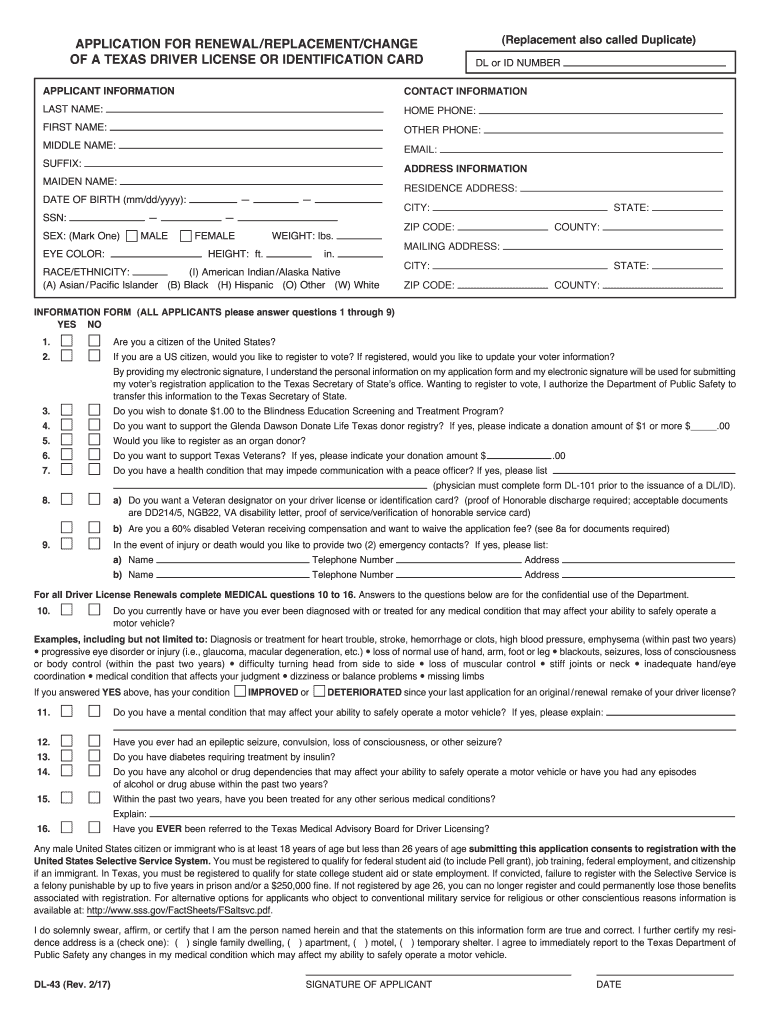
If you meet these qualifications, renewing online through the Texas DPS website can save you a trip to a local driver’s license office. You’ll typically need your current Texas driver’s license number, date of birth, and the last four digits of your Social Security number. You will also need a valid credit or debit card to pay the renewal fee. The renewed license will be mailed to your address on file.
Renewal by Mail
Similar to online renewal, renewal by mail is an option for those who qualify. This typically applies to individuals who are temporarily out of state or unable to visit a driver’s license office in person. The eligibility requirements are often similar to online renewal, but it’s always best to check the official Texas DPS website for the most up-to-date information. You will usually receive a renewal notice in the mail, which will include instructions on how to proceed with a mail-in renewal. This might involve completing a form and mailing it back with the required fee.
In-Person Renewal
For those who do not qualify for online or mail renewal, or who simply prefer to handle their renewal in person, visiting a Texas DPS driver’s license office is the way to go. This is also the path for individuals who need to make changes to their license information, such as a name change or address update, or for those renewing a CDL or provisional license.
When you renew in person, you will typically need to bring several documents with you. These documents serve to verify your identity, Texas residency, and eligibility for renewal. It’s crucial to have all the necessary paperwork in order to avoid multiple trips and delays.
Essential Documentation for In-Person Renewal
When you visit a Texas DPS driver’s license office for renewal, you will need to present specific documents. These are generally categorized into proof of identity, proof of Social Security number, and proof of Texas residency.
Proof of Identity
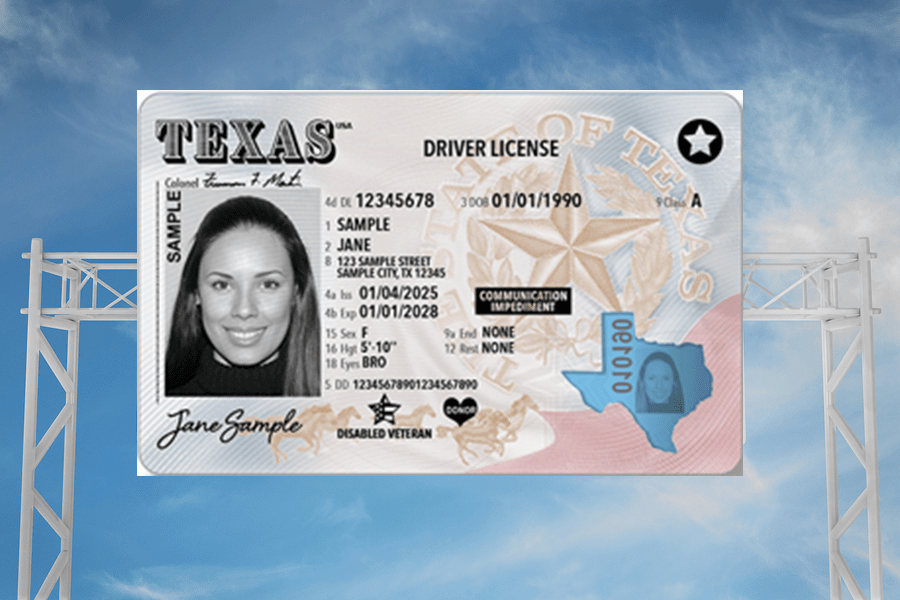
Your primary identification document will be your current Texas driver’s license. However, if your license has expired or you have lost it, you will need alternative forms of identification. Acceptable documents typically include:
- U.S. Birth Certificate: An original or certified copy.
- U.S. Passport: Valid and unexpired.
- Foreign Passport: With a valid U.S. visa and I-94.
- Certificate of Citizenship or Naturalization: Original or certified copy.
- Consular Report of Birth Abroad.
The Texas DPS website provides a comprehensive list of acceptable identification documents. It’s always advisable to review this list beforehand to ensure you have a valid form of identification.
Proof of Social Security Number (SSN)
Texas law requires proof of your Social Security number for all driver’s license applications and renewals. You can provide this through various documents, including:
- Social Security card: The physical card is the most common and preferred method.
- W-2 form: A recent W-2 form from an employer.
- 1099 form: A recent 1099 form from an employer.
- Pay stub: A recent pay stub that clearly displays your full name and SSN.
Again, the Texas DPS website will have the most accurate and complete list of acceptable documents for SSN verification.
Proof of Texas Residency
To renew your Texas driver’s license, you must prove that you are a resident of Texas. This can be done by presenting one or more official documents that show your current Texas address. Common examples include:
- Utility bills: Recent bills (within the last 60-90 days) from providers like electric, gas, water, or internet. These must show your name and current Texas address.
- Bank statements: Recent statements from a Texas financial institution.
- Lease agreements or mortgage statements: For your current residence.
- Voter registration card.
- Vehicle registration or insurance policy.
It’s important to note that the documents must be current and clearly display your full name and Texas residential address. If you have recently moved, ensure your documentation reflects your new address.
Additional Requirements and Considerations
Beyond the core documentation, there are a few other factors to keep in mind when renewing your Texas driver’s license. These can impact the process and the type of license you receive.
Vision Test
As part of the renewal process, you will be required to pass a vision test. This is a standard safety measure to ensure you have adequate eyesight to operate a vehicle safely. If you wear glasses or contact lenses for driving, be sure to bring them with you to the driver’s license office. If you have a vision condition that requires a correction, your renewed license may have a restriction noted on it, such as “must wear corrective lenses while driving.”
Knowledge and Driving Tests
In most cases, if your license has not expired or is only recently expired, you will not need to retake the written knowledge test or the driving test. However, there are exceptions. If your license has been expired for a significant period, or if you have a history of traffic violations, the Texas DPS may require you to retake one or both tests. It’s always a good idea to familiarize yourself with the Texas driver handbook, which can be found on the Texas DPS website, just in case.
Fees
There is a fee associated with renewing your driver’s license in Texas. The amount varies depending on the type of license and any endorsements or additional features you may be adding. You can find a current fee schedule on the Texas DPS website. Payment is typically accepted in the form of cash, check, money order, or credit/debit card at the driver’s license office. Online renewals usually require a credit or debit card.
Real ID Compliance
In Texas, like in many other states, driver’s licenses are now compliant with the REAL ID Act. This means that to obtain a REAL ID compliant license, you will need to provide more extensive documentation than was previously required. This typically includes proof of your identity, Social Security number, and two proofs of Texas residency. If you are renewing your license and haven’t already obtained a REAL ID, you will likely be issued one by default unless you specifically opt out. It’s important to understand the requirements for a REAL ID if you plan to use your driver’s license for federal purposes, such as boarding domestic flights or entering certain federal facilities.
Renewing Before Expiration
It’s highly recommended to renew your license before it expires. The Texas DPS typically allows you to renew up to six months before your current license’s expiration date. Renewing early ensures you don’t face any lapses in your driving privileges and avoids the potential rush and longer wait times that can occur closer to the expiration date.
In conclusion, renewing your driver’s license in Texas is a manageable process with the right preparation. By understanding the available renewal options, gathering the necessary documentation, and being aware of any additional requirements, you can ensure a smooth transition to your renewed Texas driver’s license, allowing you to continue exploring all that the great state has to offer, from the vibrant culture of San Antonio to the natural beauty of Big Bend National Park.
LifeOutOfTheBox is a participant in the Amazon Services LLC Associates Program, an affiliate advertising program designed to provide a means for sites to earn advertising fees by advertising and linking to Amazon.com. Amazon, the Amazon logo, AmazonSupply, and the AmazonSupply logo are trademarks of Amazon.com, Inc. or its affiliates. As an Amazon Associate we earn affiliate commissions from qualifying purchases.