
When you embark on a journey, whether it’s a luxurious escape to a tropical island or a practical business trip, the security of your hotel room door is paramount. While the allure of new destinations, captivating attractions, and the promise of unforgettable experiences can fill your mind, a sense of safety in your temporary abode is the foundation of a truly relaxing and enjoyable stay. This guide delves into comprehensive strategies to ensure your hotel room remains a secure sanctuary, drawing upon the broad spectrum of travel, accommodation, and lifestyle considerations that shape our adventures.

Understanding Hotel Security: Beyond the Lock
The modern hotel industry, from grand resorts to boutique inns, invests significantly in security measures. However, understanding these systems and supplementing them with personal vigilance is key to safeguarding your belongings and your peace of mind. This isn’t just about preventing a break-in; it’s about ensuring your personal space remains private and protected, allowing you to fully immerse yourself in the local culture, explore famous places, and savor delicious food without unnecessary worry.
The Digital Fortress: Key Cards and Electronic Locks
The ubiquitous key card system has largely replaced traditional metal keys, offering a blend of convenience and improved security. These cards, encoded with unique information, grant access only to authorized individuals.
How Key Cards Work and Their Limitations
Electronic locks on hotel doors typically use magnetic stripe, barcode, or RFID technology. When you check in, your room number is programmed onto a blank card, assigning you a specific access code for a limited duration. This system offers several advantages:
- Easy Re-keying: If a card is lost or stolen, the hotel can immediately deactivate it, rendering it useless and preventing unauthorized access without needing to change the physical lock. This is a significant upgrade from mechanical locks where a lost key meant re-keying the entire lock cylinder.
- Audit Trails: Many advanced systems can log who entered a room and when, providing valuable information in case of an incident. This feature can be crucial for staff accountability and guest safety.
- Controlled Access: Hotels can program cards to allow access only during specific times or for specific areas of the hotel, such as the gym or pool.
However, it’s essential to be aware of potential vulnerabilities:
- Duplication: In rare cases, and with specialized equipment, key cards can be duplicated. This highlights the importance of choosing reputable hotels with robust security protocols.
- System Glitches: Like any electronic system, key card locks can malfunction. This might result in your card suddenly not working, or in rare instances, a door failing to lock properly.
- Staff Access: While hotel staff have access to rooms for cleaning and maintenance, well-managed establishments have strict protocols to ensure this access is authorized and supervised.
Maximizing Key Card Security
To maximize the security provided by your key card:
- Treat it like cash: Never leave your key card lying around your room or in a visible place in public.
- Be cautious with duplicates: If the front desk offers you an extra card, accept it only if you understand its purpose and security implications.
- Report malfunctions immediately: If you suspect your lock isn’t working correctly, report it to the front desk promptly. Don’t assume it will fix itself.
The Physical Barrier: Door Integrity and Secondary Locks
While electronic locks are the primary means of securing your room, the physical integrity of the door itself, along with any secondary locking mechanisms, plays a crucial role.
Assessing Your Door’s Strength
A hotel room door is designed to be a deterrent. However, the materials and construction can vary. Generally, doors are made of solid wood or metal, designed to withstand forced entry. Look for:
- Sturdy Construction: Does the door feel solid when you push against it? Are there any obvious signs of damage or wear?
- Secure Frame: The door frame is as important as the door itself. A weak frame can compromise the entire locking mechanism.
- Peephole: A clear and functional peephole is your first line of defense for identifying who is outside before opening the door. Ensure it’s not obstructed.
Understanding and Using Secondary Locks
Most hotel rooms come equipped with at least one secondary lock, often a deadbolt and a security chain or slide bolt.
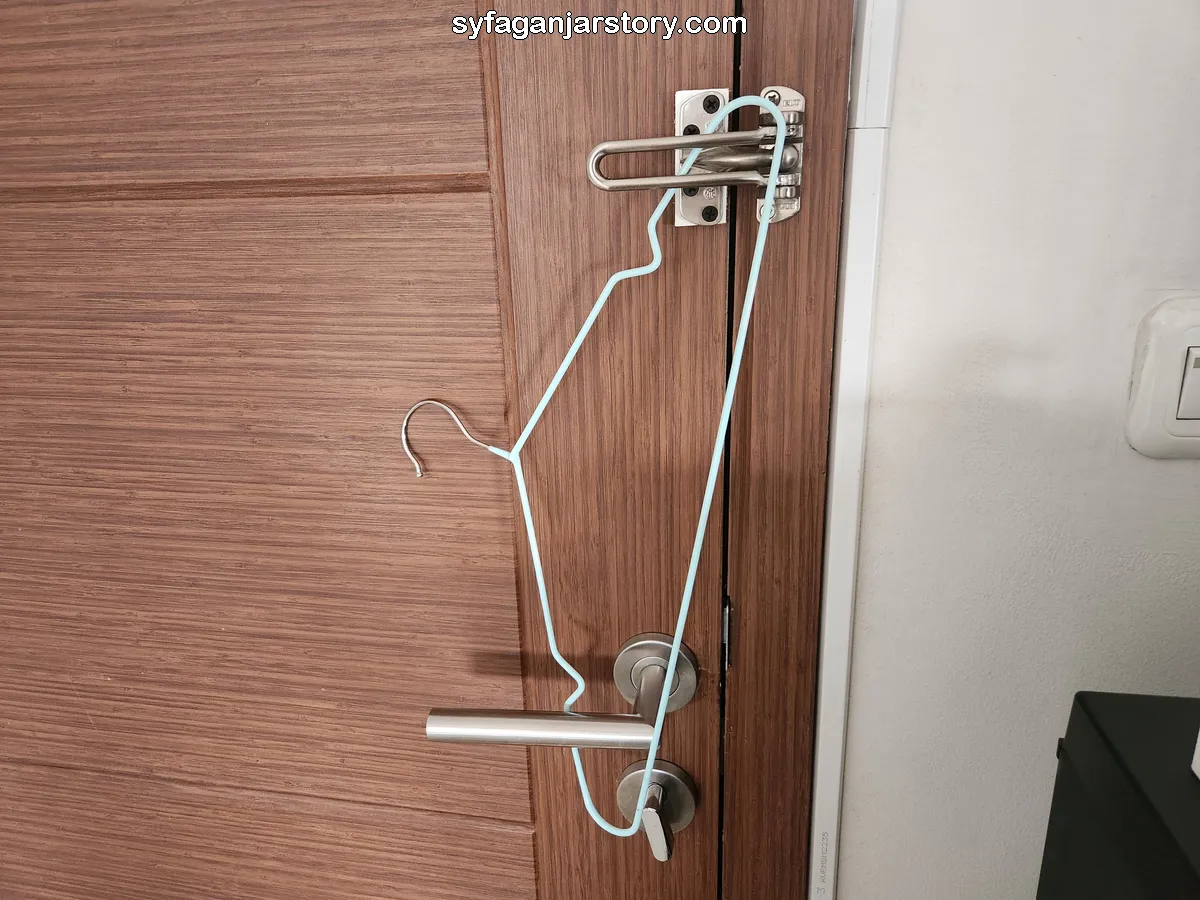
- The Deadbolt: This is a crucial secondary lock that extends a solid bolt into the door frame. Always engage the deadbolt when you are in the room.
- The Security Chain/Slide Bolt: This is a lighter-duty lock that allows you to open the door slightly to see who is there while maintaining a barrier. While it offers some protection, it’s not designed to withstand significant force.
Pro Tip: Familiarize yourself with your room’s locks as soon as you enter. Test them to ensure they are functioning correctly. Many travelers who are accustomed to their home security might forget to engage these secondary locks, especially for short stays or when they feel the hotel is in a safe area.
Beyond the Door: Creating a Secure Room Environment
Securing the door is the most critical step, but a truly secure hotel room involves a holistic approach to your personal space. This extends to your belongings, your awareness of your surroundings, and proactive measures you can take.
Securing Your Valuables
- Use the In-Room Safe: Most hotels provide a safe, typically located in the closet or a drawer. This is the ideal place to store passports, excess cash, jewelry, and other important documents.
- Set a Strong Combination: If the safe uses a programmable combination, choose something memorable but not easily guessable (e.g., avoid birthdays or simple sequences).
- Don’t Leave Valuables Visible: Even if the safe is locked, avoid leaving expensive items in plain sight when you leave the room.
- Luggage Security: Ensure your luggage is securely locked, especially when in transit or in public areas of the hotel like the lobby or airport. Consider using TSA-approved locks.
- Be Discreet with Electronics: When using laptops or other electronics, be mindful of who can see your screen, especially in shared spaces.
Maintaining Situational Awareness
Your awareness of your surroundings is a powerful security tool. This is particularly relevant when traveling to new cities, exploring bustling tourist attractions, or navigating unfamiliar neighborhoods.
- Observe Your Surroundings: When walking to and from your room, pay attention to who is around you. Notice if anyone seems to be paying undue attention to you or your room number.
- Don’t Announce Your Room Number: Be discreet when speaking with hotel staff or companions about your room number. Avoid saying it loudly in public areas.
- Check for Tampering: Before entering your room, take a quick look at the door and lock. Are there any signs of forced entry or tampering?
- Use the Peephole: Always use the peephole to identify visitors before opening the door, even if they claim to be hotel staff. If you’re unsure, call the front desk to verify their identity.
- Avoid Propping Doors Open: Never prop open hotel doors, especially fire escape doors or entrances to corridors. This creates an easy entry point for unauthorized individuals.
Additional Security Measures for Peace of Mind
For those who seek an extra layer of security, several portable devices can be used. These are particularly useful for travelers who might be concerned about the security of specific accommodations or are traveling alone.
- Portable Door Locks: These devices can add an extra physical barrier to your hotel room door. They come in various forms, including wedge alarms that prevent the door from opening if pushed and wedge-style locks that can be inserted into the strike plate.
- Door Jammers: These are stronger, more robust devices that brace against the floor and the door, making it significantly harder to force entry.
- Door Alarms: Small, battery-operated alarms can be placed on the door. If the door is opened, they emit a loud siren, alerting you and potentially deterring an intruder.
When considering these devices, ensure they are legal to use in your destination and that they do not damage hotel property. Always check the hotel’s policy regarding the use of personal security devices.
The Role of Hotel Management in Your Security
While personal vigilance is crucial, the security of your hotel room door is also a direct responsibility of the hotel management. Reputable establishments prioritize guest safety through a combination of physical infrastructure and trained personnel.
Hotel Policies and Procedures
- Staff Training: Hotel employees, especially front desk and housekeeping staff, are typically trained on security protocols, including how to handle suspicious activity and guest requests related to security.
- Room Key Management: Strict procedures for issuing and deactivating room keys are essential. This includes ensuring that only registered guests receive keys and that lost keys are promptly deactivated.
- Maintenance and Inspections: Regular maintenance and inspection of door locks, peepholes, and other security features are vital to ensure they are always in good working order.
- CCTV Surveillance: Many hotels employ CCTV cameras in public areas to monitor activity, which can act as a deterrent and aid in investigations if an incident occurs.
- Emergency Procedures: Hotels should have clear emergency procedures in place for situations such as fire, medical emergencies, or security breaches, and guests should be informed of these procedures, often through in-room information packets.

Choosing Secure Accommodation
When booking your stay, especially for important trips like family trips or business travel, consider the hotel’s reputation and security features.
- Read Reviews: Online reviews often provide insights into a hotel’s safety and security. Look for mentions of security concerns or positive remarks about the feeling of safety. Websites and platforms offering comparison of booking options can be a good starting point.
- Hotel Category: Higher-end hotels and well-known chains often have more sophisticated security systems and protocols. However, even smaller, independent establishments can offer excellent security if they prioritize it. For instance, a charming villa in Tuscany might have different security measures than a sprawling resort in Las Vegas, but both can be secure.
- Location: The safety of the neighborhood or destination where the hotel is located also plays a role. Researching the general safety of the area can provide an additional layer of preparedness.
By combining your own proactive measures with an understanding of the hotel’s security infrastructure and policies, you can significantly enhance the safety of your hotel room door and enjoy your travels with greater peace of mind. Whether you are exploring the landmarks of Paris, enjoying the nature of Costa Rica, or experiencing the vibrant local culture of Kyoto, a secure room is the foundation for a truly rewarding travel experience.
LifeOutOfTheBox is a participant in the Amazon Services LLC Associates Program, an affiliate advertising program designed to provide a means for sites to earn advertising fees by advertising and linking to Amazon.com. Amazon, the Amazon logo, AmazonSupply, and the AmazonSupply logo are trademarks of Amazon.com, Inc. or its affiliates. As an Amazon Associate we earn affiliate commissions from qualifying purchases.