
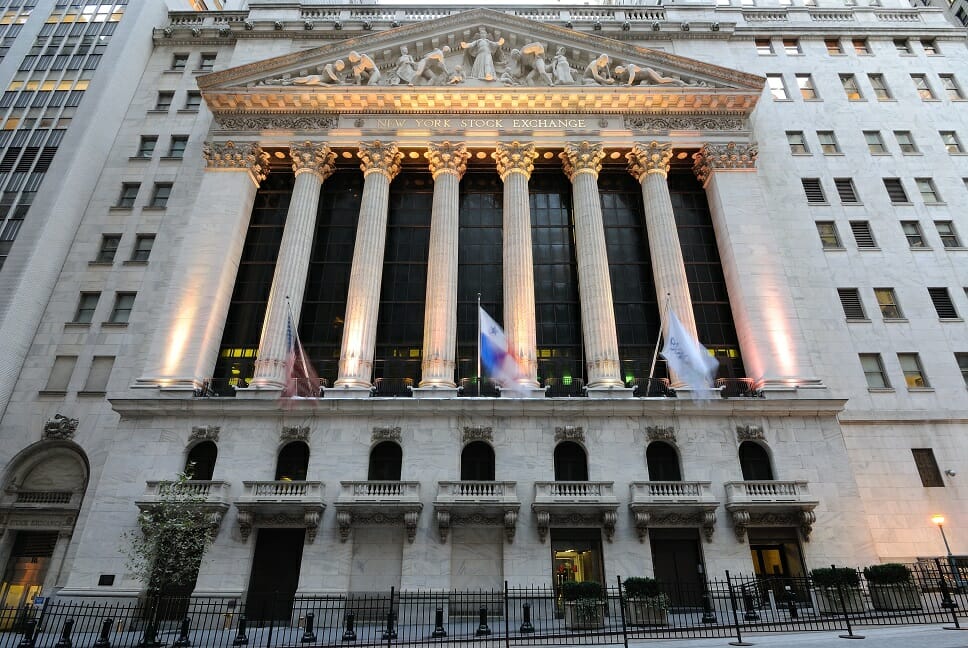
The pulse of global finance beats strongest in the heart of New York City, and at its center lies the New York Stock Exchange (NYSE), a titan of commerce whose opening bell signals the start of a new trading day. For investors, traders, and anyone keen to understand the rhythms of the financial world, knowing precisely when the New York Stock Market swings open its doors is paramount. While the physical location of the NYSE on Wall Street is iconic, its operational hours are of far greater importance to the millions who participate in its daily activities.
This isn’t just a question of simple curiosity; it’s a fundamental piece of information for those who engage with the stock market. Whether you’re a seasoned professional managing large portfolios, a budding investor dipping your toes into the equities ocean, or a traveler whose itinerary might coincidentally align with a visit to the financial district, understanding these timings is crucial. The opening of the market is more than just a clock striking a specific hour; it represents a surge of activity, a torrent of buy and sell orders, and the initial price discovery that sets the tone for the day’s trading.
Understanding the Market’s Daily Rhythm
The New York Stock Market, encompassing exchanges like the New York Stock Exchange and the Nasdaq, operates on a structured schedule designed to facilitate efficient trading and provide clarity to participants worldwide. These hours are not arbitrary but have evolved over decades to accommodate various trading sessions, global market influences, and the need for post-market analysis and preparation.
The Core Trading Hours: Setting the Stage for the Day
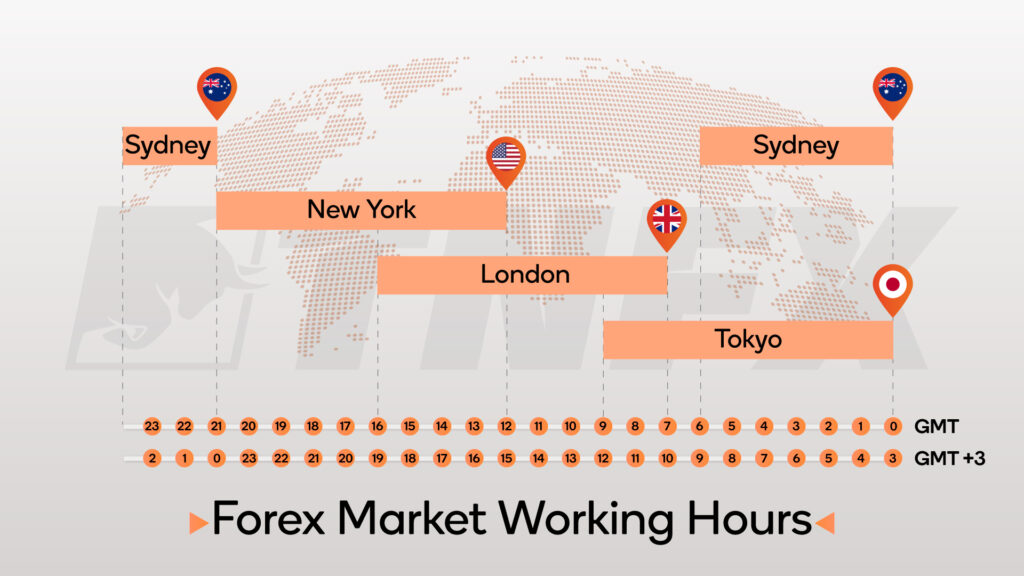
The primary trading session for the New York Stock Exchange commences at 9:30 AM Eastern Time (ET). This is the moment when the market officially opens for regular trading. Following this, the market remains open until 4:00 PM Eastern Time (ET). This seven-and-a-half-hour window is when the vast majority of stock transactions occur. It’s a period characterized by intense activity, with prices fluctuating based on news, economic data, corporate earnings, and the collective sentiment of investors.
It’s important to note that Eastern Time (ET) is the standard reference point for New York City‘s financial markets. This time zone, which encompasses both Eastern Standard Time (EST) during winter months and Eastern Daylight Time (EDT) during summer months, is consistently used. Therefore, regardless of whether daylight saving time is in effect, the market opening is always at 9:30 AM ET and closing at 4:00 PM ET. This consistency is vital for global investors who need to coordinate their trading activities across different time zones.
For a traveler planning a visit to New York City, understanding these hours can offer a unique perspective on the city’s dynamism. Imagine being near Wall Street as the opening bell rings, a symbolic sound that resonates with global economic activity. While you won’t be able to enter the trading floor itself without specific credentials, the atmosphere around the New York Stock Exchange building is palpable on any given morning. Many visitors are drawn to Stone Street or the area around Federal Hall to soak in the historical significance and the sheer energy of the financial district.
Pre-Market and After-Hours Trading: Extending the Opportunities
While the core trading hours define the main part of the day, the New York Stock Market also offers opportunities for trading before the official opening and after the official closing. These extended hours cater to investors who need to react to overnight news or pre-emptively position themselves for the next day.
Pre-Market Trading: The Dawn of Activity
Pre-market trading typically begins as early as 4:00 AM Eastern Time (ET). This allows for trading in certain stocks before the main exchange opens. During this period, trading volumes are generally lower than during regular hours, and prices can be more volatile due to the limited number of participants. However, it provides an avenue for investors to react to significant global news, corporate announcements released overnight, or major economic data that might have been published before the U.S. markets opened.
For those staying in New York City hotels, perhaps near the Financial District or even across the river in Brooklyn or New Jersey, waking up early might allow them to catch the initial movements of the pre-market. It’s a testament to the interconnectedness of the global economy that trading can commence so early, influenced by events happening on the other side of the world.
After-Hours Trading: The Day’s Lingering Echoes
Following the close of the regular session at 4:00 PM Eastern Time (ET), after-hours trading continues until 8:00 PM Eastern Time (ET). Similar to pre-market trading, this period sees lower volumes and potentially greater price swings. It’s a time when companies might release their earnings reports after the market has closed, or when investors digest news that breaks throughout the day. This allows for immediate reactions, such as buying or selling shares based on profit reports or significant company developments.
For travelers who have booked accommodation in New York City and are looking for a unique experience, even observing the activity around Times Square or exploring the vibrant nightlife can be contrasted with the silent hum of financial markets continuing to operate in the background. The city never truly sleeps, and neither does its financial engine, albeit with varying intensity.
Weekends and Holidays: Market’s Respite
Just as crucial as knowing when the market opens is understanding when it closes for extended periods. The New York Stock Market observes weekends and a number of public holidays, during which trading is suspended.
Weekend Closure: A Necessary Pause
The New York Stock Exchange and the Nasdaq are closed on Saturdays and Sundays. This is a standard practice across most major stock exchanges globally, allowing for a complete shutdown of trading activities. This break is essential for market participants to analyze performance, manage risk, and prepare for the upcoming week. For anyone planning their travel around market events, or simply curious about the workings of New York City, knowing the market is dormant on weekends can be helpful.
Public Holidays: Marking the Calendar
In addition to weekends, the New York Stock Market closes for a specific set of public holidays. These typically include:
- New Year’s Day (January 1)
- Martin Luther King, Jr. Day (Third Monday in January)
- Presidents’ Day (Third Monday in February)
- Good Friday (The Friday before Easter Sunday)
- Memorial Day (Last Monday in May)
- Juneteenth National Independence Day (June 19)
- Independence Day (July 4)
- Labor Day (First Monday in September)
- Thanksgiving Day (Fourth Thursday in November)
- Christmas Day (December 25)
It’s important to note that if a holiday falls on a Saturday, the market will typically observe the preceding Friday as a holiday. If a holiday falls on a Sunday, the following Monday will be observed as the holiday. This adherence to a predictable calendar ensures that traders and investors have clear expectations regarding market availability. For those visiting New York City during these times, especially around major holidays like Christmas or Thanksgiving, the market’s closure can be an added benefit, allowing for a more relaxed exploration of the city’s festive attractions without the backdrop of financial market operations. You might find yourself enjoying the decorations at Rockefeller Center or exploring museums like the Metropolitan Museum of Art during a period of quiet on Wall Street.
The structure of the trading day, from the early whispers of pre-market activity to the sustained energy of the core session and the lingering trades of the after-hours, is a finely tuned mechanism. Understanding when the New York Stock Market opens is the first step in appreciating the complex and dynamic world of finance that plays out daily in the city that never sleeps. Whether you are a professional trader, a casual investor, or a curious traveler exploring the vibrant city of New York, this knowledge provides a valuable context for the economic heartbeat of one of the world’s most significant financial centers.
LifeOutOfTheBox is a participant in the Amazon Services LLC Associates Program, an affiliate advertising program designed to provide a means for sites to earn advertising fees by advertising and linking to Amazon.com. Amazon, the Amazon logo, AmazonSupply, and the AmazonSupply logo are trademarks of Amazon.com, Inc. or its affiliates. As an Amazon Associate we earn affiliate commissions from qualifying purchases.