
The dream of independent travel often begins long before one reaches the legal age of adulthood, prompting a common and crucial question for aspiring young travelers: “How old do you have to be to book a hotel?” While seemingly straightforward, the answer is nuanced, influenced by a blend of state laws, hotel policies, and practical considerations. For anyone planning an overnight stay away from home, understanding these age requirements is paramount to a smooth and successful booking experience.
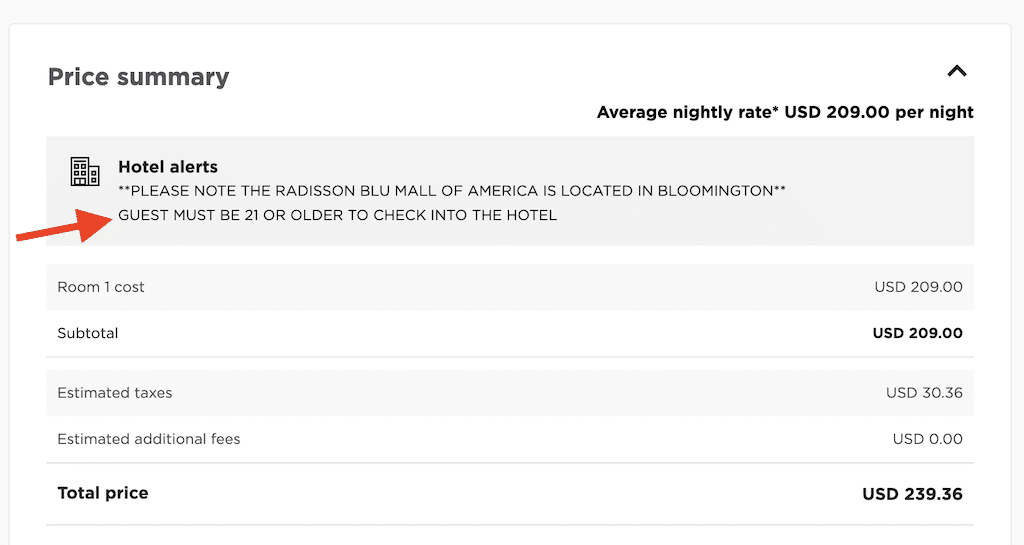
Generally, the minimum age to independently book and check into a hotel room in the United States is 18. However, this is not a universal standard. Many hotels, particularly those in popular tourist destinations or with specific brand policies, enforce a minimum age of 21. This discrepancy can be a source of confusion and frustration for travelers, making it essential to delve deeper into the legal landscape and operational policies that dictate these rules. This guide aims to demystify the age requirements for hotel bookings, providing clarity and practical advice for young adults seeking accommodation.

The Legal Landscape of Hotel Booking Ages
The foundational principle for hotel booking age requirements typically aligns with the legal age of majority, which in most places, including the majority of the United States, is 18 years old. This is the age at which an individual is legally recognized as an adult, capable of entering into contracts, including a hotel reservation agreement. However, the hospitality industry often operates under additional layers of regulations and internal policies that can raise this minimum age.
General Minimum Age Requirements: 18 vs. 21
While 18 is the legal age of majority in most states, enabling individuals to enter into legally binding contracts, many hotels, especially major chains and those in high-traffic areas, implement a 21-year-old minimum age policy. This elevated age requirement isn’t necessarily mandated by law in all cases but is often a discretionary decision by the hotel or its corporate parent. The rationale behind this often stems from liability concerns, the presence of alcohol on premises, and the desire to prevent potential issues associated with younger guests, such as property damage or disturbances. For example, a student planning a trip to Miami Beach might find that while Florida law permits contracts at 18, many hotels there strictly adhere to a 21+ policy. Similarly, properties in popular spring break destinations may impose even stricter rules.
State and Local Laws: A Patchwork of Regulations
The situation becomes more complex when considering specific state and local ordinances. Some jurisdictions may have laws that directly or indirectly influence the minimum age for hotel bookings. For instance, while most states adhere to the 18-year-old contractual age, a city like Las Vegas, with its heavy emphasis on gambling and alcohol, might see hotels universally enforcing a 21-year-old check-in policy to align with broader regulatory environments and mitigate risks. In contrast, a state like California may allow hotels more flexibility, though many individual properties will still opt for 21.
It’s not uncommon for hotels to be cautious, electing for a higher age requirement to avoid legal complications related to serving alcohol to minors (even if only present in a minibar), potential liability issues, or simply to cultivate a specific guest experience. This patchwork of regulations means that a traveler might be able to book a room at 18 in one city or state, but be denied in another, or even at a different hotel within the same city.
Understanding Emancipation and Parental Consent
For individuals under the age of 18, the ability to book a hotel independently is virtually non-existent, unless they are legally emancipated. Legal emancipation grants a minor the legal rights and responsibilities of an adult before reaching the age of majority. An emancipated minor would typically be able to enter into contracts, including hotel agreements, just like an adult. However, emancipation is a specific legal process and not a common scenario for most young travelers.
More commonly, if a traveler is under the minimum booking age (be it 18 or 21), their stay must be facilitated by an accompanying adult who meets the age requirement. This usually means the adult must be present at check-in, have their name on the reservation, and be responsible for the room and its occupants. Some hotels may even require the accompanying adult to stay in the same room as the minor, or in an adjoining room. Parental consent, while helpful for minor travel, does not circumvent age restrictions for booking a room independently; an adult still needs to make the reservation and take responsibility.
Why Do Hotels Have Age Restrictions?
The decision by hotels to implement age restrictions, especially those that exceed the legal age of majority, is not arbitrary. These policies are carefully crafted to protect the hotel, its guests, and its reputation, stemming from a variety of legal, financial, and operational considerations. Understanding these underlying reasons can help young travelers better appreciate why these rules are in place.
Protecting Minors and Hotel Liability
One of the primary reasons for age restrictions is to protect minors and, by extension, limit the hotel’s liability. A hotel could face significant legal challenges if a minor guest were to be harmed on the property, especially if they were allowed to check in unsupervised. Hotels have a duty of care to their guests, and this duty is heightened when minors are involved. By requiring guests to be 18 or 21, hotels minimize the risk of being held responsible for incidents involving underage individuals who may lack the judgment or experience to navigate situations responsibly. This includes everything from accidental injuries to more serious issues like exposure to illicit activities. Many establishments prefer to avoid these complex scenarios by simply not accepting bookings from guests below a certain age.
Preventing Property Damage and Disruptions
Another significant concern for hotels is the potential for property damage and disruptions. While not all young travelers pose such risks, hotels have historically experienced issues with groups of younger guests, particularly during events like spring break or graduation trips. Such groups, if unsupervised, can sometimes be associated with rowdiness, excessive noise, and damage to hotel property. Implementing a higher age limit helps hotels filter out guests who might be perceived as higher risk in this regard. The cost of repairing damages, compensating other guests for disturbances, and managing difficult situations can be substantial, making preventative measures like age restrictions economically sensible for hotel operators. This is particularly true for luxury hotels or those that cater to business travelers seeking a quiet environment.
Alcohol and Minibar Regulations
The presence of alcohol on hotel premises is a major factor influencing age restrictions. In many regions, the legal drinking age is 21. Hotels are legally bound to prevent the sale or provision of alcohol to minors. Even if a guest does not intend to drink, the mere presence of a minibar stocked with alcoholic beverages in a room booked by someone under 21 creates a legal quandary for the hotel.
If a hotel allows an underage guest to check in and that guest consumes alcohol from the minibar, the hotel could face severe penalties, including fines, license revocation, and civil lawsuits. To avoid these complex liability issues and strict regulatory oversight, many hotels simply adopt a blanket policy that requires the primary guest responsible for the room to be at least 21 years old. This simplifies enforcement and minimizes the risk of accidental non-compliance with alcohol laws. This also extends to hotel bars, restaurants, and other venues within the property where alcohol is served.

Navigating Age Restrictions for Young Travelers
For young adults who are eager to travel independently but find themselves grappling with age restrictions, there are several strategies and alternative solutions to consider. While direct booking may not always be possible, various avenues can still lead to a successful and enjoyable trip.
When Traveling with a Parent or Guardian
The most straightforward way for a traveler under the minimum booking age to stay at a hotel is to travel with a parent or legal guardian who meets the hotel’s age requirements. In this scenario, the adult makes the reservation, checks in, and assumes responsibility for the room and its occupants. Most hotels are perfectly accommodating to families or groups including minors, provided there is a responsible adult present. Some establishments may even have specific policies for minors, such as requiring them to be accompanied by an adult in common areas after a certain hour, but these typically don’t prevent the stay itself. It’s always best to confirm the hotel’s specific family policies if traveling with very young children or teenagers.
Hotels with Policies for Guests Under 21
While many hotels enforce a 21+ rule, not all do. Some hotel chains or independent properties are more lenient, adhering strictly to the 18-year-old legal age of majority for booking. These are often budget-friendly hotels, motels, or properties in areas not typically associated with high-risk events like spring break. Identifying these hotels requires diligent research. Online travel agencies (OTAs) sometimes list age policies, but the most reliable method is to call the specific hotel directly and inquire about their minimum check-in age. It’s important to speak with the front desk or reservations manager to get accurate information, as policies can vary even within the same brand or city. For instance, a specific Holiday Inn Express in Boston might have different rules than another Holiday Inn Express in New York.
Alternative Accommodation Options
If traditional hotels prove too restrictive, several alternative accommodation options might be more amenable to younger travelers.
- Hostels: Many hostels cater to a younger, international demographic and often have lower age requirements for check-in, typically 18. They offer a social environment and budget-friendly rates. Websites like Hostelworld can be excellent resources for finding age-friendly hostels.
- Airbnb and Vacation Rentals: Platforms like Airbnb often have different age policies. While Airbnb’s official policy generally requires guests to be 18 to book, individual hosts may have their own preferences, and communication with the host prior to booking is crucial. A private room or entire home rental through these platforms can offer more flexibility, provided the primary booker meets the 18-year-old minimum and communicates openly with the host.
- University Dorms/Guesthouses: During off-peak seasons or summer, some universities or colleges offer guesthouse accommodations or dorm rooms that can be booked by the general public, often with less stringent age requirements than hotels.
The Role of Credit Cards and Payment Methods
Regardless of age, a valid payment method is almost universally required to book a hotel room. This usually means a credit card in the name of the person checking in. Even if a hotel allows an 18-year-old to book, that individual must possess a credit card for the booking, incidentals, and potential damages. Debit cards are sometimes accepted, but credit cards are preferred as they allow hotels to place holds for incidentals without directly withdrawing funds. If a young traveler doesn’t have a credit card, or one with sufficient limit, this can pose another hurdle, even if the age requirement is met. Some hotels might accept cash deposits, but this is less common and should always be confirmed in advance.
Essential Tips Before You Book
Navigating the complexities of hotel age restrictions can be challenging, but thorough preparation and clear communication can prevent disappointment. Before finalizing any accommodation plans, especially for young travelers, following these essential tips is crucial for a smooth experience.
Always Verify Directly with the Hotel
This cannot be stressed enough: always verify the minimum check-in age directly with the specific hotel you intend to book. Do not rely solely on information found on third-party booking sites, general brand policies, or anecdotal evidence. Hotel policies can vary not only by brand but also by individual property, location, and even management. A quick phone call to the hotel’s front desk will provide the most accurate and up-to-date information regarding their age requirements. When you call, be explicit about your age and situation (e.g., “I am 19 years old and looking to book a room for myself. What is your minimum check-in age?”). Ask for a name of the person you spoke with and perhaps even an email confirmation if possible, especially if you foresee potential issues.
Checking Hotel Policies Online
While direct verification is paramount, beginning your search by checking hotel policies online can save you time. Many hotel chain websites will have a “Terms and Conditions” or “FAQ” section that outlines their general minimum check-in age policy. For example, major brands like Hilton or Marriott often publish their standard age requirements. However, remember that these are often general guidelines, and individual properties may have stricter rules due to local ordinances or specific operational decisions. Online travel agencies (OTAs) like Booking.com or Expedia sometimes include age information in the property details, but again, this should be cross-referenced with the hotel directly. Look for phrases like “Minimum age to check-in is 21” or “Guests under 18 must be accompanied by an adult.”
What to Do if You’re Denied a Room
Despite your best efforts, you might still encounter a situation where you are denied a room upon arrival due to age. If this happens, remain calm and polite.
- Re-verify your understanding: Politely ask the front desk to re-confirm their policy and explain why you were denied. There might have been a misunderstanding.
- Refer to prior communication: If you spoke with someone previously and were assured you could check in, mention that conversation (ideally, having a name or confirmation number).
- Explore alternatives: Immediately begin searching for nearby alternative accommodations. This might include hostels, Airbnb options, or other hotels that you can quickly call to confirm their age policy. Having a backup plan or a list of potentially more lenient properties can be invaluable.
- Seek assistance from a companion: If you are traveling with an older friend or family member who meets the age requirement, they might be able to book a room at another hotel.
- Be prepared for a different city: In some cases, if you are in a particularly restrictive city (like some college towns during peak periods), you might need to consider finding accommodation in a neighboring town or city that has different hotel policies.
In summary, planning ahead, asking specific questions, and having contingency plans are your best tools when navigating hotel age restrictions. Your diligence can ensure that your travel plans proceed without an unexpected hitch at check-in.
Conclusion
The question of “How old do you have to be to book a hotel?” reveals a landscape shaped by legal statutes, hotel discretion, and a focus on liability and guest experience. While 18 is the general age of contractual capacity in most of the United States and Canada, a significant number of hotels, particularly within major chains and popular destinations, enforce a minimum check-in age of 21. This higher age requirement is largely driven by concerns over legal liability, potential property damage, and the intricate regulations surrounding alcohol service.
For young travelers eager to explore the world independently, understanding these nuances is crucial. Traveling with an adult who meets the age requirement remains the most foolproof solution. However, for those seeking autonomy, diligent research into specific hotel policies, exploring alternative accommodations like hostels or Airbnb, and always verifying directly with the property are indispensable steps. Remember that having a valid payment method, usually a credit card, in the name of the primary guest is also a fundamental requirement.
The journey to independent travel is an exciting one, but it requires preparedness and an informed approach to logistics. By being proactive and understanding the regulations and policies that govern hotel bookings, young adults can confidently plan their stays, ensuring a smooth check-in and an enjoyable travel experience, free from unexpected age-related hurdles.
LifeOutOfTheBox is a participant in the Amazon Services LLC Associates Program, an affiliate advertising program designed to provide a means for sites to earn advertising fees by advertising and linking to Amazon.com. Amazon, the Amazon logo, AmazonSupply, and the AmazonSupply logo are trademarks of Amazon.com, Inc. or its affiliates. As an Amazon Associate we earn affiliate commissions from qualifying purchases.