
The intricate web of hotel brands, acquisitions, and affiliations can often lead to confusion for even the most seasoned traveler. One common question that arises in this complex landscape is whether Omni Hotels falls under the expansive umbrella of Marriott International. The definitive answer is no; Omni Hotels & Resorts and Marriott International are entirely separate and distinct corporate entities. While both are prominent players in the global hospitality industry, they operate independently, each with its unique ownership, brand philosophy, loyalty programs, and market positioning.
This article will delve into the distinct identities of these two esteemed hotel groups, shedding light on their operational structures, brand portfolios, and what sets them apart. Understanding these differences is crucial for travelers seeking specific amenities, loyalty program benefits, or particular types of hotel experiences. We will explore why this common misconception exists, dissect the core characteristics of each brand, and provide insights to help you make informed decisions about your next hotel stay.
Understanding the Hotel Landscape: Independent vs. Conglomerate
The global hotel industry is broadly characterized by two main operational models: vast, multi-brand conglomerates and more focused, often privately-owned independent chains. Marriott and Omni exemplify these contrasting approaches, each carving out a significant niche through differing strategies.
The Marriott International Empire
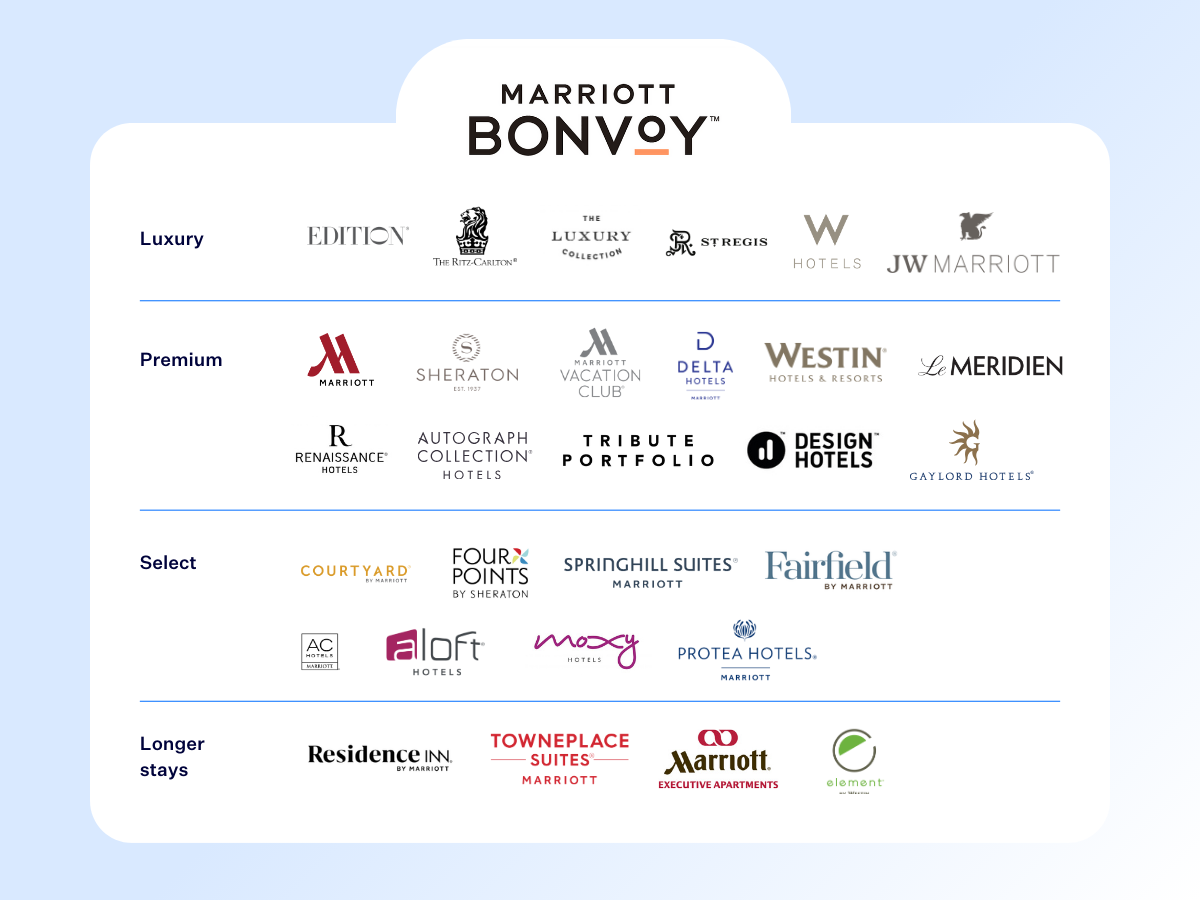
Marriott International stands as one of the largest hotel companies in the world, a true behemoth in the hospitality sector. Its growth strategy has historically involved a combination of organic expansion and aggressive, strategic acquisitions, which have significantly broadened its reach and diversified its brand portfolio. The most notable of these acquisitions was the merger with Starwood Hotels & Resorts in 2016, which solidified Marriott’s position as a dominant global force.
Today, Marriott International boasts an impressive collection of over 30 distinct brands, catering to virtually every travel style, budget, and preference. From luxury establishments like The Ritz-Carlton and St. Regis to upscale full-service hotels such as Marriott Hotels, Sheraton, and Westin, down to extended-stay options like Residence Inn and select-service brands like Courtyard by Marriott, Marriott offers unparalleled choice. This vast network allows Marriott to serve a diverse global clientele, with properties spanning across continents, in major cities, resort destinations, and even remote locales. Its strength lies in its ability to offer a consistent experience across its varied brands, supported by a powerful global reservation system and the industry-leading Marriott Bonvoy loyalty program.
The Distinct Identity of Omni Hotels & Resorts
In contrast to Marriott’s expansive conglomerate model, Omni Hotels & Resorts operates with a more focused and curated approach. Omni is a privately-owned luxury hotel chain, part of TRT Holdings, a diversified holding company based in Dallas, Texas. This private ownership structure affords Omni a degree of operational flexibility and a distinct brand identity that often prioritizes individualized guest experiences and unique property characteristics over standardized global uniformity.
Omni Hotels & Resorts is known for its upscale properties, many of which are situated in prominent city centers, popular resort destinations, and adjacent to major convention centers primarily across North America. While it doesn’t boast the sheer number of brands or properties that Marriott does, each Omni property is often celebrated for its distinctive architecture, luxurious amenities, and a strong emphasis on personalized service. The brand often targets business travelers attending conferences, leisure guests seeking high-end resort experiences, and families looking for premium accommodation. Omni’s commitment to creating memorable, locally inspired experiences within its luxury segment defines its niche in the competitive hospitality landscape.
Key Distinctions Between Omni and Marriott
Beyond the fundamental difference in their corporate structures, Omni and Marriott exhibit several key distinctions that are crucial for travelers to understand. These differences impact everything from property selection and loyalty benefits to the overall guest experience.
Ownership and Corporate Structure
The most significant divergence lies in their ownership. Marriott International is a publicly traded company, listed on the NASDAQ stock exchange under the ticker symbol MAR. This means it is owned by its shareholders, and its financial performance, strategic decisions, and growth are under constant public scrutiny. Its operations are driven by a need to deliver shareholder value, often influencing decisions regarding expansion, brand consistency, and operational efficiencies across a massive global portfolio.
Omni Hotels & Resorts, on the other hand, is a wholly-owned subsidiary of TRT Holdings, a private company. This private ownership structure allows Omni to focus more on long-term investments in specific properties, potentially allowing for greater creative freedom in design and service offerings without immediate pressure from quarterly earnings reports. It enables a more cohesive brand vision across its relatively smaller, more concentrated portfolio. Decisions can be made with a focus on specific guest experiences and property enhancements, rather than being solely dictated by the broader market demands of a diverse global conglomerate.
Brand Portfolio and Market Positioning
Marriott’s strategy is one of comprehensive market penetration. Its 30+ brands are meticulously segmented to target distinct demographics and price points. For example, Edition and W Hotels cater to lifestyle and design-conscious travelers, while Fairfield Inn & Suites serves budget-conscious road warriors. This allows Marriott to capture a vast share of the travel market, from economy to ultra-luxury, business to leisure, across virtually any geographic location worldwide. Its global footprint is unmatched, providing options in thousands of destinations.
Omni, conversely, maintains a more singular brand identity, operating exclusively under the Omni Hotels & Resorts name. Its market positioning is firmly within the upscale and luxury segments, often targeting discerning business travelers, meeting planners, and leisure guests seeking premium accommodations. While its portfolio is smaller—around 50 properties—each hotel is typically a full-service, high-end establishment. Omni’s geographical focus is predominantly North America, with a strong presence in major U.S. cities and popular resort areas, including properties like the iconic Omni La Costa Resort & Spa in Carlsbad, California, or the Omni Barton Creek Resort & Spa in Austin, Texas.
Loyalty Programs
For many frequent travelers, loyalty programs are a decisive factor in hotel choice. Here, Marriott and Omni are entirely separate.

Marriott Bonvoy is one of the largest and most comprehensive loyalty programs in the hospitality industry. It offers members the ability to earn and redeem points across all 30+ Marriott brands worldwide, enjoy elite status benefits such as room upgrades, late check-outs, and complimentary breakfast, and leverage co-branded credit cards for accelerated earnings. Its vast network means travelers can consistently earn and redeem points whether they’re on a business trip in London or a family vacation in Orlando.
Omni Hotels & Resorts operates its own distinct loyalty program called Omni Select Guest. This program offers its members benefits such as complimentary room nights, upgraded amenities, free Wi-Fi, and priority check-in. While Omni Select Guest provides valuable perks for loyal Omni patrons, its benefits are exclusively applicable to Omni properties. There is no cross-earning or redemption of points between Omni Select Guest and Marriott Bonvoy or any other hotel loyalty program. This separation is a crucial point for travelers who consolidate their stays within one loyalty ecosystem.
Why the Confusion? Common Misconceptions in the Hotel Industry
The persistent belief that Omni Hotels might be part of Marriott is understandable given the dynamic nature of the hospitality industry. Several factors contribute to this common misconception.
Mergers and Acquisitions
The hotel industry has witnessed a significant trend of consolidation over the past few decades. Major players like Marriott, Hilton, and Accor have consistently acquired smaller chains or individual brands to expand their portfolios. The sheer scale of Marriott’s acquisition of Starwood (which included brands like Sheraton and Westin) created a ripple effect of confusion among consumers trying to keep up with which brand belongs to whom. It’s easy for travelers to assume that any prominent hotel chain might eventually be subsumed by one of the larger conglomerates.
Similar Market Segments
Both Omni and many of Marriott’s upscale and luxury brands (Marriott Hotels, Renaissance Hotels, Autograph Collection) compete in similar market segments. They often target business travelers, convention attendees, and leisure guests seeking premium amenities in prime urban and resort locations. A traveler looking for a high-quality hotel for a conference in Chicago might find both an Omni Hotel and a Marriott property offering comparable facilities and services, leading to an unconscious association between the two. The visual aesthetics, service standards, and price points can sometimes feel similar enough to blur the lines in a traveler’s mind.
Independent Operation vs. Franchise
Another layer of complexity comes from the common practice of hotel franchising. Many hotels that operate under a major brand flag (like a Marriott or a Hilton) are actually independently owned and operated, simply licensing the brand name and standards. This distinction between corporate ownership/management and franchised operations can be opaque to the average consumer. While Omni hotels are generally owned and centrally managed by TRT Holdings (or its subsidiaries), the general industry trend of diverse ownership structures can lead people to question any hotel’s true affiliation. The ease with which brands can change hands or enter into strategic partnerships further fuels this ambiguity.
Making an Informed Choice: Omni vs. Marriott for Travelers
Understanding the fundamental differences between Omni Hotels & Resorts and Marriott International empowers travelers to make more deliberate choices that align with their specific travel needs and preferences.
When to Choose Omni
Travelers who prioritize a consistent upscale or luxury experience with a strong emphasis on personalized service and distinctive properties, primarily within North America, might find Omni to be an excellent choice. Omni is particularly well-suited for:
- Business travelers and convention attendees: Many Omni properties are strategically located adjacent to major convention centers or in central business districts, offering extensive meeting facilities.
- Leisure travelers seeking resort experiences: Properties like the Omni Amelia Island Resort or Omni Rancho Las Palmas Resort & Spa provide comprehensive resort amenities, including golf, spas, and family-friendly activities.
- Guests valuing unique design and local flair: Omni properties often incorporate elements of local culture and history into their design and offerings, creating a more unique stay than some standardized brands.
- Loyalty to a focused program: For those who frequently travel to cities with Omni presence and value the specific benefits of Omni Select Guest.
When to Choose Marriott
Marriott is the go-to option for travelers who value unparalleled global reach, a vast selection of brands to suit any occasion, and the robust benefits of a comprehensive loyalty program. Marriott is ideal for:
- Global travelers: Its presence in thousands of locations across the globe makes Marriott a reliable choice almost anywhere your travels take you.
- Diverse travel needs: Whether you need a budget-friendly option for a quick overnight stay, an extended-stay hotel with kitchenettes, a luxurious resort for a special occasion, or a boutique lifestyle hotel, Marriott has a brand for it.
- Loyalty program maximizers: Frequent travelers who can consolidate their stays across various Marriott brands to earn and redeem Marriott Bonvoy points and achieve elite status will find immense value.
- Consistent brand standards: While Omni offers consistency within its brand, Marriott’s sheer volume ensures that you can often find a reliable and familiar brand experience no matter your destination.

The Guest Experience
While both companies strive for excellence in hospitality, their corporate philosophies naturally influence the guest experience. Omni, with its concentrated focus on luxury and personalized service in a smaller portfolio, often cultivates an atmosphere of refined elegance and attention to detail. Guests might experience a more intimate feel, potentially with unique amenities or services tailored to that specific property’s character.
Marriott, by virtue of its scale, offers a broad spectrum of experiences. While its luxury brands rival any in the industry for opulence and bespoke service, its mid-range and select-service brands focus on efficiency, comfort, and consistent quality that travelers can depend on, regardless of location. The Marriott experience is often characterized by its reliability, extensive infrastructure, and the ability to find a suitable option for almost any requirement.
In conclusion, while the question “Is Omni Hotels part of Marriott?” is a common one, the answer firmly establishes them as independent entities. Each has carved out a successful and respected place in the hospitality industry through distinct strategies and offerings. Travelers benefit from understanding these differences, enabling them to make choices that best align with their travel style, loyalty preferences, and desired hotel experience.
LifeOutOfTheBox is a participant in the Amazon Services LLC Associates Program, an affiliate advertising program designed to provide a means for sites to earn advertising fees by advertising and linking to Amazon.com. Amazon, the Amazon logo, AmazonSupply, and the AmazonSupply logo are trademarks of Amazon.com, Inc. or its affiliates. As an Amazon Associate we earn affiliate commissions from qualifying purchases.