
For travelers planning a visit to the Sunshine State, understanding the local laws and regulations is paramount to a smooth and enjoyable experience. Among the many aspects of Florida‘s unique legal landscape, the state’s stance on firearm carry has often been a topic of interest, especially given recent legislative changes. The question “Does Florida have Constitutional Carry?” is one that resonates with many, whether they are residents, prospective visitors, or simply curious about the evolution of gun rights in the United States. This article delves into Florida’s current firearm carry laws, outlining what “Constitutional Carry” entails and its implications for anyone visiting or residing in this vibrant state.

Understanding Florida’s Approach to Firearm Carry
To truly grasp Florida’s current position, it’s essential to first define what Constitutional Carry means and then examine the historical context that led to the state’s recent legislative shifts. This understanding forms a crucial part of knowing the local culture and regulatory environment, a key “tip” for any tourist or new resident.
What is Constitutional Carry?
At its core, “Constitutional Carry” (also known as permitless carry or permitless concealed carry) refers to the legal right for law-abiding citizens to carry a firearm, openly or concealed, without needing a government-issued permit or license. The philosophy behind Constitutional Carry often draws from the Second Amendment of the United States Constitution, which states, “A well regulated Militia, being necessary to the security of a free State, the right of the people to keep and bear Arms, shall not be infringed.” Proponents argue that if one has a constitutional right to bear arms, then no additional permit should be required to exercise that right.
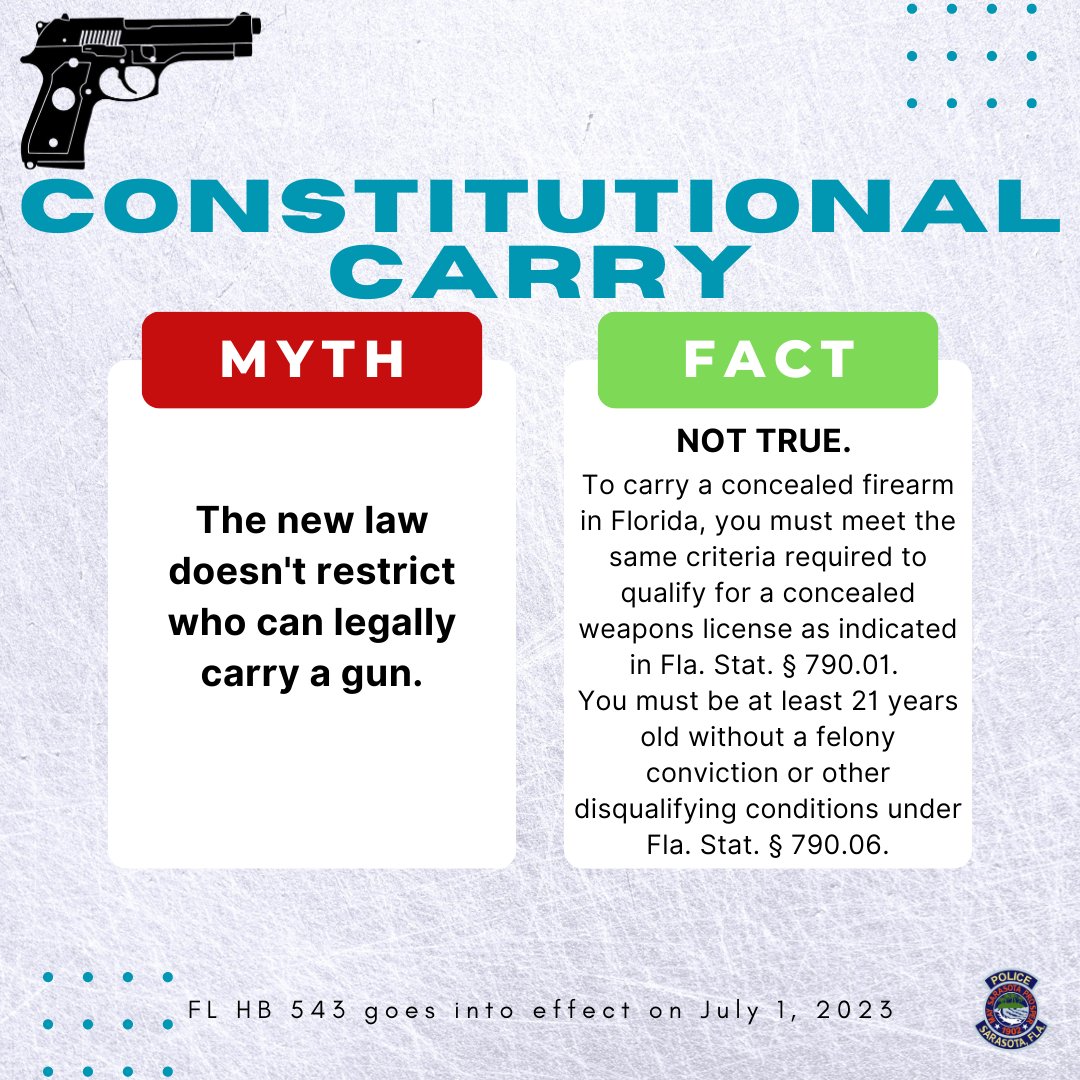
It’s important to note that even in states with Constitutional Carry, there are typically still restrictions. These usually include prohibitions for individuals legally barred from possessing firearms (e.g., convicted felons, those with domestic violence convictions, certain mental health adjudications), as well as limitations on where firearms can be carried (e.g., schools, courthouses, federal buildings, private property where prohibited). Constitutional Carry doesn’t eliminate all gun laws; rather, it removes the permitting requirement for carrying.
The Historical Context in Florida
Historically, Florida operated under a “shall-issue” concealed carry permit system. This meant that while open carry was generally prohibited, eligible individuals could apply for and obtain a Concealed Weapon or Firearm License (CWFL) from the Florida Department of Agriculture and Consumer Services. Obtaining a CWFL required meeting specific criteria, including an age requirement (21 years old), completing a firearm safety course, passing a background check, and not having disqualifying criminal convictions or other legal impediments.
For decades, Florida’s CWFL program was widely recognized and highly utilized, with millions of residents holding permits. The state was a leader in expanding gun rights through this permitting system, and its licenses were widely recognized through reciprocity agreements with many other states. However, the movement for full Constitutional Carry gained significant traction in Florida over recent years, driven by advocates who believed the permitting process itself was an infringement on fundamental rights. This push culminated in a landmark legislative shift that reshaped the state’s firearm laws.
Florida’s Landmark Legislative Shift in 2023
The year 2023 marked a pivotal moment in Florida’s legislative history regarding firearm carry. After years of debate and advocacy, the state officially adopted a form of Constitutional Carry. This change represents a significant aspect of Florida‘s evolving local culture and legal framework, impacting both residents and visitors.
The Passage of House Bill 543
On April 3, 2023, Governor Ron DeSantis signed House Bill 543 into law, effective July 1, 2023. This bill fundamentally altered how individuals can carry firearms in Florida. The signing ceremony, held in Tallahassee, underscored the significance of the legislation for Second Amendment advocates across the state and beyond. The passage of House Bill 543 made Florida the 26th state in the nation to enact a permitless carry law, effectively pushing the majority of U.S. states towards this model.
The legislative process involved extensive discussions, reflecting diverse viewpoints on public safety, individual liberties, and the role of government in regulating firearm ownership. Ultimately, the bill secured sufficient support to pass both chambers of the Florida Legislature and receive gubernatorial assent.
Key Provisions of the New Law
House Bill 543 introduced several key changes to Florida’s statutes regarding firearm carry:
- Permitless Concealed Carry: The most significant change is that individuals who are 21 years of age or older and are otherwise legally eligible to own a firearm can now carry a concealed firearm without needing a Concealed Weapon or Firearm License (CWFL).
- Retention of CWFL Program: While not required, the state’s CWFL program remains in place. Many residents may choose to obtain a CWFL for reasons such as reciprocity in other states that do not have permitless carry, or simply for the convenience of having a state-issued identification for carrying.
- No Change to Open Carry: The law does not authorize open carry in Florida. Firearms must still be carried concealed, with very few exceptions (e.g., while hunting, fishing, or at a shooting range). This is a critical distinction that visitors and residents must understand.
- Existing Prohibitions Remain: All existing prohibitions on firearm possession and carry remain in effect. This means individuals prohibited from owning firearms due to felony convictions, domestic violence restraining orders, or certain mental health adjudications are still forbidden from carrying.
- Place Restrictions Still Apply: The law does not alter restrictions on carrying firearms in specific sensitive locations. These include, but are not limited to, courthouses, polling places, schools, colleges, professional athletic events, airport sterile areas, and any place where federal law prohibits firearms. Private property owners also retain the right to prohibit firearms on their premises.
Understanding these provisions is vital for anyone engaging with Florida’s legal system, providing essential tips for navigating the state’s unique rules.
What Constitutional Carry Means for Residents and Visitors
The implementation of permitless concealed carry fundamentally alters the landscape for both long-term residents and temporary visitors to Florida. For tourists, in particular, understanding these nuances is a critical “tip” for responsible travel within the state’s local culture and legal environment.
Who Can Carry Without a Permit?
Under Florida’s new law, to carry a concealed firearm without a permit, an individual must:
- Be at least 21 years old.
- Not be a convicted felon.
- Not have a domestic violence injunction or conviction.
- Not have a disqualifying mental illness or history.
- Otherwise be legally eligible to possess a firearm under state and federal law.
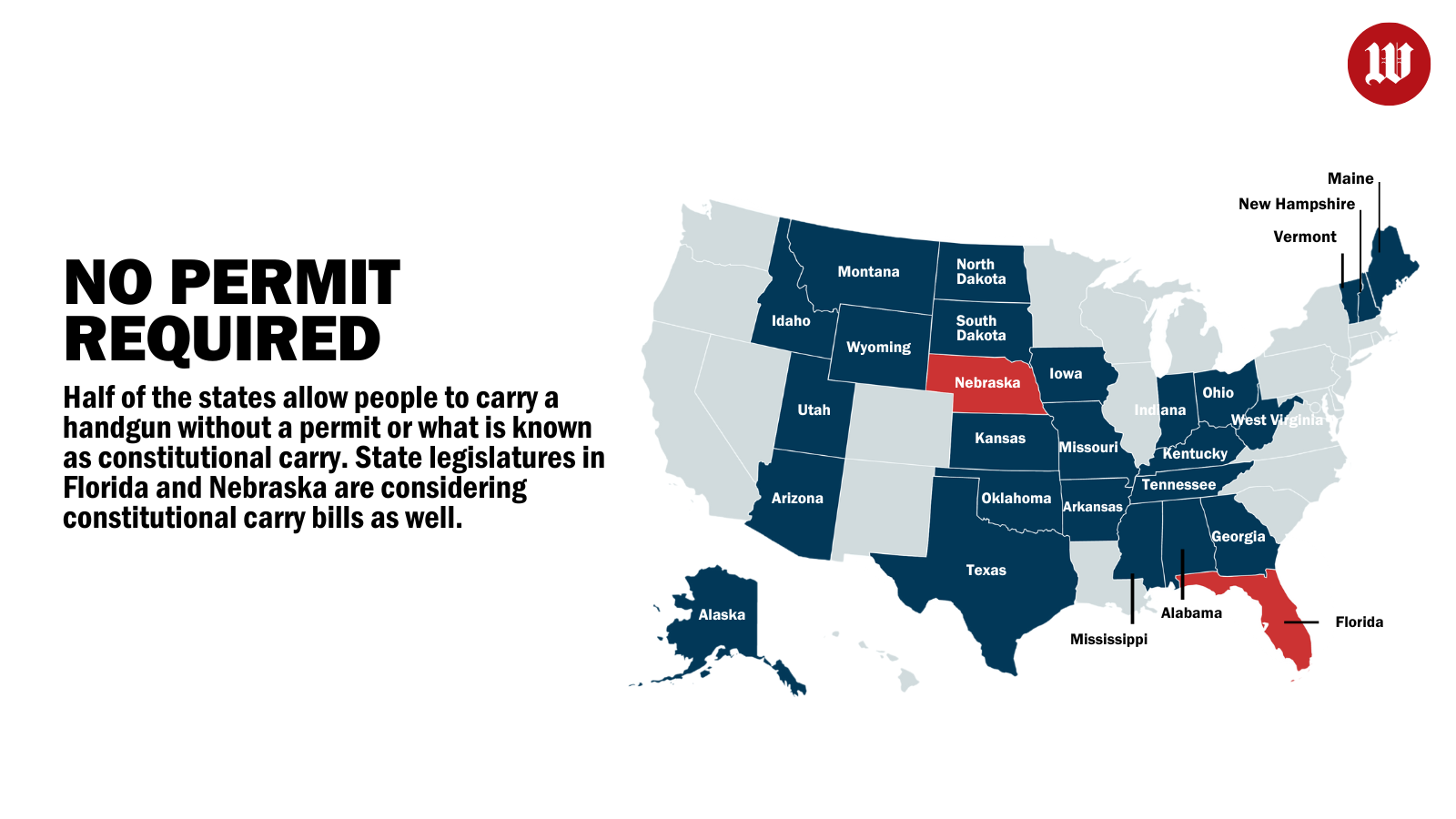
It’s important to reiterate that these are the minimum requirements. The law does not grant new rights to individuals who are otherwise prohibited from owning or possessing firearms.
Places Where Carry is Still Restricted
Even with permitless carry, there are numerous locations where carrying a firearm, even concealed, remains illegal. These restrictions are in place for public safety and often align with federal guidelines or specific state interests. Key restricted locations include:
- Any place of nuisance as defined in section 823.01 Florida Statutes.
- Any police station, sheriff’s office, or highway patrol station.
- Any detention facility, prison, or jail.
- Any courthouse.
- Any polling place.
- Any meeting of the governing body of a county, public school district, municipality, or special district.
- Any meeting of the Legislature or a committee thereof.
- Any school, college, or university facility.
- Inside the passenger terminal and sterile area of any airport.
- Any establishment primarily devoted to dispensing alcoholic beverages for consumption on the premises.
- Any portion of an establishment licensed to dispense alcoholic beverages for consumption on the premises, where a person who has a CWFL may not carry.
- Any federal building or property.
- Private businesses that post signs prohibiting firearms.
Understanding and respecting these restricted areas is crucial for anyone carrying a firearm, ensuring compliance with local laws and fostering responsible tourism.
Obligations and Responsibilities of Carriers
While the permit requirement has been removed for concealed carry, other responsibilities remain. When carrying a concealed firearm, an individual must:
- Be a law-abiding citizen: Adhere to all federal, state, and local laws regarding firearms.
- Carry a valid identification: Upon demand by a law enforcement officer, the person carrying the firearm must present a valid identification.
- Inform law enforcement: If stopped by law enforcement, while not explicitly required by House Bill 543 to volunteer information about carrying a firearm, many legal experts recommend informing the officer proactively to avoid potential misunderstandings.
- Maintain concealment: The firearm must remain concealed from the ordinary sight of another person. Accidental exposure may occur, but intentional open display is generally illegal.
- Understand use of force laws: Familiarity with Florida’s self-defense laws, including “Stand Your Ground,” is vital for any firearm carrier.
These responsibilities are not merely legal requirements; they are fundamental aspects of responsible conduct within Florida’s local culture, extending to how both residents and visitors are expected to interact with the law.
Navigating Florida’s Laws as a Responsible Tourist
For visitors to Florida, understanding the state’s permitless carry law is more than just a legal formality; it’s a key “tip” for respectful and safe engagement with the local environment. Whether you intend to carry a firearm or simply want to be aware of the context, this information is invaluable.
Considerations for Out-of-State Visitors
For out-of-state visitors, Florida’s permitless carry law simplifies things in one sense: if you are a resident of another state and meet Florida’s eligibility requirements (age 21+, not prohibited), you can carry a concealed firearm in Florida without a Florida permit. This eliminates the previous need to rely on reciprocity agreements if your home state’s permit was recognized by Florida.
However, it is crucial for visitors to:
- Understand your home state’s laws: While Florida may not require a permit, your home state might. Ensure you are not violating any laws by carrying a firearm across state lines, especially concerning federal interstate transportation laws (e.g., FOPA – Firearm Owners’ Protection Act).
- Be aware of other states’ laws: If your journey to Florida involves traveling through other states, you must comply with their respective firearm laws. Some states may not have permitless carry and may not recognize your home state’s permit.
- No open carry: Reiterate that Florida does not permit open carry, which can be a point of confusion for those from open-carry states.
Staying Informed and Law-Abiding
The landscape of firearm laws can change, and interpretations may evolve. Therefore, it is always recommended for both residents and visitors to:
- Consult official sources: Refer to the Florida Statutes, the Florida Department of Agriculture and Consumer Services (which still issues CWFLs), or other official government websites for the most up-to-date and accurate information.
- Seek legal advice: If you have specific questions about your eligibility or unique circumstances, especially as an out-of-state visitor, consult with a qualified attorney specializing in firearm law.
- Exercise caution and common sense: The freedom to carry comes with significant responsibility. Prioritize safety, discretion, and strict adherence to all laws.
By staying informed and acting responsibly, visitors can fully enjoy Florida’s attractions while respecting its laws and contributing positively to the local culture.
The Broader Impact on Public Safety and Local Culture
The implementation of Constitutional Carry in Florida has ignited various debates and discussions, reflecting differing perspectives on its potential impact on public safety and the state’s broader social fabric. This is a significant aspect of Florida’s contemporary local culture that visitors might observe or encounter.
Debates and Perspectives
Supporters of permitless carry argue that it empowers law-abiding citizens to defend themselves without unnecessary government hurdles, aligning with the intent of the Second Amendment. They often cite statistics from other permitless carry states, suggesting that such laws do not lead to an increase in violent crime. From this perspective, it’s seen as an expansion of liberty and a deterrent to crime.
Conversely, opponents express concerns about potential increases in accidental shootings, gun violence, and challenges for law enforcement in distinguishing between lawful carriers and those who may pose a threat. They argue that the background checks and training required for a CWFL provided an important layer of safety and responsibility that permitless carry removes. These debates are an ongoing part of the socio-political landscape in Florida.
The Future Landscape
As Florida adapts to its new permitless carry law, its long-term impacts will continue to be evaluated. It is likely that the state will remain a focal point for national discussions on gun rights and public safety. For visitors, being aware of these ongoing conversations and the legal framework that underpins them offers a deeper insight into the complexities and values of Florida’s vibrant local culture.
In conclusion, yes, Florida does have Constitutional Carry for concealed firearms as of July 1, 2023. This means eligible individuals can carry a concealed firearm without a state-issued permit. However, this right comes with strict adherence to existing prohibitions on individuals, locations, and the essential requirement for the firearm to remain concealed. For anyone visiting or residing in Florida, understanding these laws is crucial for responsible and lawful conduct in the Sunshine State.
LifeOutOfTheBox is a participant in the Amazon Services LLC Associates Program, an affiliate advertising program designed to provide a means for sites to earn advertising fees by advertising and linking to Amazon.com. Amazon, the Amazon logo, AmazonSupply, and the AmazonSupply logo are trademarks of Amazon.com, Inc. or its affiliates. As an Amazon Associate we earn affiliate commissions from qualifying purchases.