
For anyone considering dropping a line into the abundant waters of the Sunshine State, the question of whether a fishing license is required is not merely a formality but a fundamental aspect of responsible and legal engagement with Florida‘s world-renowned aquatic environment. Florida stands as a premier destination for anglers worldwide, boasting an unparalleled diversity of freshwater and saltwater fishing opportunities, from the largemouth bass-filled lakes of its interior to the tarpon-rich flats of the Florida Keys and the vast stretches of the Atlantic Ocean and Gulf of Mexico. Whether you’re a seasoned angler planning an extended trip or a curious tourist hoping to try fishing for the first time, understanding the regulatory landscape is paramount. The short answer is almost unequivocally yes, a fishing license is required for most individuals looking to fish in Florida. However, like many regulations, this comes with specific nuances, exemptions, and different types of licenses tailored to various scenarios. Navigating these requirements ensures not only compliance with state law but also contributes directly to the conservation efforts that keep Florida‘s fisheries healthy and thriving for generations to come. This comprehensive guide will illuminate the intricacies of Florida’s fishing license requirements, helping you cast your line with confidence and peace of mind.
The Definitive Answer: Yes, With Nuances
The general rule of thumb for anyone over the age of 16 in Florida, whether resident or non-resident, is that you need a valid fishing license to legally catch fish. This requirement is a cornerstone of the state’s fisheries management strategy, funding vital conservation programs, habitat restoration, and enforcement efforts led by the Florida Fish and Wildlife Conservation Commission (FWC). Without these funds, the incredible fishing opportunities that draw millions to Florida each year would quickly diminish.
Who Needs a License?
Broadly speaking, any person aged 16 or older who intends to take or attempt to take fish, marine organisms, or other aquatic life in the state of Florida must possess a valid fishing license. This applies equally to residents and non-residents, though the pricing and duration options for licenses vary significantly between the two groups. For instance, a resident who has established legal domicile in Florida typically benefits from lower-cost, longer-duration license options compared to a non-resident visiting from another state or country. The age cutoff of 16 means that children under this age can generally fish without a license, providing an excellent opportunity for families to introduce younger members to the joys of angling without the immediate need for paperwork. However, it’s always prudent to confirm the latest age requirements, as regulations can occasionally be updated.
Freshwater vs. Saltwater Licenses
One of the most crucial distinctions in Florida’s licensing system is the separation between freshwater and saltwater fishing licenses. These are distinct categories, and an angler fishing in a freshwater lake with a saltwater license, or vice versa, would be considered unlicensed for that specific activity.
- Freshwater Fishing License: Required for fishing in Florida’s numerous lakes, rivers, and ponds. This covers popular species like largemouth bass, various panfish, catfish, and others. If you’re targeting specific species like the native snook in brackish waters, additional endorsements might apply, blurring the line somewhat.
- Saltwater Fishing License: Necessary for fishing in the coastal waters, estuaries, bays, and offshore areas of Florida. This covers a vast array of species including snapper, grouper, mackerel, redfish, sea trout, and many more.
Anglers planning to fish in both environments during their stay will need to purchase both types of licenses, or a comprehensive combination license that covers both. This dual system reflects the distinct ecosystems and management strategies required for each type of fishery.
Shoreline vs. Boat Fishing
The method of fishing can also influence licensing requirements, particularly for saltwater activities.
- Shoreline Saltwater Fishing: In a notable exemption, Florida residents who fish for saltwater species from the shore or a structure attached to the shore (like a pier not requiring a separate license) with non-commercial gear are typically exempt from the saltwater fishing license requirement. This exemption is quite specific and does not apply to non-residents.
- Boat Fishing (Both Freshwater and Saltwater): Regardless of residency, anyone fishing from a vessel in either freshwater or saltwater, and who is 16 years or older, is required to possess the appropriate license. This includes kayaks, canoes, charter boats (unless the charter itself is specifically licensed to cover all passengers, which we will discuss), and private boats. The rationale is that fishing from a boat often allows access to a wider range of fishing grounds and potentially higher catches, necessitating closer regulation.
Navigating Exemptions: When You Might Not Need One
While a license is generally a must-have, Florida does offer several specific exemptions that can apply to certain individuals or situations. Understanding these can save you time and money, but always verify your eligibility with the FWC to avoid any misunderstandings.
Age-Based Exemptions
As mentioned, individuals under 16 years of age are not required to possess a fishing license in Florida. On the other end of the spectrum, Florida residents who are 65 years of age or older (and possess proof of age and residency, such as a Florida Driver’s License or ID card) are also exempt from needing a recreational fishing license. This is a common courtesy extended to seniors and makes fishing accessible for older residents.
Fishing from a Licensed Pier or Charter
This is a significant exemption for many tourists.
- Charter Boats and For-Hire Vessels: If you book a fishing trip with a licensed charter captain or a for-hire vessel, you generally do not need to purchase your own individual fishing license. The vessel itself is typically covered by a blanket license that extends to all paying passengers on board. This is a huge convenience and makes guided trips an excellent option for visitors, especially if they are new to fishing or unsure about local regulations. Always confirm with your charter captain that their vessel holds the necessary licenses to cover all anglers.
- Licensed Fishing Piers: Certain public fishing piers operate under a pier-wide fishing license. If you are fishing from such a pier, you might not need an individual saltwater fishing license. These piers usually charge a nominal fee for access, which helps cover the cost of their blanket license. Check with the pier administration or signage at the location to confirm this exemption before you start fishing.
Specific Property Owners and Military Personnel
Other, less common exemptions exist:
- Fishing on Your Own Property: Florida residents who fish on their own homestead property or property they own with a deed of trust, if the property is not open to the public, generally do not need a license for that specific property.
- Military Personnel: Non-resident active duty military personnel stationed in Florida and their dependents may be eligible for resident licenses, or even specific exemptions under certain conditions. It’s best for military members to check directly with the FWC for the most up-to-date information.
Free Fishing Days
The FWC often designates specific “Free Fishing Days” throughout the year, typically a weekend in spring and a weekend in fall for both freshwater and saltwater. On these days, residents and non-residents alike can fish without a license, providing an excellent opportunity for people to try fishing without the financial commitment of a license. These dates are usually announced well in advance on the FWC website.
Understanding License Types and Costs
Florida’s licensing structure is designed to offer flexibility, catering to both long-term residents and short-term visitors. The cost and duration of licenses are key factors to consider when planning your fishing excursion.
Resident vs. Non-Resident Pricing
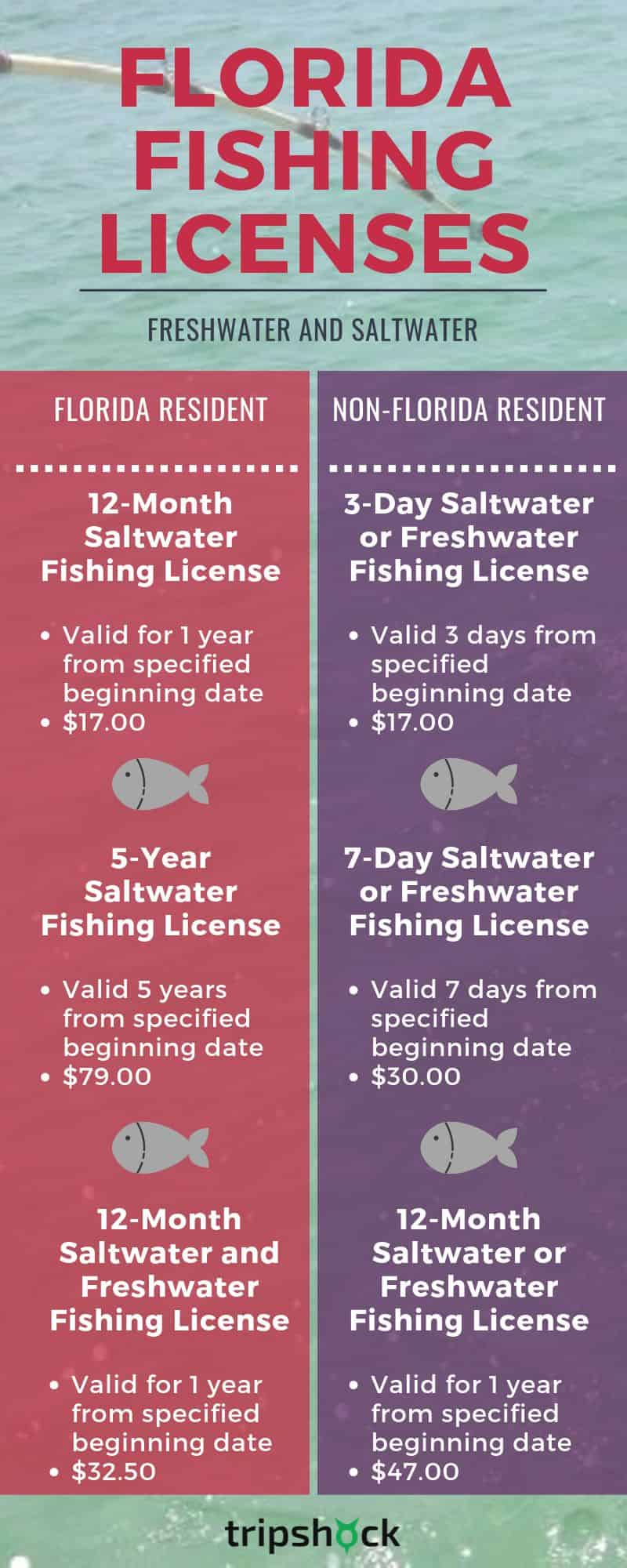
As expected, resident licenses are significantly more affordable than non-resident licenses, reflecting the ongoing contribution of residents to the state’s tax base and economy. For example, a resident annual freshwater or saltwater license is typically priced much lower than a non-resident annual license. This differential is a standard practice in states with significant recreational tourism.
License Durations
To accommodate various travel plans, Florida offers several license duration options:
- Annual Licenses: Valid for 12 months from the date of purchase. These are the most cost-effective for frequent anglers or residents.
- Multi-Year Licenses: For residents, options like 5-year licenses might be available, offering even greater savings and convenience.
- Short-Term Non-Resident Licenses: These are particularly popular for tourists. Options typically include 3-day and 7-day licenses for both freshwater and saltwater, allowing visitors to purchase a license that aligns perfectly with their vacation schedule in cities like Miami, Orlando, or Tampa. There are also options for a 1-year non-resident license for those planning multiple visits.
Add-on Permits and Endorsements
Beyond the basic freshwater and saltwater licenses, Florida requires additional permits or endorsements for targeting specific species, especially those with high recreational value or particular conservation needs. These include:
- Snook Permit: Required for taking snook.
- Lobster Permit: Necessary for recreational harvest of spiny lobster during specific seasons, often in areas like Key West.
- Tarpon Tag: Required if you intend to keep a tarpon (though most tarpon fishing is catch and release).
- Federal Permits: If fishing in federal waters (beyond 9 nautical miles in the Atlantic Ocean or 9 miles in the Gulf of Mexico), additional federal permits, such as the State Reef Fish Angler designation, may be necessary for certain species. Always research these requirements carefully, especially when planning offshore trips.
Where to Purchase Your License
Purchasing a license is straightforward:
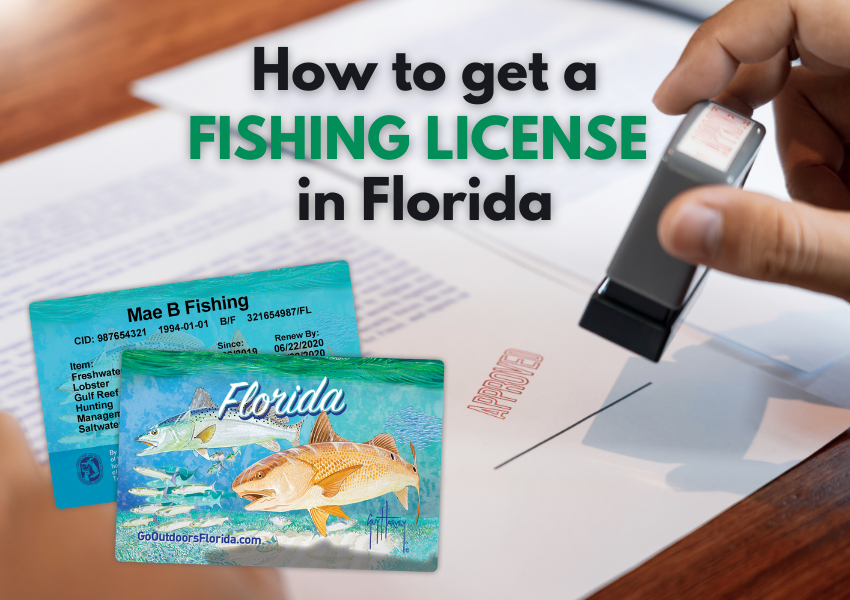
- Online: The easiest and most convenient method is through the FWC’s GoOutdoorsFlorida website. You can purchase and print your license immediately, or save it digitally on your phone.
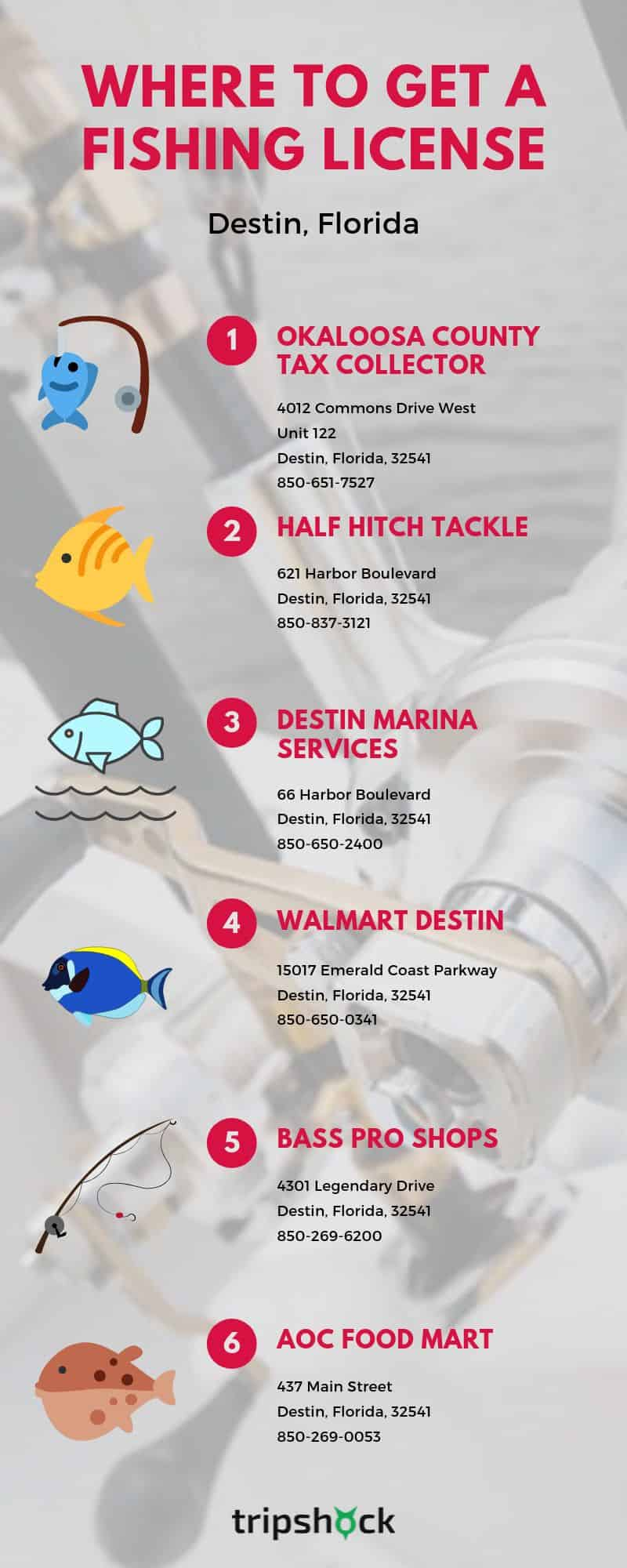
- Retail Vendors: Many bait and tackle shops, sporting goods stores (like Bass Pro Shops or West Marine), and even some department stores (like Walmart) across Florida are authorized license vendors.
- County Tax Collector Offices: These government offices also sell licenses in person.
Why Compliance Matters: The Bigger Picture for Florida Tourism
Beyond the legal obligation, purchasing a fishing license and adhering to regulations is a fundamental aspect of responsible tourism and plays a critical role in preserving Florida’s natural heritage.
Supporting Conservation Efforts
Every dollar spent on a Florida fishing license goes directly into funds managed by the FWC for conservation and management programs. These programs include:
- Fisheries Research: Studying fish populations, migration patterns, and habitat needs.
- Habitat Restoration: Projects to restore vital habitats like seagrass beds, coral reefs, and freshwater ecosystems.
- Stocking Programs: Releasing hatchery-raised fish into specific bodies of water to enhance populations.
- Enforcement: Funding wildlife officers who protect resources and ensure fair access.
- Public Access: Maintaining and developing boat ramps, fishing piers, and other public access points.
By purchasing a license, you are directly contributing to the long-term sustainability of the very resources you wish to enjoy, ensuring future generations can also experience the thrill of fishing in Florida.
Avoiding Penalties and Fines
Fishing without the appropriate license is a violation of Florida state law. If caught, you could face significant fines, confiscation of your gear, and potential legal repercussions. These penalties are designed to be a deterrent and reinforce the importance of compliance. A pleasant fishing trip can quickly turn sour with an encounter with law enforcement due to an oversight. It’s a simple matter of checking the requirements and making a small investment to avoid larger problems.
Enhancing Your Florida Fishing Experience
Knowing you are fishing legally provides peace of mind, allowing you to fully immerse yourself in the experience. Responsible angling is also part of the broader ecotourism ethic that Florida champions. By following regulations, you’re not just avoiding trouble; you’re participating in a collective effort to maintain the health and allure of Florida’s natural attractions, making the state a more sustainable and enjoyable destination for everyone.
Essential Fishing Tips for Visitors to Florida
Beyond obtaining your license, a few additional tips can enhance your fishing adventure in Florida and ensure a memorable, responsible experience.
Research Local Regulations Beyond Licenses
While your license grants you the right to fish, it doesn’t cover all rules. Florida has specific regulations regarding:
- Size Limits: Minimum and maximum lengths for keeping certain fish.
- Bag Limits: The maximum number of fish of a particular species you can keep per day.
- Seasons: Open and closed seasons for specific species (e.g., snook season, red snapper season).
- Gear Restrictions: Allowed and prohibited fishing methods or gear types.
These regulations can vary by region (e.g., Gulf vs. Atlantic) and can change, so always check the latest FWC guidelines, typically available online or in a printed guide at tackle shops.
Gear Up Appropriately
Florida’s diverse fisheries require different gear.
- Saltwater: Corrosion-resistant reels, braided line, strong rods, and appropriate terminal tackle (hooks, leaders, weights) for species like redfish, snapper, or king mackerel.
- Freshwater: Lighter tackle is often sufficient for bass and panfish.
- Bait: Live bait (shrimp, minnows, mullet) is often highly effective, but artificial lures can also yield great results. Talk to local bait shop owners; they are invaluable sources of information on what’s biting and what gear to use.
Consider a Guided Charter
Especially for first-time visitors or those unfamiliar with Florida’s waters, a guided fishing charter is an excellent investment. As noted, the license is typically covered, and captains provide all the necessary gear, bait, and most importantly, expert knowledge of local hotspots and fishing techniques. Whether you want to explore the flats of Tampa Bay, the reefs off Miami, or the bass lakes near Orlando, a guide can dramatically increase your chances of success.
Practice Catch and Release Responsibly
Many anglers choose to practice catch and release, particularly for certain species or when they’ve met their bag limit. When releasing fish, minimize stress by handling them gently, wetting your hands, using de-hooking tools, and reviving them properly before release. This practice is vital for maintaining healthy fish populations.
Respect Florida’s Natural Environment
Florida is home to sensitive ecosystems, including estuaries, coral reefs, and the unique wetlands of Everglades National Park. Always practice “leave no trace” principles: properly dispose of all trash, avoid damaging vegetation or sensitive habitats, and do not feed wildlife. Responsible behavior ensures these pristine environments remain beautiful and biodiverse for all to enjoy.
In conclusion, the answer to “Do you have to have a fishing license in Florida?” is overwhelmingly yes, for individuals aged 16 and over, with specific exceptions primarily for residents fishing from shore or those on licensed charter boats or piers. Acquiring the correct freshwater or saltwater license, along with any necessary endorsements, is a simple and essential step for any angler. It’s not just a legal obligation but a direct contribution to the vibrant future of Florida’s extraordinary fishing resources. So, do your homework, get your license, and prepare to discover why Florida truly is the Fishing Capital of the World.
LifeOutOfTheBox is a participant in the Amazon Services LLC Associates Program, an affiliate advertising program designed to provide a means for sites to earn advertising fees by advertising and linking to Amazon.com. Amazon, the Amazon logo, AmazonSupply, and the AmazonSupply logo are trademarks of Amazon.com, Inc. or its affiliates. As an Amazon Associate we earn affiliate commissions from qualifying purchases.