
The question “What Is The New York State Capital?” might seem straightforward, but for many, the immediate assumption is often New York City. While New York City is undeniably the Empire State’s most famous and populous metropolis, it holds the distinction of being the state’s largest city, not its official capital. The true heart of New York‘s governance, the seat of its political power, lies nestled further upstate, in a city rich with history, architectural grandeur, and a vibrant cultural scene. That city is Albany.
Often overlooked by the bustling throngs of tourists drawn to the bright lights of Manhattan, Albany offers a compelling blend of historical significance, burgeoning urban life, and accessible charm. It’s a destination that rewards those who venture beyond the expected, providing a deeper understanding of New York‘s past and present. From its impressive government buildings to its lively arts district, Albany presents a multifaceted experience, making it a worthy exploration for travelers interested in history, culture, and authentic New York experiences.

Unveiling Albany: More Than Just a Capital
To truly understand what makes Albany the New York State Capital, one must delve into its historical roots and its strategic importance. Its location along the Hudson River played a pivotal role in its early development, making it a crucial trading post and a strategic military point during various periods of American history. This historical weight is palpable as you wander through its streets, with centuries-old buildings standing as testaments to its enduring legacy.
A Glimpse into History: From Dutch Settlement to Statehood
Albany‘s story begins long before it became the capital of New York. Founded in 1614 by Dutch colonists as a fur trading post named “Fort Nassau,” it was later established as “Fort Orange” in 1624, becoming one of the earliest permanent European settlements in the United States. Its strategic position at the confluence of the Mohawk River and the Hudson River made it a vital hub for commerce and westward expansion.
The city was officially granted a charter as Albany in 1686, named in honor of the Duke of Albany, who would later become King James II of England. Throughout the colonial era and the American Revolution, Albany served as a key administrative and military center. Its proximity to the Canadian border and its role in controlling trade routes made it a focal point for conflicts, including the pivotal Battle of Saratoga, a turning point in the Revolutionary War, which took place a short distance from the city.
Following the Revolutionary War, Albany continued to grow in importance. In 1797, it was officially designated as the capital of New York State, a title it has held ever since. This designation cemented its role as the political and administrative center of the growing state. The construction of the Erie Canal in the early 19th century further propelled Albany‘s growth, transforming it into a major transportation and economic powerhouse. The canal connected the Great Lakes to the Atlantic Ocean, with Albany serving as its eastern terminus, a vital link in a national trade network. This era of prosperity saw the development of much of the city’s distinct architecture, reflecting the wealth and ambition of the time.
The Pillars of Governance: Exploring the Capitol Complex
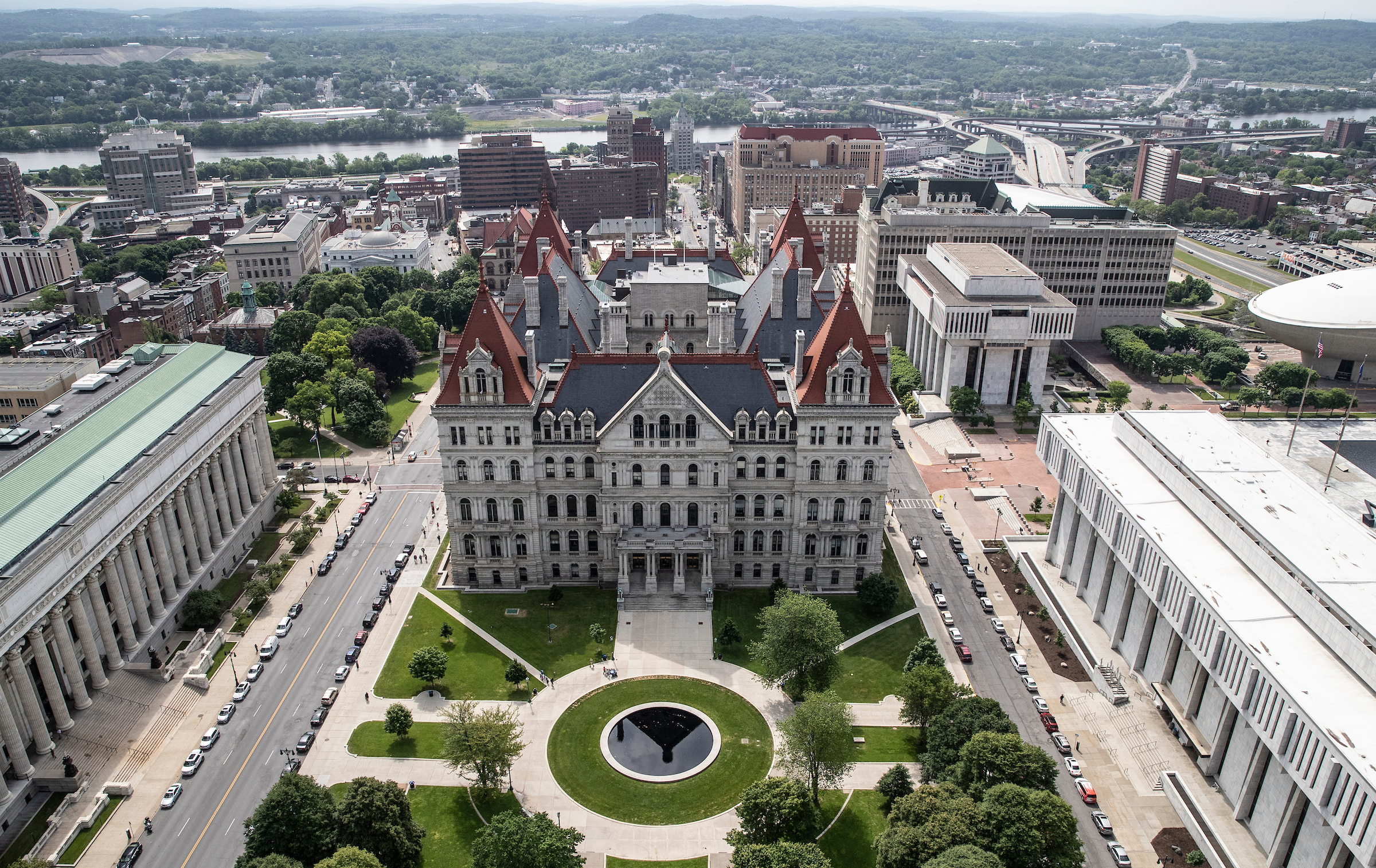
At the heart of Albany‘s identity as the New York State Capital is its magnificent Empire State Plaza and the New York State Capitol Building. This iconic complex is not just a government workspace; it’s a symbol of the state’s power, history, and artistic achievements.
The Majestic New York State Capitol Building
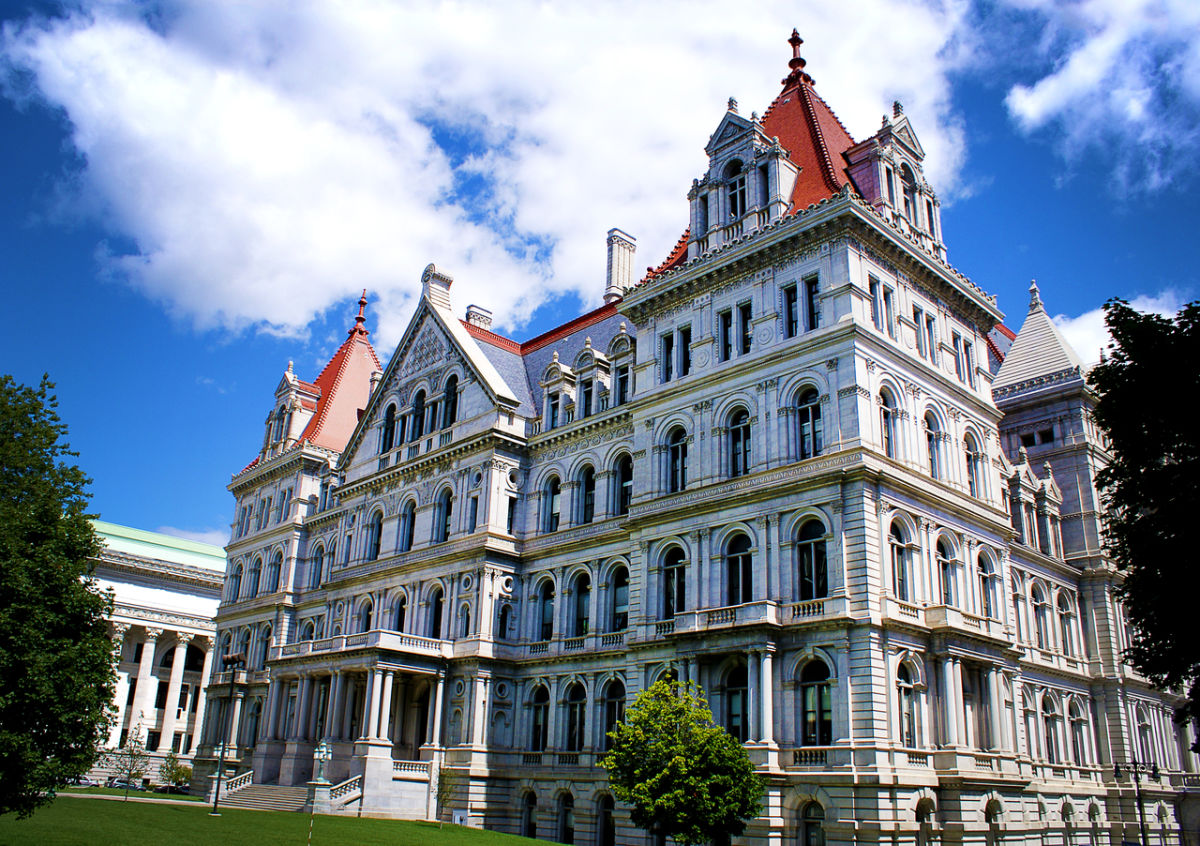
The New York State Capitol Building is a masterpiece of Romanesque Revival and Renaissance architecture. Construction began in 1867 and took 32 years to complete, employing thousands of laborers and craftsmen. The result is a stunning edifice constructed from granite, featuring an impressive array of architectural details. One of its most remarkable features is the Million Dollar Staircase, a five-story, ornately carved marvel that is a testament to the craftsmanship of the era. The building also houses the legislative chambers of the New York State Assembly and the New York State Senate. Guided tours are available, offering visitors a chance to learn about the building’s history, its intricate details, and its role in New York‘s governance. The sheer scale and artistic detail of the Capitol Building make it a must-see landmark for anyone visiting Albany.
The Empire State Plaza: A Modern Marvel
Adjacent to the Capitol Building lies the Empire State Plaza. This expansive complex, designed by architect Wallace K. Harrison, was a monumental undertaking completed in the late 1960s and early 1970s. It comprises several state office buildings, the New York State Museum, the Albany Performing Arts Center, and the Egg, a distinctive performing arts venue. The Plaza is renowned for its modernist design, vast open spaces, and impressive collection of public art, including numerous sculptures. During warmer months, the Plaza often hosts events, concerts, and festivals, transforming the space into a vibrant hub of activity. The Empire State Plaza stands as a striking contrast to the historic Capitol Building, showcasing the evolution of architectural styles and Albany‘s ongoing development.
The New York State Museum: A Journey Through Empire State History
Within the Empire State Plaza is the New York State Museum. This comprehensive institution offers a deep dive into the natural and cultural history of New York State. Exhibits cover everything from New York‘s geological past and its diverse wildlife to the state’s role in shaping American history, industry, and culture. Visitors can explore displays on Native American history, the Adirondack wilderness, the Civil War, and the state’s significant contributions to science and innovation. The New York State Museum is an invaluable resource for understanding the rich tapestry of New York and its impact on the world. It’s an engaging and educational experience for visitors of all ages.
Beyond the Government: Experiencing Albany’s Cultural and Lifestyle Offerings
While its role as the capital is paramount, Albany is far more than just a seat of government. The city boasts a dynamic cultural scene, diverse culinary offerings, and a welcoming atmosphere that appeals to a wide range of interests. Whether you’re a history buff, an art enthusiast, a foodie, or simply looking for a comfortable place to stay, Albany has something to offer.
A Flourishing Arts and Culture Scene
Albany has a surprisingly robust arts and culture scene. The Albany Center Gallery showcases contemporary art by artists from New York‘s Capital Region, while the Palace Theatre, a beautifully restored historic venue, hosts a variety of performances, from Broadway shows to concerts and comedy acts. For those interested in history beyond government, the Albany Institute of History & Art offers a glimpse into the region’s rich past through its extensive collections of art and historical artifacts. The Washington Park, a large urban park designed by Frederick Law Olmsted, provides a picturesque setting for leisurely strolls, picnics, and hosts numerous events, including the popular Tulip Festival. The Albany area is also known for its vibrant live music scene, with numerous venues featuring local and touring artists.
Culinary Delights and Local Flavors
Albany‘s culinary landscape has evolved significantly, offering a diverse array of dining experiences. From cozy cafes and traditional New York-style pizzerias to upscale restaurants and ethnic eateries, there’s something to satisfy every palate. The city is home to a growing number of farm-to-table restaurants, highlighting fresh, seasonal ingredients from the surrounding agricultural regions. Local breweries and craft beer pubs are also popular, offering a taste of New York‘s burgeoning craft beverage industry. Exploring the local food scene is an integral part of the Albany experience, providing a delicious way to connect with the city’s community and its regional bounty.
Accommodation and Lifestyle Choices
When it comes to Accommodation, Albany offers a range of options to suit different travel styles and budgets. Visitors can find everything from well-known hotel chains and boutique hotels to charming bed and breakfasts and extended-stay apartment rentals. The downtown area offers convenient access to the Capitol complex and many attractions, while neighborhoods like Lark Street provide a more bohemian vibe with independent shops and eateries. For those seeking a more luxurious experience, there are upscale hotels and resorts nearby that offer premium amenities and services. Whether planning a short business trip, a weekend getaway, or a longer stay for research or leisure, travelers can find comfortable and convenient lodging in Albany. The city’s developing infrastructure and its growing appeal as a travel destination mean that the options for places to stay are continually expanding, ensuring a pleasant and practical visit for all.
In conclusion, while New York City may be the most globally recognized name associated with New York State, it is Albany that proudly holds the title of the New York State Capital. This historic city, with its impressive government buildings, rich past, and vibrant present, offers a compelling and often surprising travel experience. From the grandeur of the Capitol Building to the educational depth of the New York State Museum and the lively cultural scene, Albany invites exploration and promises a deeper understanding of what makes New York State so unique. It’s a destination that proves that sometimes, the most significant stories are found not in the loudest voices, but in the quiet, enduring presence of history and governance.
LifeOutOfTheBox is a participant in the Amazon Services LLC Associates Program, an affiliate advertising program designed to provide a means for sites to earn advertising fees by advertising and linking to Amazon.com. Amazon, the Amazon logo, AmazonSupply, and the AmazonSupply logo are trademarks of Amazon.com, Inc. or its affiliates. As an Amazon Associate we earn affiliate commissions from qualifying purchases.