
The hospitality industry is a vast and intricate ecosystem, where countless roles converge to ensure a seamless guest experience. While the glamorous aspects of luxury resorts and the meticulous planning of travel itineraries often take center stage, there are vital, often unseen, individuals who work diligently behind the scenes. One such crucial role is that of the hotel night auditor. Operating during the quiet hours of the night, this professional is the unsung hero responsible for the financial integrity and smooth operational transition of a hotel. Their work is foundational to accurate accounting, efficient management, and ultimately, guest satisfaction, extending its impact far beyond their solitary shift.

The concept of a hotel night auditor might seem niche, but their responsibilities are broad and impactful. In essence, they bridge the gap between the day’s operations and the dawn of a new one, ensuring that all financial transactions are accounted for and that the hotel is ready for the next influx of guests. This role is particularly prominent in hotels that operate 24/7, a common characteristic of many establishments catering to business travelers, frequent flyers, or those seeking round-the-clock services. Imagine a bustling city like New York City, where hotels are perpetually active; the night auditor is an indispensable part of their operational machinery.
The Crucial Role of the Night Auditor
The primary function of a hotel night auditor is to balance the hotel’s accounts at the end of each business day. This involves meticulously reviewing all financial transactions, from room charges and restaurant bills to bar tabs and amenity fees. They are the last line of defense against errors, discrepancies, and potential fraud, ensuring that every penny is accounted for. This meticulous attention to detail is paramount, as even small mistakes can have a ripple effect on the hotel’s overall financial health.
Daily Financial Reconciliation
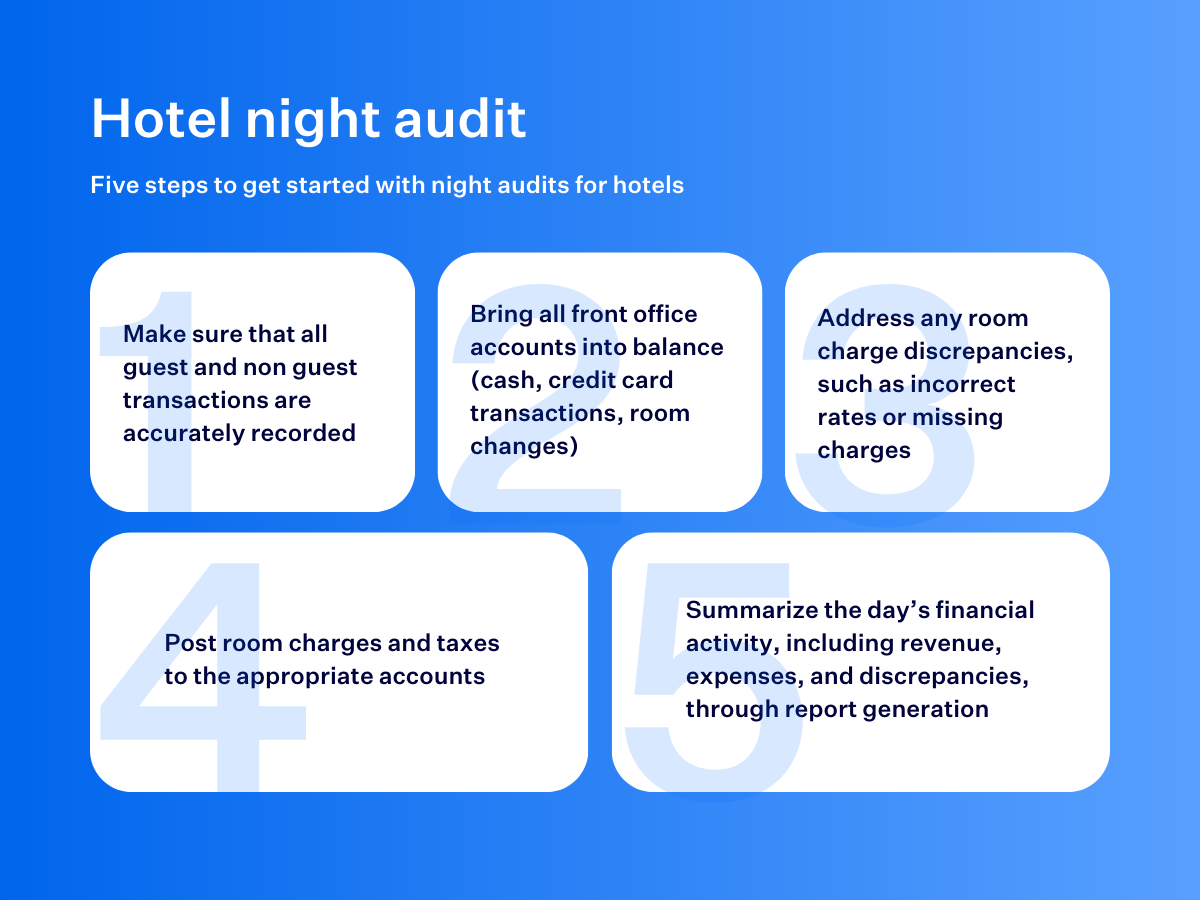
At the core of the night auditor’s duties is the process of daily financial reconciliation. This typically involves:
- Reviewing Guest Folios: Each guest’s bill, or folio, is examined for accuracy. This includes verifying room rates, posting charges for services like room service or spa treatments, and ensuring that any special discounts or packages have been applied correctly. They cross-reference these folios with the Property Management System (PMS) to identify any discrepancies.
- Posting Room Charges: The night auditor is responsible for posting the room charges for all guests who have checked in, ensuring that the correct rates are applied and that charges are accurately reflected.
- Reconciling Point-of-Sale (POS) Systems: Restaurants, bars, and gift shops within the hotel utilize POS systems to process transactions. The night auditor collects and reconciles the daily reports from these systems, matching them against cash, credit card receipts, and other payment methods.
- Processing Credit Card Transactions: They ensure that all credit card payments are properly authorized, processed, and batched for transmission to the bank. This often involves verifying that the amounts charged to guests match their respective folios.
- Balancing Cash Drawer: If the hotel handles cash transactions, the night auditor will count and balance the cash drawer, comparing the physical cash to the recorded sales. Any shortages or overages must be investigated and documented.
- Auditing House Accounts: Hotels often have “house accounts” for internal charges, such as employee meals or departmental expenses. These accounts also need to be audited for accuracy.
Generating Daily Reports
Beyond reconciliation, the night auditor is instrumental in generating crucial daily reports that inform hotel management. These reports provide a snapshot of the hotel’s financial performance for the day and are essential for strategic decision-making. Key reports often include:
- Daily Revenue Report: This report summarizes all revenue generated by the hotel, broken down by department (rooms, food and beverage, etc.). It’s a vital tool for tracking profitability.
- Occupancy Report: While not strictly financial, this report is often generated by the night auditor and details the hotel’s occupancy rate, providing insights into demand and revenue potential.
- Departmental Reports: These reports offer a more granular view of revenue streams, allowing management to identify trends and areas for improvement within specific departments. For example, a detailed food and beverage report might highlight popular menu items or peak service times.
- Audit Adjustments Report: Any corrections or adjustments made during the audit process are documented here, providing a trail of financial activity.
These reports are not just numbers; they are the language of business success. For a hotel aiming to optimize its luxury travel offerings or to refine its budget travel strategies, these daily insights are invaluable.
Beyond the Numbers: Additional Responsibilities
While financial reconciliation is the cornerstone of the night auditor role, their responsibilities often extend to encompass a broader range of operational duties, particularly in smaller hotels or during overnight shifts. They become the primary point of contact for any issues or needs that arise after regular business hours, ensuring that the hotel continues to function smoothly.
Front Desk Operations and Guest Services
In many establishments, the night auditor also doubles as the overnight front desk agent. This means they are the welcoming face for late-arriving guests, assist those checking out early, and handle any guest requests or concerns that emerge during the night. This can include:
- Check-ins and Check-outs: Welcoming guests arriving late and facilitating smooth departures for early risers. This requires efficiency and a welcoming demeanor, even at odd hours.
- Handling Guest Inquiries: Answering questions about hotel services, local attractions like the Louvre Museum, or providing directions.
- Responding to Emergencies: Being prepared to handle minor emergencies or escalate more serious situations to the appropriate personnel or authorities.
- Assisting with Room Changes or Issues: Addressing any problems guests might experience with their rooms, such as malfunctioning air conditioning or television issues.
This dual role requires a versatile skill set, blending accounting acumen with excellent customer service abilities. A guest arriving at 2 AM at the Ritz Paris expects the same level of service as someone checking in at noon, and the night auditor is often the one to deliver it.
Operational Oversight and Security
During the quiet overnight hours, the night auditor often acts as a de facto manager, responsible for overseeing general hotel operations and ensuring security. This might involve:
- Monitoring Security Cameras: Keeping an eye on the hotel’s security camera feeds to ensure the safety and security of guests and property.
- Performing Security Rounds: In some hotels, the night auditor may conduct periodic rounds of the property to check for any security breaches or maintenance issues.
- Opening and Closing Procedures: Executing opening and closing procedures for various hotel outlets or departments as required.
- Ensuring Smooth Shift Transitions: Preparing the front desk and necessary reports for the morning shift, ensuring a seamless handover of operations.
The responsibility of security is significant. A night auditor at a large resort like Disney’s Grand Floridian Resort & Spa in Orlando has to be vigilant, as the sprawling property requires constant attention.
The Skills and Qualities of an Effective Night Auditor
The role of a hotel night auditor demands a specific set of skills and personal attributes to be successful. It’s a position that requires a blend of technical proficiency, analytical thinking, and interpersonal abilities, often performed in solitude.
Essential Skills and Qualifications
- Accounting and Bookkeeping Knowledge: A strong understanding of basic accounting principles, debits, credits, and financial reconciliation is fundamental. Proficiency with accounting software and hotel PMS is often a prerequisite.
- Computer Proficiency: The ability to navigate various software programs, including PMS, POS systems, and Microsoft Office Suite, is essential for daily tasks.
- Attention to Detail: Meticulousness is paramount. Errors in financial records can be costly, so a keen eye for detail is non-negotiable.
- Problem-Solving Skills: The ability to identify and resolve discrepancies or issues that arise during the audit process or overnight operations.
- Time Management: As the night auditor often works independently, they must be adept at managing their time effectively to complete all assigned tasks within their shift.
- Communication Skills: Clear and concise communication is necessary for reporting findings to management and interacting with any guests or staff encountered.
- Integrity and Honesty: Given the financial responsibilities, a high degree of integrity and trustworthiness is expected.

Personal Attributes
- Reliability and Dependability: The overnight shift requires individuals who are consistently punctual and can be counted on to fulfill their duties without supervision.
- Self-Discipline and Motivation: Working alone during the night demands a high level of self-discipline and the ability to stay focused and motivated.
- Calm Under Pressure: The ability to remain calm and composed when faced with unexpected challenges or during busy periods is crucial.
- Adaptability: The role can sometimes involve unexpected duties, so adaptability to changing circumstances is an asset.
- Discretion: Handling sensitive financial information requires a high level of discretion and confidentiality.
The lifestyle associated with being a night auditor is unique. It suits individuals who are comfortable working independently, enjoy a quieter work environment, and prefer non-traditional working hours, perhaps those who are students, freelancers, or individuals seeking a secondary income stream. For someone who enjoys the calm of a city like Kyoto at night, the quiet focus of this role can be appealing.
In conclusion, the hotel night auditor is a critical linchpin in the daily operations of any hospitality establishment. Their role, though often solitary, is indispensable for maintaining financial accuracy, ensuring operational continuity, and contributing to the overall guest experience. They are the guardians of the hotel’s financial health, working through the night to ensure that when the sun rises, the hotel is ready to welcome its guests with confidence and efficiency. From balancing the books of a bustling Las Vegas casino hotel to ensuring accuracy at a charming boutique inn in Paris, the night auditor’s contribution is a testament to the multifaceted nature of the tourism industry.
LifeOutOfTheBox is a participant in the Amazon Services LLC Associates Program, an affiliate advertising program designed to provide a means for sites to earn advertising fees by advertising and linking to Amazon.com. Amazon, the Amazon logo, AmazonSupply, and the AmazonSupply logo are trademarks of Amazon.com, Inc. or its affiliates. As an Amazon Associate we earn affiliate commissions from qualifying purchases.