
While pinpointing the exact, real-time temperature across an entire state at any given second is a dynamic challenge best left to live weather apps, understanding the prevailing climate and typical seasonal trends in Florida is crucial for any traveler. The Sunshine State, renowned for its diverse landscapes from pristine beaches to vast wetlands, experiences a climate that profoundly shapes its appeal and the experiences it offers. Far more than just a number on a thermometer, Florida’s temperature dictates everything from what to pack to the best time for theme park adventures, beach relaxation, or exploring its vibrant cities.
This guide delves into the nuances of Florida’s climate, exploring regional variations, seasonal patterns, and practical advice to ensure your visit is comfortable and perfectly aligned with the weather. We’ll provide insights into what you can generally expect “right now” based on the time of year and region, empowering you to plan your ultimate Florida getaway.
Understanding Florida’s Diverse Climate
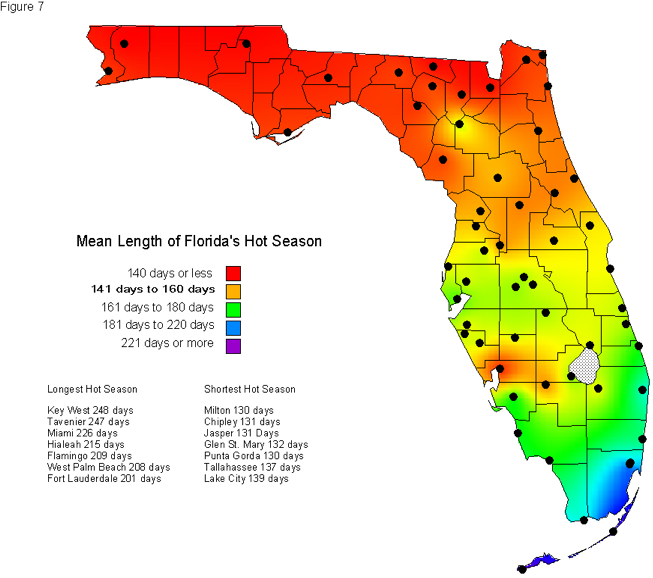
Florida’s unique geographical position, bordered by the Gulf of Mexico to the west and the Atlantic Ocean to the east, significantly influences its climate, creating a mosaic of weather patterns across the state. It’s a land where subtropical warmth dominates, but tropical influences become more pronounced as you head south.
A Subtropical and Tropical Wonderland
The majority of Florida experiences a humid subtropical climate, characterized by warm, humid summers and mild, relatively dry winters. However, the southernmost tip of the state, including the Florida Keys and regions around Miami, officially falls within a tropical climate zone. This distinction means that while much of the state enjoys a distinct cool season, the deep south often maintains consistent warmth year-round, with less dramatic temperature fluctuations. This tropical influence is key to understanding why places like Key West rarely see temperatures dip significantly, even in the “winter” months.
Regional Climate Variations Across the Sunshine State
The sheer length of Florida from north to south – roughly 400 miles – means that temperature and weather can vary considerably depending on your location.
- North Florida: Cities like Jacksonville, Tallahassee, and Pensacola experience the most distinct four seasons. While winters are mild compared to northern states, they can see occasional cold fronts, with temperatures sometimes dipping into the 30s°F (around 0-5°C) and even rare instances of freezing. Summers here are hot and humid, much like the rest of the state.
- Central Florida: Home to major attractions in Orlando and coastal areas like Daytona Beach and Tampa, this region enjoys a classic subtropical climate. Winters are pleasantly mild, ideal for tourism, while summers are long, hot, and prone to afternoon thunderstorms, which provide a temporary cooldown.
- South Florida: From Fort Lauderdale to Naples and down to the Florida Keys, this is where the tropical influence is strongest. Winters are very warm and dry, often feeling like an endless summer for visitors from colder climes. Summers are intensely hot and humid, with daily downpours being a common occurrence, especially from June to September.
Key Factors Influencing Florida’s Weather
Beyond latitude, several factors contribute to Florida’s temperature profile:
- Proximity to Water: Being a peninsula, Florida is surrounded by warm ocean waters. Both the Gulf of Mexico and the Atlantic Ocean act as natural insulators, moderating temperatures year-round, keeping winters warmer and summers slightly cooler along the immediate coast compared to inland areas.
- Humidity: High humidity is a defining characteristic of Florida’s climate, especially during the warmer months. While not a temperature itself, it significantly impacts how the temperature feels, making 90°F (32°C) feel much hotter due to the reduced evaporative cooling from your skin.
- Solar Radiation: Florida receives abundant sunshine, living up to its “Sunshine State” moniker. This high solar radiation contributes to consistently warm temperatures, particularly from late spring through early autumn.
- Seasonal Fronts: During winter, cold fronts periodically sweep down from North America, bringing cooler, drier air to the state, more noticeably in the northern and central regions. These fronts are what create the occasional “cold snaps” that surprise visitors expecting perpetual warmth.
Seasonal Temperature Trends and What to Expect
Understanding Florida’s seasons is crucial for planning your trip, as each period offers distinct advantages and weather conditions.
Winter’s Mild Charm: December to February
Often considered the peak travel season, Florida’s winters are a welcome escape from colder climates.
- Temperatures: Generally range from the mid-50s°F (13-15°C) to the low 70s°F (21-23°C) statewide.
- North Florida (e.g., Jacksonville, Tallahassee, Pensacola): Averages 40-60°F (4-16°C), with occasional dips below freezing overnight.
- Central Florida (e.g., Orlando, Tampa): Averages 50-70°F (10-21°C), with pleasantly warm days.
- South Florida (e.g., Miami, Florida Keys): Averages 60-75°F (16-24°C), feeling like perpetual spring or early summer.
- Weather: Mostly dry, sunny days. Cold fronts bring brief periods of cooler temperatures. Humidity is at its lowest.
- Best For: Theme parks, outdoor festivals, beach relaxation (especially in the south), golfing, and exploring natural parks like Everglades National Park.
Spring’s Perfect Balance: March to May
Spring brings delightful weather across the state, with rising temperatures and generally lower humidity before the summer heat sets in.
- Temperatures: Progress from the 60s°F (16-20°C) in early spring to the 80s°F (27-30°C) by late May.
- North Florida: Averages 55-75°F (13-24°C).
- Central Florida: Averages 60-80°F (16-27°C).
- South Florida: Averages 70-85°F (21-29°C), with plenty of beach days.
- Weather: Mostly sunny and pleasant. Humidity gradually increases. Occasional brief thunderstorms become more common towards May.
- Best For: Beach vacations, water sports, exploring gardens, outdoor dining, and enjoying the lively atmosphere of spring break.
Summer’s Sizzling Appeal: June to August
Florida’s summer is synonymous with heat, humidity, and daily afternoon thunderstorms.
- Temperatures: Consistently hot, typically in the high 80s°F (30-32°C) to mid-90s°F (32-35°C) across the state.
- North Florida to South Florida: Averages 80-95°F (27-35°C). The “feels like” temperature can often exceed 100°F (38°C) due to high humidity.
- Weather: High humidity, daily pop-up thunderstorms (often short-lived but intense), and abundant sunshine otherwise. This is also hurricane season, so monitoring forecasts is wise.
- Best For: Water parks, swimming, air-conditioned indoor attractions, early morning or late evening outdoor activities, and taking advantage of potentially lower crowd levels at some attractions.
Autumn’s Gentle Transition: September to November
Autumn offers a gradual cooldown, with pleasant temperatures returning, especially towards October and November.
- Temperatures: Begin in the high 80s°F (30-32°C) in September and drop to the 60s-70s°F (16-24°C) by November.
- North Florida: Averages 60-80°F (16-27°C).
- Central Florida: Averages 65-85°F (18-29°C).
- South Florida: Averages 70-88°F (21-31°C).
- Weather: Humidity decreases, and sunshine increases. The peak of hurricane season is in September and October, but the weather generally improves significantly by November.
- Best For: Outdoor festivals, cooler beach days, exploring historical sites like St. Augustine, and enjoying the vibrant fall foliage in some northern areas.
Real-time Temperature Insights for Popular Florida Destinations
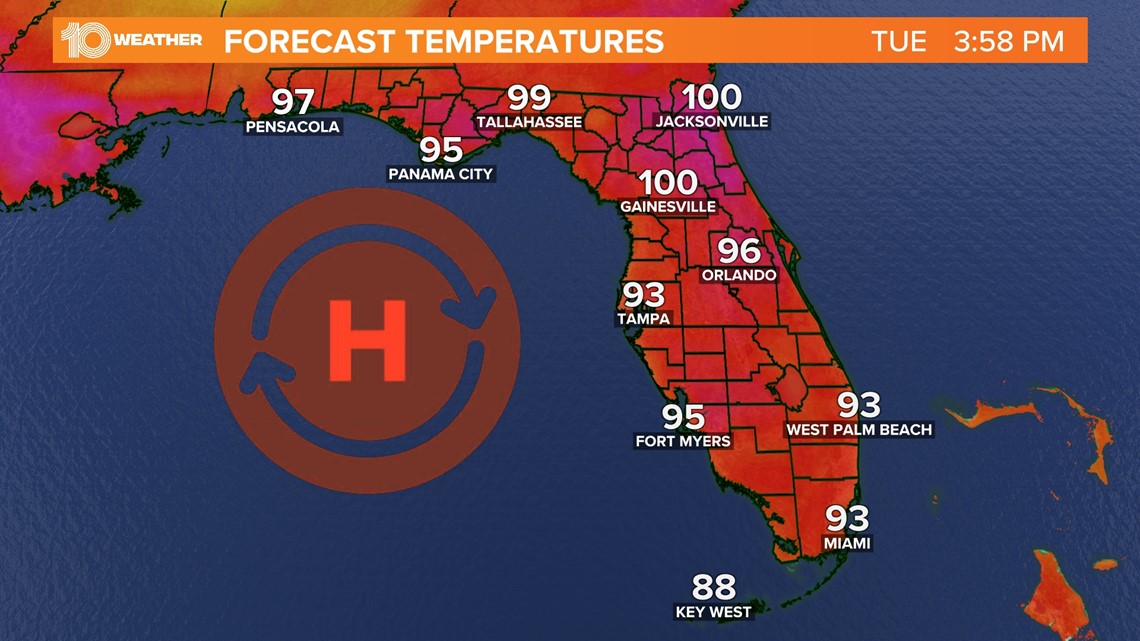
While current temperatures fluctuate, here’s what you’d typically find across key destinations based on the season. Always check a reliable weather app for the most up-to-the-minute forecast.
Miami and South Florida: Tropical Warmth
In Miami and across South Florida, including popular spots like South Beach and Miami Beach, you can expect the warmest temperatures year-round.
- Typical “Right Now” (Winter): If you’re visiting in January, expect daytime highs around 75°F (24°C) with low humidity, perfect for beach days or strolling South Beach. Nights may cool to the mid-60s°F (18°C).
- Typical “Right Now” (Summer): In July, expect sweltering highs of 90°F (32°C) with a “feels like” temperature much higher due to intense humidity. Brief, heavy afternoon thunderstorms are almost a daily certainty, offering a temporary reprieve.
Orlando and Central Florida: Inland Heat and Afternoon Showers
Orlando, the heart of Florida’s theme park industry, experiences classic subtropical conditions.
- Typical “Right Now” (Winter): A December visit might see pleasant highs in the low 70s°F (22°C), ideal for exploring Walt Disney World Resort or Universal Orlando Resort. Nights can drop to the low 50s°F (10-12°C), warranting a light jacket.
- Typical “Right Now” (Summer): By August, expect highs near 92°F (33°C) with high humidity. Mid-afternoon storms are frequent, so planning indoor activities or breaks around that time is smart.
Jacksonville and North Florida: More Pronounced Seasonal Shifts
Jacksonville and its surrounding North Florida areas experience cooler winters and hot summers, closer to the southeastern U.S. mainland climate.
- Typical “Right Now” (Winter): In a colder January, daytime temperatures might hover around 60°F (16°C), and evenings could dip into the 40s°F (4-9°C). This is a great time for outdoor activities without the intense heat.
- Typical “Right Now” (Summer): June will likely bring highs in the low 90s°F (33°C) with considerable humidity, similar to Central Florida, though coastal breezes can provide some relief.
The Florida Keys: Consistent Oceanic Influence
The Florida Keys boast the most consistent temperatures, thanks to the surrounding ocean.
- Typical “Right Now” (Any Season): Whether it’s February or September, expect temperatures rarely straying far from the mid-70s to high 80s°F (24-31°C). Even in winter, highs typically reach the mid-70s°F (24°C), making it a year-round paradise for water activities. Summer sees more humidity and rain, but temperatures remain tropical. For example, Key West in April typically sees comfortable highs around 82°F (28°C).
Preparing for Florida’s Weather: Travel Tips and Essentials
No matter when you visit, being prepared for Florida’s unique climate is key to a comfortable and enjoyable trip.
Packing Smart for Any Season
Even in winter, assume you’ll be shedding layers. Pack light, breathable clothing, preferably moisture-wicking fabrics. For summer, quick-drying materials are a godsend. Always include swimwear. In winter, bring a light jacket or sweater, especially for evenings in Central Florida or North Florida, and perhaps a heavier layer if visiting the northern reaches. Comfortable walking shoes are essential, as are sandals or flip-flops.
Hydration and Sun Protection are Key
Florida’s sun is strong year-round.
- Sunscreen: A high SPF sunscreen is non-negotiable. Reapply frequently, especially after swimming or sweating.
- Hats and Sunglasses: Protect your face and eyes from intense UV rays.
- Hydration: Drink plenty of water throughout the day, even if you don’t feel thirsty, especially during the warmer months and when engaging in outdoor activities. Dehydration can quickly set in.
Navigating Unexpected Weather Changes
Florida weather, particularly in summer, can be unpredictable.
- Afternoon Showers: Be prepared for daily pop-up thunderstorms from June to September. These are usually brief, intense, and followed by sunshine. Pack a small umbrella or light rain poncho.
- Hurricane Season: From June 1st to November 30th, it’s hurricane season. While direct hits are rare, tropical systems can bring extended periods of heavy rain and strong winds. Monitor forecasts from reputable sources like the National Hurricane Center if traveling during this period. Travel insurance with hurricane clauses can offer peace of mind.
Beyond the Thermometer: How Temperature Shapes Your Florida Experience
Florida’s temperatures don’t just affect what you wear; they dictate the rhythm of activities, influence crowd levels, and even impact pricing.
Best Activities for Different Temperatures
- Cooler Months (Winter/Early Spring): Ideal for theme parks like Walt Disney World Resort and Universal Orlando Resort, as well as exploring outdoor attractions such as Kennedy Space Center or the historical streets of St. Augustine. This is also prime time for hiking, golfing, and wildlife viewing in places like Everglades National Park.
- Warmer Months (Late Spring/Summer/Early Autumn): Perfect for beach days, swimming, snorkeling, diving in the Florida Keys, and enjoying water parks. Many outdoor activities shift to early mornings or evenings to avoid the midday heat.
The Impact on Crowds and Pricing
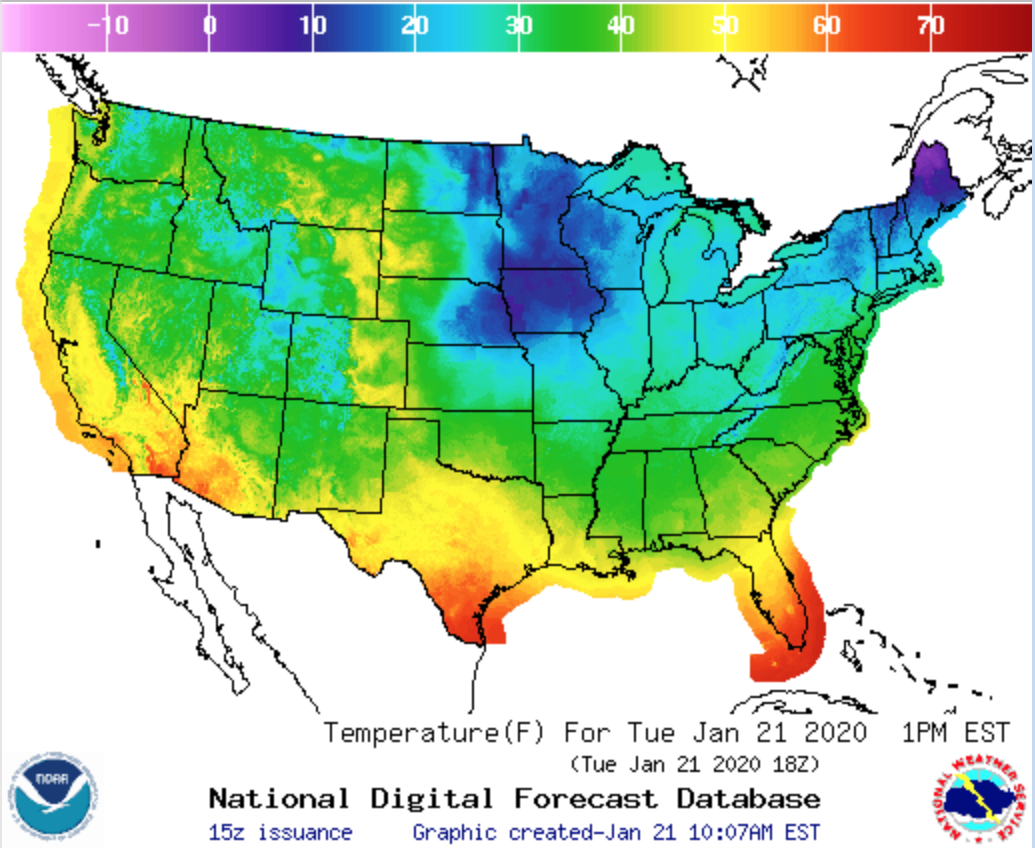
Generally, Florida’s mild, dry winter months (December to April) are peak season. Expect higher prices for flights and accommodations, and larger crowds at major attractions. Conversely, the summer months (June to August), despite the heat and humidity, can see fewer crowds at non-water-based attractions due to school breaks and locals avoiding the peak heat, potentially leading to better deals. The shoulder seasons of late spring (May) and late autumn (October/November) often offer a sweet spot of pleasant weather and moderate crowds/prices.
Choosing Your Ideal Travel Time
Ultimately, the “best” time to visit Florida depends on your priorities:
- For optimal comfort and outdoor exploration: Winter and early spring.
- For budget travel and water-centric activities: Summer.
- For a balance of good weather and fewer crowds: Late spring or late autumn.
In conclusion, while you can always check a weather app for the precise temperature in Florida “right now,” understanding its regional climates and seasonal shifts provides a more comprehensive framework for planning your trip. From the cool comfort of a North Florida winter morning to the balmy evenings of Key West in summer, Florida’s temperatures are as diverse and captivating as the state itself, promising an unforgettable experience no matter when you choose to visit.
LifeOutOfTheBox is a participant in the Amazon Services LLC Associates Program, an affiliate advertising program designed to provide a means for sites to earn advertising fees by advertising and linking to Amazon.com. Amazon, the Amazon logo, AmazonSupply, and the AmazonSupply logo are trademarks of Amazon.com, Inc. or its affiliates. As an Amazon Associate we earn affiliate commissions from qualifying purchases.