
When unexpected circumstances strike, finding immediate and affordable accommodation can be a pressing concern. Whether you’re facing a sudden job loss, a natural disaster, a medical emergency, or simply a situation where your usual living arrangements are temporarily unavailable, the need for a safe and comfortable place to stay can arise without warning. In these moments, emergency hotel vouchers can be a lifeline, providing a much-needed solution for short-term housing. This article will guide you through the various avenues where you might find assistance in securing these vital vouchers, drawing upon the resources and expertise typically found on travel and accommodation-focused platforms.
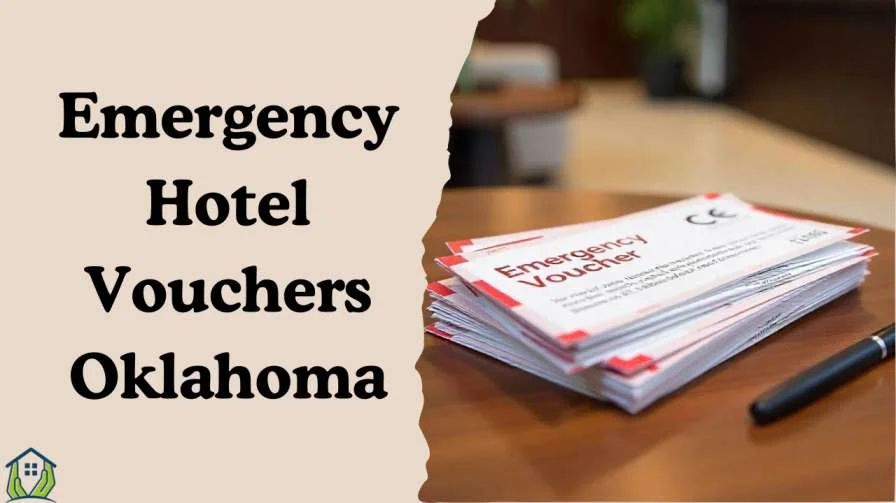
The primary goal of emergency hotel vouchers is to bridge a critical gap in housing, offering a temporary sanctuary when individuals or families are displaced. These vouchers are not typically available through standard hotel booking websites but are instead administered by government agencies, non-profit organizations, and sometimes through specific disaster relief programs. Understanding where to direct your inquiry is the first and most crucial step in accessing this form of support.
Understanding Emergency Hotel Vouchers
Emergency hotel vouchers are essentially pre-paid certificates or direct payment arrangements that cover the cost of a hotel stay for a limited duration. They are designed to be a rapid response solution, offering immediate shelter to those in urgent need. The criteria for receiving a voucher can vary significantly depending on the issuing organization and the nature of the emergency. However, common scenarios that might qualify include:
- Natural Disasters: Following events like hurricanes, earthquakes, or wildfires, displaced residents may be eligible for assistance.
- Domestic Violence Situations: Victims seeking to escape an abusive environment often require immediate, confidential accommodation.
- Medical Emergencies: Individuals undergoing unexpected medical treatments or facing sudden health crises might need temporary lodging near medical facilities.
- Homelessness Prevention: In some cases, vouchers can be used to prevent immediate homelessness for individuals or families at risk.
- Job Loss or Financial Hardship: While less common, some programs may offer temporary assistance to those facing sudden, severe financial setbacks that impact their housing.
- Eviction: In specific circumstances, particularly where there are legal protections or temporary moratoria on evictions, vouchers might be considered.
It’s important to note that these vouchers are not a long-term housing solution. They are intended to provide immediate relief while more sustainable arrangements are explored. The duration of the stay covered by a voucher is typically limited, ranging from a few nights to a couple of weeks, depending on the program’s funding and policy.
Eligibility and Application Processes
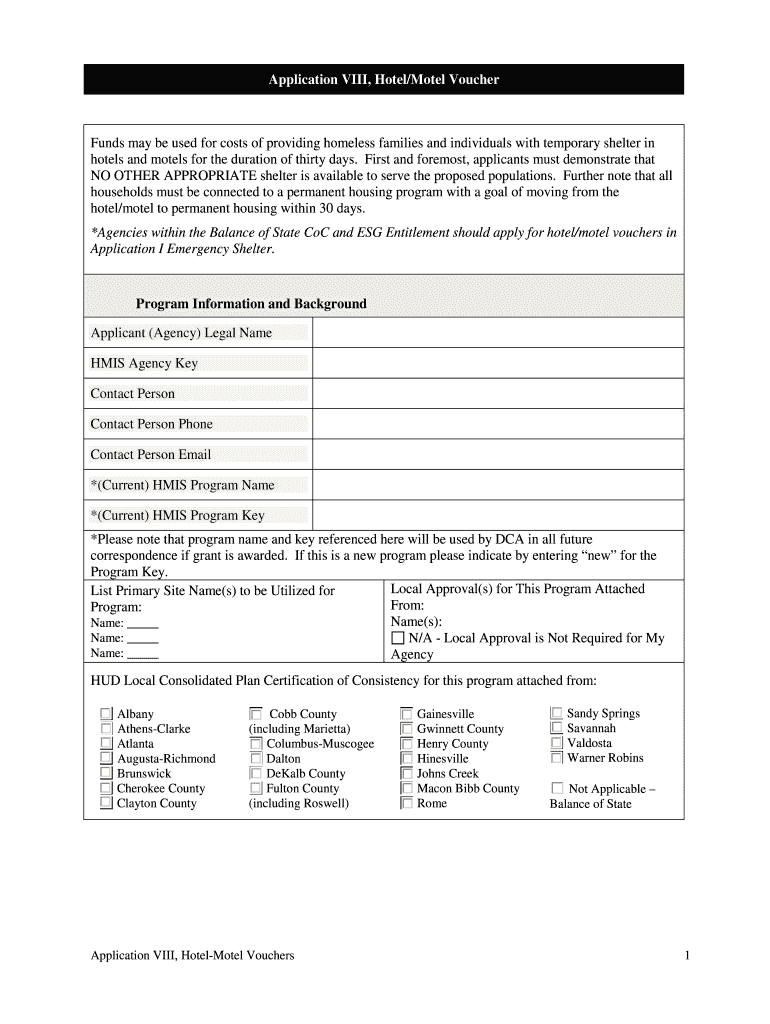
The path to obtaining an emergency hotel voucher usually involves demonstrating a genuine need and meeting specific eligibility requirements. These requirements are established by the organizations that provide the vouchers to ensure that resources are directed to those most in need.
Common Eligibility Criteria:
- Proof of Emergency: You will likely need to provide documentation or evidence of the emergency situation. This could include police reports for domestic violence, official disaster declarations, letters from social workers or medical professionals, or proof of sudden eviction.
- Financial Need: Many programs are means-tested, meaning your income and assets will be assessed to determine your level of financial need.
- Residency: Some programs may have residency requirements, focusing on assisting individuals within a specific geographic area, such as a particular city or county.
- Lack of Alternative Accommodation: You will typically need to show that you have exhausted all other available housing options.
The Application Process:
The application process can vary, but it generally involves the following steps:
- Identification of Need: Recognizing that you need emergency accommodation is the first step.
- Contacting Potential Providers: Reaching out to the organizations listed in the following sections.
- Completing an Application: This often involves filling out forms that detail your situation, personal information, and financial status.
- Providing Supporting Documents: Submitting the required proof of emergency and financial information.
- Assessment and Approval: The organization will review your application and supporting documents to determine eligibility.
- Voucher Issuance: If approved, you will receive a voucher or authorization for a hotel stay.
It’s crucial to be honest and thorough when filling out applications and providing information. Delays can occur if information is missing or unclear.
Where to Find Emergency Hotel Vouchers
The primary sources for emergency hotel vouchers are governmental and non-governmental organizations dedicated to providing social services and disaster relief. These entities often have established relationships with hotels or work with voucher programs that facilitate direct payment.
Government Assistance Programs
Government agencies at federal, state, and local levels often play a critical role in providing emergency shelter.
Federal and State Disaster Relief
In the aftermath of federally declared disasters, organizations like the Federal Emergency Management Agency (FEMA) can be a critical resource. While FEMA primarily focuses on larger-scale disaster relief, they can coordinate with state and local authorities to provide temporary housing solutions. If a disaster has impacted your area, reaching out to your state’s emergency management agency is a good starting point. They will be able to provide information on available resources, which may include hotel voucher programs.
For example, after a major hurricane like Hurricane Ida, FEMA often works with state agencies to set up temporary housing solutions, which can sometimes involve hotel accommodations when individual assistance programs are initiated. It’s important to note that FEMA’s direct involvement with hotel vouchers is often as a coordinating body or through specific disaster relief funding that states then administer.
Local Government and Social Services
Local governments are often the most accessible point of contact for immediate emergency housing needs.
- City and County Social Services Departments: These departments are usually the frontline for individuals seeking assistance. They often have case managers who can assess your situation and connect you with available resources, including emergency hotel vouchers. If you are in New York City, for instance, you would contact the Department of Homeless Services. In Los Angeles, you would look to the Los Angeles Homeless Services Authority (LAHSA). These agencies are equipped to handle a range of emergencies and have protocols for rapid rehousing.
- 211 Services: In many regions, dialing 211 from your phone will connect you to a comprehensive directory of health and human services, including emergency shelter and housing assistance. This is an excellent first step for finding local resources without needing to know the specific agency names. They can direct you to the appropriate local government or non-profit organizations that issue hotel vouchers.
When contacting these local services, be prepared to explain your situation clearly and concisely. They will ask about the nature of your emergency and your current housing status.

Non-Profit Organizations and Charities
Numerous non-profit organizations and charities dedicate themselves to helping vulnerable populations, including those in need of emergency shelter.
Homeless Shelters and Housing Assistance Organizations
Many organizations that focus on homelessness prevention and assistance also offer hotel voucher programs as part of their emergency services.
- Salvation Army: A well-known international charity, the Salvation Army often provides emergency assistance, which can include temporary lodging through hotel vouchers, particularly during severe weather events or in response to widespread displacement. They operate local chapters that can be contacted directly.
- Catholic Charities: This organization offers a wide range of social services, and many of its local affiliates provide emergency shelter and assistance, sometimes in the form of hotel vouchers for families and individuals in crisis.
- United Way: While the United Way itself doesn’t typically issue vouchers directly, it is a powerful connector to local resources. By contacting your local United Way chapter, you can be referred to the specific agencies in your community that offer hotel voucher programs. They often fund and support many of the organizations that provide direct assistance.
- Local Homeless Shelters: Even if you don’t intend to stay at a shelter, their staff are often knowledgeable about emergency hotel voucher programs in the area and can provide referrals. They may have partnerships with hotels or be able to directly issue vouchers in certain situations.
Specialized Support Organizations
Depending on the nature of your emergency, specialized organizations might be able to assist.
- Domestic Violence Shelters and Hotlines: If you are fleeing domestic violence, these organizations are specifically equipped to provide immediate safety and support. They can offer confidential shelter, which may include hotel vouchers if a shelter bed is not immediately available or if privacy is a paramount concern. Examples include RAINN (Rape, Abuse & Incest National Network) which can direct you to local resources.
- Veterans Affairs (VA): For veterans experiencing homelessness or housing instability, the Department of Veterans Affairs offers various programs and can provide assistance, including temporary lodging which might be facilitated through hotel vouchers in some circumstances.
When approaching non-profit organizations, inquire directly about their emergency hotel voucher programs. Be prepared to discuss your specific needs and circumstances.
Navigating the Hotel Voucher System
Securing an emergency hotel voucher requires understanding how the system works and what to expect. It’s not always as simple as walking into a hotel and asking for a voucher.
Working with Case Managers
Often, receiving a hotel voucher involves working with a case manager from a social service agency or non-profit organization.
- Assessment: The case manager will conduct an assessment of your situation to determine your eligibility for various forms of assistance, including hotel vouchers.
- Referral: If you qualify, the case manager will likely issue you a referral or directly arrange the hotel stay. They may have a list of participating hotels or specific booking procedures.
- Communication: Maintain open communication with your case manager. They are your advocate and can help navigate the complexities of the system. If your situation changes or you have urgent needs, inform them immediately.
What to Expect When Using a Voucher
Once you have a voucher, understanding the process of using it at the hotel is important.
- Participating Hotels: Vouchers are typically only redeemable at specific hotels that have a contract or agreement with the issuing agency. You will likely be given a list of these hotels or a specific hotel to go to.
- Check-in Procedures: You will need to present the voucher at the hotel’s front desk. Be prepared to provide identification. The hotel staff will then confirm the details of the voucher, including the duration of your stay and any covered amenities.
- Limitations and Rules: Be aware of any limitations associated with the voucher. This might include restrictions on the number of people allowed in the room, rules about pets, or limitations on the length of your stay. Some vouchers might not cover incidentals or meals, so it’s good to clarify what is included.
- Extension Requests: If your emergency situation extends beyond the voucher’s initial duration, you will need to contact the issuing agency to see if an extension is possible. This is not guaranteed and will depend on the agency’s policies and availability of funds.
Tips for Success in Obtaining Assistance
Navigating emergency situations can be stressful, but having a proactive approach can improve your chances of securing the help you need.
Be Prepared and Proactive
- Gather Information: Before contacting any agency, try to gather as much relevant information as possible about your situation. This includes proof of residency, identification for all family members, income information (if applicable), and any documentation related to the emergency (e.g., police reports, doctor’s notes, eviction notices).
- Act Quickly: The sooner you seek assistance, the better your chances of finding available accommodation. Emergency services often operate on a first-come, first-served basis.
- Have a List of Contacts: Keep a readily accessible list of potential organizations to contact. This might include local government numbers, non-profit helplines like 211, and the Salvation Army or Catholic Charities local branches.
Be Persistent and Polite
- Follow Up: If you don’t receive a response immediately, follow up politely. Resources can be stretched thin, and your inquiry might get lost in the shuffle.
- Be Respectful: While you are in a stressful situation, maintaining a respectful demeanor with agency staff and case managers can foster a more positive and productive interaction. They are there to help, and politeness can go a long way.
- Understand Limitations: Be aware that not every request can be met. Availability of vouchers is dependent on funding and demand. If one organization cannot help, don’t be discouraged; move on to the next potential resource.
Explore All Avenues
- Faith-Based Organizations: Beyond major charities, many local churches, synagogues, and mosques have benevolence funds or programs that can offer emergency financial assistance or temporary housing support.
- Community Centers: Local community centers may also be aware of or directly offer emergency housing resources.
Finding emergency hotel vouchers requires understanding the landscape of social services and relief organizations. By knowing where to look and how to approach these agencies, individuals and families facing sudden housing crises can find the temporary shelter and support they desperately need to navigate challenging times. Remember that these resources are designed to provide a bridge to more stable solutions, and seeking help is a sign of strength.
LifeOutOfTheBox is a participant in the Amazon Services LLC Associates Program, an affiliate advertising program designed to provide a means for sites to earn advertising fees by advertising and linking to Amazon.com. Amazon, the Amazon logo, AmazonSupply, and the AmazonSupply logo are trademarks of Amazon.com, Inc. or its affiliates. As an Amazon Associate we earn affiliate commissions from qualifying purchases.