
Embarking on a journey from the bustling state of New Jersey to the historic city of Boston in Massachusetts is a common itinerary for both business travelers and leisure explorers. Whether you’re visiting colleges, exploring historical landmarks, or simply enjoying a change of scenery, understanding the distance, travel time, and various transportation options is key to a smooth and enjoyable experience. This guide will meticulously break down everything you need to know about traversing the distance between these two prominent East Coast hubs.
Understanding the Distance and Key Routes
The geographic span separating New Jersey and Boston varies depending on your specific starting point in New Jersey and your ultimate destination within Boston. However, a general range can be established, primarily centered around major urban areas.

Geographical Overview: Connecting Two Northeast Powerhouses
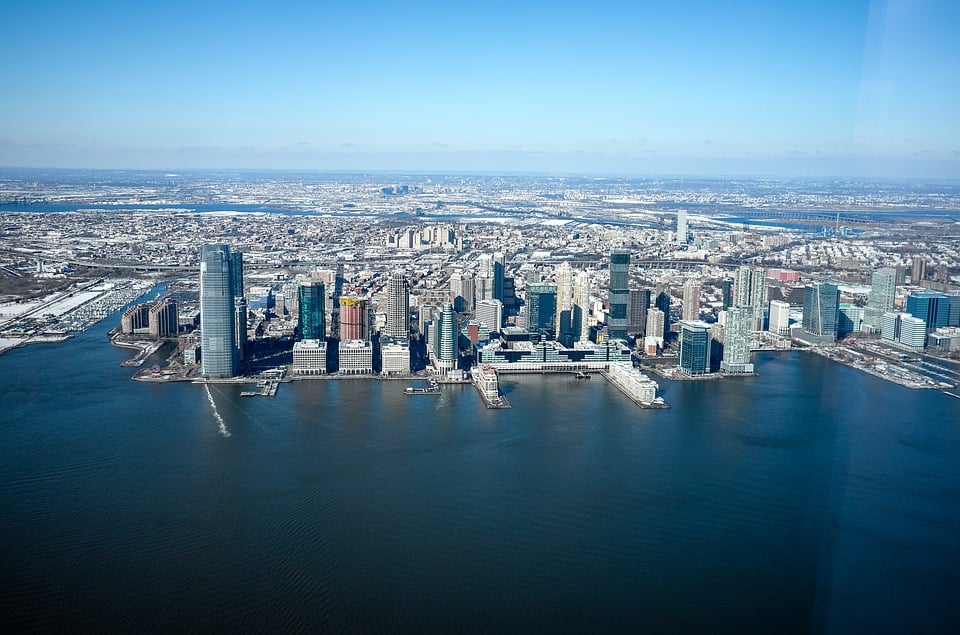
New Jersey, often referred to as the “Garden State,” is strategically located between Philadelphia and New York City, serving as a crucial crossroads in the Mid-Atlantic region. Boston, on the other hand, is the capital and most populous city of Massachusetts, deeply rooted in American history and a vibrant center for education, technology, and culture in New England. The journey between them typically involves navigating through parts of New York and Connecticut, making it a significant regional traverse.
The Core Driving Distance and Major Interstates
For most travelers, the primary consideration is the driving distance. From a central point like Newark, New Jersey, to Boston, Massachusetts, the distance typically ranges from 200 to 220 miles (approximately 320 to 355 kilometers). If you’re starting from southern New Jersey, such as Camden or Atlantic City, the distance will be slightly longer, potentially closer to 250-280 miles. Conversely, from northern New Jersey towns closer to New York City, the distance will be at the lower end of the range.
The most direct and commonly used driving route largely follows major interstate highways:
- Interstate 95 (I-95): This is the backbone of the entire journey. From New Jersey, you’ll typically take I-95 North through New York City (via the George Washington Bridge) and then continue through Connecticut.
- Interstate 90 (I-90) / Massachusetts Turnpike: Once you reach Massachusetts, I-95 North merges with or provides access to I-90 East, which will take you directly into downtown Boston.
This route is characterized by multiple lanes and generally good road conditions, but it’s also notorious for traffic congestion, especially around major metropolitan areas.
Driving: The Most Common Mode of Transport
Driving offers the most flexibility for travelers between New Jersey and Boston, allowing for impromptu stops and personalized itineraries. However, it requires careful planning, particularly concerning traffic and tolls.
Estimating Travel Time and Traffic Factors
Under ideal conditions, with no significant traffic, the drive from central New Jersey to Boston can be completed in approximately 3.5 to 4 hours. However, “ideal conditions” are rarely encountered on the Northeast Corridor.
- New York City Congestion: The biggest wildcard is the passage through New York City. Crossing the George Washington Bridge and navigating the Cross Bronx Expressway or alternative routes like the Tappan Zee Bridge (now the Governor Mario M. Cuomo Bridge) can add anywhere from 30 minutes to 2 hours to your travel time during peak hours.
- Connecticut Bottlenecks: I-95 through Connecticut, especially around cities like Stamford, Norwalk, Bridgeport, New Haven, and New London, is prone to significant slowdowns.
- Boston Traffic: Approaching Boston via the Massachusetts Turnpike (I-90) can also involve heavy traffic, particularly during rush hour, and navigating the city’s complex road network requires attention.
Considering these factors, a more realistic driving time, including potential traffic delays and a brief stop, is often 5 to 6 hours. On Fridays heading north or Sundays heading south, this can extend further.
Scenic vs. Direct Routes and Essential Tips
While I-95 is the most direct, alternatives exist, though they generally add time.
- Avoiding NYC: You could opt for routes further north, perhaps taking the Garden State Parkway or I-287 to connect to I-84 East through Upstate New York and Connecticut before merging onto I-90 in Massachusetts. This route often bypasses the worst of NYC traffic but is longer in mileage.
- Coastal Drive: For a more scenic, albeit much longer, drive, one could combine parts of US Route 1 or the Merritt Parkway (Route 15) in Connecticut with I-95. These routes offer charming towns and coastal views but are generally slower due to lower speed limits and frequent stops.
Essential Driving Tips:
- Tolls: Be prepared for tolls in New Jersey, New York, and Massachusetts. An EZ-Pass transponder is highly recommended for seamless travel and discounted rates.
- Navigation Apps: Utilize real-time navigation apps like Google Maps or Waze for up-to-the-minute traffic updates and route adjustments.
- Best Travel Times: Depart very early in the morning (before 6 AM) or late in the evening (after 7 PM) to minimize traffic impact, especially when passing through New York and Connecticut.
- Vehicle Check: Ensure your vehicle is in good condition, especially if traveling during extreme weather.
Alternative Travel Options
For those who prefer not to drive, or want to avoid the stresses of traffic and parking, several excellent alternatives exist.
Flying: Speed and Convenience
Flying is undoubtedly the fastest way to get from New Jersey to Boston.
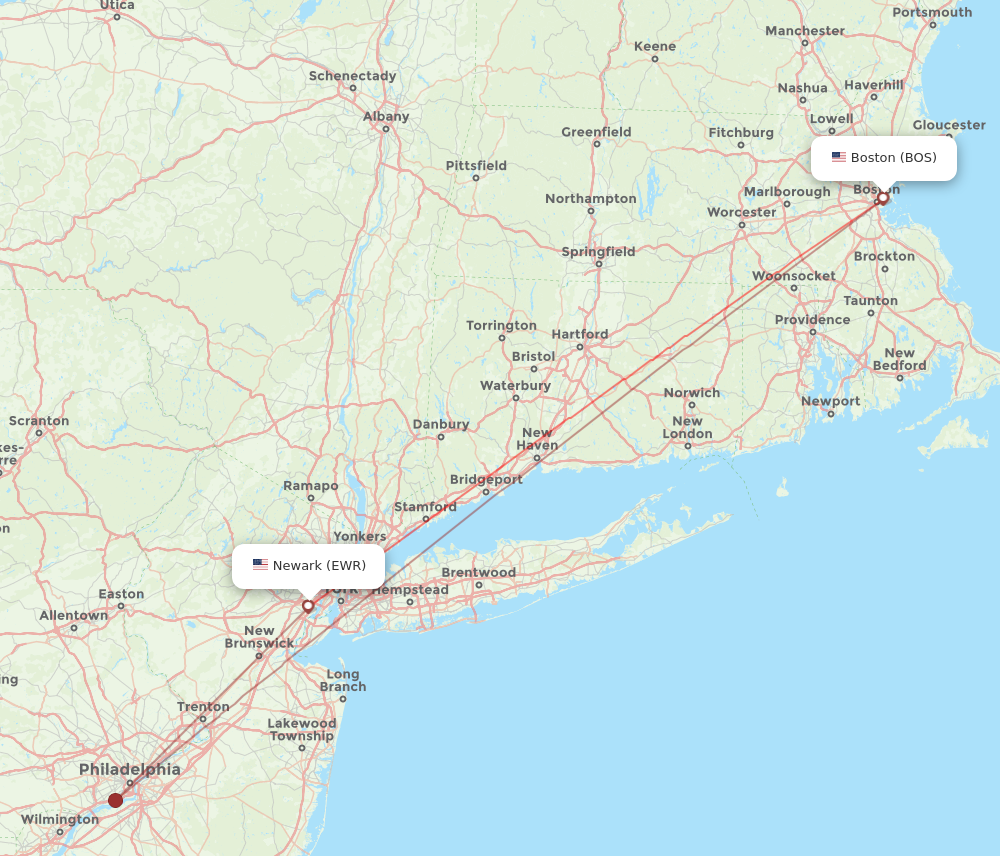
- Major Airports: Travelers can depart from Newark Liberty International Airport (EWR) in New Jersey, or nearby Philadelphia International Airport (PHL) if in southern NJ, or LaGuardia Airport (LGA) or John F. Kennedy International Airport (JFK) in New York if closer to NYC. The destination airport in Boston is Logan International Airport (BOS).
- Flight Duration: Direct flights between EWR and BOS typically last about 1 hour to 1 hour and 15 minutes.
- Overall Travel Time: While the flight itself is quick, factor in time for getting to the airport, security checks (typically 1.5-2 hours before departure), boarding, and then travel from Logan into downtown Boston. Total door-to-door travel time can often equate to 3.5-5 hours, making it comparable to a smooth drive, but with less direct travel hassle.
- Cost Considerations: Airfares can fluctuate wildly based on booking time, season, and airline. Budget airlines often offer competitive prices, but always compare total costs including baggage fees and airport transfers.
Train Travel: Comfort and Scenery
Amtrak offers a comfortable and scenic alternative, especially for those who enjoy relaxing and working during their journey.
- Services: Amtrak’s Northeast Regional and faster Acela Express services connect New Jersey to Boston.
- Stations: Key departure points in New Jersey include Newark Penn Station, Metropark, and Trenton Transit Center. All Amtrak services arrive at Boston South Station.
- Journey Length: The Acela Express from Newark Penn Station to Boston South Station takes approximately 3.5 to 4 hours. The Northeast Regional takes around 4.5 to 5 hours. These times are often more consistent than driving times, as trains are less impacted by road traffic.
- Benefits: Amtrak offers spacious seating, Wi-Fi, power outlets, and a cafe car, allowing passengers to be productive or simply enjoy the ride. It eliminates parking hassles and the stress of driving in congested areas.
Bus Services: Affordability
Bus services are typically the most budget-friendly option, though they also involve the longest travel times.
- Providers: Major operators include Greyhound, Peter Pan Bus Lines, and various Chinatown bus services.
- Terminals: Buses typically depart from major transportation hubs like Newark Penn Station or the Port Authority Bus Terminal in New York City (accessible from New Jersey via local transit) and arrive at Boston South Station or the nearby South Station Bus Terminal.
- Journey Length: A bus trip can take anywhere from 5 to 7 hours, largely dependent on traffic conditions, similar to driving, but without the personal control over stops or route.
- Cost: Fares are generally significantly lower than train or plane tickets, especially if booked in advance.
Planning Your Journey: Considerations and Recommendations
Regardless of your chosen mode of transport, thoughtful planning will enhance your trip from New Jersey to Boston.
Best Time to Travel
- Weekdays vs. Weekends: Weekday mornings and late afternoons are busiest for commuters. Weekends, especially holiday weekends, see increased leisure travel. If driving, targeting mid-day weekdays (10 AM – 2 PM) can sometimes offer a sweet spot, though it still risks hitting some peak traffic.
- Seasonal Impacts:
- Spring/Fall: Generally ideal for travel with mild weather and beautiful foliage in autumn. Roads are clear, and tourist crowds are manageable.
- Summer: Expect heavy traffic, especially to coastal New England destinations. Prices for flights and accommodations might be higher.
- Winter: Be prepared for potential snowstorms and icy conditions, which can cause significant delays or even road closures, especially in Massachusetts and Connecticut. Amtrak often proves more reliable in inclement weather than driving or flying.
Budgeting Your Trip
- Driving: Factor in fuel costs (significant for 200+ miles each way), tolls (can be $20-$30+ each way with EZ-Pass, more if paying cash), and potential parking fees in Boston (which can be quite expensive).
- Flying: Consider the base airfare, baggage fees, and the cost of transportation to/from airports (taxis, ride-shares, public transit).
- Train/Bus: These are typically all-inclusive ticket prices, though snacks or meals on board would be extra.
Breaking Up the Journey
If you’re driving and want to avoid doing the entire journey in one go, or simply wish to explore, there are several appealing stopover points:
- New York City: A natural break point for an overnight stay or a quick meal, though navigating the city adds complexity.
- New Haven, Connecticut: Home to Yale University, New Haven offers cultural attractions, museums, and a famous pizza scene. It’s roughly halfway.
- Providence, Rhode Island: Just before Boston, Providence is a charming city with a vibrant culinary scene and historical architecture. It’s a great place to stop for a meal or a short walk.
In conclusion, the distance between New Jersey and Boston is a manageable one, typically ranging from 200 to 220 miles. Your choice of travel will dictate not only the duration but also the overall experience. Whether you prefer the flexibility of driving, the speed of flying, the comfort of a train, or the affordability of a bus, careful planning will ensure a pleasant and efficient journey to the heart of New England.
LifeOutOfTheBox is a participant in the Amazon Services LLC Associates Program, an affiliate advertising program designed to provide a means for sites to earn advertising fees by advertising and linking to Amazon.com. Amazon, the Amazon logo, AmazonSupply, and the AmazonSupply logo are trademarks of Amazon.com, Inc. or its affiliates. As an Amazon Associate we earn affiliate commissions from qualifying purchases.