
The allure of a “Grand Hotel” is undeniable. It evokes images of opulent architecture, impeccable service, and a rich tapestry of history. But in a world teeming with magnificent establishments, pinpointing the Grand Hotel can be a delightful challenge. The term itself, while often used to describe a hotel of exceptional grandeur, can also refer to specific, iconic properties that have left an indelible mark on the travel landscape. This article delves into the fascinating world of grand hotels, exploring what makes them so special, where some of the most celebrated examples can be found, and how to experience their enduring magic.

The concept of the “Grand Hotel” emerged in the 19th century, a period of rapid industrialization and burgeoning global travel. As steamships and railways connected continents, a new breed of traveler emerged – the affluent, the adventurous, and the curious. These discerning individuals sought accommodations that mirrored their elevated status and expectations. In response, architects and entrepreneurs conceived of palatial buildings, often situated in prime city locations or picturesque landscapes, that offered a level of luxury and sophistication previously unheard of. These weren’t just places to sleep; they were destinations in themselves, designed to impress and delight.
The defining characteristics of a grand hotel are manifold. Architecturally, they are often masterpieces, showcasing elaborate facades, soaring ceilings, grand ballrooms, and meticulously designed interiors. Think of the Belle Époque style, with its ornate plasterwork, gilded accents, and plush furnishings, or the Art Nouveau and Art Deco periods, each contributing their unique aesthetic flair. Beyond the visual splendor, the service is paramount. A grand hotel is defined by its discreet yet attentive staff, anticipating guests’ needs before they are even voiced. From the doorman who greets you with a warm smile to the concierge who can arrange almost anything, the human element of hospitality is as crucial as the physical grandeur. Amenities, too, are a hallmark, ranging from fine dining restaurants and elegant bars to lavish spas and sometimes even private gardens or art collections.
The Enduring Legacy of Iconic Grand Hotels
While the term “Grand Hotel” can be generic, certain establishments have earned the title through their sheer historical significance, architectural brilliance, and unwavering commitment to luxury. These are the hotels that have witnessed pivotal moments in history, hosted royalty and celebrities, and become landmarks in their own right. Exploring these icons offers a glimpse into the golden age of travel and a chance to immerse oneself in unparalleled elegance.
European Grandeur: Where History Meets Hospitality
Europe, with its deep-rooted history and aristocratic heritage, is home to some of the world’s most renowned grand hotels. These establishments often stand as testaments to centuries of culture, art, and refined living.
In Paris, the Hôtel Ritz Paris on Place Vendôme is a name synonymous with ultimate luxury. Opened in 1898, it has been a sanctuary for literary giants like Ernest Hemingway and fashion icons. Its iconic Bar Hemingway and the tranquil Salon Proust offer experiences steeped in Parisian elegance. The hotel’s history is intertwined with the city’s, having provided a backdrop for countless stories and rendezvous. Its enduring appeal lies in its perfect blend of classic Parisian chic and contemporary comfort, making it a perennial favorite among discerning travelers.
Across the English Channel, The Savoy in London stands as another titan of the grand hotel era. Opened in 1889, it was the first purpose-built luxury hotel in Britain and pioneered many innovations, including electric lights and hydraulic lifts. Its legendary American Bar has been a fixture for generations, serving cocktails to luminaries from Winston Churchill to Frank Sinatra. The hotel’s proximity to the West End theatre district and its iconic river views from the Thames Foyer add to its unparalleled charm. The Savoy has always been at the heart of London’s social scene, a place where history is not just preserved but actively lived.
Further east, The Imperial Hotel Vienna in Vienna, Austria, is a majestic property that has welcomed guests since 1876. Its grandeur is evident in its opulent interiors and its prime location overlooking the Ringstrasse. The hotel has hosted countless dignitaries and artists, becoming an integral part of Vienna’s cultural tapestry. Its elegant ballrooms have witnessed galas and significant events, further cementing its status as a historic landmark. The Imperial offers a quintessential Viennese experience, steeped in imperial history and refined hospitality.
In Rome, Italy, the Hotel Hassler Roma, perched atop the Spanish Steps, offers breathtaking panoramic views of the Eternal City. Since its opening, it has been a beacon of luxury, attracting discerning travelers seeking the very best of Roman hospitality. Its elegant suites and Michelin-starred dining provide an unforgettable experience, combining historical ambiance with modern sophistication. The Hassler has long been a symbol of Roman glamour and exclusivity.
These are just a few examples, but the continent boasts a treasure trove of such establishments, each with its own unique story and character, from the Grand Hotel Tremezzo on Lake Como in Italy to the Adlon Kempinski Berlin in Germany.
Beyond Europe: Grandeur Across Continents
The concept of the grand hotel is not confined to Europe. The allure of opulent accommodations and exceptional service resonated globally, leading to the creation of magnificent properties in other parts of the world.
In New York City, the Plaza Hotel is an iconic landmark, famously associated with F. Scott Fitzgerald’s “The Great Gatsby.” Opened in 1907, it has been a symbol of New York’s grandeur and a playground for the elite. Its Palm Court, with its stained-glass ceiling, remains a beloved spot for afternoon tea, offering a taste of timeless elegance. The Plaza has witnessed the city’s evolution, standing as a constant emblem of luxury and sophistication. Its storied past and prime location at Central Park South continue to draw visitors from around the globe.
Across the country, The Beverly Hills Hotel in Los Angeles, California, known as the “Pink Palace,” has been a celebrity haunt since its opening in 1912. Its distinctive pink exterior and lush gardens create an atmosphere of exclusive glamour. The hotel’s Polo Lounge has been the setting for legendary deals and celebrity sightings, embodying the essence of Hollywood’s golden age. Its iconic bungalows offer privacy and luxury, making it a preferred retreat for stars.
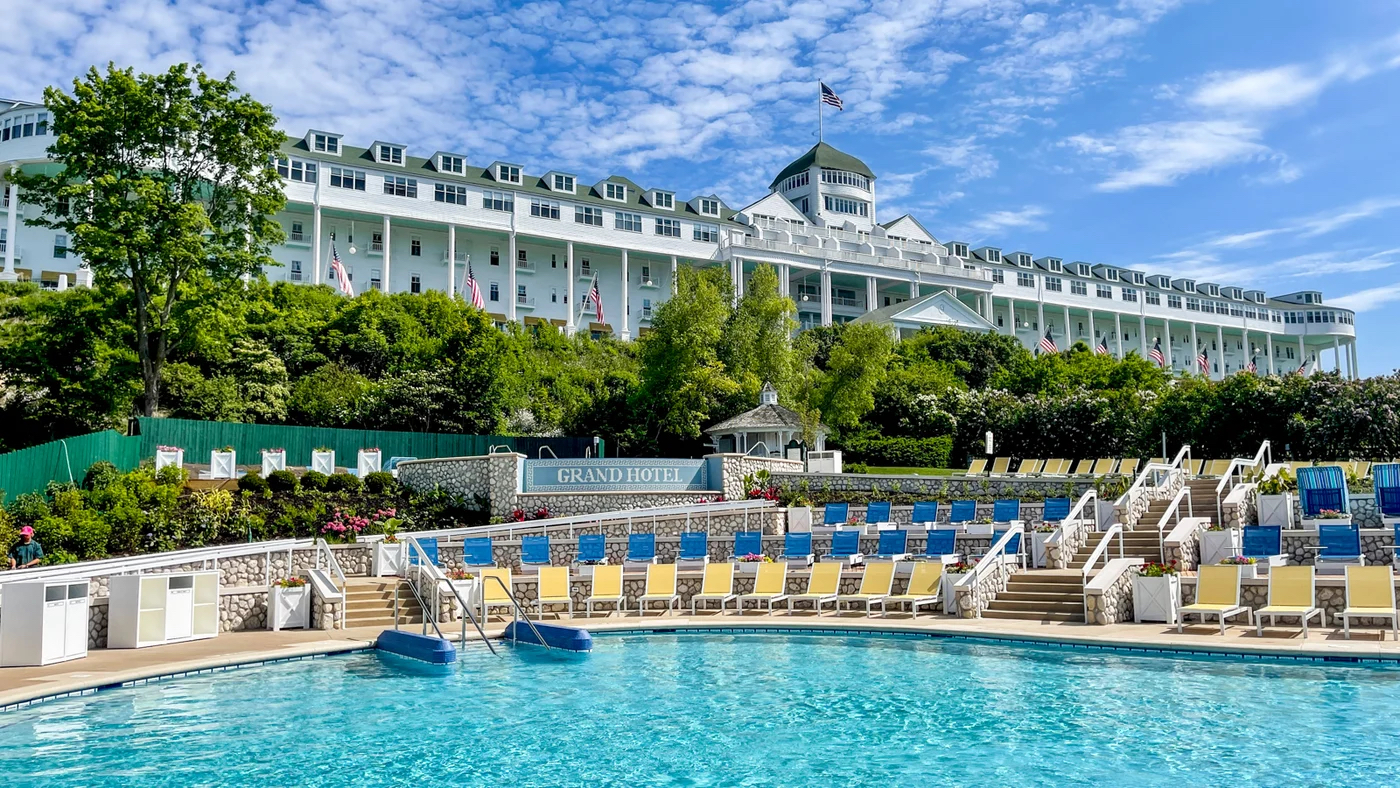
In Asia, the Raffles Hotel Singapore is a colonial-era masterpiece, a heritage icon that transports guests to a bygone era of elegance. Opened in 1887, it is famous for its Singapore Sling, invented at its Long Bar. The hotel’s verandahs, suites, and meticulously preserved architecture speak of a rich history and a commitment to preserving colonial charm. It remains a symbol of Singapore’s colonial past and its present-day luxury.
These hotels, though geographically diverse, share a common thread: they are more than just accommodations; they are experiences, steeped in history, culture, and an unwavering dedication to guest satisfaction.
Experiencing the Grand Hotel Lifestyle
Staying in a grand hotel is an immersive experience that transcends mere lodging. It’s an opportunity to step back in time, to indulge in unparalleled comfort, and to savor the finer things in life. Whether you’re a seasoned luxury traveler or simply curious about the world of opulent hospitality, here’s how to make the most of your grand hotel sojourn.
The Art of Accommodation: Beyond the Room
The true essence of a grand hotel experience lies not just in the bedroom, but in the entire property. Begin by exploring the public spaces. Admire the architecture, linger in the grand lobbies, and soak in the atmosphere of history that permeates the walls. Many grand hotels boast exquisite art collections or historical artifacts, offering a cultural journey within their confines.
Dining at a grand hotel is often an event in itself. The fine dining restaurants, often helmed by renowned chefs, offer culinary journeys that are as memorable as the accommodations. Even casual dining options, like the hotel’s bar or cafe, often exude a sense of sophistication and offer impeccably prepared dishes and expertly crafted drinks. Don’t miss the chance to experience an afternoon tea, a cherished tradition in many grand hotels, particularly in cities like London or Paris.
The amenities are designed to pamper. Indulge in a spa treatment, take a dip in a beautifully designed pool, or simply relax in the hotel’s gardens or lounges. The goal is to disconnect from the everyday and immerse yourself in an environment of refined leisure.
Embracing the Local Through a Grand Lens
While a grand hotel offers an escape, it also serves as an excellent base for exploring the local culture and attractions. The concierge services at these establishments are invaluable resources. They can provide insider tips, arrange private tours, secure reservations at exclusive restaurants, and help you navigate the city like a local, albeit with a touch of luxury.
Consider how the hotel itself is a part of the local fabric. Many grand hotels are historic landmarks, deeply intertwined with the city’s narrative. Understanding the hotel’s history can enrich your appreciation of the destination. For instance, a stay at the Grand Hotel Pupp in Karlovy Vary, Czech Republic, is not just about luxury, but about experiencing a piece of its spa town heritage.
Furthermore, many grand hotels are patrons of the arts and culture, often hosting exhibitions, performances, or collaborating with local artisans. Engaging with these offerings can provide a unique perspective on the local scene.
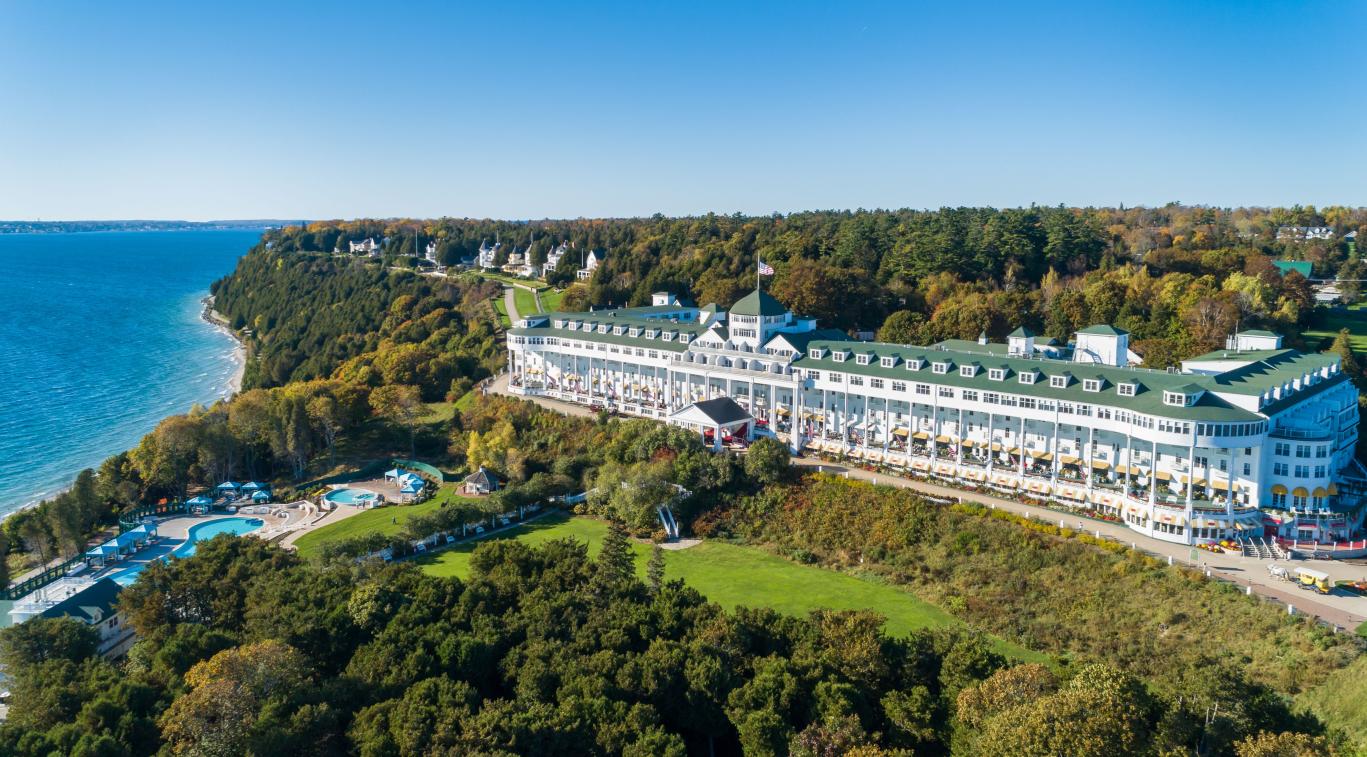
The Future of Grandeur: Tradition Meets Innovation
The world of grand hotels is not static. While the commitment to timeless elegance and exceptional service remains, these establishments are also embracing innovation to meet the evolving needs of modern travelers.
Sustainability is becoming an increasingly important aspect, with many grand hotels implementing eco-friendly practices without compromising on luxury. From sourcing local produce for their restaurants to implementing energy-efficient systems, they are demonstrating that grandeur and environmental responsibility can go hand in hand.
Technology is also being seamlessly integrated. Smart room controls, high-speed Wi-Fi, and personalized digital concierge services enhance the guest experience, offering convenience and efficiency. Yet, this integration is carefully balanced to ensure it complements, rather than detracts from, the classic ambiance.
The definition of “grand” is also expanding. While traditional palatial properties continue to thrive, we are also seeing a rise in grand boutique hotels and unique luxury resorts that offer a more intimate, personalized version of grandeur. These establishments often focus on curated experiences, exceptional design, and a deep connection to their location, offering a modern interpretation of what it means to stay in a truly special place.
In conclusion, the question “Where Is The Grand Hotel?” is not about locating a single entity, but about understanding a concept that has evolved over centuries. It is about the enduring appeal of luxury, history, and impeccable hospitality. Whether you seek the opulent embrace of a historic European palace or a modern interpretation of grandeur, the world offers a wealth of these magnificent establishments, each waiting to offer an unforgettable journey. The spirit of the grand hotel lives on, adapting and evolving, ensuring its place as a cornerstone of the travel experience for generations to come.
LifeOutOfTheBox is a participant in the Amazon Services LLC Associates Program, an affiliate advertising program designed to provide a means for sites to earn advertising fees by advertising and linking to Amazon.com. Amazon, the Amazon logo, AmazonSupply, and the AmazonSupply logo are trademarks of Amazon.com, Inc. or its affiliates. As an Amazon Associate we earn affiliate commissions from qualifying purchases.