
The question of the citizenship status of the people of Puerto Rico is a complex and often misunderstood one. For many, it’s a point of curiosity, especially when planning a visit to the island, considering its deep connection to the United States. Understanding this status is crucial for travelers, those considering a move, or anyone interested in the unique political and social landscape of this Caribbean gem. As a territory of the United States, Puerto Rico holds a distinct and evolving relationship with the mainland, and this is nowhere more evident than in the citizenship of its residents.
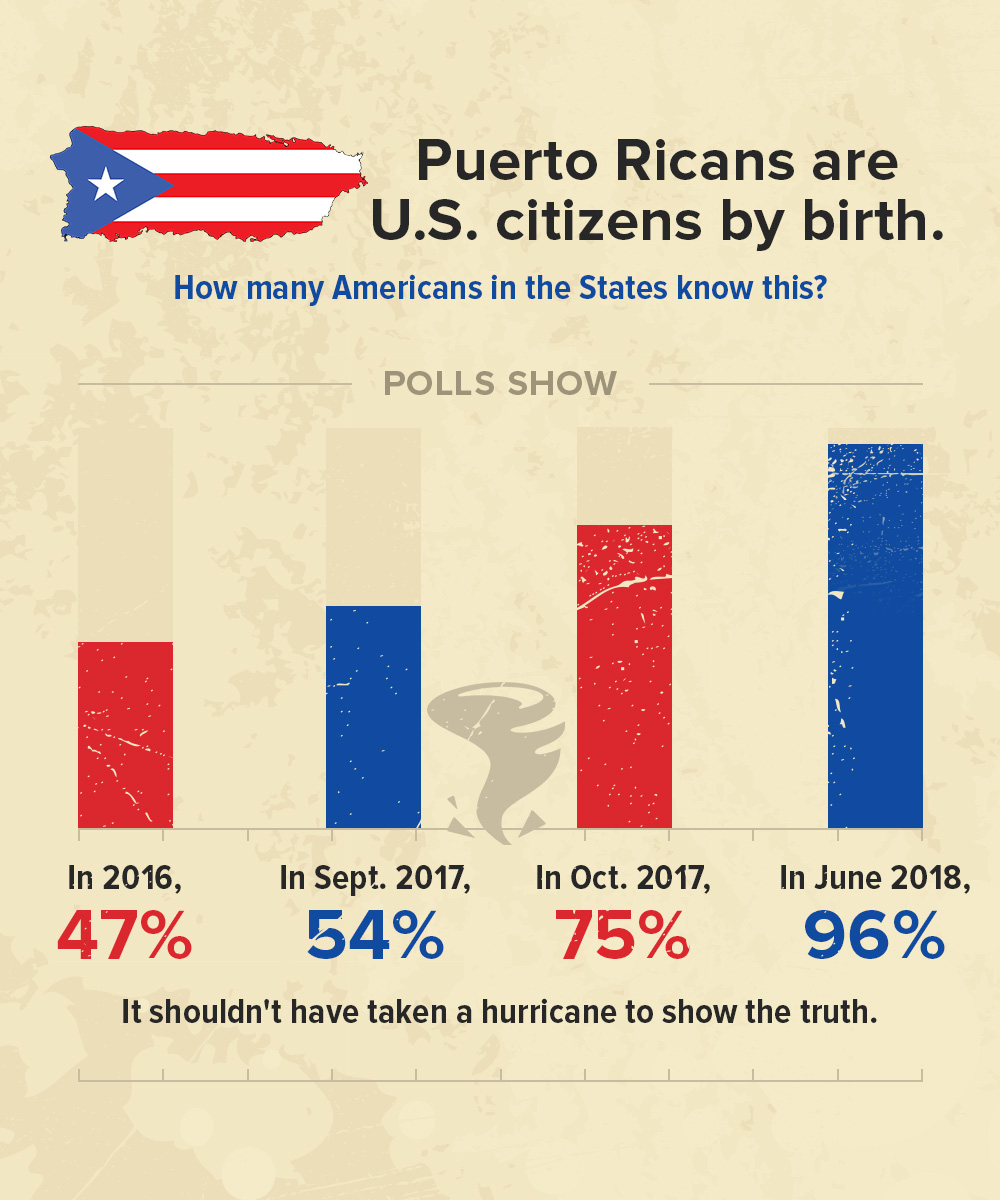
This article will delve into the intricacies of Puerto Rican citizenship, exploring its historical context, current legal standing, and the implications for both individuals and the island itself. We will navigate through the historical milestones that shaped this relationship and clarify the rights and responsibilities that come with being a US citizen residing in Puerto Rico.
The Foundation of Citizenship: A Historical Perspective
The journey to understanding Puerto Rican citizenship begins with its history and the pivotal moments that defined its political status. For centuries, Puerto Rico was a Spanish colony, its people subjects of the Spanish Crown. This all changed with the Spanish-American War in 1898, which led to the cession of Puerto Rico to the United States. This marked the beginning of a new era, one that would see the island’s residents gradually integrated into the American system, though not without debate and evolving legal frameworks.
The Treaty of Paris and its Aftermath
The Treaty of Paris, signed in 1898, officially ended the Spanish-American War and transferred sovereignty over Puerto Rico from Spain to the United States. Initially, the status of the island’s inhabitants was ambiguous. They were not automatically granted full US citizenship. Instead, they were considered citizens of Puerto Rico. This period was characterized by a series of congressional acts that progressively defined the island’s relationship with the U.S.
The Foraker Act of 1900
The Foraker Act, also known as the Organic Act of 1900, established a civilian government in Puerto Rico and declared the island an unincorporated territory of the United States. Crucially, it granted a form of collective citizenship. Under this act, residents of Puerto Rico born after April 11, 1899, were declared citizens of Puerto Rico. However, they were not automatically US citizens. The act also stipulated that anyone who was a citizen of Spain on April 11, 1899, and residing in Puerto Rico, could declare their allegiance to the United States within a year, thereby becoming US citizens. This was a significant step, but it still left many in a liminal state.
The Jones-Shafroth Act of 1917
A monumental shift occurred with the passage of the Jones-Shafroth Act in 1917. This act significantly altered the political status of Puerto Rico and, more importantly, granted statutory U.S. citizenship to Puerto Ricans. This means that U.S. citizenship was conferred by an act of Congress, rather than by constitutional amendment. While this granted Puerto Ricans the rights and responsibilities of U.S. citizenship, it’s important to note that it was not the same as citizenship acquired by birth in one of the 50 states.
The Jones-Shafroth Act also established a bill of rights for Puerto Rico and provided for a locally elected Senate. The collective granting of U.S. citizenship was intended to solidify ties and integrate the island more fully into the American fabric. However, the distinction between statutory and constitutional citizenship has remained a point of legal and political discussion.
Current Citizenship Status and its Implications
In the present day, the citizenship status of Puerto Ricans is firmly established, yet the nuances of their relationship with the United States continue to be a subject of discussion and political discourse. The U.S. Supreme Court has consistently held that Puerto Rico is an unincorporated territory, meaning that the U.S. Constitution does not apply to it in its entirety, only those parts deemed fundamental. This has led to certain disparities in rights and representation compared to residents of U.S. states.
Rights and Responsibilities of U.S. Citizens in Puerto Rico
Individuals born in Puerto Rico on or after April 11, 1899, are U.S. citizens. This means they hold a U.S. passport, can travel freely between Puerto Rico and the mainland United States without requiring a passport or visa, and are entitled to federal protections. They can also serve in the U.S. military and are generally eligible for federal benefits, although certain programs may have variations in funding or eligibility compared to the states.
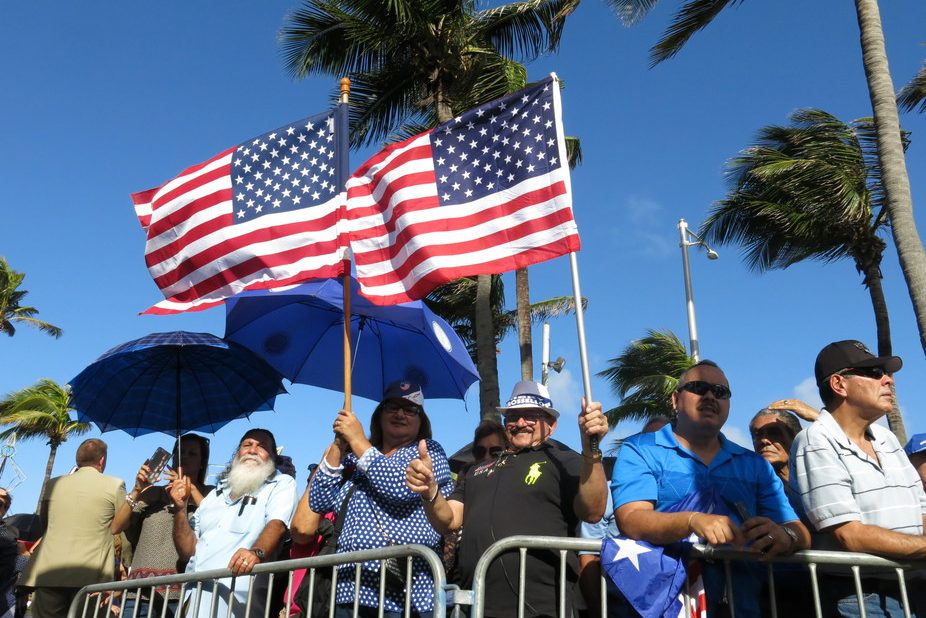
However, there are significant limitations. Residents of Puerto Rico cannot vote in U.S. presidential elections, although they can participate in presidential primaries. They also do not have voting representation in the U.S. Congress; their sole representative in the House of Representatives, known as a Resident Commissioner, can speak and vote in committees but cannot vote on the final passage of legislation on the House floor. Furthermore, federal income tax is generally not levied on income earned in Puerto Rico by its residents, although other federal taxes, such as Social Security and Medicare, do apply. This tax exemption is a significant difference from residents of the U.S. states.
The Ongoing Debate: Statehood, Independence, and Status Quo
The question of Puerto Rico’s political status remains a central and contentious issue. There are three main viewpoints:
-
Statehood: Proponents of statehood advocate for Puerto Rico to become the 51st U.S. state. This would grant its residents full voting rights in presidential elections and full representation in Congress, aligning their rights and responsibilities with those of citizens in the U.S. states. This path would likely involve significant changes to federal law and taxation.
-
Independence: Advocates for independence believe that Puerto Rico should become a sovereign nation, free from U.S. control. This would grant the island complete self-governance but would also mean severing ties with the United States, potentially impacting trade, currency, and the citizenship status of its residents, who would then need to determine their national identity.
-
Status Quo: A significant portion of the population prefers to maintain the current territorial status, arguing that it offers a balance of benefits, including U.S. citizenship and access to federal programs, without the full economic and political obligations of statehood. However, this option is also criticized for perpetuating political inequality.
Referendums on the island’s status have been held periodically, with varying degrees of participation and differing results, often reflecting the deep divisions within the Puerto Rican population and the complexities of the political landscape.
Experiencing Puerto Rico: Travel and Tourism Insights
Understanding the citizenship status of Puerto Ricans offers valuable context for travelers planning a visit to this vibrant island. As U.S. citizens, Puerto Ricans are accustomed to American visitors, and the infrastructure for tourism is well-developed, making travel straightforward and enjoyable.
Planning Your Trip to Puerto Rico
For travelers from the U.S. mainland, visiting Puerto Rico is as simple as traveling to any other U.S. state. No passports are required for U.S. citizens, and the U.S. dollar is the currency used. This ease of travel makes Puerto Rico an accessible and attractive destination for a Caribbean getaway. From the historic charm of Old San Juan to the lush beauty of El Yunque National Forest, the island offers a diverse range of attractions catering to all types of travelers.
When booking accommodation, you’ll find a wide array of options, from luxurious resorts like the Dorado Beach, a Ritz-Carlton Reserve to charming boutique hotels and comfortable vacation rentals. The island’s tourism industry is a vital part of its economy, and you’ll find excellent service and warm hospitality across the board. Whether you’re looking for a relaxing beach vacation, an adventure-filled exploration of natural wonders, or a deep dive into the local culture, Puerto Rico delivers.

Cultural Immersion and Local Experiences
The rich cultural tapestry of Puerto Rico is a major draw for visitors. Influenced by its Taíno, Spanish, African, and American heritage, the island boasts a unique blend of traditions, music, and cuisine. Exploring local markets, attending vibrant festivals, and savoring authentic dishes like mofongo and lechón are essential parts of the Puerto Rican experience.
Landmarks such as Castillo San Felipe del Morro in Old San Juan offer a glimpse into the island’s storied past, while natural wonders like the bioluminescent bays provide unforgettable adventures. The lifestyle of Puerto Rico is one that embraces joy, family, and community, and visitors often find themselves captivated by the warmth and resilience of its people. As you plan your travel, understanding that you are visiting a U.S. territory where the residents share U.S. citizenship offers a sense of familiarity and ease, while still allowing for the discovery of a distinct and captivating Caribbean identity.
In conclusion, the people of Puerto Rico are indeed U.S. citizens, a status granted by federal law. While this citizenship comes with many rights and privileges, the island’s territorial status also presents unique political and social considerations that continue to shape its identity and future. For travelers, this means an accessible and welcoming destination, rich in history, culture, and natural beauty, where the connection to the United States is evident, yet the distinct Puerto Rican spirit shines brightly.
LifeOutOfTheBox is a participant in the Amazon Services LLC Associates Program, an affiliate advertising program designed to provide a means for sites to earn advertising fees by advertising and linking to Amazon.com. Amazon, the Amazon logo, AmazonSupply, and the AmazonSupply logo are trademarks of Amazon.com, Inc. or its affiliates. As an Amazon Associate we earn affiliate commissions from qualifying purchases.