
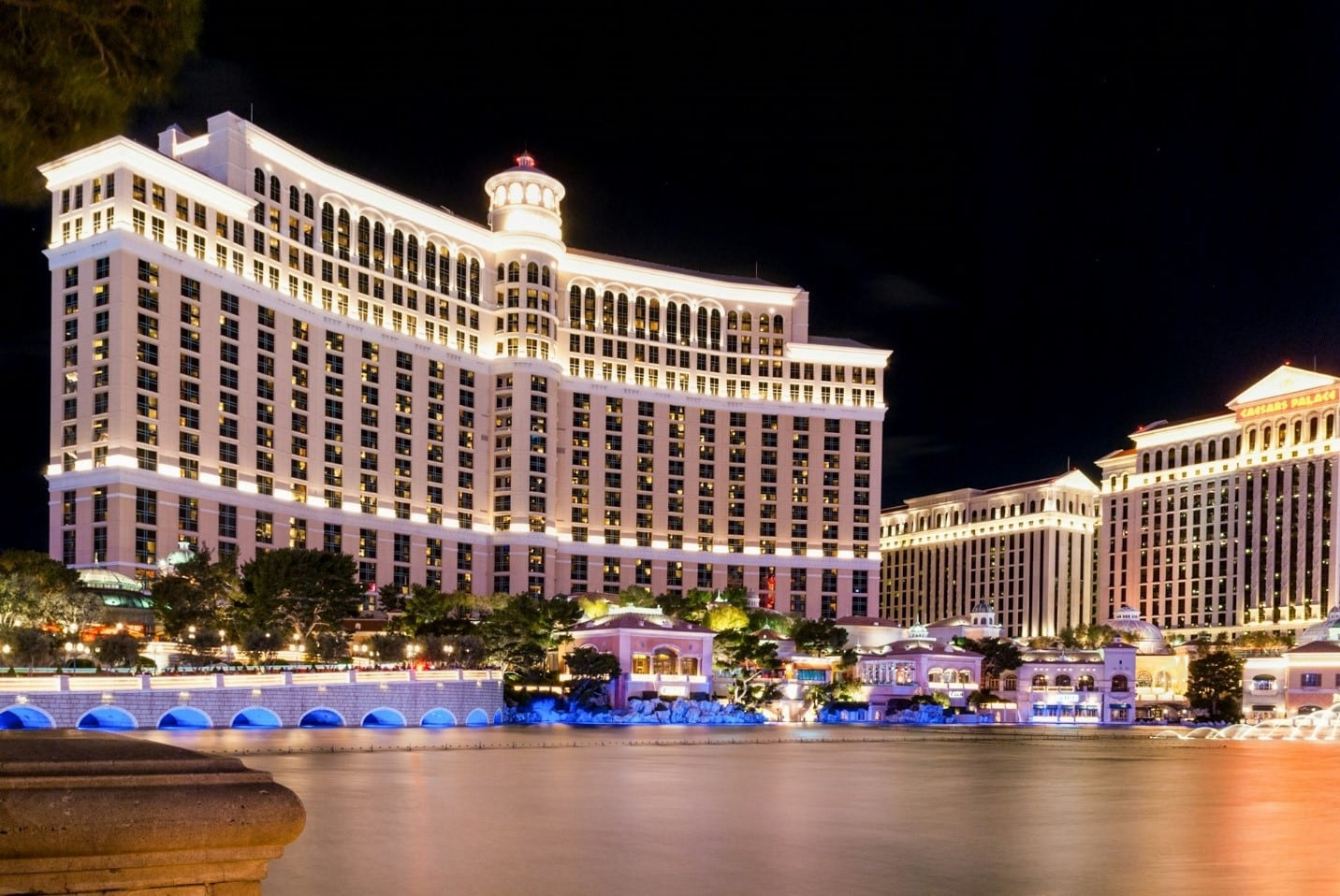
The iconic Bellagio Hotel and Casino stands as a glittering jewel on the Las Vegas Strip, synonymous with luxury, opulence, and unforgettable experiences. Its distinctive fountains, world-class dining, and sophisticated ambiance have captivated visitors for decades. But beyond the dazzling facade and the thrill of the casino floor, a fundamental question lingers for many: who actually owns this legendary establishment? Understanding the ownership of such a prominent landmark offers a glimpse into the complex world of hospitality, real estate investment, and the ever-evolving landscape of the Nevada tourism industry.
The Bellagio is not just a hotel; it’s an experience. From its meticulously curated art installations to its elaborate seasonal displays, it embodies a commitment to delivering a premium travel experience. This dedication to excellence, coupled with its prime location and substantial economic impact, makes its ownership a topic of significant interest for travelers, investors, and industry observers alike. To truly appreciate the Bellagio, one must look beyond the immediate allure and delve into the corporate structures and financial decisions that shape its destiny.
A Legacy of Luxury and Ownership Shifts
The story of the Bellagio‘s ownership is intertwined with the broader narrative of Las Vegas‘s transformation from a gambling mecca to a multifaceted entertainment and convention destination. Originally conceived and developed by casino magnate Steve Wynn, the Bellagio was a testament to his vision for a more refined and upscale casino resort. Wynn envisioned a property that would appeal not only to gamblers but also to those seeking a luxurious getaway, complete with fine art, gourmet dining, and world-class entertainment.
The Dawn of the Bellagio: Steve Wynn’s Vision
Steve Wynn‘s dream for the Bellagio began to materialize in the mid-1990s. He aimed to create a resort that would redefine luxury on the Las Vegas Strip, departing from the more traditional, albeit opulent, themes of earlier properties. The Bellagio was designed to evoke the charm and sophistication of the Italian countryside, specifically the town of Bellagio on Lake Como. This ambitious project, which opened its doors in October 1998, was built on the site of the former Dunes Hotel and Casino, a landmark in its own right. The development was a monumental undertaking, requiring immense capital investment and meticulous planning to bring Wynn‘s grand vision to life. The Bellagio quickly established itself as a premier destination, setting new standards for hotel design, amenities, and guest service. Its success underscored Wynn‘s Midas touch in the casino industry and cemented its place as an iconic Las Vegas landmark.
The MGM Mirage Era and Subsequent Mergers
The initial ownership of the Bellagio was under Wynn Resorts, the company founded by Steve Wynn. However, the dynamic nature of the Las Vegas casino market soon led to significant shifts. In 2000, Wynn Resorts sold the Bellagio to MGM Grand Inc. (later rebranded as MGM Resorts International) for $1.7 billion. This acquisition was a pivotal moment, significantly expanding MGM Resorts International‘s portfolio and solidifying its position as one of the largest casino operators in the world. Under MGM Resorts International‘s stewardship, the Bellagio continued to thrive, maintaining its reputation for luxury and elegance while benefiting from the extensive resources and operational expertise of its new parent company.

Over the years, MGM Resorts International has undergone various strategic maneuvers and acquisitions, further shaping its corporate structure. The company has consistently invested in its properties, including the Bellagio, to ensure they remain competitive and appealing to a global audience. The Bellagio has remained a flagship property within the MGM Resorts International portfolio, a testament to its enduring appeal and financial success. While the MGM Resorts International name is prominently associated with the Bellagio, it’s important to understand the broader corporate entity that oversees its operations and financial performance.
The Current Ownership Landscape: A Look at MGM Resorts International
Today, the Bellagio Hotel and Casino is owned and operated by MGM Resorts International, a global hospitality and entertainment company headquartered in Paradise, Nevada. This ownership structure places the Bellagio within a vast network of resorts, casinos, and entertainment venues across the United States and internationally. MGM Resorts International is a publicly traded company, meaning its ownership is distributed among its shareholders.
MGM Resorts International: A Global Hospitality Giant
MGM Resorts International is a titan in the hospitality industry. Its portfolio extends far beyond the Bellagio, encompassing a wide array of well-known properties such as MGM Grand Las Vegas, Mandalay Bay Resort and Casino, The Mirage, New York-New York Hotel and Casino, and Luxor Hotel and Casino, all iconic destinations on the Las Vegas Strip. The company’s operations span across various segments, including casino gaming, hotels, food and beverage, entertainment, and convention services.
The company’s strategic vision involves developing, owning, and operating integrated casino resorts that offer a comprehensive entertainment experience. This includes attracting a diverse range of guests, from leisure travelers seeking a luxurious escape to business professionals attending conventions and events. The financial performance and strategic decisions of MGM Resorts International directly impact the Bellagio, influencing its renovation plans, operational strategies, and marketing efforts. As a publicly traded entity, MGM Resorts International‘s performance is subject to market forces, investor sentiment, and regulatory oversight, all of which contribute to the ongoing story of the Bellagio.
Real Estate Investment Trusts (REITs) and Property Ownership
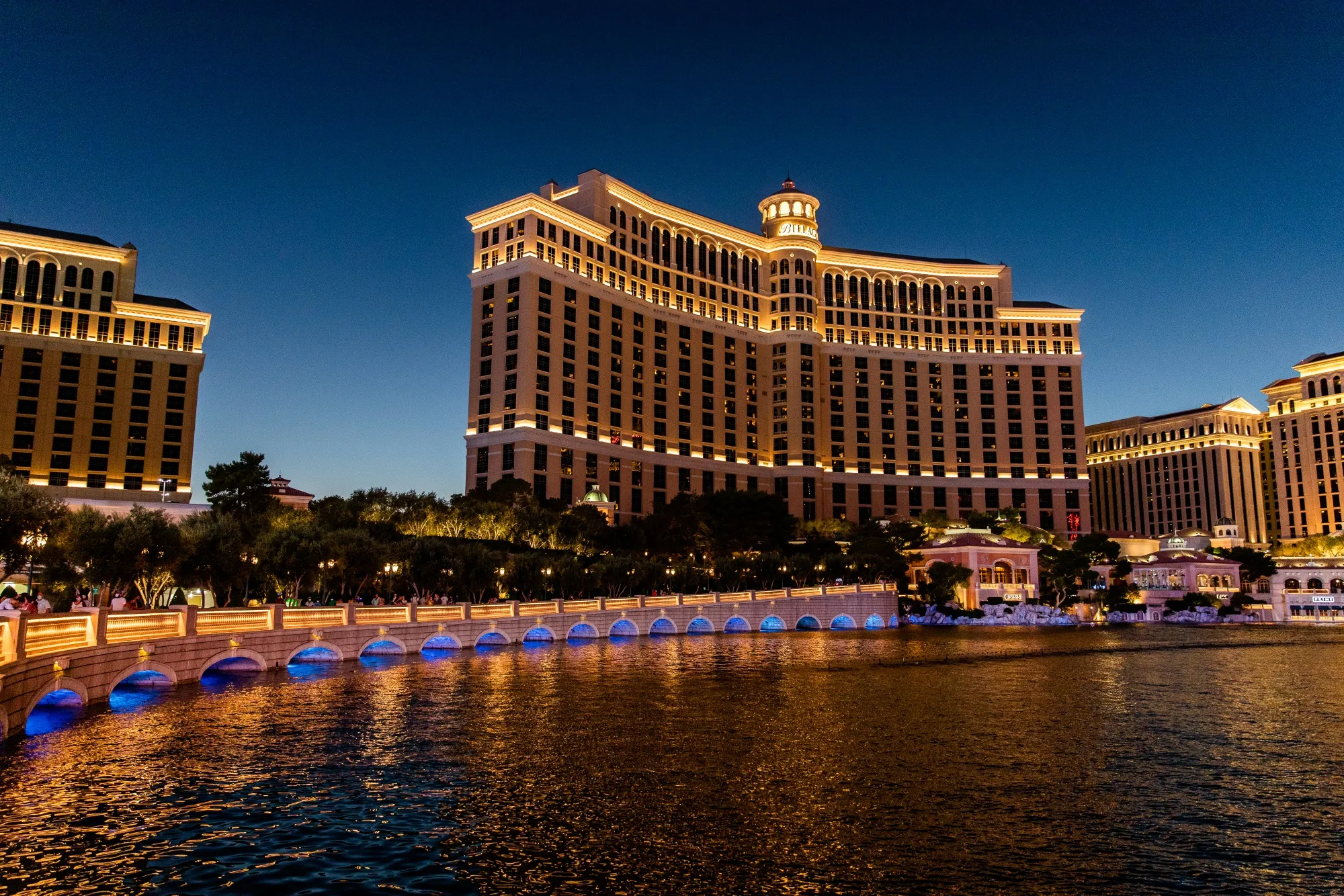
A significant aspect of the Bellagio‘s current ownership structure, like many large casino properties on the Las Vegas Strip, involves the separation of property ownership from hotel operations. In 2019, MGM Resorts International completed a deal where it sold the real estate assets of the Bellagio (along with MGM Grand Las Vegas) to a real estate investment trust (REIT) called Blackstone Real Estate Income Trust. MGM Resorts International then entered into a long-term lease agreement to continue operating both properties.
This arrangement is a common strategy in the real estate and hospitality sectors, allowing companies to unlock capital from their real estate holdings while retaining operational control and brand management. Essentially, MGM Resorts International continues to manage the day-to-day operations, guest experiences, and branding of the Bellagio, while Blackstone Real Estate Income Trust owns the physical land and buildings. This structure allows MGM Resorts International to focus on its core business of hospitality and entertainment, while Blackstone benefits from a stable, long-term income stream from rent payments. Understanding this distinction is crucial when discussing the ownership of the Bellagio, as it involves both operational management and real estate investment. The Bellagio, therefore, represents a complex interplay between a premier hospitality operator and a significant real estate investor, each playing a vital role in its continued success and prominence on the Las Vegas landscape.
LifeOutOfTheBox is a participant in the Amazon Services LLC Associates Program, an affiliate advertising program designed to provide a means for sites to earn advertising fees by advertising and linking to Amazon.com. Amazon, the Amazon logo, AmazonSupply, and the AmazonSupply logo are trademarks of Amazon.com, Inc. or its affiliates. As an Amazon Associate we earn affiliate commissions from qualifying purchases.