
For many individuals and families, the concept of a “Ladybird Deed” in Florida often surfaces during pivotal life stages—whether planning for retirement, managing an inheritance, or safeguarding assets for future generations. This powerful estate planning tool, formally known as an Enhanced Life Estate Deed, is a testament to the proactive approach many take in shaping their financial future and securing a desired lifestyle for themselves and their loved ones. Far from being a mere legal formality, understanding and utilizing a Ladybird Deed can significantly influence one’s peace of mind, financial flexibility, and the seamless transfer of property, profoundly impacting the lifestyle enjoyed by property owners in the Sunshine State. It represents a strategic choice for those who wish to maintain full control over their real estate assets during their lifetime while simultaneously simplifying the post-mortem transfer process, thereby sidestepping the often cumbersome and costly probate court proceedings. This article delves into the intricacies of the Ladybird Deed, illuminating its benefits, operational mechanics, and how it seamlessly integrates into a comprehensive lifestyle and estate plan, particularly for those with a vested interest in Florida’s vibrant property market.
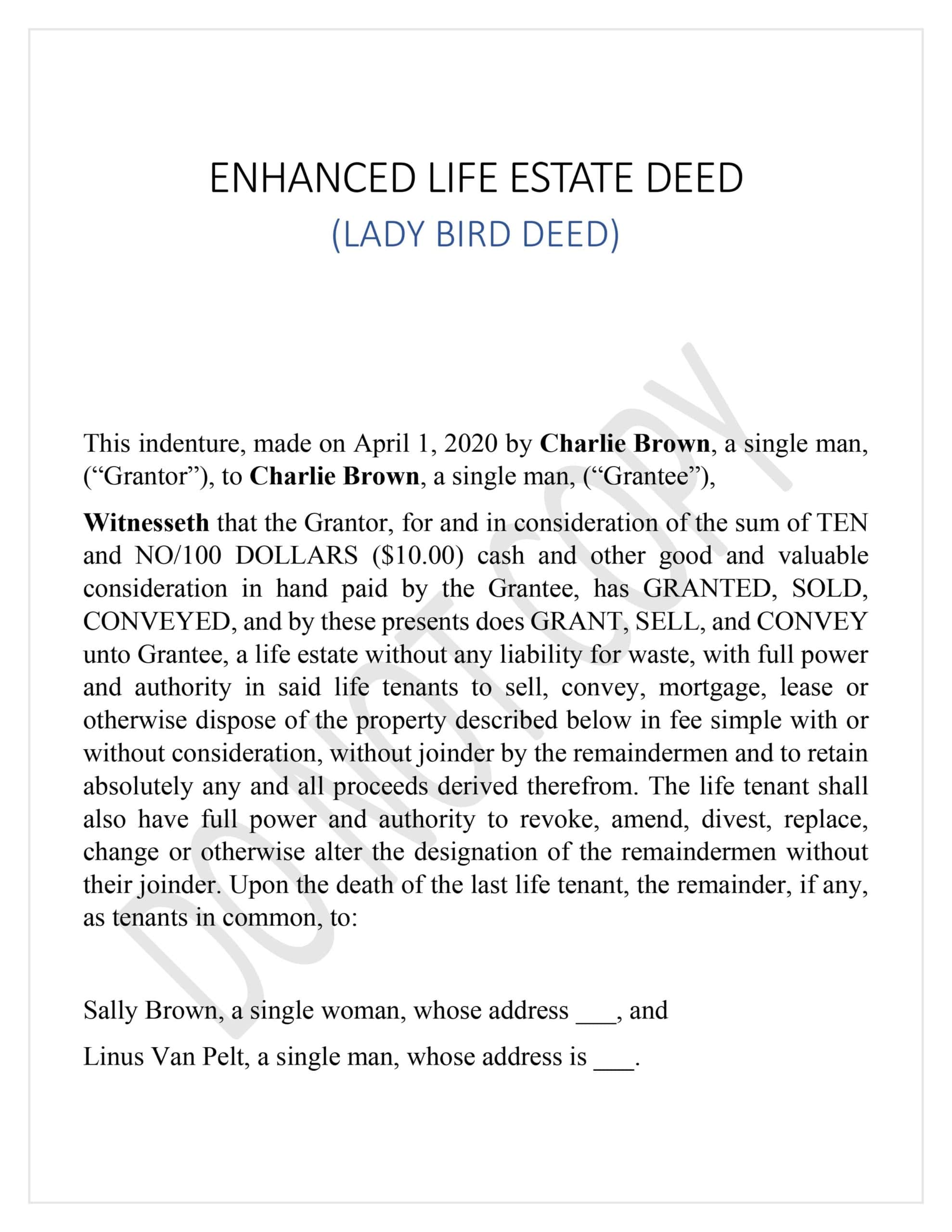
Understanding the Core Concept of a Ladybird Deed
At its heart, a Ladybird Deed is an innovative instrument designed to provide property owners with a unique blend of control and convenience. It empowers them to dictate the future of their real estate while retaining absolute authority and flexibility, thereby aligning perfectly with a lifestyle that values autonomy and careful financial stewardship. This form of deed has gained considerable popularity in Florida due to its distinct advantages over traditional property transfer methods.
Defining the Enhanced Life Estate Deed
The Ladybird Deed, officially termed an Enhanced Life Estate Deed, is a specialized type of life estate that grants the “life tenant” (the current owner) enhanced powers over the property. Unlike a traditional life estate, where the life tenant’s rights are typically limited to using and enjoying the property during their lifetime, the enhanced version allows the life tenant to sell, mortgage, lease, or even revoke the deed and name new beneficiaries without the consent of the “remaindermen” (the future beneficiaries). This unrestricted control is a cornerstone of why it’s so appealing to those managing their assets with an eye toward future lifestyle considerations, offering a robust framework for personal financial planning.
How It Differs from Traditional Life Estate Deeds
The fundamental distinction between an Enhanced Life Estate Deed and a traditional life estate deed lies in the level of control afforded to the life tenant. In a traditional life estate, once the deed is executed, the life tenant cannot sell or mortgage the property without the consent of the remaindermen. This can lead to significant complications if circumstances change, or if a life tenant needs access to the property’s equity. The traditional model, while effective for some, can restrict a property owner’s lifestyle choices and financial adaptability. Conversely, the Ladybird Deed ensures that the original owner maintains absolute control, allowing them to adapt their estate plan as their life and financial circumstances evolve, which is critical for those seeking flexibility in their later years or for unforeseen events. This superior flexibility is a key reason for its growing adoption in Florida.
Key Components and Operational Mechanics
A Ladybird Deed typically identifies three primary parties: the grantor (the current owner), the life tenant (usually the same person as the grantor, who retains control during their lifetime), and the remaindermen (the beneficiaries who will inherit the property upon the life tenant’s death). The deed explicitly states that the life tenant retains the power to sell, mortgage, convey, or otherwise dispose of the property, or even revoke the deed entirely, without needing the consent of the remaindermen. Upon the life tenant’s death, the property automatically transfers to the designated remaindermen, bypassing probate. This automatic transfer mechanism is a significant feature, streamlining the estate settlement process and offering a more secure and predictable financial outlook for the beneficiaries, which contributes to their future lifestyle stability.
The Lifestyle Advantages: Why Florida Residents Choose Ladybird Deeds
For many residents of Florida, a state renowned for its appealing climate and retirement communities, the strategic use of a Ladybird Deed provides significant lifestyle advantages. It allows them to enjoy their golden years with greater financial security and peace of mind, knowing their assets are managed according to their wishes without unnecessary future complications.
Bypassing Probate for a Smoother Transition
One of the most compelling reasons Florida property owners opt for a Ladybird Deed is its ability to bypass the often lengthy, public, and expensive probate process. Probate is the legal procedure where a will is proven valid, and the deceased’s assets are distributed under court supervision. By contrast, a Ladybird Deed facilitates an automatic transfer of property upon the owner’s death directly to the named beneficiaries, outside of probate. This not only saves significant time and legal fees but also provides privacy, as probate records are public. For beneficiaries, this means a smoother, quicker, and less stressful transition of property ownership, allowing them to maintain their lifestyle without undue financial or administrative burdens.
Retaining Control and Flexibility During Your Lifetime
The power to retain full control over one’s property until death is a distinct lifestyle benefit. With a Ladybird Deed, the property owner (life tenant) can sell the property, take out a new mortgage, or even change the beneficiaries at any point, without requiring the consent of the named remaindermen. This flexibility is crucial for adapting to changing financial needs, healthcare requirements, or unexpected life events. For instance, if the owner decides to move, sell to downsize, or needs to leverage the property’s equity for medical expenses, the Ladybird Deed ensures they can do so without legal hurdles involving their heirs, preserving their autonomy and financial freedom throughout their lifetime. This level of adaptability supports a dynamic and self-directed lifestyle, vital for proactive asset management.
Potential Benefits for Medicaid Eligibility Planning
For many seniors in Florida considering long-term care, Medicaid eligibility is a critical concern. A significant advantage of the Ladybird Deed is its potential role in Medicaid planning. Because the owner retains full control over the property, it is generally not considered a transfer of assets for Medicaid look-back period purposes. If the property owner needs to apply for Medicaid, the property subject to a Ladybird Deed might not be counted as an available asset for eligibility calculations. Furthermore, upon the owner’s death, the property passes directly to the remaindermen, potentially protecting it from Medicaid estate recovery claims. This feature is invaluable for preserving a family’s legacy and ensuring that the financial sacrifices made during a lifetime are not eroded by healthcare costs, contributing to a secure post-retirement lifestyle for the owner and their family.
Providing Peace of Mind for Your Future Lifestyle
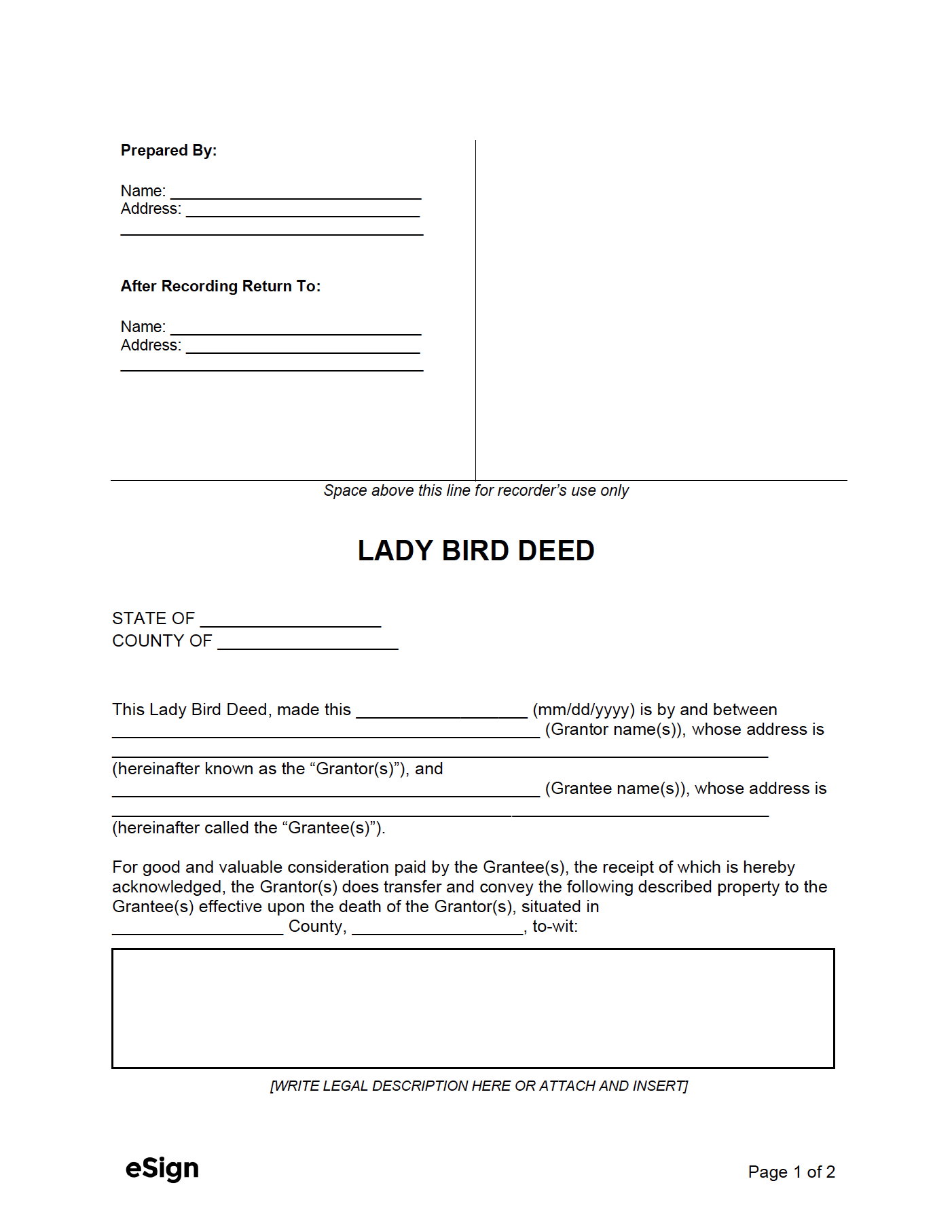
Ultimately, the Ladybird Deed provides unparalleled peace of mind. Knowing that your primary residence or other real estate assets will pass directly to your chosen beneficiaries without the stress, delays, and costs associated with probate offers a profound sense of security. This certainty allows individuals to focus on living their best life, pursuing hobbies, traveling, or enjoying family time, rather than worrying about future legal complexities. For a secure and comfortable lifestyle in Florida, having a clear and efficient plan for your assets is paramount, and the Ladybird Deed is an effective tool in achieving that clarity and assurance.
Navigating the Nuances: Key Considerations and Potential Pitfalls
While the Ladybird Deed offers considerable advantages, a thorough understanding of its nuances and potential pitfalls is essential for anyone integrating it into their lifestyle and estate plan. Careful consideration of these aspects ensures that the deed serves its intended purpose without inadvertently creating new challenges.
Impact on Homestead Exemptions
In Florida, homestead property enjoys significant protections, including exemptions from certain creditors and property tax benefits. A Ladybird Deed generally does not jeopardize the homestead exemption for the original owner. Because the life tenant retains full ownership rights and control over the property during their lifetime, the property typically continues to qualify for homestead status. However, it’s crucial for property owners to consult with legal counsel to confirm their specific situation, as interpretations can vary, and future changes in law might impact this aspect. Maintaining homestead status is vital for preserving the financial benefits that contribute to a stable and protected lifestyle in Florida.
Mortgage and Loan Implications
Property owners with an existing mortgage or planning to obtain one must carefully consider the implications of a Ladybird Deed. Most mortgage agreements contain a “due-on-sale” clause, which allows the lender to demand full repayment of the loan if the property is transferred. While a Ladybird Deed technically transfers a future interest, it is generally understood that because the life tenant retains full control, it does not trigger the due-on-sale clause. Nevertheless, it is always advisable to inform your lender or review your mortgage documents before executing a Ladybird Deed to avoid any unforeseen complications. Ignoring this step could lead to significant financial strain, disrupting one’s carefully planned lifestyle.
When a Ladybird Deed Might Not Be the Best Fit
Despite its advantages, a Ladybird Deed isn’t universally suitable for every estate plan. For instance, if an individual wishes to impose specific conditions on how or when the beneficiaries receive the property (e.g., waiting until a certain age, or for specific purposes), a trust might be a more appropriate vehicle. Similarly, if there are complex family dynamics, significant potential for beneficiary disputes, or if the property is part of a larger, more intricate business or investment portfolio, other estate planning tools might offer better solutions. A careful evaluation of personal circumstances, financial goals, and desired lifestyle outcomes is paramount before deciding on a Ladybird Deed.
The Role of Beneficiaries and Their Rights
While the life tenant retains absolute control, it’s important to understand the future rights of the remaindermen. Once the life tenant passes away, the remaindermen automatically become the full legal owners of the property, free from probate. However, during the life tenant’s lifetime, the remaindermen have no legal interest that they can sell, mortgage, or otherwise encumber, nor do they have any say in the life tenant’s decisions regarding the property. This clarity in roles ensures that the property owner’s lifestyle choices are not hindered by the future interests of beneficiaries, while still providing a clear path for inheritance.
How a Ladybird Deed Fits into Your Broader Lifestyle and Estate Plan
A Ladybird Deed is not a standalone solution but rather an integral component that can significantly enhance a comprehensive estate plan, particularly for those whose lifestyle priorities include asset protection, simplified inheritance, and enduring personal control. Integrating it thoughtfully ensures a cohesive strategy for your future.
Complementing Your Will and Trust
For many Florida residents, a robust estate plan includes a will and potentially a revocable living trust. A Ladybird Deed can effectively complement these documents by streamlining the transfer of real property, which is often the most significant asset in an estate. While a will dictates the distribution of assets subject to probate, and a trust can hold a wide array of assets, a Ladybird Deed specifically addresses real estate in a manner that bypasses probate. This synergy allows for a more efficient overall distribution of assets, ensuring that your lifestyle preferences and financial legacy are honored across all facets of your estate. It reduces the burden on your executors and trustees, allowing them to manage other assets more effectively.
The Importance of Professional Legal Counsel in Florida
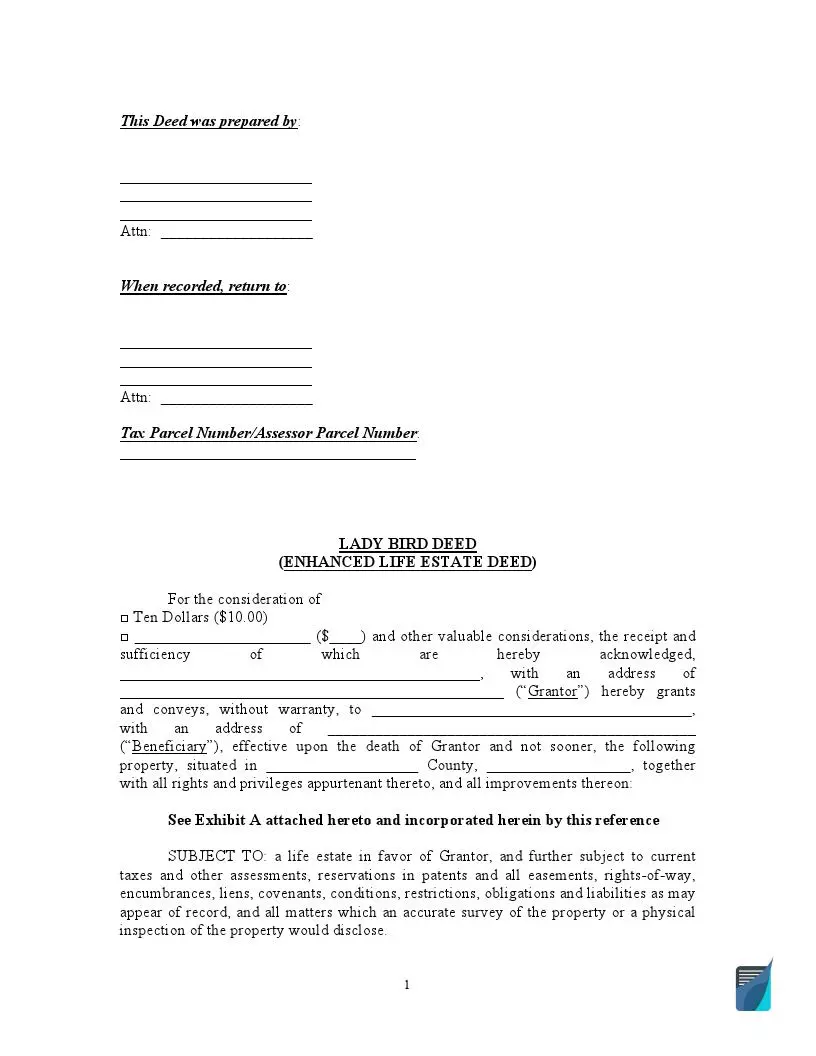
Navigating the complexities of estate planning, particularly with specific legal instruments like the Ladybird Deed, necessitates the expertise of a qualified Florida estate planning attorney. A professional can provide tailored advice based on your unique financial situation, family dynamics, and lifestyle goals. They can ensure the deed is correctly drafted and executed, avoiding common pitfalls and ensuring its validity under state law. Furthermore, they can help you understand how the Ladybird Deed interacts with other aspects of your estate plan, such as taxes, homestead laws, and Medicaid planning, ensuring a holistic and effective strategy. Relying on professional advice is crucial for achieving the peace of mind that comes from knowing your future is securely planned.
Regular Review and Updates for Evolving Lifestyles
Life is dynamic, and so too should be your estate plan. What might have been suitable a few years ago might not align with your current lifestyle, financial standing, or family structure. Events such as marriage, divorce, births, deaths, changes in financial status, or even shifts in real estate market values can necessitate updates to your Ladybird Deed and overall estate plan. Regular reviews—ideally every few years or after significant life events—with your estate planning attorney ensure that your documents remain current and accurately reflect your wishes and evolving lifestyle. This proactive approach safeguards your assets and ensures your legacy continues to serve your long-term objectives and those of your beneficiaries.
In conclusion, the Ladybird Deed in Florida is a sophisticated and highly beneficial tool for individuals focused on securing their lifestyle and that of their heirs. By offering an unparalleled blend of retained control, probate avoidance, and potential Medicaid planning advantages, it provides a robust framework for property owners. However, its effective implementation requires careful consideration and professional guidance to ensure it aligns perfectly with one’s broader estate planning goals and long-term lifestyle aspirations.
LifeOutOfTheBox is a participant in the Amazon Services LLC Associates Program, an affiliate advertising program designed to provide a means for sites to earn advertising fees by advertising and linking to Amazon.com. Amazon, the Amazon logo, AmazonSupply, and the AmazonSupply logo are trademarks of Amazon.com, Inc. or its affiliates. As an Amazon Associate we earn affiliate commissions from qualifying purchases.