
Miami, the dazzling gem of Florida‘s southeastern coast, is renowned globally for its vibrant culture, stunning beaches, Art Deco architecture, and electrifying nightlife. Yet, for any prospective traveler, understanding the climate of this tropical paradise is paramount to planning an unforgettable trip. More than just a casual inquiry, “How is the weather in Miami?” delves into the very essence of what makes this destination unique, dictating everything from your packing list to your daily itinerary. Miami’s weather isn’t just a backdrop; it’s an integral part of the experience, shaping the rhythm of life and the array of activities available. From sun-drenched winter days perfect for outdoor adventures to the sultry, storm-kissed summer afternoons that invite indoor exploration, the city offers a dynamic climate profile that demands thoughtful consideration. This guide aims to demystify Miami’s weather patterns, providing insightful perspectives and practical advice to help you navigate its seasons like a seasoned local.
Understanding Miami’s Subtropical Climate
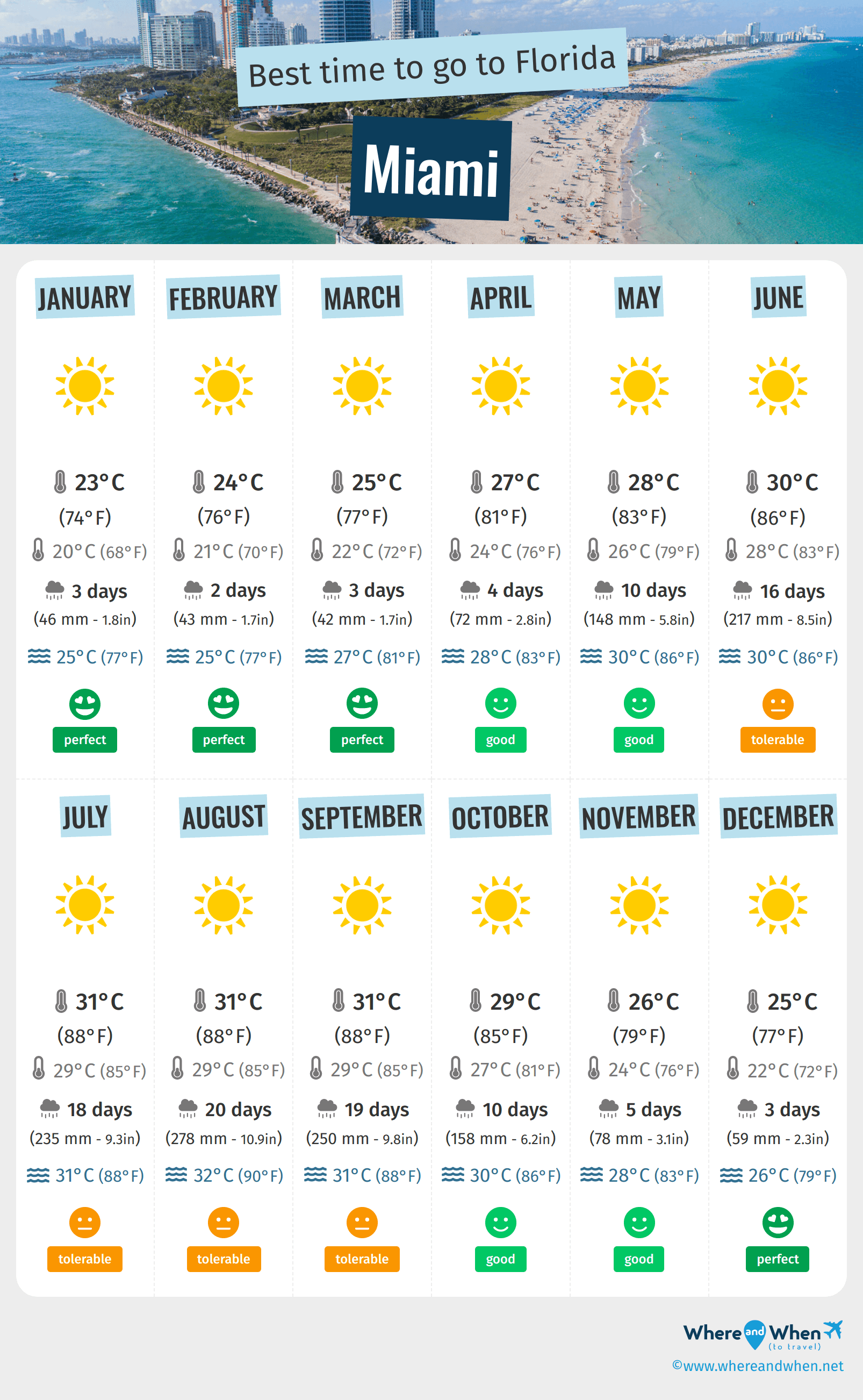
Miami’s geographical location, perched on the Atlantic coast of South Florida just above the Tropic of Cancer, bestows upon it a distinct tropical monsoon climate. This classification is the key to understanding its unique weather characteristics, which differ significantly from most other major cities in the United States. Here, the traditional four seasons found in temperate zones give way to two primary phases: a hot, wet season and a warm, dry season. This fundamental distinction is crucial for travelers to grasp, as it shapes expectations and informs planning.
The Basics: Tropical Monsoon Climate
A tropical monsoon climate, typical of Miami, is characterized by consistently high temperatures throughout the year, with average monthly temperatures rarely dipping below 68°F (20°C). Humidity levels are generally elevated, contributing to the city’s lush, verdant landscape and the unique feel of its air. The proximity to the warm waters of the Atlantic Ocean and the Gulf Stream plays a significant role in moderating temperatures, preventing extreme cold snaps in winter while contributing to the moisture content in the atmosphere during the summer.
This climate pattern means that Miami experiences a pronounced wet season, typically from May to October, and a relatively drier season from November to April. During the wet season, the heat and humidity are at their peak, often accompanied by daily afternoon thunderstorms. These storms, while sometimes intense, are usually short-lived, clearing the air and leaving behind a fresh, albeit still humid, environment. The dry season, conversely, offers more stable weather with lower humidity, abundant sunshine, and less frequent rainfall, making it the most popular time for visitors.
Sunshine State Reputation: Fact or Fiction?
Florida proudly bears the moniker “The Sunshine State,” and Miami certainly lives up to this reputation for a significant portion of the year. The city boasts an impressive average of 249 sunny days annually, providing ample opportunities for beach-going, outdoor dining, and exploring its many attractions. During the dry season, prolonged stretches of clear, blue skies are the norm, solidifying Miami’s image as an ideal sun-seeker’s destination.
However, it’s a fiction to imagine Miami as perpetually sunny. The tropical monsoon climate inherently includes a rainy season. While often brief, summer afternoon showers can be torrential, creating dramatic downpours that might temporarily disrupt outdoor plans. These rains are a vital part of the ecosystem, nourishing the region’s unique flora and fauna, including the nearby Everglades National Park. Understanding this balance between abundant sunshine and the occasional, often predictable, rainfall is key to appreciating Miami’s true climate and preparing for it effectively.
Seasonal Breakdown: What to Expect When
Miami’s weather, while broadly tropical, showcases distinct nuances throughout the year. Each season offers a unique experience, influencing the types of activities, crowd levels, and even the local vibe. Knowing what to expect during your chosen travel period is essential for a seamless and enjoyable visit.
Winter (December – February): The Peak Season
Winter in Miami is nothing short of idyllic, making it the most coveted time to visit. Temperatures are pleasantly warm, typically ranging from the low 70s to low 80s Fahrenheit (21-27°C) during the day, with comfortable evenings in the 60s (15-20°C). Humidity is at its lowest, creating a crisp, refreshing air that is a welcome escape for those fleeing colder climates. Rainfall is minimal and infrequent, ensuring long stretches of clear, sunny days.
This is the season for extended outdoor enjoyment. Beach activities on South Beach are perfect, as are exploring the vibrant neighborhoods, enjoying al fresco dining, or venturing to nearby natural wonders like the Everglades National Park. The comfortable climate is also ideal for festivals, art shows, and sporting events. Consequently, this period sees the highest influx of tourists, leading to higher prices for flights and accommodations, and larger crowds at popular attractions. Booking well in advance is highly recommended.
Spring (March – May): A Sweet Spot
As winter transitions into spring, Miami maintains its delightful weather, often considered a “sweet spot” before the intensity of summer. Temperatures gradually climb into the mid-70s to mid-80s Fahrenheit (24-30°C), and while humidity begins to rise slightly, it remains significantly lower than in the summer months. Rainfall is still relatively low, though occasional showers may start to appear towards late May.
Spring offers an excellent balance of pleasant weather and slightly smaller crowds compared to the peak winter season, especially in early spring. It’s an ideal time for all outdoor activities, from relaxing on the sand to exploring cultural sites like Vizcaya Museum & Gardens. The ocean waters become increasingly warm and inviting, perfect for swimming and water sports. This shoulder season can also offer better deals on travel and lodging, making it an attractive option for budget-conscious travelers seeking optimal conditions.
Summer (June – August): Hot, Humid, and Rainy
Miami’s summer is characterized by intense heat and pervasive humidity. Daily high temperatures consistently hover in the high 80s to low 90s Fahrenheit (30-33°C), with “feels like” temperatures often soaring higher due to the humidity. This is the wet season, marked by frequent, often heavy, afternoon thunderstorms that typically roll in, drop their deluge, and then clear, leaving behind a steamy atmosphere. These storms are usually predictable, occurring in the late afternoon or early evening.
While the heat can be formidable, many locals and experienced travelers embrace Miami’s summer rhythm. It’s a time for early morning beach visits, cooling off in pools, and enjoying air-conditioned indoor attractions like the Frost Science Museum or the Pérez Art Museum Miami (PAMM). This period also coincides with hurricane season, which officially runs from June 1st to November 30th, with the peak months typically being August and September. While direct hits are rare, it’s wise to stay informed about weather forecasts. The upside of summer travel includes fewer crowds and significantly lower prices on accommodations and flights.
Fall (September – November): Transition and Hurricane Season Peak
Fall in Miami represents a gradual transition from the intense summer heat towards the pleasant winter. Early fall, particularly September and October, remains hot and humid, with continued frequent rainfall and the highest risk for tropical storms and hurricanes. As November progresses, temperatures begin to moderate, humidity slowly decreases, and the frequency of rain lessens.
While the threat of hurricanes can deter some travelers, many find late fall, especially November, to be an increasingly appealing time to visit. The crowds thin out even more, and travel deals become very attractive. By late November, the weather often resembles early spring, offering comfortable conditions for outdoor activities without the full intensity of the peak winter season crowds. It’s a period that offers great value, provided travelers remain vigilant about weather advisories and consider travel insurance.
Preparing for Miami’s Weather: Packing and Planning Tips
Successful travel to Miami, regardless of the season, hinges on understanding its climate and packing accordingly. Being prepared will enhance your experience, allowing you to fully immerse yourself in all the city has to offer without being caught off guard by the elements.
Wardrobe Essentials for Each Season
Your packing list will vary significantly depending on when you visit. However, some staples are universal.
- Year-Round: Swimwear is a must, regardless of the season. Sunglasses, a wide-brimmed hat, and comfortable walking shoes are also essential.
- Winter (December – February): Focus on light layers. Daytime can be warm, but evenings can get breezy and cooler, especially near the water. A light jacket, cardigan, or sweater will be useful for nights out.
- Spring (March – May): Similar to winter but with slightly less need for evening layers. Think breathable fabrics for daytime.
- Summer (June – August): Prioritize light, loose-fitting, breathable fabrics like cotton, linen, and moisture-wicking materials. Shorts, t-shirts, sundresses, and sandals will be your uniform.
- Fall (September – November): Early fall mirrors summer packing. As you get closer to November, consider adding a light jacket or wrap for evenings, much like winter.
Rain Preparedness and Sun Protection
Given Miami’s abundant sunshine and its rainy season, preparedness for both sun and rain is critical:
- Sun Protection: Sunscreen with a high SPF (30+ minimum) is non-negotiable, even on cloudy days, as UV rays can still penetrate. Reapply frequently, especially after swimming. Hats and sunglasses offer additional protection. Seek shade during peak sun hours (10 AM – 4 PM).
- Rain Preparedness: If traveling during the wet season (May-October), a compact umbrella or a light rain jacket is highly advisable. While showers are often brief, they can be intense. Don’t let a sudden downpour ruin your plans; instead, view it as an authentic part of the Miami experience. Plan some indoor activities as backups.
- Hydration: Always carry a water bottle, especially during the warmer months, to stay hydrated. The combination of heat and humidity can lead to dehydration surprisingly quickly.
Hurricane Season Considerations (June 1 – November 30)
While most days during hurricane season are beautiful, it’s crucial to be aware and prepared.
- Stay Informed: Monitor weather forecasts from reliable sources like the National Hurricane Center. Hotels and local authorities are also excellent resources for information.
- Travel Insurance: Consider purchasing travel insurance that covers weather-related cancellations or interruptions. This can provide peace of mind in case a tropical storm or hurricane impacts your plans.
- Flexibility: Be prepared to adjust your itinerary if weather warnings are issued. Hotels often have contingency plans and can advise on safe procedures. Remember that even if a hurricane doesn’t make landfall, its outer bands can bring heavy rain and strong winds.
Maximizing Your Miami Experience Based on Weather
Understanding Miami’s climate allows you to strategically plan your activities, ensuring you make the most of every moment, come rain or shine. The key is to embrace flexibility and leverage local insights to tailor your itinerary to the prevailing conditions.
Best Activities for Each Season
- Winter/Early Spring (December – April): This is prime time for almost anything outdoors.
- Beaches: Enjoy long days on South Beach, Sunny Isles Beach, or Key Biscayne without oppressive heat.
- Nature & Outdoors: Explore the unique ecosystems of Everglades National Park (airboat tours are popular), visit Fairchild Tropical Botanic Garden, or wander through the elegant grounds of Vizcaya Museum & Gardens.
- Cultural Exploration: Stroll through Little Havana, Wynwood Walls, or experience outdoor festivals.
- Dining: Perfect for al fresco dining in nearly any neighborhood.
- Summer/Fall (May – November): Embrace the heat and plan accordingly.
- Indoor Attractions: Dive into culture and science at the Frost Science Museum, the Pérez Art Museum Miami (PAMM), or explore the Design District’s galleries and boutiques.
- Water Activities: Early morning visits to the beach are still wonderful before the peak heat and potential afternoon storms. Water sports like paddleboarding, kayaking, or jet-skiing are refreshing. Many hotels have fantastic pools to cool off.
- Evening Entertainment: Enjoy Miami’s renowned nightlife, which comes alive after the sun sets and temperatures drop slightly.
- Shopping: Utilize air-conditioned malls like Aventura Mall or Dolphin Mall for a comfortable shopping experience.
Flexibility and Local Insights
The unpredictable nature of tropical weather, especially during the wet season, calls for a flexible approach to your itinerary.
- Check Daily Forecasts: Always check the local weather forecast each morning. While afternoon storms are common in summer, the exact timing and intensity can vary.
- Embrace the Rain: Don’t let a sudden downpour ruin your spirit. A Miami rain shower can be a refreshing break from the heat, and often leads to vibrant rainbows. Use it as an opportunity for a quick coffee break, to duck into a shop, or to enjoy a meal.
- Local Recommendations: Engage with locals. Hotel staff, restaurant servers, and taxi drivers can offer excellent real-time advice on weather patterns and suggest alternative activities for rainy days or particularly hot afternoons. They often know the hidden gems or indoor spots that provide respite.
- Early Starts: During the hotter months, an early start to your day is invaluable. Head to the beach at sunrise, visit outdoor attractions early, and then retreat indoors during the hottest part of the afternoon.
In conclusion, “How is the weather in Miami?” is a question with a nuanced answer, painting a picture of a dynamic subtropical environment. Whether you’re seeking the sublime comfort of its dry winter season or embracing the vibrant energy of its hot, humid, and rainy summer, Miami’s climate offers a distinct experience. With proper planning, awareness of seasonal shifts, and a flexible mindset, you can navigate its weather patterns with ease, ensuring a memorable and thoroughly enjoyable visit to this extraordinary global destination.
LifeOutOfTheBox is a participant in the Amazon Services LLC Associates Program, an affiliate advertising program designed to provide a means for sites to earn advertising fees by advertising and linking to Amazon.com. Amazon, the Amazon logo, AmazonSupply, and the AmazonSupply logo are trademarks of Amazon.com, Inc. or its affiliates. As an Amazon Associate we earn affiliate commissions from qualifying purchases.