
Understanding the economic heartbeat of a global metropolis like Los Angeles is essential for anyone planning to visit, relocate, or establish a business stay in the region. As one of the most iconic cities in the United States, the cost of living and the baseline for earnings significantly dictate the local lifestyle. Whether you are a budget-conscious traveler exploring the coast or a professional navigating a long-term stay in California, knowing the minimum wage is more than just a statistical exercise—it is a window into the pricing of services, the quality of hospitality, and the overall economic climate of the city.
The Current State of Wages in the City of Angels
The wage landscape in Los Angeles is dynamic, reflecting the city’s commitment to addressing the high costs associated with urban living. For many, the “City of Angels” represents a land of opportunity, but that opportunity comes with a price tag that requires a robust baseline income for the workforce.
Current Minimum Wage Rates in the City and County
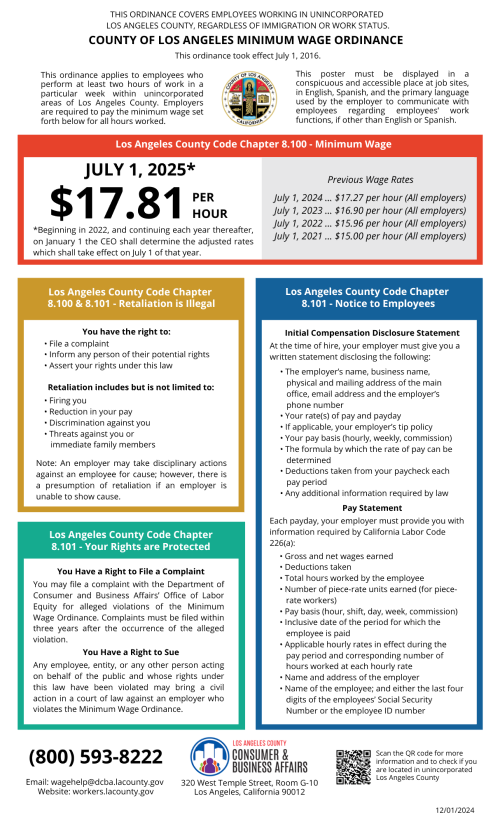
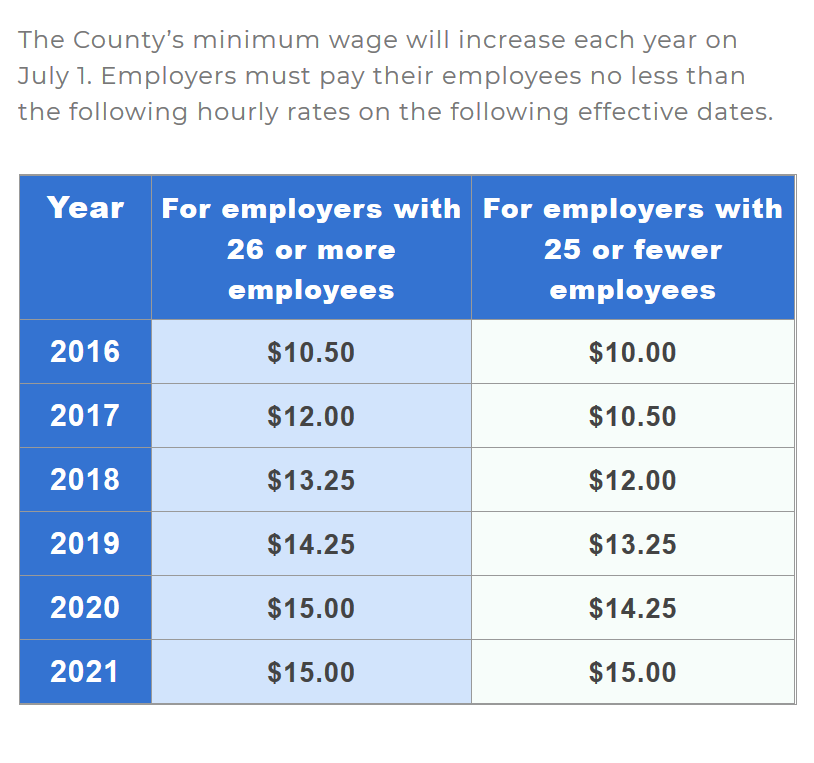
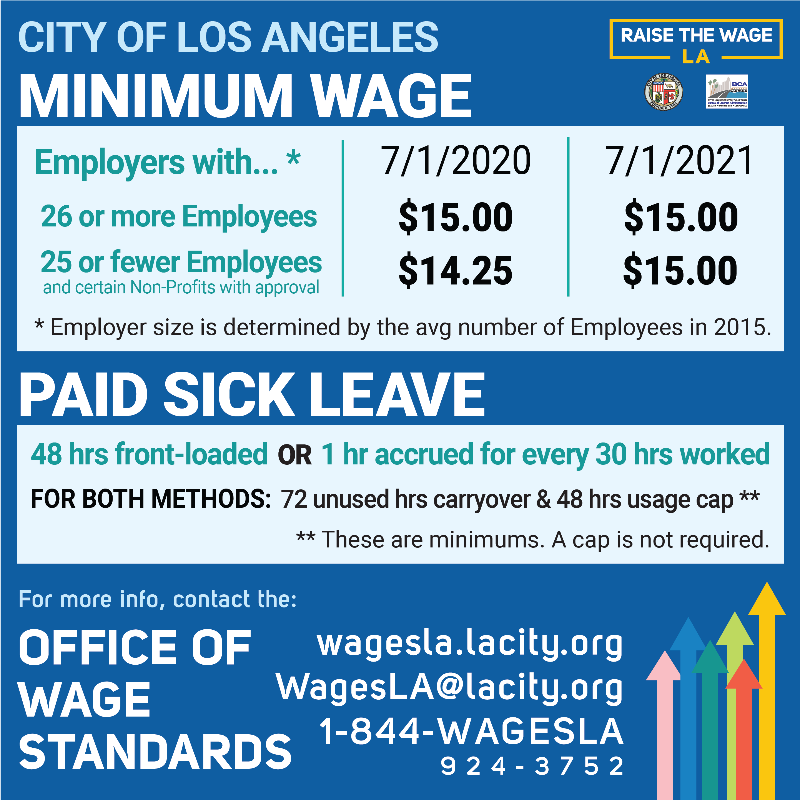
As of July 1, 2024, the minimum wage for the City of Los Angeles increased to $17.28 per hour. This rate applies to all employees who work at least two hours a week within the city limits, regardless of the size of the employer. It is important to distinguish between the City of Los Angeles and the broader Los Angeles County. While the city maintains its $17.28 rate, unincorporated areas of the county also saw a matching increase to $17.27, ensuring a level of consistency across the sprawling Southern California landscape.
For visitors, this high minimum wage is a double-edged sword. On one hand, it ensures that the staff at your favorite West Hollywood cafe or your boutique hotel in Santa Monica are earning a more competitive wage compared to many other parts of the country. On the other hand, these labor costs are often reflected in the “lifestyle” prices of the city, from the cost of a latte to the service fees found on restaurant bills.
The Living Wage vs. Minimum Wage Reality
While $17.28 per hour is among the highest in the United States, many economists and lifestyle experts argue that there is still a gap between the minimum wage and a “living wage” in a city as expensive as Los Angeles. A living wage accounts for the actual cost of housing, healthcare, and transportation. In neighborhoods like Beverly Hills or Culver City, the cost of living can be exponentially higher than the national average.
This economic reality shapes the lifestyle of the city. It drives the “side hustle” culture and influences where service workers live, often resulting in long commutes from more affordable outskirts like Burbank or Long Beach. For the traveler, understanding this gap helps provide context for the service industry culture, including the importance of tipping and the prevalence of service surcharges.
Lifestyle Implications: The True Cost of Living in Los Angeles
The minimum wage acts as a floor for the economy, but the “Lifestyle” ceiling in Los Angeles is virtually non-existent. The relationship between what people earn and what things cost defines the daily experience of both locals and visitors.
Housing and Transportation: The Major Budget Drivers
For anyone looking at a lifestyle change or a long-term business stay in California, housing is the most significant hurdle. The high minimum wage is a direct response to the skyrocketing rents in trendy areas such as Silver Lake and Echo Park. Even with a higher hourly rate, many residents find that a significant portion of their income is dedicated to keeping a roof over their heads.
Transportation also plays a massive role. While Los Angeles is working to improve its public transit, it remains a car-centric city. The costs of fuel, insurance, and maintenance in California are notoriously high. For the traveler, this translates to high rental car prices and expensive rideshares when traveling between landmarks like the Griffith Observatory and the Santa Monica Pier.
Dining and Entertainment Costs in Southern California
The culinary scene in Los Angeles is world-class, but the lifestyle of dining out has changed with the rising minimum wage. Many restaurants have moved away from traditional pricing models, incorporating “wellness fees” or “service charges” to help cover the costs of higher wages and mandatory healthcare for staff.
When you visit a high-end eatery in Downtown Los Angeles or a trendy spot near the Hollywood Walk of Fame, you may notice these additions to your bill. This is a direct reflection of the city’s labor laws. For the budget traveler, this means that even “casual” dining can quickly become a significant expense, necessitating a more strategic approach to food and entertainment.
Navigating Los Angeles on a Budget
Despite the high costs associated with a high-wage economy, Los Angeles offers a wealth of experiences for those who know how to navigate its lifestyle without breaking the bank. Balancing the “Luxury Travel” vibe of Malibu with a realistic budget is entirely possible.
Finding Affordable Neighborhoods and Stays
If you are planning a stay, the neighborhood you choose will dictate your daily expenses. While Santa Monica and West Hollywood are primary tourist hubs, they are also among the most expensive. To experience a more authentic and budget-friendly Los Angeles lifestyle, consider staying in areas like Pasadena or parts of the San Fernando Valley. These areas often provide better value for accommodation while still offering great local culture and food.
Leveraging Free and Low-Cost Attractions
One of the best aspects of the Los Angeles lifestyle is that some of its most iconic experiences are free or very low cost. The high minimum wage may drive up the price of a ticket to Universal Studios Hollywood, but it doesn’t cost a dime to hike the trails of Griffith Park or walk along Venice Beach.
Cultural landmarks like The Getty Center offer free admission (though parking has a fee), allowing visitors to enjoy world-class art and architecture without a heavy financial burden. Similarly, a visit to the Walt Disney Concert Hall for a garden walk or viewing the exterior of Dodger Stadium are ways to soak in the city’s history and lifestyle on a budget.
Labor Laws and Business Stays: What Professionals Need to Know
For those visiting Los Angeles for business or looking to hire local talent for short-term projects, the legal landscape regarding wages is strict and meticulously enforced. The city’s lifestyle is built on a foundation of worker protections that every professional should be aware of.
Labor Laws and Worker Protections
California is known for having some of the most robust labor protections in the United States. Beyond the $17.28 minimum wage, the city has specific ordinances regarding paid sick leave and fair work weeks, particularly for retail and hospitality workers. For a business traveler, this translates to a high standard of service but also a higher cost of doing business.
If you are staying at a luxury hotel in Hollywood, you are benefitting from a workforce that is protected by these laws. This often leads to lower turnover and more experienced staff, enhancing the “Luxury Travel” experience through professional and consistent service.
The Future of the Los Angeles Economy
The trajectory of the minimum wage in Los Angeles suggests continued increases indexed to inflation. This ensures that as the “Lifestyle” of the city becomes more expensive, the floor for workers rises accordingly. For the long-term planner, this means accounting for a steady increase in the cost of services over time.
However, this high-wage environment also fosters innovation. Los Angeles is a leader in the “gig economy” and creative industries. The blend of high wages and a creative atmosphere makes it a magnet for talent, which in turn fuels the vibrant nightlife, the cutting-edge fashion in the Fashion District, and the overall energetic lifestyle that defines the city.
In conclusion, the question “How much is minimum wage in Los Angeles?” is the starting point for understanding the complex social and economic fabric of the city. At $17.28 per hour, the wage reflects both the city’s high costs and its commitment to its workforce. For the traveler or resident, this number influences everything from the price of a meal in Santa Monica to the budget needed for a long-term stay. By understanding these dynamics, you can better navigate the Los Angeles lifestyle, enjoying everything from its luxury offerings to its hidden, budget-friendly gems.
LifeOutOfTheBox is a participant in the Amazon Services LLC Associates Program, an affiliate advertising program designed to provide a means for sites to earn advertising fees by advertising and linking to Amazon.com. Amazon, the Amazon logo, AmazonSupply, and the AmazonSupply logo are trademarks of Amazon.com, Inc. or its affiliates. As an Amazon Associate we earn affiliate commissions from qualifying purchases.