
The question “Are there bears in Kansas?” often elicits a chuckle or a raised eyebrow, followed by an immediate “No, not really.” Kansas, known as the Sunflower State, typically conjures images of vast prairies, golden wheat fields, and bustling agricultural communities, not dense forests teeming with Ursidae. Yet, for the curious traveler or the avid wildlife enthusiast, the answer isn’t as simple as a flat negative. While Kansas may not be synonymous with bear sightings in the way states like Montana or Alaska are, the truth is a bit more nuanced, adding an unexpected layer to the state’s natural appeal. Understanding the occasional presence of bears in Kansas is not just about obscure wildlife facts; it’s about appreciating the dynamic nature of ecosystems, the resilience of wildlife, and how these factors can subtly influence a traveler’s experience, even in unexpected destinations.

The Surprising Truth About Bears in the Sunflower State
For many, the idea of encountering a bear in Kansas seems far-fetched, almost mythical. However, wildlife reports and anecdotal evidence paint a slightly different picture. While a resident, breeding population of bears is not established within the state’s borders, transient individuals, primarily young males, do make their way into Kansas from neighboring states. This phenomenon underscores the adaptability of wildlife and the importance of understanding the ecological connections between different regions.
Dispelling the Myth: A Closer Look at Kansas’s Wildlife
Kansas is indeed primarily a prairie state, but its eastern and southeastern regions feature significant woodlands, riverine forests, and pockets of suitable habitat that can temporarily support larger mammals. The contiguous forested areas that extend from Missouri and Oklahoma into Kansas act as natural corridors. These forested river valleys, particularly along the Missouri River and its tributaries, provide cover and food sources that can attract dispersing bears. These are not typically bears establishing permanent homes, but rather individuals on a journey, often seeking new territories or mates, or simply following food sources. For travelers exploring the more rugged and forested eastern parts of the state, an awareness of this possibility, however remote, adds a layer of adventurous insight into their journey.
The American Black Bear: A Brief Profile
The bear species occasionally sighted in Kansas is almost exclusively the American Black Bear (Ursus americanus). These are the smallest and most widespread bear species in North America. An adult black bear typically weighs between 120 and 500 pounds, with males generally larger than females. Despite their name, black bears can range in color from black to brown, cinnamon, or even blonde. They are omnivores with a diet consisting mainly of nuts, berries, roots, insects, and occasionally small mammals or carrion. Their shy and generally non-aggressive nature means that encounters with humans are rare and usually result in the bear retreating. However, like all wild animals, they should be treated with respect and caution. Understanding their behavior is key for any traveler venturing into natural areas, regardless of whether a permanent bear population exists.
Where to (Potentially) Spot a Bear in Kansas
Given that Kansas is not considered a primary bear habitat, where exactly might a traveler encounter one of these elusive creatures? The answer lies in the state’s geographic position and its natural corridors, making certain regions more probable for rare sightings.
Prime Locations for Transient Bears
The most likely areas for black bear sightings are in the far eastern and southeastern counties of Kansas, particularly those bordering Missouri and Oklahoma. These regions often feature more extensive forests, riparian habitats along rivers like the Marais des Cygnes River and the Neosho River, and wildlife areas that provide essential cover and food. Locations such as the Marais des Cygnes Wildlife Area in Linn County or portions of the Ozark Plateau extending into southeastern Kansas are among the more plausible spots. While such sightings are incredibly rare and should not be a primary motivation for travel to these areas, being informed enhances a visitor’s appreciation for the region’s biodiversity. Travelers exploring hiking trails or camping in these specific areas should maintain a general awareness of wildlife, including the potential for larger mammals.
Understanding Bear Migration Patterns
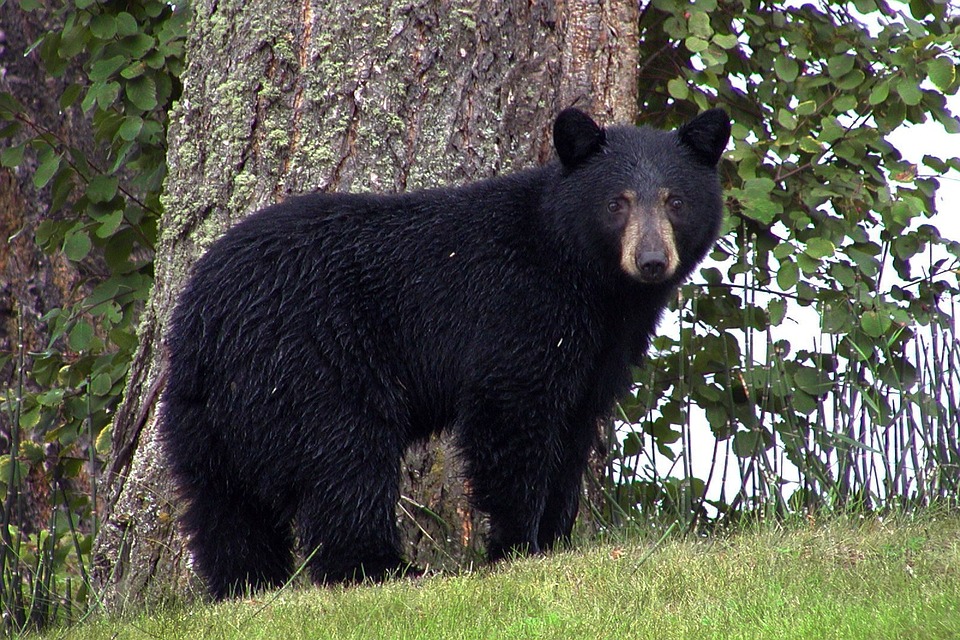
The presence of black bears in Kansas is typically a result of natural dispersal. Young male bears, often driven out of their birth territories by older males or a lack of resources, undertake long journeys in search of new homes. This dispersal behavior, combined with expanding bear populations in neighboring states like Missouri and Oklahoma, means that some individuals inevitably wander into Kansas. Sightings tend to peak in late spring and early summer when these young bears are most active in their exploratory travels. Additionally, food availability can influence their movements; if natural food sources are scarce in their home range, bears may venture further afield. This migratory pattern, while infrequent, illustrates the interconnectedness of regional wildlife populations and offers a unique perspective for travelers interested in ecological dynamics.
Traveling Safely in Bear Country (Even if it’s Sporadic)
Even with the rarity of bear sightings in Kansas, responsible travel dictates that visitors to any natural area understand basic wildlife safety. This is particularly true when exploring the state’s more remote or forested regions, where the unexpected might occur.
Essential Safety Tips for Hikers and Campers
For those planning to hike, camp, or explore natural areas in the eastern parts of Kansas, a few general bear safety tips are always advisable, regardless of the low probability of an encounter. First and foremost, make noise while hiking to avoid surprising a bear. Most bears will try to avoid humans if they hear them approaching. Store food and scented items in bear-resistant containers or hung from trees, away from your tent, to prevent attracting any wildlife, not just bears. Pack out all trash. Never approach or feed a bear, or any wild animal for that matter. Keep pets on a leash, as unleashed dogs can provoke or be injured by bears. While carrying bear spray is common in areas with dense bear populations, its necessity in Kansas is debatable due to the extreme rarity of encounters; however, personal safety precautions are always a traveler’s prerogative.
What to Do if You Encounter a Bear
Should the rare event of a bear encounter occur, it’s crucial to remain calm and follow established safety protocols. Do not run, as this can trigger a chase instinct. Instead, stand your ground, make yourself look as large as possible (e.g., raise your arms), and speak in a low, assertive voice. Slowly back away, giving the bear plenty of space to retreat. If a bear approaches you, especially if it seems to be curious or approaching your food, make more noise, wave your arms, and try to scare it away. If a black bear attacks, fight back vigorously, targeting the bear’s face and nose. This differs from grizzly bear protocols, but again, only black bears are known to enter Kansas. Report any bear sightings to the Kansas Department of Wildlife, Parks and Tourism (KDWPT) to help them monitor wildlife movements.
Beyond Bears: Discovering Kansas’s Diverse Wildlife and Natural Attractions
While the potential for a bear sighting in Kansas is a fascinating, albeit rare, aspect of its natural world, the state truly shines in its abundant and accessible wildlife and stunning natural landscapes. For travelers, Kansas offers a rich tapestry of ecological experiences that are much more common and equally captivating.
A Rich Tapestry of Flora and Fauna
Kansas is home to an incredible diversity of wildlife, far beyond the occasional transient bear. The iconic American Bison (Bison bison) roams vast prairies, most notably at the Tallgrass Prairie National Preserve. White-tailed deer are common across the state, as are coyotes, bobcats, foxes, and numerous species of rodents and reptiles. Birdwatching is a major attraction, with hundreds of species utilizing Kansas as breeding grounds or migratory stopovers. From eagles and hawks to prairie chickens and various waterfowl, the state’s diverse habitats support a vibrant avian population. Butterfly and insect enthusiasts will also find a plethora of species, particularly in the prairie ecosystems. Exploring these prevalent wildlife communities offers a genuine and enriching travel experience in Kansas.

Must-Visit Natural Destinations in Kansas
For travelers seeking immersive nature experiences, Kansas boasts several outstanding destinations. The aforementioned Tallgrass Prairie National Preserve near Strong City is a quintessential Kansas experience, offering hiking, ranger-led tours, and the chance to see bison in their native habitat. The Flint Hills region, in general, provides breathtaking vistas of rolling prairies, particularly during the spring burn season. The Konza Prairie Biological Station near Manhattan offers nature trails and a deeper look into prairie research. For water-based recreation, Wilson State Park, often cited as one of the most scenic state parks in Kansas, provides opportunities for boating, fishing, hiking, and wildlife viewing around Wilson Lake. Other notable state parks and lakes like Lake Perry and Clinton State Park near Lawrence offer extensive outdoor activities, from camping to mountain biking. These destinations provide travelers with ample opportunities to connect with Kansas’s true natural beauty and abundant, diverse wildlife.
In conclusion, while the question “Are there bears in Kansas?” might seem to have a straightforward negative answer, the reality reveals a fascinating if infrequent, natural phenomenon. Travelers exploring the forested edges of the state might, on rare occasions, encounter a transient American Black Bear. However, the true allure of Kansas for nature-loving travelers lies not in chasing an elusive bear sighting, but in immersing oneself in the vastness of its prairies, the richness of its diverse ecosystems, and the vibrant array of wildlife that truly calls the Sunflower State home. Kansas offers unique and rewarding experiences for those willing to explore its natural attractions with an open mind and a respect for its living landscapes.
LifeOutOfTheBox is a participant in the Amazon Services LLC Associates Program, an affiliate advertising program designed to provide a means for sites to earn advertising fees by advertising and linking to Amazon.com. Amazon, the Amazon logo, AmazonSupply, and the AmazonSupply logo are trademarks of Amazon.com, Inc. or its affiliates. As an Amazon Associate we earn affiliate commissions from qualifying purchases.