
When planning any horticultural endeavor, from cultivating vibrant flower beds to nurturing bountiful vegetable gardens, understanding your region’s “planting zone” is paramount. For those in the heartland of America, specifically the vast and agriculturally rich state of Kansas, this knowledge is not just helpful, it’s essential. The United States Department of Agriculture (USDA) Plant Hardiness Zone Map is the definitive guide for gardeners, categorizing areas based on their average annual minimum winter temperature. This system allows growers to select plants that are most likely to thrive and survive the local climate. So, what planting zone is Kansas? The answer is not a single zone, but rather a spectrum, reflecting the state’s significant north-south and east-west variations.
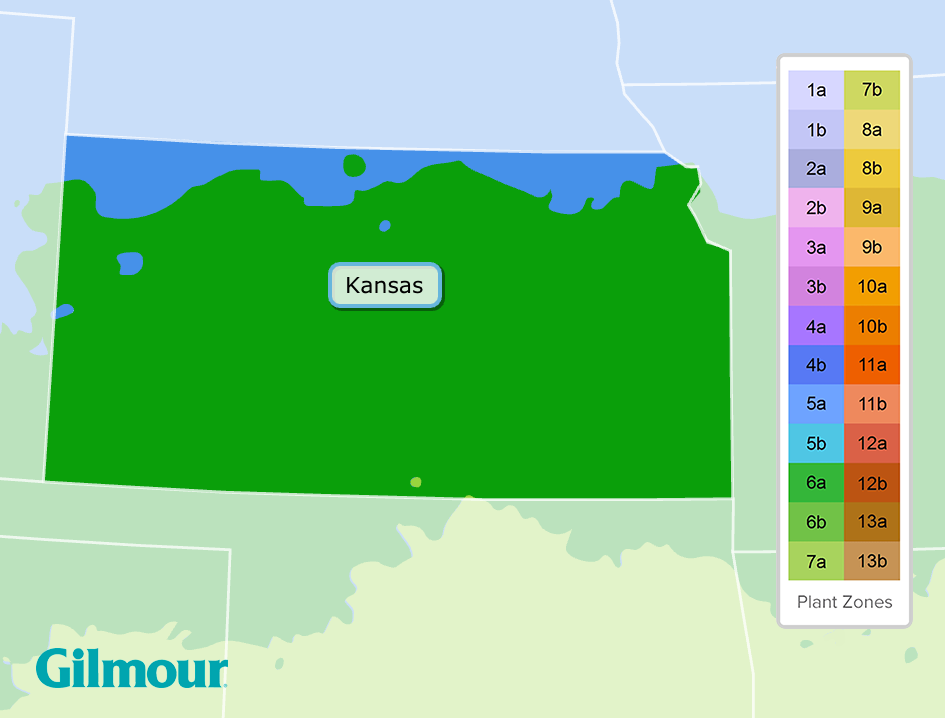
Navigating Kansas’s Diverse Planting Zones
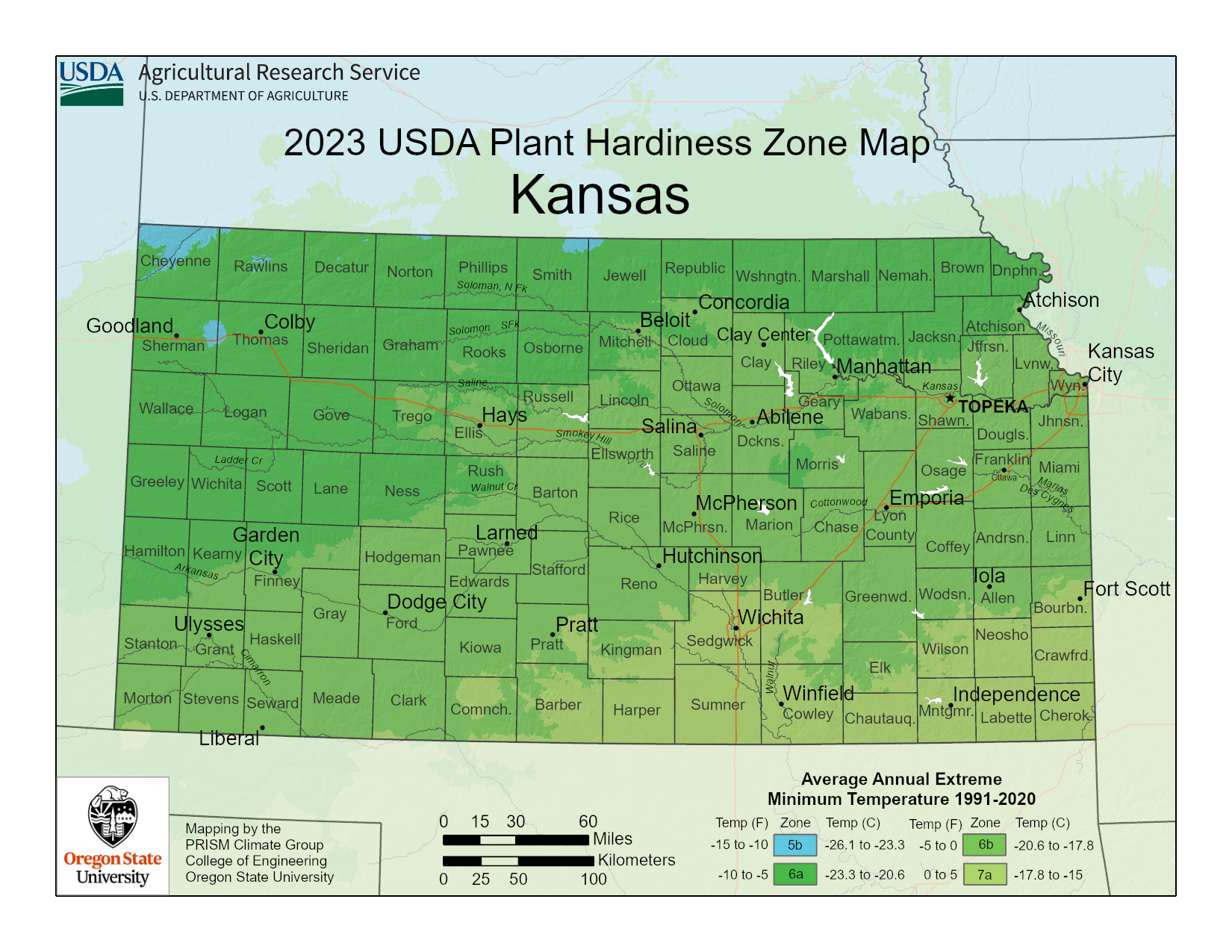
Kansas spans across several USDA Plant Hardiness Zones, predominantly ranging from Zone 6a in the northern and western parts of the state to Zone 7b in the southeastern reaches. This climatic diversity is a direct result of Kansas‘s geographical position and its varied topography. The western and northern areas, being further from the moderating influence of the Gulf of Mexico and at higher elevations in some parts, experience colder winters, thus falling into the lower zone numbers. Conversely, the southeastern portion benefits from warmer air masses and is generally at lower elevations, leading to milder winter temperatures and placement in higher zone numbers. This gradient is crucial for gardeners; a plant that flourishes in Wichita might struggle in Salina, and vice versa.
Zone 6: The Northern and Western Frontier
In Kansas, Zone 6 generally encompasses the northern and western counties. This zone is characterized by average annual minimum winter temperatures between -10°F and 0°F (-23.3°C and -17.8°C) for Zone 6a, and 0°F to 10°F (-17.8°C to -12.2°C) for Zone 6b. This means that plants designated for Zone 6 can typically withstand these colder temperatures. For gardeners residing in cities like Topeka, Manhattan, or Salina, selecting plants hardy to Zone 6 will significantly increase their chances of successful overwintering. This zone is ideal for a wide array of hardy perennials, shrubs, and trees that can endure the frost and snow.
Zone 7: The Southern and Eastern Heartland
Moving southward and eastward, Kansas transitions into Zone 7. Zone 7a experiences average annual minimum winter temperatures between 0°F and 10°F (-17.8°C and -12.2°C), while Zone 7b ranges from 10°F to 20°F (-12.2°C to -6.7°C). The southeastern corner of Kansas, including areas around Wichita, Kansas City, and Pittsburg, generally falls into Zone 7b. This warmer zone allows for a broader selection of plants, including those that may be borderline hardy in Zone 6. Homeowners in these regions can often experiment with more tender perennials and enjoy a longer growing season. The milder winters mean that certain plants that might die back to the ground in colder zones can survive and even thrive year after year.
Factors Influencing Planting Zones Beyond Temperature
While the USDA zones primarily focus on average minimum winter temperatures, it’s important to recognize that other climatic and environmental factors can influence a plant’s success. Microclimates within a backyard, for instance, can create pockets that are warmer or colder than the general zone designation. Proximity to large bodies of water, elevation, wind exposure, and even the presence of urban heat islands can all play a role. For example, a garden located on a south-facing slope in Lawrence might perform more like a Zone 7b garden even if the general area is designated as Zone 6b. Conversely, a garden exposed to strong northerly winds in western Kansas might experience conditions more severe than its zone designation suggests.
The Importance of Local Observation and Adaptation
For gardeners in Kansas, understanding the USDA zones is a starting point, not the absolute rule. Observing what successfully grows in neighboring gardens and in local nurseries is invaluable. Local extension offices, such as those associated with Kansas State University, are excellent resources, offering region-specific advice and plant recommendations. They can provide insights into soil types, common pests, and diseases that are prevalent in specific areas of Kansas, which are just as critical to gardening success as knowing the planting zone. Furthermore, many nurseries specialize in plants that are well-suited to the Kansas climate, often advertising them as “hardy to Zone X,” referring to the USDA zones.
Beyond the Zone: Soil, Sunlight, and Water
Even with the correct planting zone designation, successful gardening in Kansas depends on other fundamental horticultural principles. Soil health is paramount. Kansas soils can vary greatly, from rich, fertile loams in the east to more clay-heavy and sometimes alkaline soils in the west. Amending the soil with compost and organic matter can significantly improve drainage and nutrient availability, creating a more hospitable environment for plant roots. Sunlight is another critical factor; understanding whether a particular spot receives full sun, partial shade, or deep shade will dictate which plants will thrive there. Equally important is water. While Kansas can experience periods of ample rainfall, droughts are not uncommon, especially in the western parts of the state. Choosing drought-tolerant plants or implementing efficient watering strategies is essential for many Kansas gardeners.
Planning Your Kansas Garden: A Zone-Informed Approach
When embarking on a gardening project in Kansas, begin by accurately identifying your specific planting zone. This can be done by consulting the latest USDA Plant Hardiness Zone Map, which is readily available online. Once your zone is established, you can confidently select plants that are rated for that zone or colder. This is especially important for perennial plants, shrubs, and trees that are expected to live for multiple years and must survive the winter. For example, if you are in Olathe, which is typically Zone 6b to 7a, you can confidently plant species hardy to Zone 6 or even Zone 5, offering you a wider array of choices and greater resilience.
Exploring Plant Options for Kansas’s Zones
For Kansas gardeners in the colder Zone 6, focusing on hardy perennials like Echinacea (Coneflower), Rudbeckia (Black-Eyed Susan), and various ornamental grasses is a sound strategy. Many fruit trees, such as apples and pears, are also well-suited to Zone 6. In the warmer Zone 7 areas of southeastern Kansas, gardeners have more flexibility. They can consider plants that require a bit more winter protection in colder climates, such as certain varieties of figs, Lavandula (Lavender), and a wider selection of tender bulbs. This allows for more diverse floral displays and potentially more ambitious fruit and vegetable cultivation. For instance, the milder winters in areas like Fort Scott might permit the successful overwintering of certain herbs that would struggle further north.
Embracing Kansas’s Agricultural Heritage
Kansas has a proud agricultural heritage, and this influence is reflected in its gardens. The state is known for its wheat fields, sunflowers, and a strong tradition of growing vegetables. Many of these crops are naturally adapted to the Kansas climate and its fluctuating seasons. Understanding your planting zone helps in selecting varieties of these traditional crops that are best suited for your specific location. For example, selecting wheat varieties known for their cold hardiness is crucial for farmers in western Kansas, while those in the east might have a slightly broader range of options. This principle extends to home gardens, where choosing locally adapted varieties of tomatoes, peppers, and corn can lead to more successful harvests.
Conclusion: Gardening with Confidence in the Sunflower State
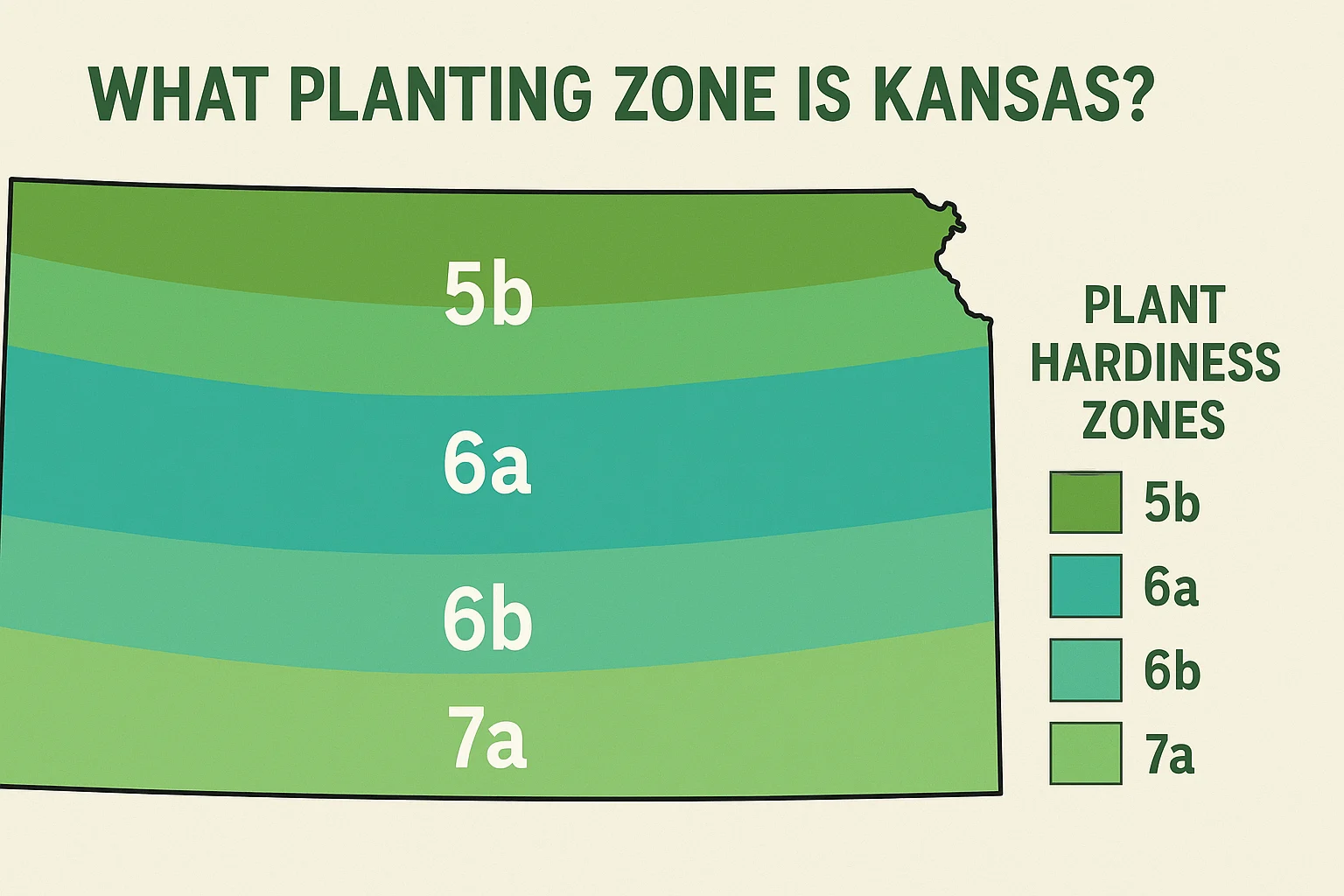
In conclusion, Kansas is not a single planting zone but a mosaic of zones, predominantly ranging from Zone 6 in the north and west to Zone 7 in the south and east. By understanding these designations, gardeners can make informed decisions about which plants will thrive in their specific region. However, it is essential to remember that the USDA zones are a guideline. Local microclimates, soil conditions, sunlight, and water availability all play a significant role in gardening success. By combining zone knowledge with local observation, consulting with agricultural extension services, and employing sound gardening practices, residents of the Sunflower State can cultivate beautiful and productive gardens, celebrating the unique climate and rich horticultural potential of Kansas. Whether you are planting a small herb garden in Overland Park or a sprawling flower border near Dodge City, a little knowledge of your planting zone will go a long way in ensuring your efforts yield rewarding results.
LifeOutOfTheBox is a participant in the Amazon Services LLC Associates Program, an affiliate advertising program designed to provide a means for sites to earn advertising fees by advertising and linking to Amazon.com. Amazon, the Amazon logo, AmazonSupply, and the AmazonSupply logo are trademarks of Amazon.com, Inc. or its affiliates. As an Amazon Associate we earn affiliate commissions from qualifying purchases.