
For travelers based in the Mile-High City dreaming of a tropical escape, the journey to Hawaii from Denver is a common question that often precedes the planning of an unforgettable vacation. Hawaii, a paradise renowned for its pristine beaches, volcanic landscapes, and vibrant culture, might seem a world away from the Rocky Mountains, but modern aviation makes this trans-Pacific voyage more accessible than ever. Understanding the duration of this flight is crucial for managing expectations, planning your itinerary, and ensuring a smooth transition from Colorado’s high plains to the warm embrace of the Pacific. This guide will meticulously break down the flight times, factors influencing them, and essential tips for preparing for your journey from Denver International Airport to the Aloha State.

Decoding the Direct Flight Duration from Denver to Hawaii
The allure of a non-stop flight directly connecting Denver to Hawaii is undeniable for many travelers seeking efficiency and minimal travel time. While direct routes are not as plentiful as from major West Coast hubs, they do exist and offer the most straightforward path to paradise.
The Core Non-Stop Journey
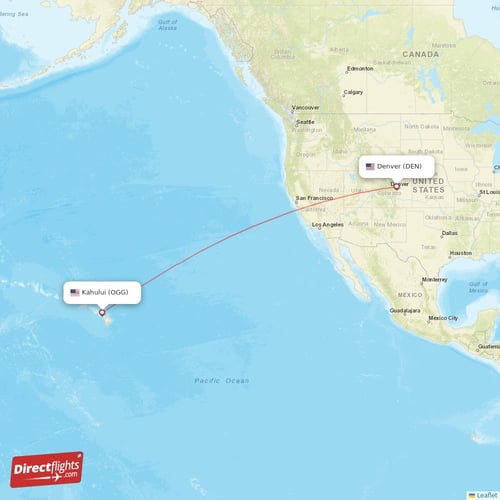
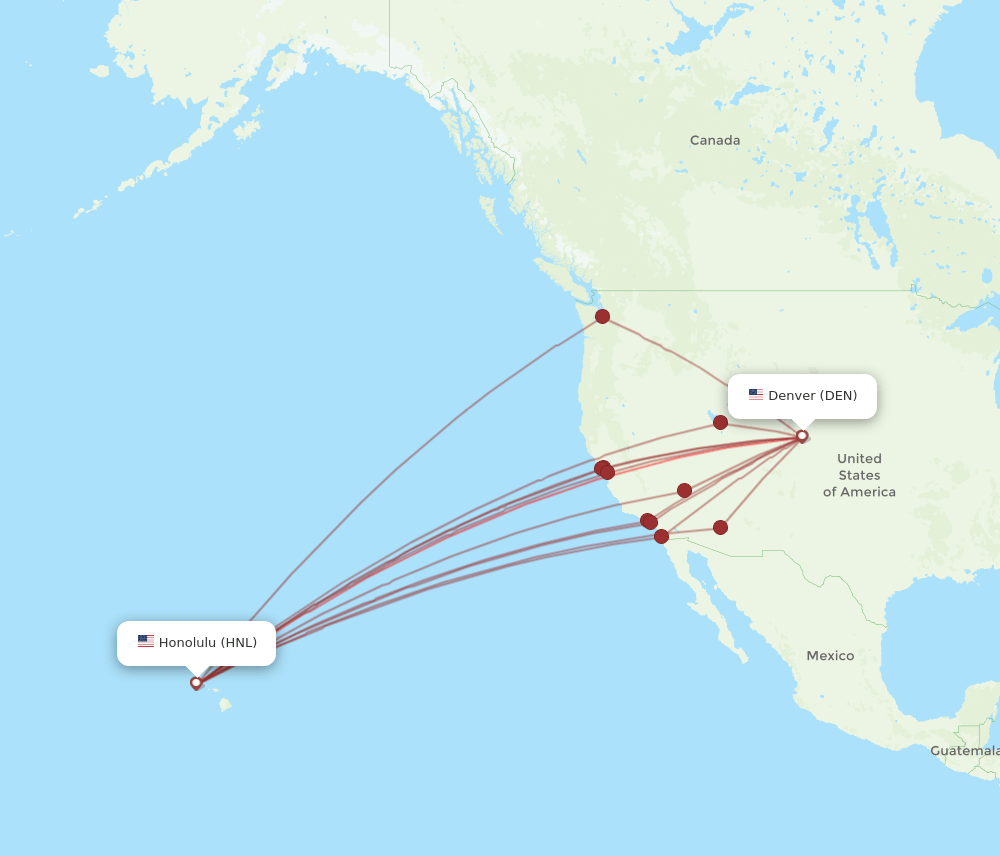
A direct flight from Denver to Hawaii typically targets one of the major Hawaiian airports. The most common destination for non-stop flights from Denver is Daniel K. Inouye International Airport (HNL) in Honolulu, located on the island of Oahu. For these direct services, the average flight time hovers around 7 hours and 15 minutes to 7 hours and 45 minutes. Flights to other islands like Maui (via Kahului Airport, OGG) or the Big Island (via Kona International Airport, KOA, or Hilo International Airport, ITO) might be slightly shorter or longer by a few minutes, depending on the specific flight path and destination. These timings represent the airborne duration, excluding boarding, taxiing, and deplaning processes.
Factors Influencing Direct Flight Times
Even for non-stop flights, several variables can subtly alter the perceived and actual flight duration. The most significant factor is often prevailing winds. Flights heading westward, from Denver to Hawaii, typically encounter headwinds, which can add 15-30 minutes to the journey. Conversely, eastbound return flights often benefit from tailwinds, making them quicker. Aircraft type also plays a role; newer, more efficient planes might maintain slightly higher cruising speeds. Furthermore, minor adjustments in air traffic control routing or weather conditions en route can lead to slight variations. Airlines like United Airlines and Southwest Airlines are common carriers offering these direct routes, and their scheduled times account for these variables, providing a reliable estimate.
Major Hawaiian Airports and Their Proximity
While Honolulu is the primary gateway, Hawaii boasts several international and inter-island airports, each serving different islands. Knowing your final destination within the archipelago is key.
- Daniel K. Inouye International Airport (HNL): Serves Oahu, home to Waikiki Beach and Pearl Harbor. Most direct flights land here.
- Kahului Airport (OGG): The main airport for Maui, famous for the Road to Hana and stunning beaches.
- Kona International Airport (KOA): Serves the western side of the Big Island (Island of Hawaii), known for its coffee farms and black sand beaches.
- Lihue Airport (LIH): The gateway to Kauai, celebrated for its lush landscapes and the Napali Coast.
- Hilo International Airport (ITO): On the eastern side of the Big Island, closer to Hawaii Volcanoes National Park.
If your ultimate destination isn’t Oahu, you’ll need to factor in an additional inter-island flight, which typically adds 30 minutes to an hour of flight time, plus layover duration.
Navigating Connecting Flights and Layover Considerations
While direct flights offer convenience, connecting flights are often more common, especially when looking for competitive pricing or specific timing. These flights involve at least one stop, usually on the West Coast, significantly extending the total travel time.
Common Layover Hubs for Hawaii-Bound Travelers
Travelers departing from Denver on a connecting flight to Hawaii will typically route through major West Coast airports. The most frequent layover hubs include:
- Los Angeles International Airport (LAX): A massive hub with numerous daily flights to all major Hawaiian islands.
- San Francisco International Airport (SFO): Another popular gateway offering a wide array of flights to Hawaii.
- Seattle-Tacoma International Airport (SEA): A viable option, particularly for travelers heading to Maui or Oahu.
- Phoenix Sky Harbor International Airport (PHX): Less common but still a possibility, especially with airlines like American Airlines.
The flight from Denver to these West Coast hubs is usually around 2 to 3 hours. The subsequent flight from the West Coast to Hawaii ranges from 5 to 6 hours, depending on the exact destination island and departure city.
Impact of Layovers on Total Travel Time
The total travel time for a connecting flight will be the sum of the flight segments plus the layover duration. A typical layover can range from 1.5 hours to 4 hours, though some itineraries might feature longer stops, sometimes even overnight, which can be an opportunity for a brief stopover experience. Therefore, a connecting flight from Denver to Hawaii can easily stretch to 10 to 14 hours or more of total travel time. This includes the time spent on the ground between flights, navigating airports, and potential delays. While longer, these flights often come with a lower price tag, making them an attractive option for budget-conscious travelers or those who don’t mind breaking up the journey.
Choosing Between Convenience and Cost
The decision between a direct and a connecting flight often boils down to a balance between convenience and cost. Direct flights, while significantly shorter in airborne time, tend to be more expensive, especially during peak travel seasons. They are ideal for travelers with limited vacation time or those who prioritize speed and simplicity. Connecting flights, on the other hand, offer more flexibility in terms of departure times and often present more affordable fares. They are suitable for travelers on a tighter budget, those who are not in a rush, or individuals who might appreciate the chance to stretch their legs and grab a meal during a layover. When booking, always check the total travel time, not just the flight durations, to get a clear picture of how long your journey will truly be. Airlines like Delta Air Lines and Alaska Airlines frequently offer connecting options through their respective hubs.
Preparing for Your Trans-Pacific Journey from the Mile-High City
Regardless of whether you choose a direct or connecting flight, preparing adequately for a journey of 7 to 14 hours is essential for comfort and enjoyment. From pre-flight logistics to managing jet lag, a little foresight goes a long way.
Essential Pre-Flight Planning Tips
Before you even step foot in Denver International Airport, a few key steps can streamline your travel experience. First, book your flights well in advance, especially if traveling during peak seasons (winter holidays, spring break, summer), to secure better fares and preferred seating. Consider purchasing travel insurance for peace of mind against unexpected cancellations or delays. Check baggage allowances and restrictions for your chosen airline, as policies can vary. Given the tropical climate of Hawaii, pack light, breathable clothing, but remember to bring layers for cooler evenings or air-conditioned cabins. Don’t forget your swimwear, sunscreen, and any necessary medications. Lastly, ensure all your travel documents (ID, boarding passes, accommodation bookings) are easily accessible, preferably in digital and physical formats.
In-Flight Comfort Strategies
A long flight demands a strategic approach to personal comfort. Hydration is paramount; drink plenty of water before and during the flight, and avoid excessive alcohol or caffeine, which can contribute to dehydration. Comfortable attire is a must – loose-fitting clothes and slip-on shoes make a difference. To combat boredom and discomfort, pack an entertainment kit: noise-canceling headphones, a fully charged tablet or e-reader with downloaded movies, books, or podcasts. Consider a neck pillow, eye mask, and earplugs for uninterrupted rest. Get up and stretch regularly or walk the aisles (when permitted) to promote circulation and prevent stiffness. Small, healthy snacks can also be a lifesaver, as airline meal services might not always align with your preferences or dietary needs.
Time Zone Adjustment and Jet Lag Management
Traveling from Denver to Hawaii involves crossing four time zones (Mountain Time to Hawaii Standard Time), meaning you “lose” four hours. This can lead to jet lag upon arrival. To minimize its effects, start adjusting your sleep schedule a few days before departure by going to bed slightly earlier. Once on the plane, immediately set your watch to Hawaii time. Try to sleep on the plane if it aligns with the Hawaiian night, and stay awake if it’s daytime. Upon arrival, expose yourself to natural light as much as possible to help reset your circadian rhythm. Avoid heavy meals and excessive alcohol on your first day, and try to stick to your regular sleep schedule even if you feel tired. A gentle walk along a beach in Kailua-Kona or Lahaina can be surprisingly effective in shaking off travel fatigue.
Beyond the Flight: Arriving in Paradise and Exploring Hawaii
Once your flight from Denver concludes and you touch down in Hawaii, a new adventure truly begins. The transition from the airport to experiencing the islands is part of the overall travel journey.
First Steps Upon Landing
After deplaning, you’ll clear any necessary agricultural inspections (all passengers arriving in Hawaii must declare any plants, animals, or agricultural products). Depending on your arrival airport, you might need to take an inter-island shuttle if your final destination is not the island you initially landed on. Pre-arranging your airport transportation is highly recommended. Options include rental cars (book well in advance, especially on Maui or Kauai), hotel shuttles, ride-sharing services, or taxis. Take a moment to breathe in the fresh, tropical air and embrace the “Aloha Spirit.” Even if you’re experiencing mild jet lag, try to hydrate and have a light meal before heading to your accommodation. Getting settled quickly allows you to maximize your precious vacation time.
An Introduction to Hawaii’s Diverse Islands
Hawaii is not a single destination but an archipelago of distinct islands, each offering unique experiences.
- Oahu: The “Gathering Place,” home to bustling Honolulu, the iconic surf breaks of the North Shore, and historical sites like Pearl Harbor and Diamond Head. Perfect for those seeking a mix of urban excitement and natural beauty.
- Maui: The “Valley Isle,” renowned for its stunning beaches, the scenic Road to Hana, and the sunrise views from Haleakala Crater. Ideal for romantic getaways and outdoor adventurers.
- Big Island (Island of Hawaii): The “Volcano Isle,” a land of dramatic contrasts with active volcanoes in Hawaii Volcanoes National Park, lush rainforests, and diverse microclimates. Great for exploring unique geology and natural wonders.
- Kauai: The “Garden Isle,” characterized by its verdant landscapes, the breathtaking Napali Coast, and the “Grand Canyon of the Pacific,” Waimea Canyon. A haven for hikers and nature lovers.
Lesser-known islands like Molokai and Lanai offer even more secluded and authentic experiences for those seeking a deeper dive into Hawaiian culture and tranquility.
Making the Most of Your Hawaiian Adventure
To truly immerse yourself in the Hawaiian experience, consider a few tips. Embrace local customs and respect the land (Aina) and culture. Try local cuisine, from fresh poke bowls to authentic luau feasts. Engage in water activities like snorkeling, surfing, or paddleboarding, taking advantage of the warm Pacific waters. Explore hiking trails, visit historical sites, or simply relax on one of Hawaii’s many world-class beaches. Remember to build in some downtime to simply soak in the atmosphere. The relaxed pace of island life is part of its charm. From the moment you board your flight in Denver until your departure from Hawaii, every step of the journey is an integral part of your adventure.
Frequently Asked Questions About Flying to Hawaii from Denver
Planning a trip to Hawaii from Denver often comes with a host of practical questions. Here are answers to some of the most common inquiries to help you finalize your travel plans.
Best Time to Book Flights
For the most economical fares, it’s generally advised to book your flight to Hawaii from Denver 2 to 6 months in advance. Prices tend to be highest during peak travel seasons, such as Christmas and New Year’s, spring break (March-April), and mid-summer (June-August). If you have flexibility, traveling during the “shoulder seasons” (late April-May or September-early November) often yields lower prices and fewer crowds. Setting up price alerts with various airlines or travel aggregators can help you snag a good deal when prices drop. Weekday flights (Tuesday, Wednesday) are often cheaper than weekend travel.
Recommended Airlines
Several major airlines offer routes from Denver to Hawaii, both direct and connecting.
- United Airlines: Often has direct flights to Honolulu and Maui from Denver, utilizing its major hub status.
- Southwest Airlines: Known for its budget-friendly fares and two free checked bags policy, Southwest offers direct flights to several Hawaiian islands from Denver.
- Delta Air Lines: Typically offers connecting flights through hubs like Salt Lake City or Seattle.
- American Airlines: Routes often include a layover in Phoenix or Los Angeles.
- Alaska Airlines: A strong contender for connecting flights via its Seattle hub.
When choosing an airline, consider not just the price, but also baggage policies, in-flight amenities, loyalty programs, and schedule flexibility.
What to Pack
Beyond the general travel essentials, packing for Hawaii requires some specific considerations:
- Lightweight, breathable clothing: Think shorts, t-shirts, sundresses.
- Swimwear: At least two suits for rotation.
- Sun protection: Reef-safe sunscreen, a wide-brimmed hat, sunglasses.
- Comfortable walking shoes/sandals: For exploring towns, beaches, and light hikes.
- Hiking shoes: If you plan on tackling more challenging trails.
- Light jacket or sweater: For cooler evenings, air-conditioned restaurants, or higher elevations (like Haleakala).
- Rain jacket or umbrella: Especially if visiting the wetter sides of the islands or during the rainy season.
- Insect repellent: Particularly if venturing into forested areas or during dusk.
- Snorkeling gear: If you prefer to have your own.
- Reusable water bottle: To stay hydrated and reduce plastic waste.
Remember to leave ample space in your luggage for souvenirs, such as macadamia nuts, coffee, or local artisan crafts from places like Hanapepe.