
The chilling isolation and grandeur of the Overlook Hotel have become synonymous with terror, forever etched into the minds of film aficionados and horror enthusiasts alike. Stanley Kubrick’s masterpiece, The Shining, based on Stephen King’s iconic novel, presents a hotel that is as much a character as the tormented individuals who inhabit it. Its sprawling architecture, snow-bound setting, and unsettling ambiance create the perfect backdrop for psychological breakdown and supernatural horror. But for those who have been captivated by the film’s eerie setting, a burning question often arises: does this imposing, isolated establishment actually exist in the real world?

The answer, as with many cinematic marvels, is nuanced. While the Overlook Hotel itself is a fictional creation, the inspiration for its terrifying presence is drawn from real-world locations, each contributing elements to the on-screen manifestation of dread. The film masterfully blends the architectural grandeur of certain lodges with the harsh, isolating beauty of the Rocky Mountains in Colorado, creating a sense of permanence and imposing nature that fuels the story.
This exploration delves into the real-world inspirations and filming locations that contributed to the unforgettable image of the Overlook Hotel, offering a journey through the landscapes and establishments that likely fueled Kubrick’s vision and have since become points of fascination for fans seeking to connect with the film on a tangible level.
The Cinematic Inspiration: A Blend of Real and Imagined
Stanley Kubrick’s genius lay in his ability to craft a believable, yet terrifying, world for his characters to inhabit. The Overlook Hotel is a testament to this. While no single, exact replica of the Overlook exists, its design and atmosphere are deeply rooted in the aesthetic of grand, historic hotels found in picturesque, often remote, natural settings, particularly within the United States.
The Architectural Echoes of the Stanley Hotel
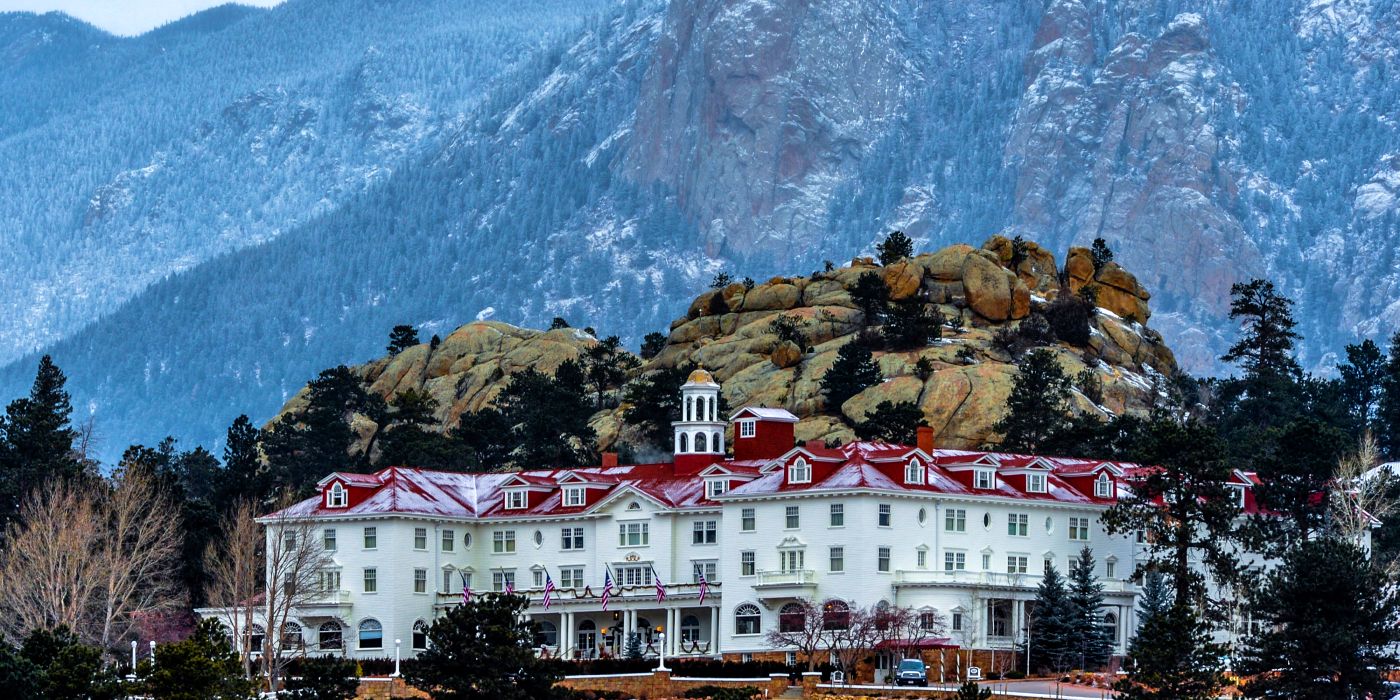
Perhaps the most widely cited and influential real-world location that inspired the Overlook Hotel is the Stanley Hotel in Estes Park, Colorado. This historic establishment, which opened its doors in 1909, shares a striking resemblance to the fictional hotel in its architectural style and its dramatic mountain setting. Built in the classic Queen Anne style, the Stanley Hotel features expansive porches, stately gables, and a commanding presence against the backdrop of the Rocky Mountains.
Stephen King himself famously stayed at the Stanley Hotel in 1974 with his wife, Tabitha. It was during this stay, in room 217, that he conceived the initial ideas for The Shining. King has often spoken about the unsettling atmosphere of the empty hotel during the off-season, the eerie silence, and the sense of history that permeated the corridors. He described feeling a profound sense of unease, which directly informed the psychological terror that would become central to his novel. The hotel’s rich history, including tales of its own ghostly inhabitants and mysterious occurrences, further fueled King’s imagination, providing fertile ground for the supernatural elements of his story.
While the exterior shots in Kubrick’s film do not feature the Stanley Hotel, the interior spaces, particularly the grand lobby and hallways, bear a strong resemblance to the actual hotel’s layout and décor. The sense of spaciousness, the ornate furnishings, and the overall ambiance of old-world charm, tinged with an underlying melancholy, are all elements that echo the Stanley Hotel’s own character. It’s a place that feels both welcoming and deeply mysterious, a duality that the Overlook Hotel embodies so perfectly.
The Stanley Hotel has since embraced its connection to The Shining, becoming a pilgrimage site for fans of the film. It offers guided ghost tours, holds “Shining” themed events, and even has a bar named the “Rendezvous Lounge,” inspired by a similar name in the film. Visitors can still book stays in room 217, the very room that is said to have inspired King’s chilling narrative.
The Impressive Scope of the Ahwahnee Hotel
Another significant influence on the visual representation of the Overlook Hotel is the Ahwahnee Hotel, located within Yosemite National Park in California. This magnificent lodge, a National Historic Landmark, is renowned for its grandeur, rustic elegance, and breathtaking setting. Designed by architect Gillespie, the Ahwahnee boasts massive stone fireplaces, soaring wooden beams, and expansive windows that offer unparalleled views of the surrounding natural beauty.
The sheer scale and architectural ambition of the Ahwahnee Hotel likely contributed to Kubrick’s vision of the Overlook as a place of immense, almost overwhelming, size and opulence. The way the Ahwahnee integrates seamlessly into the natural landscape, yet stands as a proud testament to human endeavor, mirrors the imposing stature of the Overlook. Kubrick was known for his meticulous attention to detail in set design, and it’s easy to see how the visual vocabulary of the Ahwahnee – its sense of history, its luxurious yet somewhat austere interiors, and its dramatic location – would have appealed to his aesthetic sensibilities.
While the Ahwahnee Hotel was not used as a filming location for The Shining, its architectural style and its position as a grand hotel within a magnificent natural park undoubtedly informed the design and feel of the fictional Overlook Hotel. The Ahwahnee represents the epitome of the grand mountain lodge, a category of accommodation that the Overlook both belongs to and perverts for its own terrifying purposes.
Filming Locations: The Illusion of Isolation
Despite the strong real-world inspirations, Stanley Kubrick made a deliberate choice not to film The Shining at either the Stanley Hotel or the Ahwahnee Hotel. Instead, he opted for a unique approach that involved constructing elaborate sets and utilizing different locations to create the illusion of the isolated Overlook Hotel. This decision allowed him greater creative control over the film’s visual narrative and its unsettling atmosphere.
The Exterior: A Composite Image
The iconic exterior shots of the Overlook Hotel, particularly the sweeping aerial views that establish its isolation, were not filmed at a single, existing location. Kubrick employed a combination of techniques to create this memorable image. The imposing, snow-covered mountain setting was primarily achieved through the use of the Timberline Lodge on Mount Hood in Oregon.
The Timberline Lodge, a historic ski lodge built during the Great Depression, served as the exterior stand-in for the Overlook. Its rugged architecture and its dramatic placement on the slopes of Mount Hood provided the perfect visual for the isolated mountain hotel. However, to enhance the sense of remoteness and the chilling winter conditions, Kubrick utilized a miniature model of the Timberline Lodge and superimposed it onto shots of the vast San Juan Mountains in Colorado. This created the impression of a standalone, inaccessible hotel buried in snow, a crucial element in establishing the film’s claustrophobic and menacing atmosphere.
The famous hedge maze, a key element in the film’s climactic scenes, was also a real construction. It was built on a replica of the Overlook’s exterior, which was created at Elstree Studios in England. This allowed the actors to perform within the maze without the logistical challenges of filming in a remote, real-world location.
The Interiors: Crafted on Soundstages
The vast majority of the interior scenes of the Overlook Hotel were not filmed on location but were meticulously constructed on soundstages at Elstree Studios in Hertfordshire, England. This was a deliberate choice by Kubrick to exert complete control over the visual presentation of the hotel. He wanted to ensure that the hotel’s interiors felt both grand and unsettling, reflecting the psychological state of its inhabitants.
The most famous interior set is the main lobby and its iconic gold ballroom. These sets were designed to evoke a sense of faded grandeur, with plush carpets, ornate chandeliers, and imposing furniture. The famous carpet pattern, a swirling geometric design, has become as recognizable as the hotel itself. The hallways, with their labyrinthine design and echoing emptiness, were also painstakingly crafted to enhance the feeling of disorientation and dread.
The infamous room 237 (which corresponds to room 217 in Stephen King’s novel, a change made by Kubrick to avoid discouraging guests from staying in a real hotel room) was also a set. The unsettling bathroom scenes were filmed within this constructed environment, allowing Kubrick to achieve the specific lighting and visual effects required for the horrifying encounter.
The decision to build the interiors on soundstages meant that Kubrick could manipulate space and perspective to his will. He could create endless corridors that stretched beyond what would be physically possible in a real hotel, further contributing to the surreal and nightmarish quality of the film. The controlled environment of the studio allowed for precise lighting, camera angles, and the subtle inclusion of disturbing visual cues that might have been difficult to achieve on location.

The Legacy of the Overlook Hotel
The Overlook Hotel, though a product of cinematic artifice and inspired by real places, has achieved a life of its own in popular culture. It stands as a powerful symbol of isolation, madness, and the supernatural. Its presence in The Shining is so potent that it has transcended the boundaries of film and become a cultural touchstone.
For travelers and film enthusiasts, the connection to the Stanley Hotel, the Timberline Lodge, and even the architectural style of the Ahwahnee Hotel offers a unique way to engage with the film. Visiting these locations allows fans to walk in the footsteps of Stephen King’s inspiration or to see the real-world places that provided the visual cues for Kubrick’s terrifying vision.
Whether you’re seeking to experience the chilling ambiance that inspired the story at the Stanley Hotel, or to admire the majestic mountain lodge architecture that contributed to the Overlook’s imposing presence at the Timberline Lodge or the Ahwahnee Hotel, these destinations offer a tangible link to one of cinema’s most iconic and terrifying settings. They remind us that sometimes, the most haunting stories are born from the echoes of reality, twisted and amplified by the power of imagination.
LifeOutOfTheBox is a participant in the Amazon Services LLC Associates Program, an affiliate advertising program designed to provide a means for sites to earn advertising fees by advertising and linking to Amazon.com. Amazon, the Amazon logo, AmazonSupply, and the AmazonSupply logo are trademarks of Amazon.com, Inc. or its affiliates. As an Amazon Associate we earn affiliate commissions from qualifying purchases.