
The journey from Miami, Florida, to Key West, Florida, is more than just a measurement of distance; it’s an iconic American road trip, a scenic adventure that transports travelers from the bustling urban landscape of South Florida to the tranquil, bohemian charm of the southernmost point in the United States. This route, renowned for its breathtaking views of turquoise waters and lush islands, is a destination in itself, offering an unforgettable experience through the heart of the Florida Keys. Understanding the distance and the nuances of this trip is crucial for anyone planning to embark on this tropical escapade.
The Iconic Journey: Bridging Mainland Florida to the Southernmost Point
The trip to Key West from Miami is a passage through a unique ecosystem and a testament to engineering marvels. It’s a route that captures the essence of coastal living, where the pace slows down, and the worries of the mainland seem to dissipate with every mile driven south.
Understanding the Distance: Miles and Kilometers
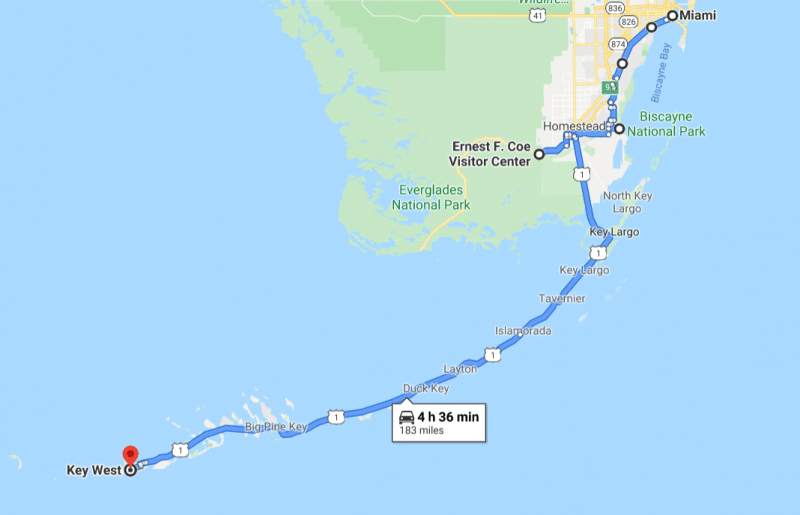
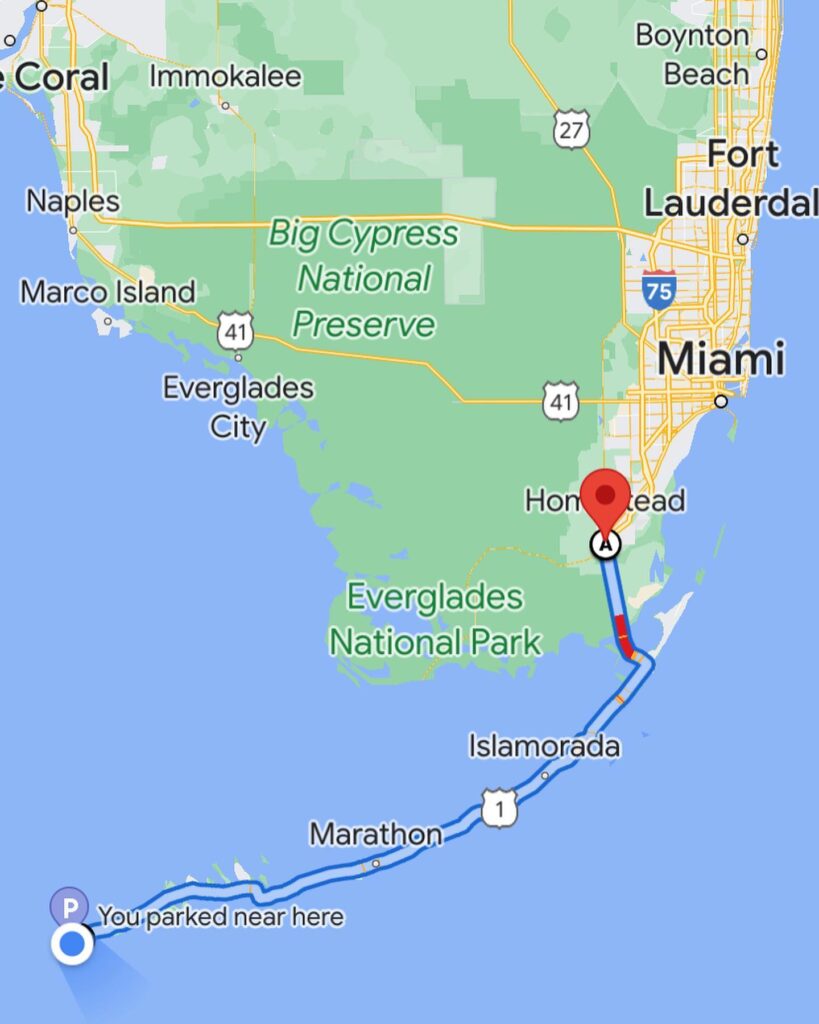
Geographically, the distance between Miami and Key West is approximately 160 miles (about 257 kilometers) via the Overseas Highway (U.S. Route 1). While this might not seem like an exceptionally long distance on paper, the unique nature of the route, traversing dozens of islands and bridges, makes it a journey that typically takes longer than a standard highway drive. The actual driving time, without significant stops, usually ranges from 3.5 to 4 hours. However, factoring in traffic, particularly around the Miami metropolitan area or during peak tourist seasons in the Keys, and the inevitable desire to stop and admire the scenery, a more realistic expectation for travel time is between 4 to 6 hours. This estimate often includes brief pauses for fuel, snacks, or simply to stretch one’s legs while soaking in the panoramic views.
The Allure of the Florida Keys Scenic Highway
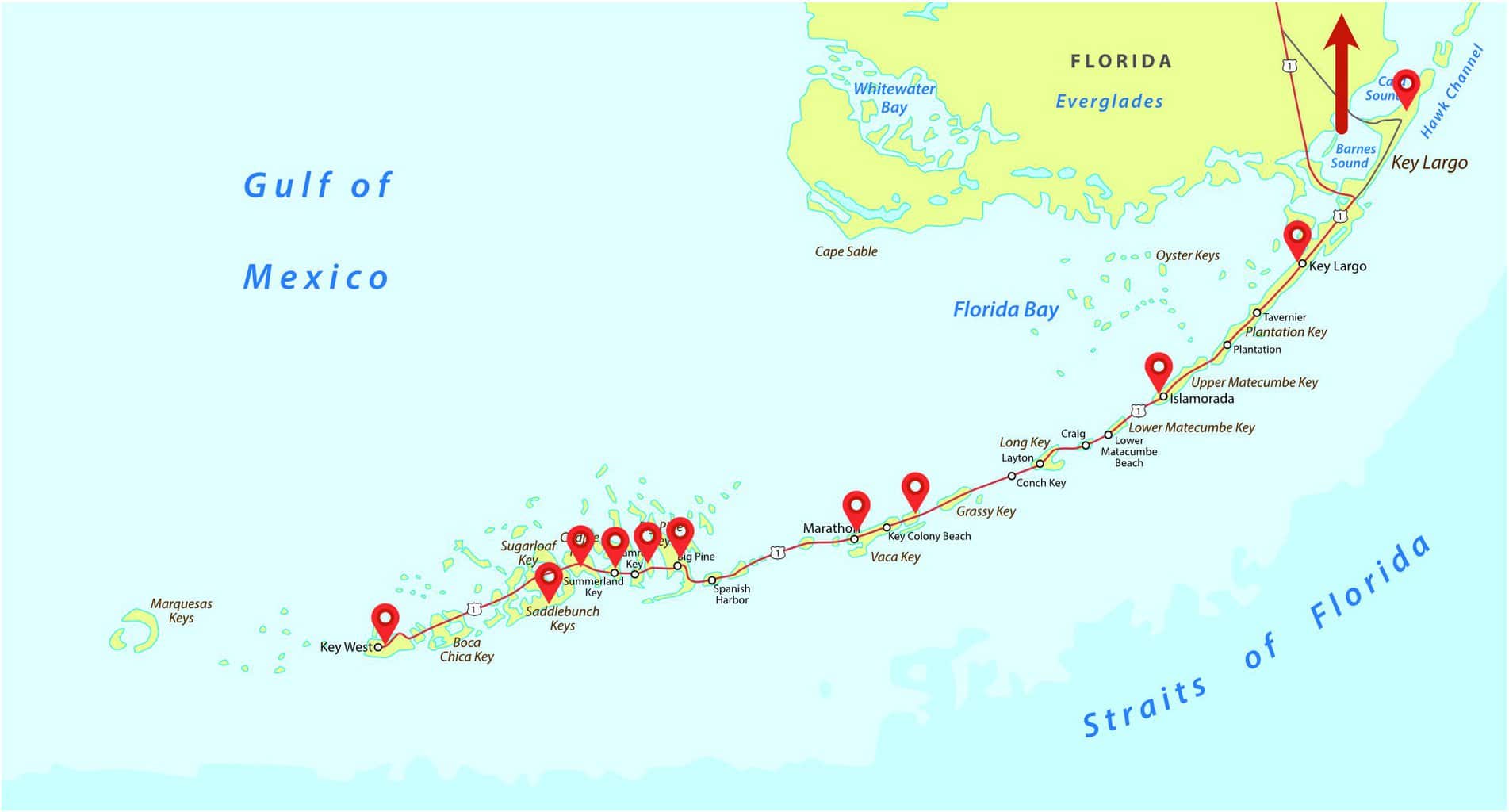
The primary route connecting Miami to Key West is the legendary Overseas Highway. This engineering marvel isn’t just a road; it’s a designated All-American Road and a marvel of human ingenuity, built largely on the remnants of Henry Flagler’s Overseas Railroad. It strings together 42 bridges over open water, offering unparalleled views of the Atlantic Ocean on one side and the Gulf of Mexico on the other. This highway is the lifeblood of the Florida Keys, connecting a string of vibrant islands, each with its own distinct character, from the lively nightlife of Key Largo to the laid-back charm of Islamorada and the family-friendly attractions of Marathon. The journey itself becomes an integral part of the Key West experience, transforming a simple drive into an immersive exploration of coastal Florida’s beauty.
Navigating the Route: Modes of Transportation and Travel Times
While the Overseas Highway is the common thread, travelers have several options for making their way from Miami to Key West, each offering a different blend of convenience, cost, and scenic enjoyment.
Driving: The Most Popular Choice
Renting a car and driving yourself remains the overwhelmingly popular choice for this route. It offers the ultimate freedom to explore at your own pace, stop whenever a captivating vista or charming roadside attraction catches your eye, and truly soak in the unique atmosphere of the Keys.
Driving Times and Conditions
As mentioned, a direct drive without stops typically takes 3.5 to 4 hours. However, this is an optimistic estimate. Traffic can be a significant factor, especially during weekends, holidays, or peak tourist season (typically November through April). The highway through the Keys is predominantly a two-lane road in each direction, and accidents or unexpected roadwork can cause considerable delays. It’s advisable to check traffic conditions before departing, especially if you have a tight schedule. Early morning departures from Miami are often recommended to avoid the heaviest congestion.
Key Stops Along the Way
Part of the magic of the drive is discovering the numerous gems along the way. Here are a few must-consider stops:
- Key Largo: The “Diving Capital of the World,” home to John Pennekamp Coral Reef State Park, offering snorkeling and glass-bottom boat tours.
- Islamorada: Known as the “Sportfishing Capital of the World,” a great place to stop for fresh seafood and visit attractions like the Dolphin Research Center or the Theater of the Sea.
- Marathon: Home to the famous Seven Mile Bridge, the Turtle Hospital, and beautiful beaches.
- Bahia Honda State Park: Often cited as having some of the most beautiful beaches in Florida, perfect for a swim or picnic.
Alternative Transportation: Buses and Shuttles
For those who prefer not to drive, or who want to sit back and enjoy the scenery without the stress of navigating, several bus and shuttle services operate daily between Miami and Key West. Companies like Greyhound or dedicated Keys shuttle services offer comfortable rides, often equipped with amenities like Wi-Fi and power outlets. Travel times for these services are usually similar to driving, ranging from 4 to 6 hours, depending on the number of stops. This option is generally more budget-friendly than flying and allows travelers to avoid parking challenges in Key West, where parking can be scarce and expensive.
Flying: The Fastest, Though Less Scenic, Option
The quickest way to get from Miami to Key West is by air. Key West International Airport (EYW) serves the island, with direct flights available from Miami International Airport (MIA). The flight time itself is incredibly short, often around 45 minutes to an hour. However, when factoring in travel to and from airports, security checks, and potential delays, the total door-to-door travel time might not be significantly less than a direct drive on a good day. Flying bypasses the scenic beauty of the Overseas Highway, making it a less desirable option for those who prioritize the journey itself. It’s often chosen by business travelers or those with very limited time.
The Unforgettable Road Trip Experience
The journey from Miami to Key West is truly an experience, not just a means of getting from point A to point B. It’s an opportunity to connect with the unique character of the Florida Keys.
Architectural Marvels: The Overseas Highway and Seven Mile Bridge
The road itself is a wonder. The Overseas Highway gracefully arches over vast expanses of emerald and sapphire waters, creating a sense of driving on the sea. The crown jewel of this route is the Seven Mile Bridge in Marathon. As one of the longest segmental bridges in the world, driving across it offers panoramic views that stretch to the horizon, making it a truly humbling and exhilarating experience. Alongside the modern bridge, the remnants of Flagler’s historic railroad bridge stand as a testament to early 20th-century engineering, adding a layer of historical intrigue to the journey.
Natural Wonders: Marine Life and Coastal Views
The entire drive is framed by the natural beauty of the Florida Keys. The shallow, clear waters teem with marine life, and it’s not uncommon to spot dolphins, rays, or various bird species from the highway. The changing hues of the water, from deep indigo to iridescent turquoise, create a mesmerizing backdrop. Stopping at various points allows travelers to explore pristine beaches, delve into protected mangrove forests, or even try a bit of fishing or kayaking in the calm waters. The commitment to preserving this unique ecosystem is evident throughout the Keys, with numerous state parks and wildlife refuges easily accessible from the highway.
Island Hopping: Discovering the Charm of the Keys
Each island chain in the Keys has its own distinct personality. Key Largo offers world-class diving and a vibrant, albeit relaxed, atmosphere. Islamorada is a haven for anglers and boasts charming boutique shops and galleries. Marathon provides a balance of tourist amenities and local flavor, while the Lower Keys offer a quieter, more rustic escape before reaching the bustling energy of Key West. Taking the time to explore these individual islands transforms the drive into a multi-day adventure, allowing travelers to savor the unique culture and natural beauty that define the entire archipelago.
Preparing for Your Trip: Essential Tips
A little preparation can go a long way in ensuring your Miami to Key West journey is smooth and enjoyable.
Best Time to Travel
The peak tourist season in the Florida Keys is typically from November to April, characterized by pleasant, dry weather and lower humidity. While this is an ideal time for weather, it also means higher prices and more crowded conditions on the road and at attractions. The shoulder seasons (May, early June, and October) can offer a good balance of agreeable weather and fewer crowds. Summer months (July-September) are hot, humid, and fall within hurricane season, but also offer the lowest prices and a more relaxed atmosphere for those who don’t mind the heat.
Accommodation Considerations
Given the popularity of Key West and the surrounding Keys, booking accommodations well in advance is highly recommended, especially during peak season. Options range from luxury resorts and charming guesthouses to budget-friendly motels and vacation rentals. If you plan to make multiple stops, consider booking different hotels on different islands to experience the full diversity of the Keys.
Packing Essentials
For a trip to Key West, essentials include lightweight clothing, swimwear, sunscreen, insect repellent, a wide-brimmed hat, and sunglasses. Don’t forget comfortable walking shoes for exploring the charming streets of Key West and water shoes if you plan to wade in the ocean or explore rocky shorelines. A camera is a must to capture the stunning scenery, and a good playlist or audiobook can enhance the driving experience.
Arrival in Key West: What Awaits
After traversing the Overseas Highway, you’ll finally arrive in Key West, a destination unlike any other in the United States.
Historic Charm and Cultural Richness
Key West is renowned for its unique blend of Caribbean influence, bohemian spirit, and rich history. Its streets are lined with charming Victorian architecture, lush gardens, and a vibrant arts scene. The island has been a haven for writers, artists, and free spirits for centuries, a legacy that is palpable in its laid-back yet lively atmosphere. From the quirky characters that roam Duval Street to the historic homes and museums, Key West offers a deep dive into a distinctive slice of American culture.
Must-See Attractions and Activities
Upon arrival, visitors have a plethora of activities to choose from. A visit to the Southernmost Point Buoy is almost obligatory for a photo opportunity. Explore the former home of literary giant Ernest Hemingway Home and Museum, or delve into maritime history at the Key West Shipwreck Museum. No trip is complete without experiencing the nightly sunset celebration at Mallory Square, where street performers, artisans, and food vendors gather to bid farewell to the day. For those seeking adventure, snorkeling, diving, fishing charters, and even day trips to the remote Dry Tortugas National Park are readily available, ensuring that every traveler finds something to captivate their interest in this enchanting island paradise.
In conclusion, the distance from Miami to Key West is approximately 160 miles, a journey that typically takes 3.5 to 6 hours by car, depending on traffic and stops. However, this trip is far more than a simple calculation of miles and minutes. It is a quintessential Florida experience, a passage through a breathtaking landscape that merges natural beauty with human ingenuity, culminating in the vibrant and historic destination of Key West. Whether driven for speed or savored for its scenic charm, the route promises an adventure that lingers long after the engine is turned off.
LifeOutOfTheBox is a participant in the Amazon Services LLC Associates Program, an affiliate advertising program designed to provide a means for sites to earn advertising fees by advertising and linking to Amazon.com. Amazon, the Amazon logo, AmazonSupply, and the AmazonSupply logo are trademarks of Amazon.com, Inc. or its affiliates. As an Amazon Associate we earn affiliate commissions from qualifying purchases.