
For many, owning a car in California isn’t just a convenience; it’s a quintessential part of the California lifestyle. The freedom to traverse iconic Pacific Coast Highway, explore the vineyards of Napa Valley, or navigate the bustling streets of Los Angeles is deeply woven into the fabric of life in the Golden State. Whether you’re a long-term resident upgrading your vehicle, a new arrival establishing roots, or managing assets for a business presence, understanding the process of transferring a car title in California is an essential administrative step. It ensures legal ownership, facilitates insurance, and keeps you compliant with state regulations, allowing you to fully embrace your chosen California lifestyle without bureaucratic hiccups.

This comprehensive guide will demystify the process, offering clear, insightful steps to ensure a smooth and professional title transfer experience. We’ll delve into the necessary documentation, the role of the Department of Motor Vehicles (DMV), and various scenarios you might encounter, equipping you with the knowledge to handle this crucial aspect of vehicle ownership in California.
Understanding the California Car Ownership Lifestyle
The car isn’t merely transportation in California; it’s an extension of one’s personal and professional lifestyle. From daily commutes across expansive urban landscapes to weekend adventures in nature, a reliable vehicle is key. However, this freedom comes with responsibilities, one of the most fundamental being proper vehicle ownership documentation.
Why Title Transfer Matters for Your California Lifestyle
Proper title transfer is the legal acknowledgment of who owns a vehicle. This seemingly simple administrative task has far-reaching implications for your California lifestyle. Incorrect or delayed transfers can lead to significant headaches, including:
- Legal Ownership Disputes: Without a correctly transferred title, proving you are the rightful owner can become challenging, especially if the original owner becomes uncooperative or unreachable. This can impact your ability to sell the car, register it, or even claim it if stolen.
- Registration and Insurance Issues: The California DMV requires a valid title in your name to issue registration and license plates. Insurance companies also rely on clear ownership to process claims, protecting your financial assets in case of an accident.
- Liability Concerns: If the title hasn’t been properly transferred, the previous owner could still be held liable for parking tickets, tolls, or even accidents involving the vehicle, creating unnecessary legal entanglements for all parties involved.
- Resale Value and Future Transactions: A clean, properly transferred title is crucial when you decide to sell your vehicle. Buyers expect a straightforward transaction, and any title discrepancies can significantly reduce the car’s market value or deter potential purchasers altogether.
Ensuring your title is correctly transferred is a proactive step that safeguards your investment, maintains legal compliance, and allows you to enjoy your driving lifestyle in California with complete peace of mind.
Key Scenarios for Title Transfer in California
Title transfer isn’t a one-size-fits-all process. The requirements can vary depending on the circumstances of the ownership change. Understanding these common scenarios will help you prepare accordingly:
- Buying a Vehicle from a Private Party: This is one of the most common situations. As the buyer, you’ll need to ensure the seller properly signs off on the title, and you’ll complete your portion of the transfer.
- Selling a Vehicle to a Private Party: As the seller, your responsibility is to accurately complete the title and provide all necessary disclosures to the buyer, protecting yourself from future liability.
- Receiving a Vehicle as a Gift: Gifting a vehicle requires specific paperwork, including a Statement of Facts (Form REG 256) to clarify the relationship and intent, which can sometimes exempt the recipient from use tax.
- Inheriting a Vehicle: When a vehicle owner passes away, their beneficiaries or the executor of their estate must transfer the title. This often involves additional legal documents like a death certificate, letters of administration, or a small estate affidavit.
- Adding or Removing an Owner: If you’re adding a spouse or family member to the title, or removing one due to divorce or other reasons, a specific transfer process is required, potentially involving notarized signatures.
- Out-of-State Vehicles Moving to California: For those embracing the California lifestyle and bringing their car from another state, a title transfer is part of the comprehensive vehicle registration process, including emissions testing and VIN verification.
Each scenario has distinct requirements, and being prepared with the correct forms and information is key to a smooth process.
The Step-by-Step Guide to a Smooth Transfer
Navigating bureaucracy can feel daunting, but breaking down the title transfer process into manageable steps makes it straightforward. Whether you’re in vibrant San Francisco or sunny San Diego, the DMV procedures remain consistent.
Gathering Your Essential Documents
Before you even think about visiting the DMV, ensure you have all the necessary paperwork. This preparation is crucial for avoiding multiple trips and delays.
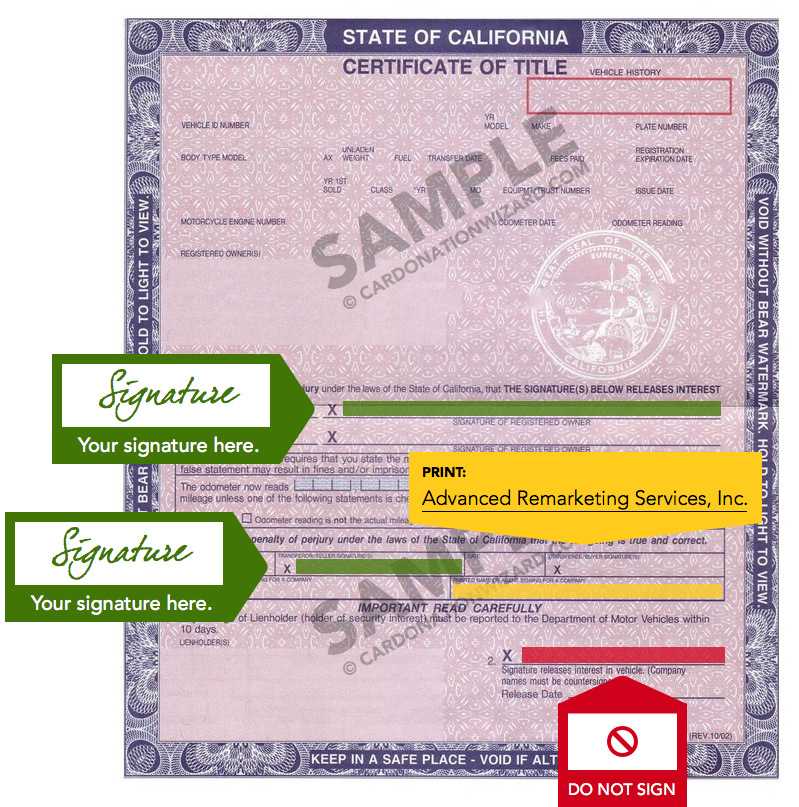
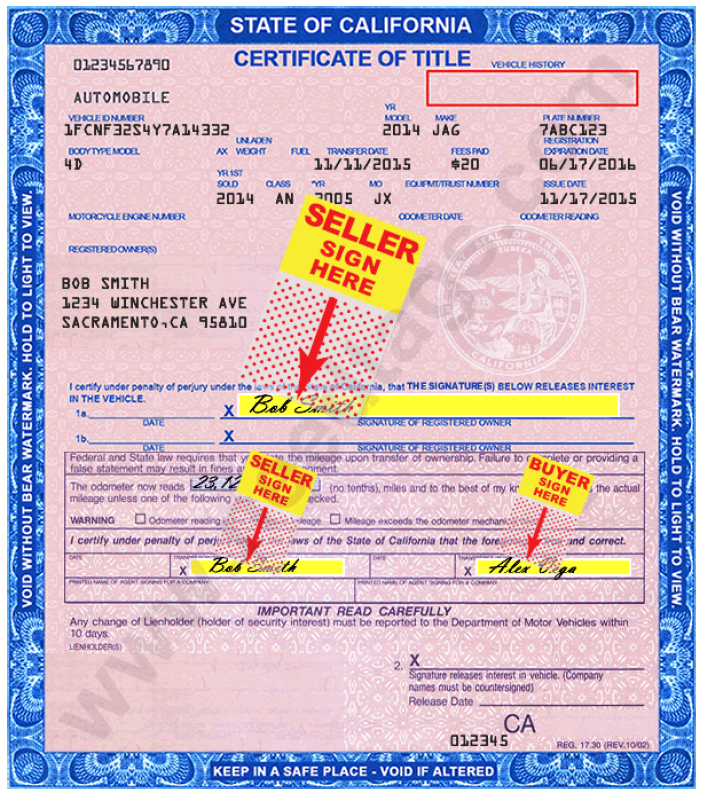
- The California Certificate of Title: This is the most critical document. It must be signed by the seller (if applicable) and, in some cases, by the buyer. Ensure the vehicle information (VIN, make, model) matches exactly. If the title is lost, the registered owner must apply for a duplicate title using an Application for Duplicate Title (REG 227).
- Bill of Sale (Form REG 262 or equivalent): While not always strictly required if the title is properly endorsed, a Bill of Sale provides crucial details about the transaction, including the purchase price, date of sale, and signatures of both buyer and seller. It’s particularly important for establishing sales tax liability and protecting both parties.
- Smog Certification: Most vehicles require a valid smog certificate (issued within 90 days of the sale) unless they are exempt (e.g., gasoline-powered vehicles model year 1975 or older, electric vehicles, diesel vehicles 1997 and older, or natural gas vehicles). The seller is generally responsible for providing this.
- Odometer Disclosure: For vehicles less than 10 years old, the odometer reading must be disclosed on the title or a separate form (e.g., Vehicle/Vessel Transfer and Reassignment Form, REG 262). This is typically signed by both buyer and seller.
- Statement of Facts (REG 256): This form is used in various situations, such as declaring a vehicle was received as a gift (to potentially avoid use tax) or explaining why a smog certificate isn’t available.
- Application for Title or Registration (REG 343): This form is completed by the new owner to formally apply for the title and registration.
- Proof of Insurance: California requires all registered vehicles to carry minimum liability insurance. You’ll need to provide proof of insurance to the DMV.
- Identification: A valid California Driver’s License or ID card is required for the new owner.
Having these documents meticulously organized before your DMV visit will significantly expedite the process.
Navigating the DMV Process
With your documents in hand, the next step is to interact with the DMV. The California DMV is known for its extensive network, with offices from Sacramento to San Jose.
- Seller’s Responsibilities: If you are the seller, you must notify the DMV within 5 calendar days of selling or transferring your vehicle. This is done by completing a Notice of Transfer and Release of Liability (NRL, REG 138), which can be done online. This form absolves you of liability for the vehicle after the sale date.
- Buyer’s Responsibilities: As the buyer, you generally have 10 calendar days from the date of purchase to complete the title transfer at the DMV.
- Visit a DMV Office: Schedule an appointment online or prepare for potential wait times.
- Submit Documents: Present all the gathered documents, including the signed title, Bill of Sale, smog certificate, and application forms.
- Pay Fees: Be prepared to pay applicable fees (registration, transfer, sales/use tax).
- Vehicle Identification Number (VIN) Verification: If you’re bringing a vehicle from out of state or if the DMV requests it, a DMV employee or authorized third party will verify the VIN.
- Receive New Title and Registration: Once processed, you’ll typically receive temporary registration, and your new title certificate will be mailed to you.
Special Considerations for Different Lifestyles
The California lifestyle is diverse, and so are the scenarios requiring title transfer.
- For New Residents: If you’re moving to California and bringing your vehicle, you generally have 20 days to register it. You’ll need an out-of-state title, proof of insurance, a smog certificate, and potentially a VIN verification.
- For Businesses: Companies operating in California and transferring vehicle titles for fleet management or business use follow similar procedures but may involve different entity names and authorized signatory forms.
- Luxury Vehicles and Special Plates: Owners of luxury vehicles or those seeking personalized license plates will follow the same title transfer steps, with additional fees for specific plates or potentially higher sales tax due to the vehicle’s value.
- Gifts Between Family Members: While you still complete the transfer process, filing a Statement of Facts (REG 256) can exempt you from the use tax typically assessed on vehicle purchases.
Understanding these specific nuances ensures that your title transfer aligns perfectly with your individual or business lifestyle needs in California.
Costs, Fees, and Timelines: Budgeting for Your California Vehicle
Successfully integrating a vehicle into your California lifestyle also means understanding the financial obligations associated with its ownership. Title transfer comes with various fees, and knowing these in advance helps in budgeting and avoiding surprises.
Understanding California Title Transfer Fees
The cost of transferring a title in California isn’t a single flat fee. It comprises several components:
- Transfer Fee: This is a fixed fee for the actual transfer of ownership.
- Registration Fee: Annual registration fees apply, and often a portion of these are collected during the transfer process if the registration is due or was recently renewed by the seller.
- California Highway Patrol (CHP) Fee: A small fee contributing to CHP operations.
- Vehicle License Fee (VLF): This is an annual fee calculated based on the vehicle’s market value, which depreciates over time.
- Sales/Use Tax: This is often the largest cost. If you purchase a vehicle from a dealer, sales tax is collected at the point of sale. If you buy from a private party, you pay “use tax” to the DMV during the title transfer. This tax is based on the purchase price or the vehicle’s market value, whichever is higher, and the tax rate of the county where you reside. Exceptions apply for gifts (using REG 256).
- Emissions Fee: A small fee for smog abatement.
- Optional Fees: You might incur additional fees for personalized plates, duplicate titles, or if you opt for expedited services.
It’s highly recommended to use the DMV’s online fee calculator or contact them directly for an accurate estimate based on your specific vehicle and situation.
Avoiding Penalties and Delays
Timeliness is paramount in California vehicle title transfers. Both buyers and sellers have deadlines, and missing them can result in penalties that unnecessarily impact your budget and lifestyle.
- Buyer Penalties: As a buyer, failing to transfer the title within 10 days of purchase can lead to significant late fees. These penalties accrue quickly, adding an avoidable burden to your new vehicle ownership.
- Seller Penalties: While the DMV primarily focuses on buyers for late transfer fees, sellers who fail to submit the Notice of Transfer and Release of Liability (REG 138) within 5 days risk being held responsible for tickets, tolls, and even accidents involving the vehicle after they’ve sold it. This liability can be a major disruption to your peace of mind.
- Incomplete Documentation: The most common cause of delays is incomplete or incorrect documentation. Ensure all forms are filled out accurately, signatures are in the correct places, and all required supporting documents (like smog certificates) are current and valid. A single missing signature or expired certificate can halt the entire process.
Proactive completion of paperwork and adherence to deadlines are critical for a seamless experience, ensuring your California driving lifestyle begins or continues without administrative stress.
Beyond the Transfer: Maintaining Your California Driving Lifestyle
Once your car title is successfully transferred, you’ve cleared a major hurdle. However, maintaining your California driving lifestyle involves ongoing responsibilities beyond the initial paperwork.
Insurance and Registration Essentials
- Continuous Insurance Coverage: California law mandates continuous liability insurance for all registered vehicles. Ensure your insurance policy is updated with your new ownership details immediately after the title transfer. Lapses in coverage can result in hefty fines and vehicle impoundment.
- Annual Registration Renewal: Vehicle registration must be renewed annually. The DMV will send you a renewal notice, typically a few months before your registration expires. This process often includes paying updated registration fees and ensuring your vehicle has passed its required smog inspection if applicable. You can renew online, by mail, or in person.
- Proof of Registration: Always keep your current registration card and proof of insurance in your vehicle. These documents are often requested during traffic stops or in the event of an accident.
Keeping Up with California Regulations
California has some of the most stringent vehicle regulations in the country, reflecting its commitment to environmental quality and public safety. Staying informed is vital for a responsible driving lifestyle.
- Smog Check Requirements: Understand your vehicle’s specific smog check requirements. Most gasoline vehicles 1976 and newer (and diesel vehicles 1998 and newer) require a biennial smog inspection, often coinciding with your registration renewal. Failure to pass or get a required smog check will prevent you from renewing your registration.
- Vehicle Modifications: Be aware of legal restrictions on vehicle modifications. Certain aftermarket parts or alterations to exhaust systems and engine components may not comply with California emissions or safety standards.
- Driving Laws: Stay updated on California’s driving laws, including rules regarding cell phone use, speed limits, and new traffic ordinances. Resources from the DMV and CHP are invaluable for this.
By diligently managing these ongoing responsibilities, you not only comply with the law but also contribute to a safer, cleaner environment, ensuring that your vehicle ownership remains a seamless and enjoyable part of your dynamic California lifestyle. A well-managed vehicle means more time enjoying the open roads and less time dealing with administrative burdens, letting you fully immerse yourself in all the Golden State has to offer.
LifeOutOfTheBox is a participant in the Amazon Services LLC Associates Program, an affiliate advertising program designed to provide a means for sites to earn advertising fees by advertising and linking to Amazon.com. Amazon, the Amazon logo, AmazonSupply, and the AmazonSupply logo are trademarks of Amazon.com, Inc. or its affiliates. As an Amazon Associate we earn affiliate commissions from qualifying purchases.