
The dazzling lights and non-stop entertainment of Las Vegas are iconic. It’s a city synonymous with gambling, extravagant shows, and a unique brand of American dream. But how did this desert oasis transform into the “Entertainment Capital of the World”? The story of Las Vegas is a fascinating journey from a humble watering hole to a global phenomenon, shaped by Native American trails, Spanish explorers, Mormon missionaries, railroad magnates, and ultimately, a vision of limitless possibility.
The Genesis: A Desert Oasis and Early Inhabitants
Long before the neon glow illuminated the Mojave Desert, the land that would become Las Vegas was a vital stopping point for travelers. The “Las Vegas Valley,” meaning “the meadows” in Spanish, was named for the natural springs that provided essential water in the arid landscape. These springs, fed by underground aquifers, created lush meadows that attracted wildlife and, crucially, offered respite to those traversing the vast desert.
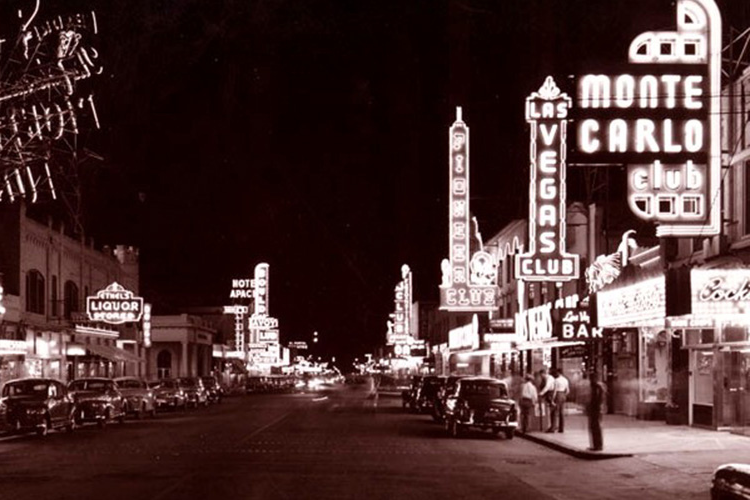
The earliest known inhabitants of this region were Native American tribes, including the Southern Paiute people. For centuries, they utilized the valley’s resources, navigating established trails that connected different parts of the region. These trails were not just pathways for survival; they represented a deep understanding of the land and its rhythms. The presence of water and fertile land made the valley a strategic location, influencing the movement of people and resources for generations.
The Spanish Expedition and the Naming of the Valley
The Spanish played a significant role in the early exploration and naming of this region. In 1776, Father Francisco Garcés, a Franciscan missionary, ventured into the area, noting the presence of water and meadows. However, it was a later Spanish expedition led by Antonio Armijo in 1829 that is often credited with giving the Las Vegas Valley its enduring name. Traveling along the Old Spanish Trail, a vital trade route connecting Santa Fe, New Mexico, with Los Angeles, California, Armijo and his caravan encountered the plentiful springs and verdant areas, christening it “Las Vegas.” This name, meaning “the meadows,” perfectly captured the essence of this life-giving oasis in the desolate desert. The Spanish Trail itself was a precursor to modern transportation routes, highlighting the valley’s enduring importance as a transit point.
Mormon Settlement and the Quest for Spiritual Refuge
The 19th century saw further attempts to establish a more permanent presence in the Las Vegas Valley. In 1855, a group of Mormon missionaries, led by William Bringhurst, arrived with the aim of establishing a settlement and a mission to the Native Americans. They were drawn by the fertile land and the potential for agriculture, seeing it as a place to build a community and practice their faith. The Mormons constructed adobe buildings, including a fort and a schoolhouse, and began cultivating crops. They named their settlement “Las Vegas,” embracing the existing Spanish moniker.
However, the Mormon settlement faced numerous challenges. The harsh desert environment, coupled with conflicts with Native Americans and supply line disruptions, proved to be too difficult to overcome. After a few challenging years, the Mormon mission was abandoned in 1858, and the settlers returned to Utah. Despite its short lifespan, the Mormon endeavor marked one of the earliest attempts at sustained habitation in the Las Vegas Valley, leaving behind a small but significant footprint in its history. This early settlement, though ultimately unsuccessful, foreshadowed the resilience and pioneering spirit that would later define the region.

The Railroad Arrives: A Catalyst for Growth
The true turning point for Las Vegas arrived with the advent of the railroad. In the early 20th century, the San Pedro, Los Angeles & Salt Lake Railroad (later part of the Union Pacific Railroad) began planning a route through the Mojave Desert. Recognizing the strategic importance of the Las Vegas Valley as a water source and a natural stopping point, the railroad company acquired a significant portion of land. In 1905, a land auction was held by the railroad company, formally establishing the town of Las Vegas.
This event was pivotal. The railroad brought with it an influx of workers, supplies, and the promise of commerce. Las Vegas became a crucial refueling and rest stop for trains traveling between Salt Lake City and Los Angeles. The town began to grow, with the establishment of businesses, saloons, and boarding houses to cater to the railroad workers and travelers. The presence of the railroad transformed Las Vegas from a remote desert outpost into a burgeoning community with a direct connection to the outside world. This accessibility was the foundation upon which future development would be built.
The Rise of Gambling and the Modern Metropolis
While the railroad laid the groundwork, it was the legalization of gambling that truly propelled Las Vegas into the national spotlight. In 1931, during the depths of the Great Depression, the state of Nevada legalized gambling in an effort to boost its economy. This move was particularly significant for Las Vegas, which was already a modest town with a growing, albeit rough-and-tumble, atmosphere.
The legalization of gambling attracted entrepreneurs and dreamers, including those with ties to organized crime. While controversial, figures like Bugsy Siegel played a role in the development of the first luxury casino resorts on Las Vegas Boulevard, the iconic stretch that would become known as the Las Vegas Strip. Siegel’s Flamingo Hotel, opened in 1946, was a lavish affair that set a new standard for casino entertainment, combining gambling with opulent accommodations and high-profile performers.
The post-World War II era saw an explosion of growth. Fueled by returning servicemen, disposable income, and a steady stream of tourists, Las Vegas rapidly expanded. More hotels and casinos sprung up, each vying to offer bigger and better attractions. Howard Hughes, a legendary entrepreneur, invested heavily in Las Vegas in the 1960s, purchasing several major casinos and hotels and lending the city an air of legitimacy. His investments helped shape the modern Las Vegas skyline and cemented its reputation as a destination for high rollers and entertainment seekers.

The Post-War Boom and the Entertainment Empire
The mid-20th century marked the true birth of Las Vegas as a global entertainment hub. The establishment of major casino resorts like the Sahara Hotel and Casino, the Riviera Hotel and Casino, and later, the Caesars Palace, transformed the Las Vegas Strip into a spectacle of flashing lights and grand architecture. These establishments weren’t just places to gamble; they became destinations in themselves, offering world-class dining, luxurious hotel accommodations, and, most importantly, star-studded entertainment.
The era of the Rat Pack – including Frank Sinatra, Dean Martin, and Sammy Davis Jr. – brought a new level of glamour and excitement to Las Vegas. Their performances in the city’s showrooms became legendary, attracting a sophisticated clientele and solidifying Las Vegas‘s image as a place where anything was possible. This era of post-war prosperity, coupled with Nevada‘s liberal gambling laws, created a perfect storm for Las Vegas to become the unparalleled entertainment capital it is today. The city’s ability to constantly reinvent itself, from its early days as a railway town to its current status as a mega-resort destination, is a testament to its enduring spirit and its unique place in American history. The journey from a quiet desert watering hole to a pulsating metropolis is a compelling narrative of adaptation, ambition, and the relentless pursuit of a good time.
LifeOutOfTheBox is a participant in the Amazon Services LLC Associates Program, an affiliate advertising program designed to provide a means for sites to earn advertising fees by advertising and linking to Amazon.com. Amazon, the Amazon logo, AmazonSupply, and the AmazonSupply logo are trademarks of Amazon.com, Inc. or its affiliates. As an Amazon Associate we earn affiliate commissions from qualifying purchases.