
Texas, a state synonymous with vast landscapes, vibrant culture, and a penchant for flavor, offers a unique environment for growing some of the most delicious produce. Among these, the humble tomato reigns supreme in the hearts of many Texan gardeners and culinary enthusiasts. From the iconic Tex-Mex dishes to simple backyard barbecues, the presence of a perfectly ripe, sun-kissed tomato elevates any meal. However, the Lone Star State’s diverse climate, stretching from the humid coast to the arid west, presents a distinct challenge when it comes to timing. Knowing when to plant your tomato seeds or seedlings is paramount to a successful harvest. This guide aims to demystify the process, ensuring your Texas garden is bursting with juicy tomatoes just when you need them.

Understanding Texas’s Diverse Climate Zones for Tomato Planting
The key to successful tomato cultivation in Texas lies in understanding that “Texas” is not a monolithic growing region. The state is broadly divided into several climate zones, each with its own microclimates and seasonal variations. These differences significantly impact the optimal planting windows for tomatoes. Ignoring these nuances can lead to disappointment, with plants struggling against extreme heat, unexpected frosts, or insufficient growing seasons.
North Texas and the Panhandle: Navigating Frost and Heat
For residents of North Texas, including the bustling metropolis of Dallas and the vast expanses of the Panhandle, spring planting is a delicate dance with the lingering threat of frost. The last average frost date typically falls in late March or early April. Tomatoes are notoriously sensitive to freezing temperatures, and even a light frost can severely damage or kill young plants. Therefore, the safest bet for planting outdoors is to wait until all danger of frost has passed and the soil has begun to warm up.
- Spring Planting: The prime window for planting tomato transplants in North Texas is generally from mid-April to mid-May. This allows the plants to establish themselves before the intense summer heat descends. Starting seeds indoors can begin 6-8 weeks before the target transplant date, typically in February or early March, allowing you to have sturdy seedlings ready for the opportune moment.
- Fall Planting: While less common for a main harvest, a fall crop is achievable in some parts of North Texas. This requires planting in late June or early July, allowing the plants to mature before the first fall frost, which can occur as early as late October. This strategy is best suited for shorter-season tomato varieties.
Central Texas: The Heat is On, But Timing is Key
Central Texas, encompassing cities like Austin and San Antonio, experiences a longer growing season but also faces some of the most intense summer heat in the state. The last frost here typically occurs a bit earlier, often in mid-to-late March. However, the real challenge in this region is not the cold, but the oppressive summer temperatures that can stress tomato plants and reduce fruit set.
- Spring Planting: The ideal planting window for Central Texas is early April to early May. Planting too early risks frost damage, while planting too late means the plants will have to endure the harshest summer heat during their crucial fruiting stages. Some gardeners opt for planting as early as mid-March if they are prepared to protect young plants from any late cold snaps, perhaps using row covers or cloches.
- Fall Planting: Fall gardening in Central Texas can be very rewarding. Planting seeds or transplants in late July or August allows the plants to establish during the slightly cooler late summer and then produce a bountiful harvest throughout the fall. This often leads to larger and more flavorful tomatoes than those produced during the scorching summer months.
South Texas: A Race Against Extreme Heat and a Long Growing Season
South Texas, including the Rio Grande Valley and cities like Corpus Christi, boasts the longest growing season in the state. However, this also means enduring extreme heat for extended periods. The risk of frost is minimal, usually occurring only in very rare instances in late December or January.
- Spring Planting: The optimal time to plant tomatoes in South Texas is very early. Many gardeners begin planting transplants as early as late February or early March. This allows the plants to mature and produce a significant harvest before the intense summer heat of May and June makes conditions unfavorable for fruit set. Starting seeds indoors should commence in January.
- Fall Planting: This is where South Texas truly shines. Planting tomato seeds or transplants in late August or September allows for an incredibly long and productive fall harvest that can extend well into December and even January. This is often the most successful planting season in this region, yielding excellent quality tomatoes.
West Texas: Aridity and Altitude Considerations
West Texas, characterized by its arid climate, lower humidity, and higher altitudes, presents its own set of challenges. The last frost dates can be later, and the temperature fluctuations between day and night can be significant. While the intense sun can be beneficial, water conservation is a major concern.
- Spring Planting: In most of West Texas, the last frost is typically around mid-April. Therefore, planting tomato transplants is best done from late April to late May. Similar to North Texas, starting seeds indoors 6-8 weeks prior is recommended.
- Fall Planting: Fall planting is feasible in West Texas, but requires careful timing to avoid early frosts. Planting in late June or early July can yield a decent harvest before the first hard freeze, which can occur as early as October in some higher elevation areas.
Essential Factors for Successful Tomato Planting in Texas
Beyond understanding your region’s climate zones, several other factors are crucial for a thriving tomato garden in Texas. These elements, often overlooked, can make the difference between a meager yield and an abundance of delicious fruit.
Soil Preparation and Nutrient Management
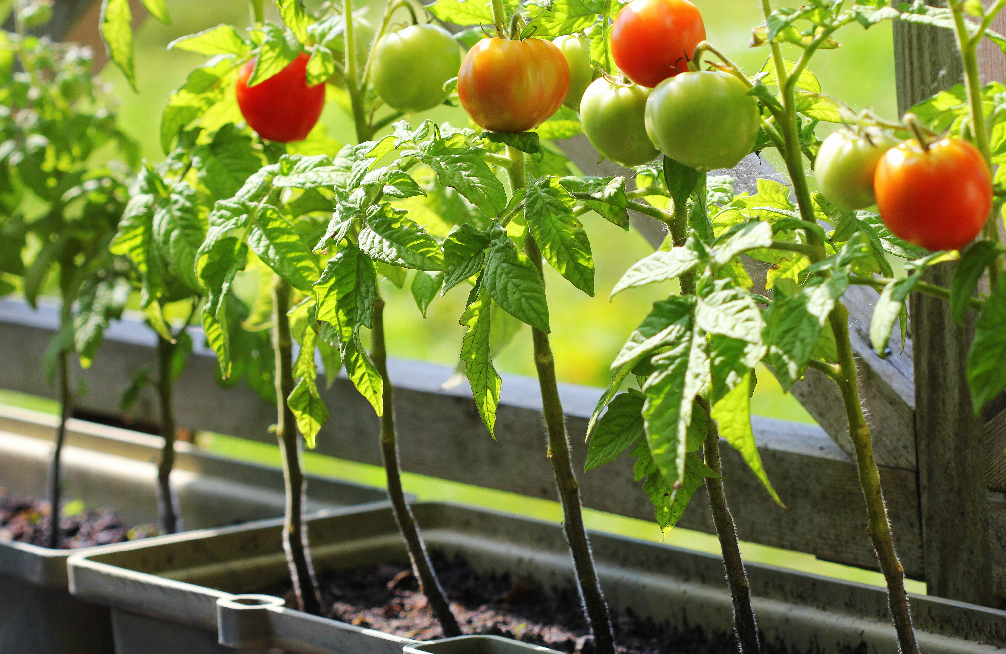
Tomatoes are heavy feeders and thrive in well-draining, fertile soil. Before planting, it’s essential to amend your soil with plenty of organic matter. Compost, aged manure, and other organic fertilizers will improve soil structure, drainage, and nutrient content.
- pH Level: Tomatoes prefer slightly acidic to neutral soil, with a pH between 6.0 and 6.8. A soil test can help you determine your current pH and guide you on necessary amendments.
- Nutrient Balance: While nitrogen is important for leafy growth, too much can lead to excessive foliage at the expense of fruit. A balanced fertilizer, with a slightly higher phosphorus content to encourage flowering and fruiting, is ideal. Incorporating a slow-release fertilizer at planting time or using a liquid feed during the growing season can provide consistent nutrition.
- Drainage: Texas soils can vary greatly. In areas prone to waterlogging, consider raised beds or amending heavily with sand and organic matter to ensure adequate drainage, preventing root rot.
Variety Selection: Choosing the Right Tomato for Texas
The sheer diversity of tomato varieties can be overwhelming. However, for Texas gardeners, selecting varieties known to perform well in heat and humidity, or those with shorter maturity times, can be a game-changer.
- Heat-Tolerant Varieties: Look for varieties specifically bred for heat tolerance, such as ‘Heatmaster’, ‘Solar Fire’, ‘Better Boy’, and ‘Celebrity’. These varieties are more likely to set fruit during the hotter months.
- Determinate vs. Indeterminate: Determinate (bush) varieties produce their fruit all at once, making them ideal for canning or preserving. Indeterminate (vining) varieties continue to produce fruit throughout the season, offering a more continuous supply for fresh eating.
- Disease Resistance: Tomatoes are susceptible to various fungal and bacterial diseases, especially in humid Texas conditions. Opt for disease-resistant varieties (often indicated by letters like V, F, N, T, A, etc., after the name) to minimize problems.
- Maturity Time: Consider the days to maturity listed on seed packets or plant tags. Shorter-season varieties are often a safer bet in areas with shorter windows before extreme heat or early frosts.
Watering and Mulching Strategies
Consistent watering is critical for tomato health and fruit development. In Texas, this often means deep, infrequent watering to encourage strong root systems, rather than shallow, frequent watering that can lead to weak roots and increased susceptibility to disease.
- Watering Deeply: Aim to water deeply about 1-2 inches per week, adjusting based on rainfall and temperature. Water the base of the plant to avoid wetting the foliage, which can promote fungal diseases. Early morning watering is generally best.
- Mulching: Applying a thick layer of organic mulch, such as straw, shredded bark, or compost, around your tomato plants is highly beneficial. Mulch helps retain soil moisture, suppress weeds, regulate soil temperature (keeping roots cooler in summer and warmer in shoulder seasons), and prevents soil splash onto leaves, reducing disease transmission.
- Irrigation Systems: Drip irrigation or soaker hoses are excellent for delivering water directly to the root zone and minimizing water loss through evaporation.
The Art of Protecting Your Tomato Plants
Once your tomato plants are in the ground, vigilance is key. Texas weather can be unpredictable, and your plants may need protection from a variety of environmental challenges.
Protecting Against Frost and Freezing Temperatures
As discussed, frost is a significant concern in the cooler months, especially in North and West Texas. Young tomato plants are particularly vulnerable.
- Row Covers: Lightweight fabric row covers can be draped over plants to provide a few degrees of frost protection. Ensure they are secured at the ground to trap heat.
- Cloches and Cold Frames: Individual plants can be protected with cloches (bell-shaped covers) or placed within cold frames.
- Watering: Believe it or not, watering the soil around the base of the plants before a predicted frost can offer some protection. Water absorbs heat during the day and releases it slowly at night.
- Bringing Indoors: If you have small, container-grown tomato plants, the simplest solution is to bring them indoors or into a sheltered garage or shed when frost is imminent.
Shielding from Extreme Summer Heat
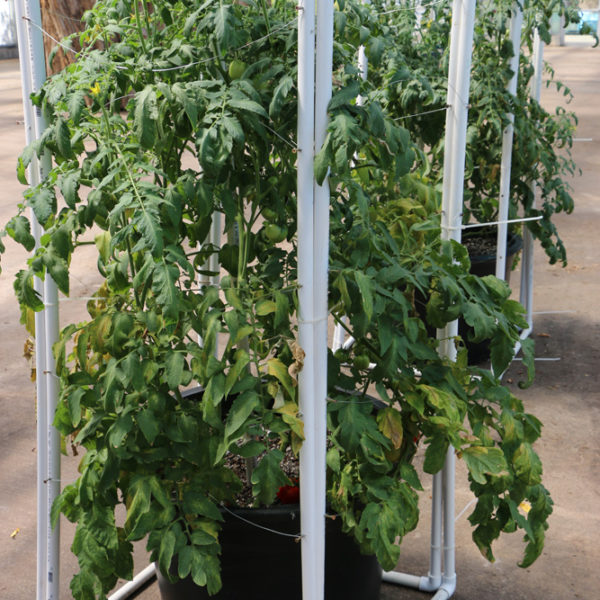
While tomatoes love sun, prolonged exposure to temperatures above 90°F (32°C) can cause blossom drop and reduce fruit set.
- Shade Cloth: In the peak of summer, consider using shade cloth to provide a few hours of relief during the hottest part of the day. This can be particularly helpful for varieties less tolerant of extreme heat.
- Consistent Watering: As mentioned, maintaining consistent moisture levels helps plants cope with heat stress.
- Tomatoes as a Lifestyle Choice: For those who see tomato gardening as a lifestyle, embracing the challenges and successes is part of the reward. Whether you’re enjoying a luxury travel experience in Napa Valley and contemplating the origin of your gourmet ingredients, or simply enjoying a budget travel escapade exploring local farmers’ markets in New Orleans, the connection to fresh produce remains a constant. The satisfaction of growing your own tomatoes in Texas, a state with such a rich agricultural heritage, is a culinary and personal triumph. It connects you to the land, offers a deeper appreciation for food, and provides the freshest ingredients for your table, making every meal a celebration of Texas’s bounty.
By carefully considering your specific Texas region, preparing your soil, selecting appropriate varieties, and implementing smart watering and protection strategies, you can ensure a successful and delicious tomato harvest. The joy of picking a ripe, sun-warmed tomato from your own garden is an experience that truly embodies the spirit of homegrown goodness.
LifeOutOfTheBox is a participant in the Amazon Services LLC Associates Program, an affiliate advertising program designed to provide a means for sites to earn advertising fees by advertising and linking to Amazon.com. Amazon, the Amazon logo, AmazonSupply, and the AmazonSupply logo are trademarks of Amazon.com, Inc. or its affiliates. As an Amazon Associate we earn affiliate commissions from qualifying purchases.