
The shimmering allure of Las Vegas, a city synonymous with entertainment, casinos, and dazzling nightlife, draws millions of visitors annually. Whether you’re arriving for a whirlwind weekend of gaming and shows or a more extended stay to explore the surrounding Nevada landscapes, efficient travel planning is key to maximizing your enjoyment. One crucial aspect of this planning, often overlooked until the last minute, is determining the optimal time to arrive at McCarran International Airport (now officially Harry Reid International Airport), the bustling gateway to this vibrant metropolis. The question of “How early to get to Las Vegas Airport?” isn’t just about avoiding stress; it’s about ensuring a smooth transition from the excitement of your vacation to the logistics of departure.

Factors Influencing Airport Arrival Time
The ideal arrival time at Harry Reid International Airport is not a one-size-fits-all answer. It’s a dynamic calculation influenced by a confluence of factors, each playing a significant role in the overall airport experience. Understanding these variables will empower you to make an informed decision, transforming a potentially anxious dash into a relaxed prelude to your journey home.
Peak Travel Periods and Their Impact
Las Vegas is a city that thrives on tourism, and its airport reflects this. Certain times of the year, days of the week, and even times of day witness a significant surge in passenger traffic.
Holidays and Major Events
The impact of holidays and major events on airport congestion cannot be overstated. During national holidays like Thanksgiving, Christmas, or New Year’s Eve, Las Vegas often experiences record-breaking visitor numbers. Similarly, significant conventions, sporting events, or major entertainment residencies can flood the airport with travelers. For instance, a championship boxing match or the CES (Consumer Electronics Show) can lead to a palpable increase in the number of people vying for check-in counters and security lines. If your travel coincides with these peak periods, adding an extra hour or even two to your typical airport arrival buffer is highly advisable. It’s wise to check the local event calendar for Las Vegas when booking your trip and adjust your airport timing accordingly.
Weekends vs. Weekdays
Weekends, particularly Friday evenings and Sunday afternoons/evenings, are inherently busier at most airports, and Harry Reid International Airport is no exception. Many leisure travelers begin their Las Vegas getaways on Fridays and depart on Sundays, creating predictable traffic spikes. If you are flying out on a Sunday afternoon or evening, expect longer queues. Conversely, mid-week travel, especially on Tuesdays and Wednesdays, often presents a less congested airport environment, potentially allowing for a slightly later arrival.
Time of Day
The time of day you are scheduled to depart also plays a critical role. Early morning flights, typically between 6:00 AM and 9:00 AM, are often popular with business travelers and those looking to maximize their first day in the city. This can lead to a surge in demand for check-in and security services during these hours. Late evening departures, while potentially less busy overall, can still experience pockets of congestion as multiple flights depart around the same time.
Airline and Terminal Specifics
Beyond the general ebb and flow of passenger traffic, the specifics of your airline and the terminal you are departing from can also influence your arrival time.
Airline Check-in and Bag Drop
Different airlines have varying procedures and staffing levels for check-in and baggage handling. Some airlines may have dedicated desks that move passengers more quickly, while others might have fewer agents on duty during certain periods. If you are checking bags, it is always prudent to factor in extra time, as the bag drop queue can sometimes be as long as the check-in queue itself. Utilizing online check-in and opting for carry-on luggage, where possible, can significantly reduce your reliance on these airport services and potentially shave off valuable minutes.
Terminal Size and Amenities
Harry Reid International Airport has two main terminals: Terminal 1 and Terminal 3. Terminal 1 serves airlines such as Southwest Airlines, Allegiant Air, and Spirit Airlines, while Terminal 3 handles most other domestic and all international flights. Terminal 3 is a newer and larger facility, but its sheer size can also mean longer walks to gates or a greater reliance on the inter-terminal shuttle if you need to move between concourses. Familiarizing yourself with your terminal, its layout, and the location of your airline’s counters and gates can help you navigate more efficiently once you arrive.
Travel Method: Domestic vs. International Flights
The type of flight you are taking is a significant determinant of the recommended airport arrival time. The security and customs procedures for international travel are inherently more time-consuming than those for domestic flights.
Domestic Flights
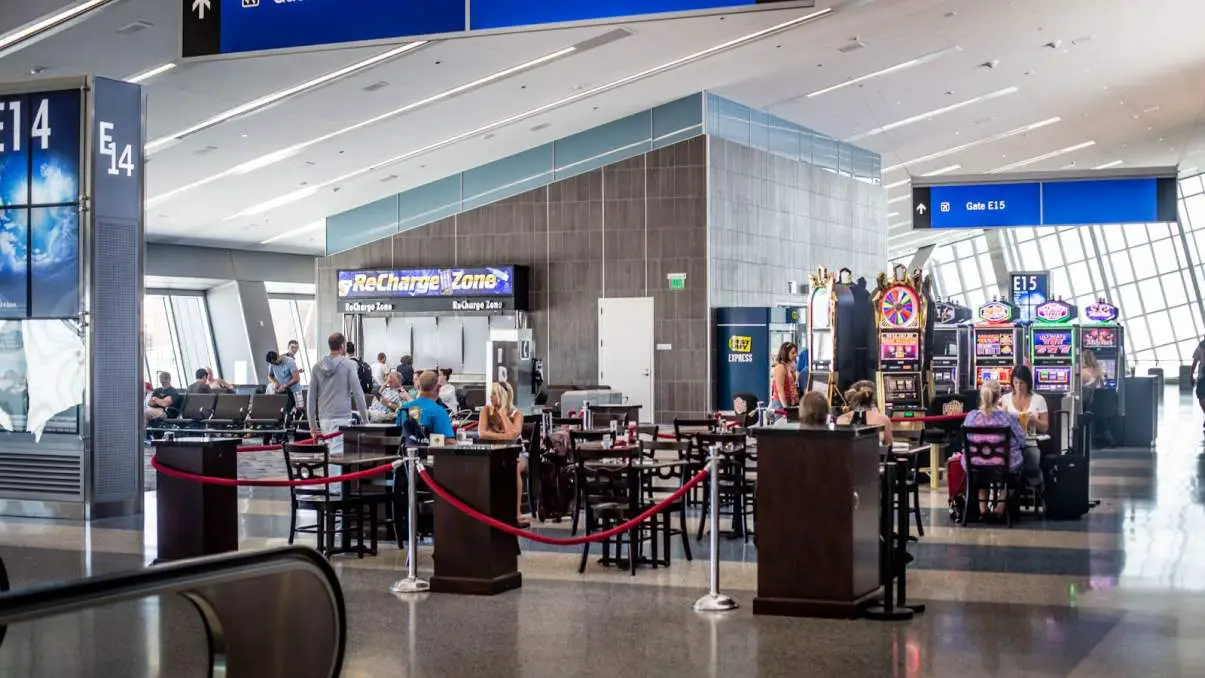
For domestic flights within the United States, a general rule of thumb is to arrive at the airport at least two hours before your scheduled departure. This provides ample time for parking or drop-off, check-in, baggage claim, security screening, and navigating to your gate. Considering the potential for unexpected delays, arriving at the two-hour mark offers a comfortable buffer. If you are traveling during a known peak period, or if you have any special needs such as requiring assistance or traveling with young children, extending this to 2.5 hours would be a wise precaution.
International Flights
International travel necessitates a more substantial time allowance. For flights departing from Harry Reid International Airport to international destinations, it is highly recommended to arrive at least three hours before your scheduled departure. This accounts for the complexities of international check-in, potential passport control, and the more rigorous security screening procedures often in place for international flights. Furthermore, if you are a U.S. citizen, you will still need to clear U.S. Customs and Border Protection upon your return to Las Vegas if you’ve been abroad, which can also add time to your overall airport experience when arriving back from an international trip.
Navigating Security and Gates at Harry Reid International Airport
Once you’ve passed the initial check-in and bag drop, the next significant hurdle is the security checkpoint. The efficiency and length of these lines are often the primary drivers of airport stress.
Understanding the Security Process
Harry Reid International Airport utilizes the Transportation Security Administration (TSA) for its security screening. The process typically involves:
- Presenting Identification: Have your government-issued photo ID and boarding pass ready.
- Bag Screening: All carry-on luggage and personal items will be X-rayed. Remember the TSA’s 3-1-1 rule for liquids, aerosols, gels, creams, and pastes in carry-on baggage.
- Personal Screening: You may be screened using a metal detector or an advanced imaging technology (AIT) scanner.
- Re-composing: After screening, gather your belongings and proceed to the terminal.
For a smoother experience, consider enrolling in TSA PreCheck or Global Entry if you are a frequent traveler. These programs allow you to expedite the security screening process at participating airports, including Harry Reid International Airport. The benefits include keeping your shoes and jacket on and leaving your laptop and liquids in your carry-on bag.
Gate Arrival and Boarding Procedures
After clearing security, make your way to your departure gate. The walking distance can vary significantly depending on your terminal and gate assignment. Pay attention to the departure boards for any gate changes or delays. Boarding typically begins 30-45 minutes before departure for domestic flights and 45-60 minutes for international flights. While you don’t need to be at your gate exactly when boarding starts, arriving at least 20-30 minutes before the scheduled departure time ensures you have ample time to find your seat and settle in before the aircraft doors close. This also allows for any last-minute restroom breaks or souvenir purchases without the anxiety of missing your flight.
Recommendations for a Stress-Free Departure
A proactive approach to airport arrival is the cornerstone of a relaxed departure from Las Vegas. By planning ahead and anticipating potential bottlenecks, you can ensure your transition from the vibrant city to your next destination is as seamless as possible.
Pre-Trip Planning and Preparation
- Check Flight Status: The day before your flight, and again a few hours before you plan to leave for the airport, check your flight status online or through your airline’s app. This will alert you to any significant delays or cancellations.
- Pack Smart: Ensure all your belongings comply with TSA regulations, especially regarding liquids. Having your bags packed efficiently and all essential documents (ID, boarding pass) readily accessible will save time.
- Airport Navigation: Familiarize yourself with the Harry Reid International Airport map online. Knowing the location of your terminal, parking areas, and potential amenities can be incredibly helpful.
- Transportation to the Airport: Plan your transportation to the airport in advance. Whether you’re using a rideshare service, a taxi, a shuttle, or driving yourself, factor in potential traffic on the Las Vegas Strip or surrounding freeways.
General Time Recommendations Summary
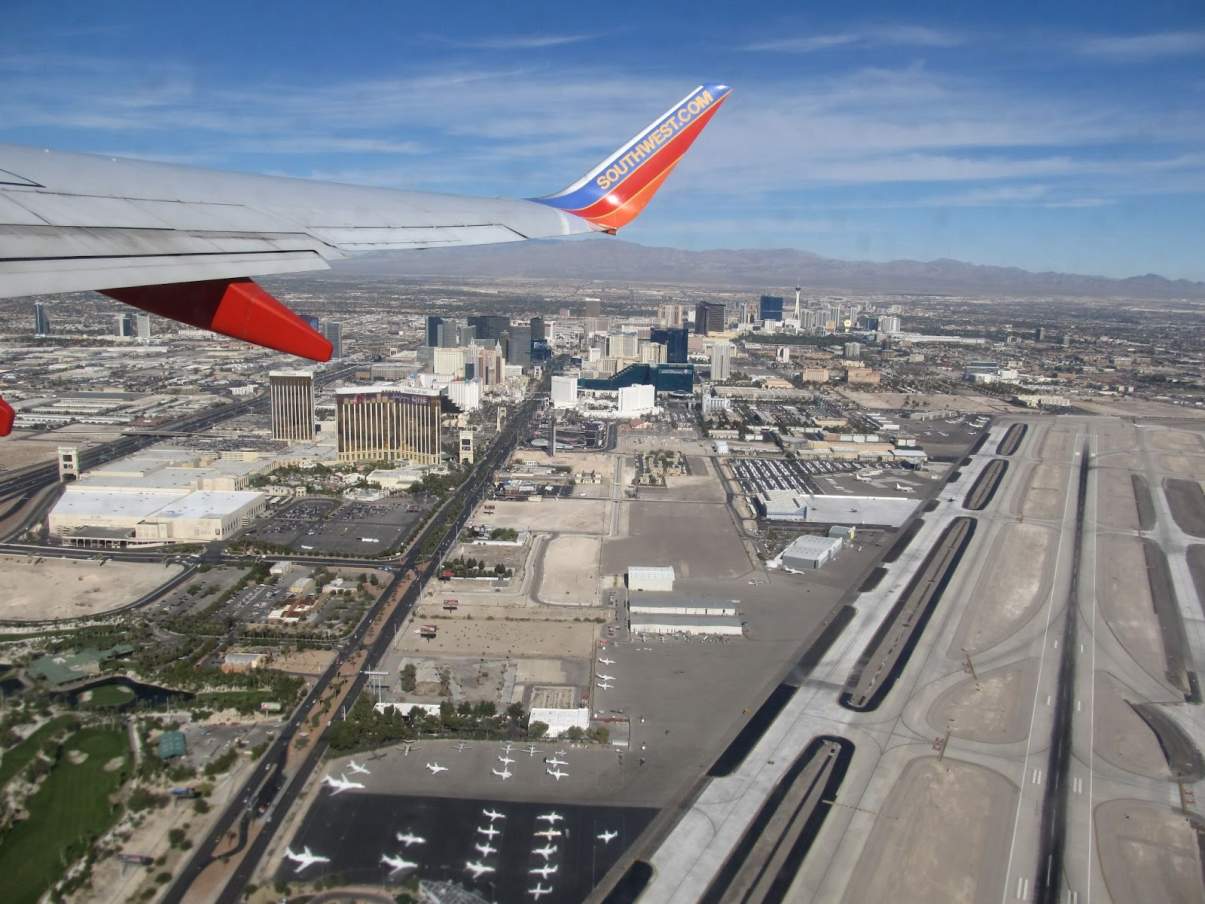
To consolidate the advice, here are general guidelines for arriving at Harry Reid International Airport:
- Domestic Flights (Non-Peak): Arrive at least 2 hours before departure.
- Domestic Flights (Peak/Holidays): Arrive at least 2.5 to 3 hours before departure.
- International Flights: Arrive at least 3 hours before departure.
- Travelers with Special Needs: Add an extra 30-60 minutes to the above recommendations.
By adhering to these guidelines and considering the specific factors of your trip, you can transform the often-dreaded airport departure into a calm and orderly experience, allowing you to reflect on the unforgettable memories made in the captivating city of Las Vegas.
LifeOutOfTheBox is a participant in the Amazon Services LLC Associates Program, an affiliate advertising program designed to provide a means for sites to earn advertising fees by advertising and linking to Amazon.com. Amazon, the Amazon logo, AmazonSupply, and the AmazonSupply logo are trademarks of Amazon.com, Inc. or its affiliates. As an Amazon Associate we earn affiliate commissions from qualifying purchases.