
The iconic journey from the bustling streets of New York to the sun-drenched boulevards of Los Angeles is a quintessential American road trip, a traverse across a continent that offers a stunning tapestry of landscapes, cultures, and experiences. While the exact mileage can fluctuate based on the chosen route, the spirit of this cross-country adventure remains constant. Understanding the distance is the first step in planning this epic expedition, whether you’re driving, flying, or considering other modes of transport. This exploration delves into the miles, the routes, and the considerations that make this journey a landmark event for many.

The Direct Distance and the Illusion of Simplicity
The shortest distance between two points is a straight line, and for New York and Los Angeles, this theoretical distance provides a baseline. However, in the realm of travel, a straight line is rarely feasible or desirable. The geographical realities of mountains, rivers, and national parks, coupled with the need for navigable roads and infrastructure, mean that the actual driving distance is significantly greater than the aerial path.
Aerial Mileage: The Great Circle Route
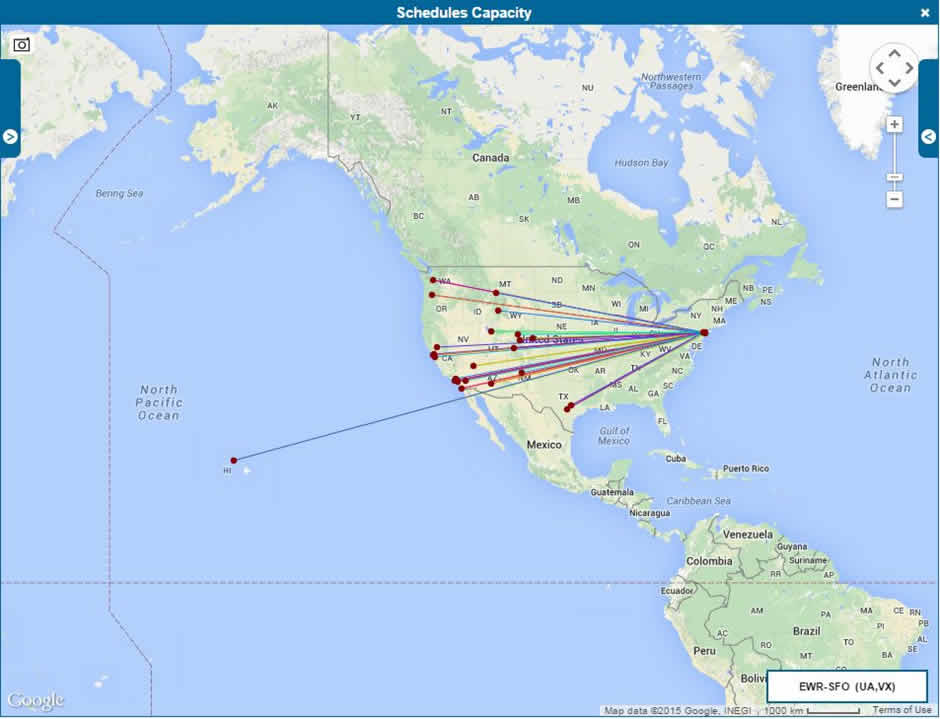
When considering air travel, the distance is measured more directly. An airplane flying from New York to Los Angeles will traverse approximately 2,445 miles (3,935 kilometers) as the crow flies. This is the great circle distance, the shortest path on the surface of a sphere. This figure is crucial for understanding flight times and fuel calculations, representing the most efficient, albeit abstract, measure of separation between these two metropolises. While this number is fascinating, it offers little practical guidance for those embarking on a physical journey across the land.
Driving Distance: The Road Less Traveled (and More of It)
The reality of driving involves following established roadways, which inherently add mileage. The average driving distance from New York to Los Angeles typically falls between 2,700 and 3,000 miles, depending on the specific route taken. This variation is not arbitrary; it reflects a strategic decision-making process by travelers, often influenced by desired stops, scenic views, and efficiency. This broader range underscores the flexibility and personalization inherent in a cross-country road trip.
Navigating the Continent: Popular Driving Routes and Their Distances
The decision of how many miles one will travel from New York to Los Angeles is intimately tied to the chosen path. Several well-trodden routes offer distinct experiences, each with its own charm and mileage considerations. These routes are not merely lines on a map but conduits to understanding the diverse American landscape.
The Northern Route: A Journey Through Americana
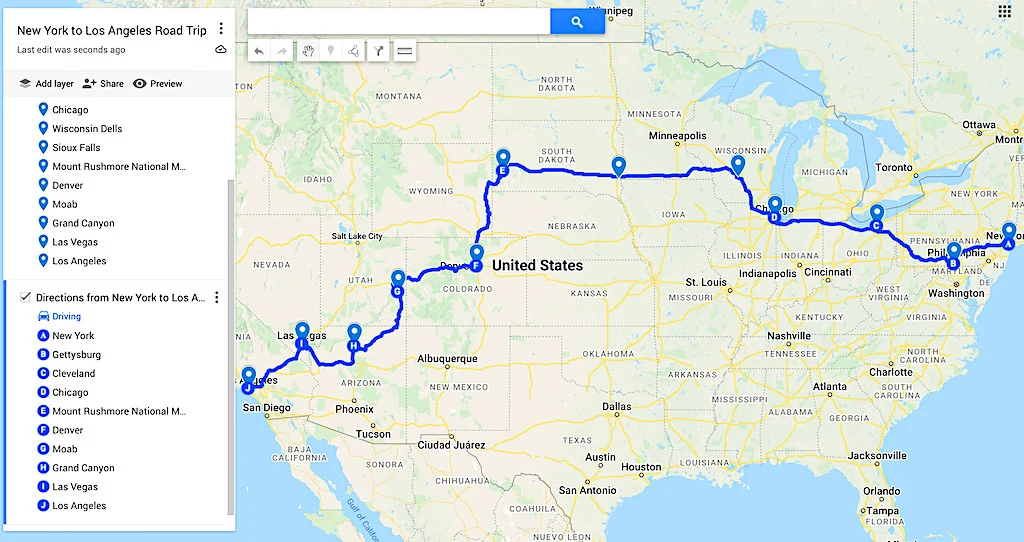
A northern route might take travelers through cities like Chicago, Omaha, and Denver, before heading southwest. This path often follows Interstate 80 for a significant portion, eventually connecting to Interstate 70 and then I-15. This route offers a chance to experience the Midwest’s agricultural heartland and the majestic Rocky Mountains. The approximate mileage for such a route can be around 2,800 to 2,900 miles. This option often appeals to those who want to experience a broader spectrum of American geography and culture, potentially including a detour to see natural wonders like Yellowstone National Park or the Grand Teton National Park.
The Central Route: The Classic Transcontinental Trek
Perhaps the most classic cross-country route, the central path often utilizes Interstate 70 for much of its westward journey, passing through states like Pennsylvania, Ohio, Indiana, Missouri, Kansas, Colorado, and Utah, before merging with I-15 to head towards Los Angeles. This route provides a direct traverse across the heartland and through the dramatic landscapes of the Rocky Mountains. The mileage here generally hovers around 2,700 to 2,800 miles. This route is a favorite for its balance of efficiency and scenic beauty, allowing travelers to witness the transition from the eastern seaboard to the arid Southwest.
The Southern Route: Sun, Deserts, and Southern Hospitality
For those seeking warmer climes and a different flavor of America, a southern route is an excellent choice. This path might involve taking Interstate 40, which runs through states like Tennessee, Arkansas, Oklahoma, Texas, New Mexico, Arizona, and California. Along the way, travelers can explore historic Route 66, experience the unique cultures of the Southwest, and marvel at desert landscapes. The mileage on a southern route can be slightly longer, typically ranging from 2,900 to 3,000 miles, due to its less direct trajectory across the continent. This route is often favored during winter months or by those who wish to explore iconic American diners and roadside attractions.
Factors Influencing Your Mileage Calculation
Beyond the chosen path, several other elements can subtly or significantly alter the total miles from New York to Los Angeles. Understanding these factors is key to accurate trip planning and managing expectations for your journey.
Detours and Sightseeing Stops
The beauty of a road trip lies in its flexibility. The calculated mileage between two cities is often based on the most direct, practical route. However, most travelers deviate from this baseline to visit attractions, explore national parks like the Grand Canyon National Park, or spend extra time in cities like St. Louis or Las Vegas. Each detour, whether it’s a few miles to a roadside oddity or hundreds of miles to a major landmark, adds to the total odometer reading. Planning your itinerary with desired stops in mind will provide a more realistic mileage estimate.
Road Conditions and Construction
The condition of the roads and ongoing construction projects can also influence the actual miles traveled. While major interstates are generally well-maintained, unexpected closures, detours due to construction, or even weather-related diversions can add extra mileage. Staying informed about road conditions through navigation apps and local traffic reports can help mitigate these issues, but it’s wise to build a small buffer into your mileage calculations for unforeseen circumstances.
Vehicle Choice and Fuel Efficiency
While not directly affecting the mileage between two points, the vehicle you choose and its fuel efficiency will impact the overall cost and experience of covering those miles. A larger, less aerodynamic vehicle will consume more fuel, making more frequent stops for refueling, which can indirectly influence the time taken to cover the distance. For those meticulously tracking their travel, understanding their vehicle’s average miles per gallon is a crucial part of the logistical puzzle.
The Significance of the Miles: More Than Just a Number
The distance between New York and Los Angeles is more than just a numerical figure; it represents a vast expanse of American geography, culture, and history. It’s a journey that challenges perceptions and offers a profound sense of accomplishment upon arrival. Whether you’re covering the approximately 2,445 aerial miles or navigating over 2,700 driving miles, the experience is transformative.
From Coast to Coast: A Transformative Journey
The act of traversing the United States from the Atlantic to the Pacific is a rite of passage for many. It’s an opportunity to witness the nation’s incredible diversity firsthand, from the urban intensity of New York City to the laid-back vibe of Southern California. The miles traveled are a testament to the ambition of the journey, the willingness to embrace the unknown, and the desire to connect with the vastness of the American landscape. Each mile contributes to a narrative of discovery, personal growth, and unforgettable memories, solidifying the trek from New York to Los Angeles as a celebrated American adventure.
LifeOutOfTheBox is a participant in the Amazon Services LLC Associates Program, an affiliate advertising program designed to provide a means for sites to earn advertising fees by advertising and linking to Amazon.com. Amazon, the Amazon logo, AmazonSupply, and the AmazonSupply logo are trademarks of Amazon.com, Inc. or its affiliates. As an Amazon Associate we earn affiliate commissions from qualifying purchases.