
The glittering metropolis of Las Vegas that captivates millions with its vibrant energy, world-class entertainment, and opulent resorts is a testament to human ingenuity and a spirit of reinvention. Far from being an ancient wonder, this “Entertainment Capital of the World” is a relatively young city, born from humble beginnings in the unforgiving expanse of the Nevada desert. Its creation story is a fascinating blend of geographical serendipity, visionary ambition, and calculated risk-taking, tracing a path from a simple watering hole to the global phenomenon it is today.
From Oasis to Railroad Hub: The Accidental Genesis
The genesis of Las Vegas is inextricably linked to the natural landscape and the forces that shaped its early development. The name itself, Spanish for “the meadows,” hints at its origin. Long before it became synonymous with casinos and showgirls, the area was characterized by lush meadows fed by underground springs, a vital oasis in the arid Mojave Desert. This natural bounty attracted indigenous peoples for millennia, offering a crucial respite for those traversing the challenging terrain.
The Spanish Exploration and the Birth of a Name
The first recorded European encounter with this verdant spot came in the early 19th century. Mexican traders, en route between Santa Fe, New Mexico, and California, discovered these meadows. It was during this period, around 1829, that Rafael Rivera, a scout accompanying the caravan of Antonio Armijo, is credited with giving the area its enduring name: Las Vegas. This designation recognized the significant natural resource – the meadows – that made the journey through the desert feasible. The springs were a critical lifeline, sustaining travelers and supporting limited agriculture.
The Arrival of the Railroad and the Dawn of a City
While the Las Vegas springs provided an essential stopping point, it was the advent of the railroad that truly catalyzed its transformation from a remote outpost into a burgeoning settlement. In the late 19th and early 20th centuries, the development of transcontinental railway lines was a major undertaking across the United States. The San Pedro, Los Angeles & Salt Lake Railroad (later known as the Union Pacific Railroad) recognized the strategic importance of the Las Vegas valley as a potential route.
The railroad company purchased a large tract of land in 1902, and in 1905, they established a townsite. This marked the official birth of the city of Las Vegas. The railroad brought people, supplies, and commerce, transforming the quiet oasis into a bustling transportation hub and a supply point for mining operations in southern Nevada. The original townsite was auctioned off, and the first businesses, including hotels and saloons, began to appear, catering to the railroad workers and travelers. This initial phase of development was primarily driven by practical needs, laying the groundwork for future growth.
The Legal Loophole: Legalized Gambling and the Birth of the Modern Casino
The early decades of Las Vegas were characterized by steady, albeit modest, growth. It remained a relatively small city, serving primarily as a railroad depot and a gateway to the surrounding natural attractions. However, a pivotal shift occurred in the 1930s, one that would forever alter the destiny of this desert town and propel it onto the global stage: the legalization of gambling.
Nevada’s Bold Move: Legalizing the Unthinkable
In 1931, Nevada enacted Assembly Bill 50, which legalized gambling throughout the state. This was a bold and controversial move at the time. Many states had stringent laws against gambling, viewing it as a vice. However, Nevada saw an opportunity to generate revenue and stimulate its economy, particularly during the challenging years of the Great Depression. While legalized gambling was permitted across the state, it was in the remote desert outpost of Las Vegas that it truly took root and flourished.

The impact of this legislative change was profound. It provided a powerful incentive for entrepreneurs to invest in Las Vegas. The city, already a convenient stop for travelers due to its railroad connection, now offered an unparalleled attraction: the thrill of casino gaming. Initially, these were small, modest establishments, but they laid the foundation for the extravagant entertainment empires to come. The allure of easy money and the promise of excitement began to draw people from across the country.
The Hoover Dam Connection: A Catalyst for Growth
The construction of the Hoover Dam (originally known as the Boulder Dam) further fueled the growth of Las Vegas in the 1930s. This massive public works project, undertaken by the federal government to control the Colorado River and provide hydroelectric power, attracted thousands of workers to the region. Las Vegas, with its relatively close proximity and developing infrastructure, became the primary service center and entertainment hub for these dam workers.
The influx of workers provided a ready-made customer base for the burgeoning casinos and hotels. They sought recreation and diversion after long, arduous days of construction, and Las Vegas delivered. The revenue generated by these temporary residents helped to solidify the economic viability of the gambling industry and encouraged further investment. The success of the casinos during this period demonstrated their potential as a significant economic driver, setting the stage for the next wave of development.
The Rise of the Mega-Resort: From Mob Influence to Corporate Powerhouses
The post-World War II era marked a significant turning point in the evolution of Las Vegas. The city transitioned from a collection of smaller casinos to the home of the extravagant mega-resort, a phenomenon that would redefine the tourism and entertainment landscape. This period saw substantial investment, a changing ownership structure, and the creation of the iconic Las Vegas experience that is recognized worldwide.
The Mob Era and the Birth of Glamour
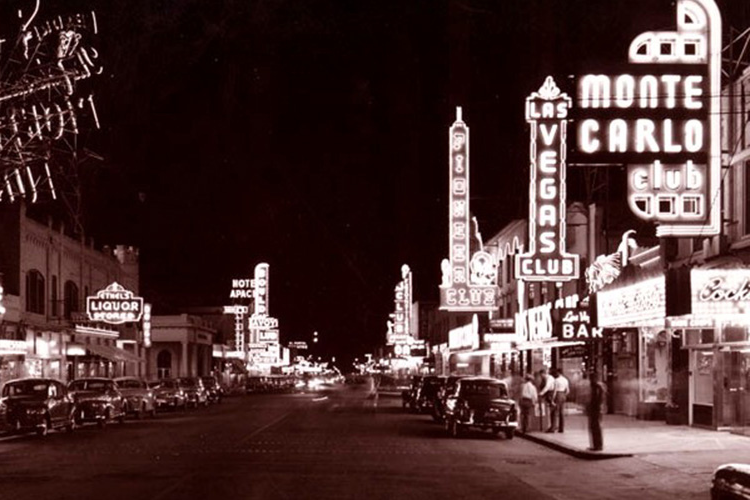
The mid-20th century saw a period where organized crime figures played a significant role in the ownership and operation of many Las Vegas casinos. Figures like Bugsy Siegel and Meyer Lansky were instrumental in transforming Las Vegas from a gritty gambling town into a glamorous destination. Siegel, in particular, is credited with envisioning and backing the development of the Flamingo Hotel in the late 1940s. This opulent resort, with its lavish décor, fine dining, and entertainment, set a new standard for what a casino hotel could be.
The involvement of organized crime, while a controversial chapter, brought substantial capital and a focus on creating an attractive, high-stakes environment. They understood the psychology of gambling and entertainment, and their investments helped to build some of the first truly iconic Las Vegas establishments. This era saw the rise of high-roller suites, world-class shows, and a sophisticated marketing approach that positioned Las Vegas as a playground for the rich and famous.
The Corporate Takeover and the Birth of Themed Entertainment
As the casino industry matured and faced increasing scrutiny, a gradual shift in ownership occurred. Over time, legitimate corporations began to acquire casinos, bringing with them professional management, stringent financial controls, and a focus on diversified entertainment. This corporate influx, particularly from the 1960s onwards, led to the development of the mega-resort concept.
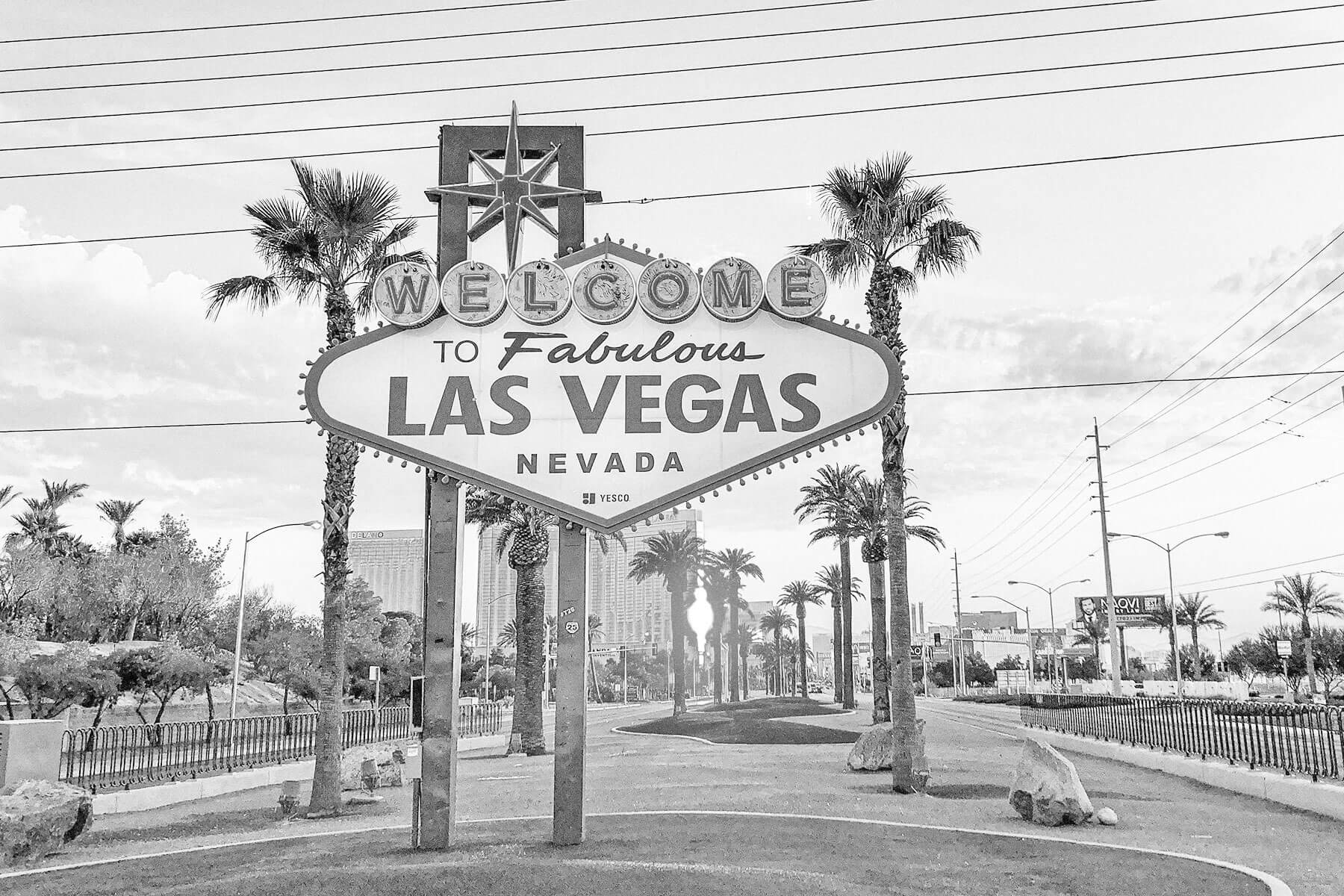
The Las Vegas Strip transformed into a landscape of massive, themed hotels that offered more than just gambling. These resorts began to emulate famous landmarks and cities, creating immersive experiences. The opening of the Caesars Palace in 1966, with its Roman theme, was a groundbreaking example. This was followed by numerous other themed properties, such as the Luxor Hotel with its Egyptian pyramid, the MGM Grand with its opulent scale, and the Bellagio with its sophisticated charm.
These mega-resorts became destinations in themselves, offering a vast array of amenities including world-class restaurants, extravagant shopping, elaborate swimming pools, convention centers, and of course, a wide variety of casinos. The focus shifted from simply attracting gamblers to creating an entire vacation experience that appealed to a broader audience, including families and business travelers. This evolution cemented Las Vegas’s status as a global entertainment and tourism hub, a city meticulously crafted and continuously reinvented from its origins as a simple desert oasis.
LifeOutOfTheBox is a participant in the Amazon Services LLC Associates Program, an affiliate advertising program designed to provide a means for sites to earn advertising fees by advertising and linking to Amazon.com. Amazon, the Amazon logo, AmazonSupply, and the AmazonSupply logo are trademarks of Amazon.com, Inc. or its affiliates. As an Amazon Associate we earn affiliate commissions from qualifying purchases.