
Embarking on a journey from the vast expanse of Texas to the iconic skyline of New York is a common travel aspiration for many. Whether you’re planning a business trip, a long-awaited vacation, or simply seeking a change of scenery, understanding the flight duration is a crucial element of your travel planning. The flight time between Dallas and New York is not a monolithic figure; rather, it’s influenced by a constellation of factors, from the specific airports involved to the prevailing wind conditions. This comprehensive guide aims to illuminate the typical flight durations, explore the variables that affect them, and offer insights into making your travel experience as smooth and predictable as possible.

Understanding Direct Flight Durations
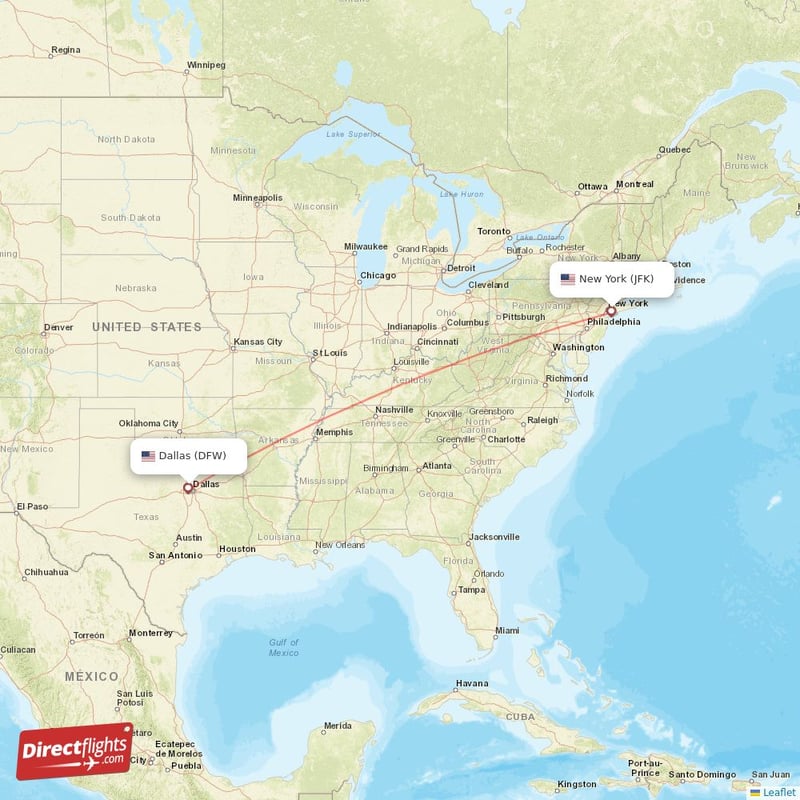
The most straightforward way to answer “how long is a flight to New York from Dallas?” is by examining the typical duration of non-stop services. These flights offer the most efficient way to traverse the approximately 1,500 miles separating these two major American hubs.
Average Flight Time: The Baseline
On average, a direct flight from Dallas to New York typically ranges from 3.5 to 4 hours. This figure represents the block time, which includes the time from when the aircraft doors close to when they open at the arrival gate. However, the actual airborne time might be slightly less. Airlines operate a variety of aircraft on this route, and while most are designed for efficiency, the specific model can subtly influence flight speed. For instance, larger wide-body jets might have different cruising speeds compared to smaller, more agile narrow-body aircraft commonly used for domestic routes.
Key Airports and Their Impact
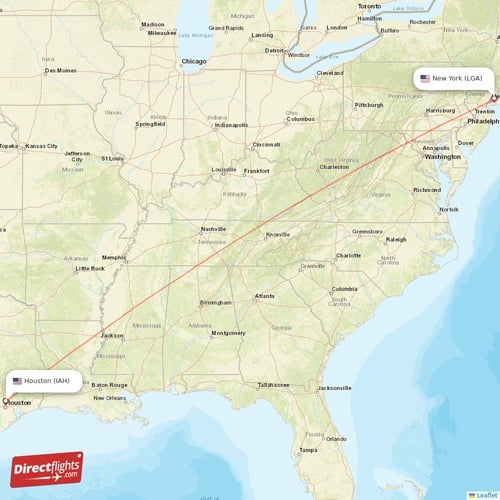
Dallas is primarily served by two major airports: Dallas/Fort Worth International Airport (DFW) and Dallas Love Field Airport (DAL). Similarly, New York boasts several major international and domestic airports, including John F. Kennedy International Airport (JFK), LaGuardia Airport (LGA), and Newark Liberty International Airport (EWR). The specific combination of departure and arrival airports can have a minor effect on flight times due to their geographical locations within their respective metropolitan areas and their proximity to air traffic control corridors.
- From DFW to JFK/LGA/EWR: Flights departing from the larger Dallas/Fort Worth International Airport (DFW) to New York tend to adhere closely to the average 3.5 to 4-hour duration. DFW is a major hub for American Airlines, which operates a significant number of flights to all three New York area airports.
- From DAL to LGA: Dallas Love Field Airport (DAL), primarily serving Southwest Airlines, often has direct flights to LaGuardia Airport (LGA). These flights also typically fall within the 3.5 to 4-hour window. The routing and approach patterns into LGA can sometimes lead to slightly different flight paths compared to those into JFK or EWR, but the overall impact on time is usually marginal for direct flights.
It’s important to note that these times are for the flight itself. When planning your trip, you must also factor in travel time to and from the airports, check-in procedures, security screening, and baggage claim, which can add several hours to your overall journey.
Factors Influencing Flight Duration
While the average direct flight time provides a good estimate, several dynamic elements can cause actual flight durations to deviate. Understanding these factors can help set realistic expectations and make informed decisions when booking your tickets.
Weather Conditions and Jet Streams
The most significant variable impacting flight duration is weather, particularly wind.
- Tailwinds: When flying eastbound from Dallas to New York, aircraft often benefit from prevailing westerly winds, commonly referred to as tailwinds. These winds can increase the aircraft’s ground speed, effectively shortening the flight time. A strong tailwind can shave off valuable minutes, pushing the flight towards the lower end of the typical duration, potentially even below 3.5 hours in exceptional circumstances.
- Headwinds: Conversely, headwinds, which are winds blowing against the direction of flight, can lengthen the journey. While less common for the Dallas to New York eastbound route, they can occur due to complex weather systems. If a significant headwind is present, the flight time could extend towards the 4-hour mark or slightly beyond.
- Turbulence and Storms: Severe weather, such as thunderstorms or hurricanes, can necessitate rerouting. Air traffic control will often direct aircraft around these areas to ensure safety and passenger comfort. These detours can add substantial time to a flight, sometimes turning a routine 4-hour journey into a 5-hour or even longer experience. Pilots constantly monitor weather patterns and adjust their routes accordingly, prioritizing safety above all else.
Air Traffic Control and Flight Paths
The airspace between Texas and the Northeast corridor is one of the busiest in the world. Air traffic control plays a critical role in managing this complex network of flights.
- Congestion: During peak travel times, airports and airspace can become congested. This can lead to holding patterns before landing, which are circles flown by aircraft waiting for clearance to descend and land. While air traffic controllers strive to minimize these delays, they are a reality of air travel in heavily trafficked regions.
- Optimized Flight Paths: Airlines and air traffic control work together to determine the most efficient flight paths. These routes are not always the most direct geographical line but are calculated to take advantage of favorable winds, avoid restricted airspace, and optimize for fuel efficiency and time. Changes in these optimized paths due to weather or traffic can influence flight duration.
Aircraft Type and Airline Operations
While the impact is generally less pronounced than weather, the specific aircraft model and the airline’s operational practices can also play a minor role.
- Aircraft Performance: Different aircraft have varying cruising speeds. While most commercial jets on this route fly at similar altitudes and speeds, subtle differences exist.
- Airline Scheduling: Airlines schedule flights with a buffer to account for potential delays. The “scheduled flight time” you see when booking might be slightly longer than the average actual flight time to ensure on-time performance.
Exploring Alternatives: Connecting Flights and Layover Considerations
While direct flights offer the quickest route, sometimes connecting flights are a necessary or even preferable option due to cost, availability, or specific travel needs. Understanding how layovers affect the overall travel time is crucial for comprehensive planning.
The Impact of Layover Cities
Choosing a flight with a layover will inevitably increase your total travel time. The duration of a connecting flight depends on several factors:
- Layover Airport: The size and efficiency of the layover airport can significantly influence your connection time. Larger airports with multiple terminals might require more time to navigate between gates.
- Layover Duration: The time allocated between flights, known as the layover, is a primary determinant of the total travel time. A short layover (e.g., 1-2 hours) might be tight, especially if you need to change terminals or re-check baggage. A longer layover (e.g., 3+ hours) will significantly extend your travel day but offers more buffer for potential delays.
- Flight Schedule: The specific flight schedules of both the inbound and outbound legs of your journey will dictate the total time. Sometimes, an early flight from Dallas and a late flight from the layover city can make for a very long travel day.
Typical Connecting Flight Durations
A connecting flight from Dallas to New York can range dramatically in total travel time. A reasonable estimate for a connecting flight, including a layover of 1.5 to 3 hours, would be anywhere from 6 to 10 hours. This includes:
- Flight time from Dallas to the layover city.
- Layover time at the connecting airport.
- Flight time from the layover city to New York.
It’s important to research the specific flight options thoroughly. Sometimes, a connecting flight that appears cheaper might end up being significantly longer in total travel time, making the extra cost of a direct flight a worthwhile investment for time-conscious travelers. Furthermore, certain layover cities, such as Chicago O’Hare International Airport (ORD) or Charlotte Douglas International Airport (CLT), are common hubs for airlines that fly this route, and the efficiency of connections through these airports can vary.
Maximizing Your Travel Efficiency
When planning your trip from Dallas to New York, several strategies can help you maximize your travel efficiency and minimize potential disruptions, ensuring your journey is as smooth as possible.
Booking Strategies for Optimal Timing
- Flexibility with Dates and Times: If your schedule allows, being flexible with your travel dates and times can often lead to better flight options and potentially shorter flight durations. Mid-week flights (Tuesdays and Wednesdays) and early morning or late-night departures are often less crowded and may experience fewer delays due to air traffic congestion.
- Choosing the Right Airports: Consider which New York area airport best suits your final destination. Flying into LGA might be more convenient if you’re heading to Manhattan‘s Upper East Side, while JFK or EWR might be more practical for other boroughs or if you plan to use public transportation like the AirTrain. This choice can impact your ground transportation time, even if the flight duration is similar.
- Leveraging Flight Tracking Tools: Utilize flight tracking websites and apps before and during your journey. These tools provide real-time information on flight status, estimated departure and arrival times, and even current weather conditions along the flight path. This allows you to stay informed and make any necessary adjustments to your plans.
Preparing for Your Journey
- Pack Light: If possible, opt for carry-on luggage only. This eliminates the need to wait for checked bags at baggage claim upon arrival, saving you valuable time. Ensure your carry-on meets the airline’s size and weight restrictions.
- Utilize Mobile Check-in: Most airlines offer mobile check-in 24 hours before your flight. This allows you to check in from your smartphone, receive a digital boarding pass, and head directly to security, bypassing the check-in counter lines at the airport.
- Arrive Early: Despite the relatively short flight duration, it’s always advisable to arrive at the airport well in advance of your departure. For domestic flights, aiming for 2 hours before departure is a general guideline. This buffer allows ample time for check-in, security screening, and navigating the airport, especially during peak travel periods.
- Stay Informed: Keep an eye on airline notifications and airport advisories for any last-minute changes to your flight schedule or gate assignments. Being proactive can help you avoid unnecessary stress and delays.
By considering these factors and employing these strategies, you can navigate the logistics of flying from Dallas to New York with greater confidence and efficiency, ensuring your travel experience is as pleasant and productive as possible. Whether you’re seeking the thrill of Times Square, the culture of Broadway, or the business opportunities of Wall Street, a well-planned journey is the first step to enjoying all that New York has to offer.
LifeOutOfTheBox is a participant in the Amazon Services LLC Associates Program, an affiliate advertising program designed to provide a means for sites to earn advertising fees by advertising and linking to Amazon.com. Amazon, the Amazon logo, AmazonSupply, and the AmazonSupply logo are trademarks of Amazon.com, Inc. or its affiliates. As an Amazon Associate we earn affiliate commissions from qualifying purchases.