
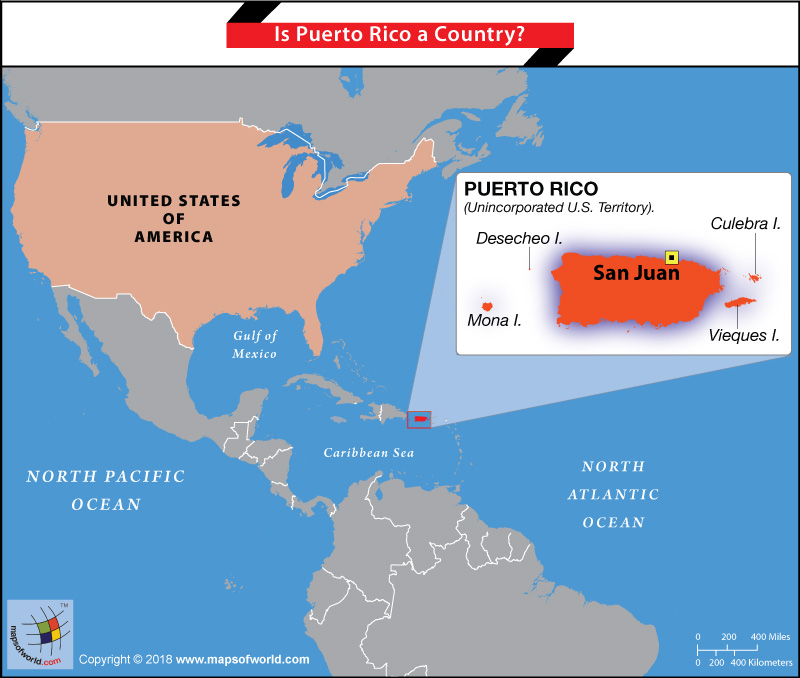
The question “Is Puerto Rico a country?” is a common one, stirring curiosity among travelers, history enthusiasts, and those simply looking to understand its unique place on the global map. While its vibrant culture, distinct identity, and even its own Olympic team might suggest otherwise, the definitive answer is no: Puerto Rico is not an independent country. Instead, it is an unincorporated territory of the United States, a commonwealth with a complex political status that profoundly shapes its governance, economy, and, crucially for our interests, its accessibility and experience as a premier travel destination.
This intricate relationship with the U.S. creates a fascinating tapestry that blends American practicality with rich Caribbean charm, making Puerto Rico a truly one-of-a-kind spot for travel and tourism. For those planning a getaway, understanding this status is key to appreciating everything the island offers, from its historic landmarks and stunning natural beauty to its diverse accommodation options and vibrant local lifestyle. It allows U.S. citizens to travel without a passport, use U.S. currency, and find a familiar framework within a decidedly exotic setting. This article will delve into Puerto Rico’s political standing, unravel its captivating history, and explore why it remains an unmissable destination for every type of traveler.
Unpacking Puerto Rico’s Unique Political Status
The political status of Puerto Rico is often a source of confusion, blurring the lines between nation and territory. To fully grasp why Puerto Rico isn’t a country, it’s essential to understand its designation as a commonwealth of the United States and the historical journey that led to this arrangement.
A Commonwealth of the United States
As a commonwealth, Puerto Rico operates under its own constitution, which was ratified by its citizens and approved by the U.S. Congress in 1952. This grants the island a significant degree of self-governance over internal affairs. However, it remains subject to the plenary powers of the U.S. Congress, meaning that ultimate authority rests with the federal government. This unique relationship comes with several key implications for both residents and visitors:
- Citizenship: All people born in Puerto Rico are natural-born citizens of the United States. They can travel freely to and from the mainland U.S. without a passport, much like traveling between U.S. states. This is a significant boon for U.S. travelers, simplifying the journey considerably compared to international trips.
- Currency: The official currency is the U.S. dollar. This eliminates the need for currency exchange, making financial transactions seamless for American tourists and simplifying budget planning.
- Defense and Foreign Relations: The U.S. federal government is responsible for Puerto Rico’s defense, foreign relations, and trade policies. While Puerto Rico may participate in international sporting events under its own flag, this is a cultural concession rather than an indicator of national sovereignty.
- Taxes: While residents pay federal taxes like Social Security and Medicare, they do not pay federal income tax on income earned in Puerto Rico. They do, however, pay local Puerto Rican taxes. This creates an interesting economic environment, particularly relevant for those considering extended stays or even relocation.
This commonwealth status provides a stable, familiar legal and economic framework, yet it allows Puerto Rico to retain its distinct cultural identity, which is a massive draw for tourism.
A Rich History of Transition
Puerto Rico’s current status is the culmination of centuries of historical transitions. Originally inhabited by the indigenous Taíno people, the island was colonized by Spain after Christopher Columbus’s arrival in 1493. For over 400 years, it remained a Spanish colony, deeply embedding Spanish language, architecture, and traditions into its cultural fabric.
The turning point came in 1898 with the Spanish-American War. As a result of the war, Spain ceded Puerto Rico to the United States under the Treaty of Paris. Since then, its relationship with the U.S. has evolved through various legislative acts, granting increasing levels of self-governance and eventually U.S. citizenship to its people. This rich and complex history is visible everywhere, from the ancient fortifications of Old San Juan to the unique blend of traditions that define modern Puerto Rico. Understanding this past helps travelers appreciate the layers of influence that make the island such a captivating destination.
Puerto Rico: A World of Travel and Tourism Experiences
While its political status provides a framework, it’s Puerto Rico’s incredible array of destinations, attractions, and immersive cultural experiences that truly define it as a must-visit location. The island perfectly marries vibrant city life with untamed natural beauty, offering something for every kind of traveler.
Discovering Diverse Destinations and Attractions
Puerto Rico is a mosaic of diverse landscapes and historical wonders. Its small size belies the vast number of experiences packed within its shores, making it an ideal destination for those who love to explore.
- Historic San Juan: The capital city is a treasure trove of history and culture. Old San Juan, with its cobblestone streets, colorful colonial buildings, and grand fortresses like Castillo San Felipe del Morro and Castillo San Cristóbal, is a UNESCO World Heritage Site. Visitors can spend days wandering through its historic alleys, enjoying street art, discovering charming boutiques, and dining at world-class restaurants. These landmarks not only offer breathtaking views of the Atlantic Ocean but also narrate centuries of strategic importance and cultural evolution.
- El Yunque National Forest: As the only tropical rainforest in the U.S. National Forest System, El Yunque is a natural marvel. Its lush greenery, cascading waterfalls (like La Coca Falls and Juan Diego Falls), and diverse wildlife, including the iconic coquí frog, provide an unparalleled hiking and nature experience. Guides are available for those who want to delve deeper into its ecological significance.
- Bioluminescent Bays: Puerto Rico is home to three of the world’s five bioluminescent bays, with Mosquito Bay on Vieques being the brightest. Kayaking through these glowing waters at night is an ethereal and unforgettable experience, a testament to the island’s unique natural attractions.
- Pristine Beaches: From the powdery white sands of Flamenco Beach on Culebra (consistently ranked among the world’s best) to the surf breaks of Rincón on the west coast and the bustling shores of Luquillo, Puerto Rico offers a beach for every mood. Whether you seek vibrant beach bars, secluded coves, or thrilling watersports, the coastline delivers.
- Central Mountain Range: The island’s interior offers a different kind of beauty, with cooler temperatures, coffee plantations, and towns like Ponce, known for its unique architecture and art museums. Here, you can explore the Arecibo Observatory (currently undergoing reconstruction after damage) and witness stunning panoramic views.
Immerse in Local Culture, Cuisine, and Activities
Beyond its scenic beauty, Puerto Rico’s heart beats with a vibrant culture, a fusion of Taíno, Spanish, and African influences, seasoned with American touches.
- Culinary Delights: Puerto Rican cuisine is a major highlight. Staples like mofongo (fried plantains mashed with garlic and pork cracklings), lechón (roasted pork), and pasteles (tamales-like turnovers) are must-tries. The island’s food scene ranges from rustic roadside kiosks (“kioskos”) in Luquillo to upscale dining in Condado and San Juan, offering a diverse array of flavors. Don’t forget to sample local rums, often considered among the best in the Caribbean.
- Music and Dance: Music is an intrinsic part of the Puerto Rican soul. From the rhythmic beats of salsa and bomba to the modern sounds of reggaeton, music fills the air. Travelers can experience live music in plazas, dance clubs, and local festivals throughout the year. The island hosts numerous festivals celebrating everything from patron saints to plantains, providing authentic cultural experiences.
- Adventure Activities: For the active traveler, Puerto Rico is an adventure playground. Ziplining through the rainforest, surfing in Rincón or Isabela, snorkeling and diving in crystal-clear waters, or kayaking through mangrove forests are just a few options. The combination of mountains, rainforests, and diverse coastlines makes it perfect for outdoor enthusiasts.
- Language and Local Tips: While Spanish is the official language, English is widely spoken, especially in tourist areas like San Juan and Fajardo, and among younger generations. A few basic Spanish phrases, however, will always be appreciated by locals. Tipping practices are similar to those in the mainland U.S.. The local hospitality is warm and inviting, making visitors feel truly welcome.
Accommodation and Lifestyle: Your Stay in Paradise
Puerto Rico’s appeal as a top travel destination is further enhanced by its comprehensive range of accommodation options and its ability to cater to various travel lifestyles. Whether you’re seeking opulent luxury or a budget-friendly adventure, the island provides a perfect base for your exploration.
Finding Your Perfect Stay: Hotels, Resorts, and More
The island boasts an impressive selection of places to stay, from world-renowned luxury hotels and resorts to charming guesthouses and convenient vacation rentals.
- Luxury Resorts: For those seeking an indulgent escape, Puerto Rico offers several high-end properties. The St. Regis Bahía Beach Resort in Rio Grande offers unparalleled elegance amidst a natural reserve. Similarly, Dorado Beach, a Ritz-Carlton Reserve, provides an exclusive, secluded experience with private beaches and gourmet dining. These resorts often feature world-class amenities such as championship golf courses, lavish spas, infinity pools, and direct beach access, promising an unforgettable stay.
- Boutique Hotels and Guesthouses: Old San Juan is dotted with beautifully restored boutique hotels that immerse guests in the city’s historic ambiance. These often provide a more intimate experience, focusing on local charm and personalized service. Outside the capital, guesthouses and smaller inns offer authentic stays closer to nature or local communities, perfect for experiencing the genuine Puerto Rican lifestyle.
- Apartments and Villas: For families or longer stays, renting an apartment or a private villa can be an excellent choice. Platforms for vacation rentals are widely used, offering options from beachfront condos in Isabela to sprawling homes near El Yunque. These provide more space, privacy, and the convenience of a kitchen, making them ideal for self-catering.
- Booking and Reviews: When considering accommodation, it’s always wise to check reviews and compare prices across different booking platforms. Many hotels and resorts offer special packages, especially during off-peak seasons, which can include deals on suites, experiences, or dining.
Tailoring Your Puerto Rico Adventure
Puerto Rico’s versatility means it can cater to virtually any travel style, ensuring your trip perfectly aligns with your desires and budget.
- Luxury Travel: Beyond the high-end resorts, luxury travel in Puerto Rico can involve private yacht charters to Culebra and Vieques, bespoke culinary tours with renowned chefs, or exclusive access to cultural events. The island facilitates a sophisticated travel experience for those seeking refinement and indulgence.
- Budget Travel: Exploring Puerto Rico on a budget is entirely feasible. Opt for guesthouses, eat at local “chinchorros” (small, casual eateries), and utilize public transport or ride-sharing apps where available. Many natural attractions, like beaches and hiking trails in El Yunque, are free or have minimal entrance fees.
- Family Trips: Puerto Rico is an excellent destination for families. Many resorts offer kid-friendly pools, activities, and childcare services. Attractions like the Children’s Museum in Carolina, the Puerto Rico Aquarium in Fajardo, and the gentle waves of Luquillo Beach ensure there’s endless entertainment for all ages.
- Business Stays: For those on a business trip, San Juan offers numerous convention centers and hotels with state-of-the-art facilities. Its status as a U.S. territory also simplifies legal and financial transactions for companies. Proximity to the international airport in Carolina (formally Luis Muñoz Marín International Airport) and easy connectivity make it a convenient hub.
- Long-term Stay: Puerto Rico’s appeal for long-term stays is growing, particularly with remote workers and retirees. The island offers a blend of vibrant culture, beautiful scenery, and the convenience of U.S. infrastructure, often at a lower cost of living than many mainland cities.
In conclusion, while Puerto Rico may not be an independent country, its status as a U.S. commonwealth only enhances its appeal as a travel destination. It grants easy access to U.S. citizens and offers a unique blend of familiar conveniences with an exotic Caribbean and Latin American flair. From the historic fortifications of San Juan to the bioluminescent wonders of Vieques, and the lush trails of El Yunque, Puerto Rico truly offers a world of discovery. Its diverse accommodation options, rich cultural experiences, and welcoming people ensure that every visit, whether for luxury travel, a family adventure, or a long-term stay, is filled with unforgettable moments. So, pack your bags, and prepare to explore this vibrant territory, where every corner promises a new story and a warm, sunny embrace.
LifeOutOfTheBox is a participant in the Amazon Services LLC Associates Program, an affiliate advertising program designed to provide a means for sites to earn advertising fees by advertising and linking to Amazon.com. Amazon, the Amazon logo, AmazonSupply, and the AmazonSupply logo are trademarks of Amazon.com, Inc. or its affiliates. As an Amazon Associate we earn affiliate commissions from qualifying purchases.