
The glittering oasis of Las Vegas, a city synonymous with entertainment, extravagance, and endless possibility, didn’t just spontaneously sprout from the Nevada desert. Its evolution from a humble railroad stop to a global entertainment capital is a testament to vision, ambition, and a relentless drive to create something truly unique. The question of “Who Developed Las Vegas?” isn’t answered by a single individual or entity, but rather by a fascinating tapestry woven from the contributions of visionary entrepreneurs, pioneering developers, and the very spirit of innovation that defines the city.
The city’s origins are surprisingly modest. Initially, Las Vegas was a watering hole for travelers traversing the Mojave Desert. The arrival of the San Pedro, Los Angeles & Salt Lake Railroad in 1905 marked a pivotal moment, transforming it into a strategic junction and leading to the establishment of the town. This initial development was driven by practical needs – a place for trains to refuel and passengers to rest. However, the seeds of a much grander future were being sown. The land itself, abundant and seemingly undeveloped, held an allure for those who dared to dream beyond the ordinary.

The Dawn of a Desert Metropolis: From Railroad Town to Gambling Hub
The early 20th century saw Las Vegas slowly gain traction. Its strategic location and relatively permissive laws regarding gambling began to attract attention. While Salt Lake City to the north was staunchly dry, Las Vegas, with its proximity to California, presented a tantalizing prospect for those seeking leisure and entertainment. This early era was characterized by a pioneering spirit, where individuals took risks and laid the groundwork for what would become a national phenomenon.
The Early Pioneers and the Birth of Legalized Gambling
The true catalyst for Las Vegas‘s transformation was the legalization of gambling in Nevada in 1931. This legislative decision, coupled with the concurrent construction of the Hoover Dam, injected a new dynamism into the nascent city. The dam project brought thousands of workers to the area, creating a ready-made customer base for the burgeoning entertainment scene. It was during this period that the first true gambling establishments began to emerge, laying the foundation for the iconic Las Vegas Strip.
The early operators were pioneers in the truest sense. They understood the appeal of escapism and the allure of chance. Establishments like the El Rancho Vegas and the Last Frontier were among the first to offer a comprehensive resort experience, complete with gaming, dining, and entertainment. These were not just casinos; they were destinations that aimed to captivate visitors and encourage them to stay, play, and spend. The vision was to create an environment where the everyday faded away, replaced by the thrill of the game and the promise of a good time.
The development of Las Vegas at this stage was deeply intertwined with the allure of gambling. However, it was also about building an infrastructure that could support a growing influx of visitors. Hotels began to spring up, offering not just rooms but an entire experience. The concept of the “resort” as we know it today started to take shape in the Nevada desert, long before it became commonplace in other destinations.
The Era of Visionaries and Mega-Resorts
As the mid-20th century progressed, Las Vegas entered a new phase of development, characterized by ambitious visionaries who saw the potential for even greater spectacle and grandeur. This era saw the rise of legendary figures who not only built hotels but shaped the very identity of the city. Their influence extended beyond mere construction; they understood the power of marketing, entertainment, and creating an aspirational lifestyle that drew millions.
The Mob Influence and the Birth of the Modern Casino Empire
It’s impossible to discuss the development of Las Vegas without acknowledging the significant, albeit controversial, role played by organized crime in its growth during the 1940s and 1950s. Figures like Bugsy Siegel and his associates, driven by a desire to launder money and build legitimate businesses, invested heavily in the burgeoning casino industry. Siegel’s vision for the Flamingo Hotel was particularly influential. He envisioned a glamorous, upscale establishment that would attract a more sophisticated clientele, moving Las Vegas away from its rougher, frontier image.
While the mob’s involvement was fraught with illicit activities, their financial backing and their understanding of large-scale operations were instrumental in the construction of some of Las Vegas‘s most iconic early resorts. They brought a level of capital and a drive for expansion that propelled the city forward. This period saw the development of large, self-contained resorts that offered a complete entertainment package, setting a precedent for the mega-resorts that define Las Vegas today.
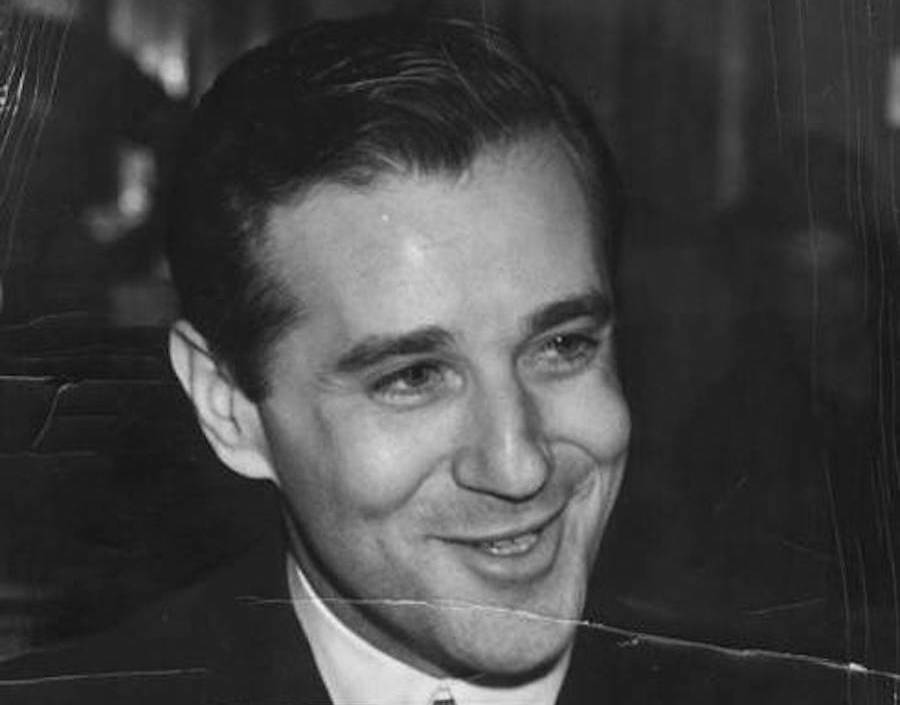
The influence of these developers, though controversial, undeniably shaped the physical and cultural landscape of Las Vegas. They understood the importance of drawing crowds and keeping them engaged. This led to the proliferation of lavish shows, celebrity performers, and a constant drive to outdo the competition. The Strip began to take on the character that it is known for today: a dazzling display of lights, architecture, and entertainment.
The Rise of the Corporate Giants and the Diversification of Entertainment
In the latter half of the 20th century, the landscape of Las Vegas began to shift again. The influence of organized crime waned, and large corporations began to take over the development and management of casino resorts. Companies like Caesars Entertainment and MGM Resorts International emerged as dominant forces, bringing a new level of professionalism, marketing savvy, and financial muscle to the city.
This corporate era saw the development of even larger, more elaborate resorts, often themed to create immersive experiences. The Bellagio, with its famous fountains and art collection, the opulent Venetian, replicating the charm of Venice, and the Wynn Las Vegas, known for its luxury and sophistication, are prime examples of this evolution. These resorts weren’t just about gambling; they were destinations in themselves, offering world-class dining, shopping, spas, and live entertainment.
The development strategy shifted towards appealing to a broader demographic. While gambling remained central, resorts began to focus on attracting families, convention-goers, and luxury travelers. The introduction of convention centers, alongside a vast array of non-gaming activities, diversified the city’s appeal and solidified its position as a major tourist destination. This diversification was crucial for long-term sustainability and for ensuring that Las Vegas could weather economic fluctuations.
The development of Las Vegas under corporate ownership also saw a significant emphasis on architectural innovation and artistic expression. Iconic structures like the Eiffel Tower replica at Paris Las Vegas or the volcano at the Mirage became instant landmarks, contributing to the city’s fantastical and larger-than-life reputation. The competition to build bigger, brighter, and more unique resorts fueled a creative explosion, turning the Strip into an open-air museum of modern architecture and entertainment.
Beyond the Strip: A Developing City with a Rich History
While the dazzling lights of the Las Vegas Strip often dominate the narrative, the development of Las Vegas encompasses more than just its famous boulevard. The city’s growth has extended into surrounding communities, its cultural fabric has deepened, and its infrastructure has expanded to support a growing residential population and a thriving business sector. Understanding who developed Las Vegas requires looking at the forces that shaped its broader urban landscape and its unique local culture.
The Growth of Downtown and the Fremont Street Experience
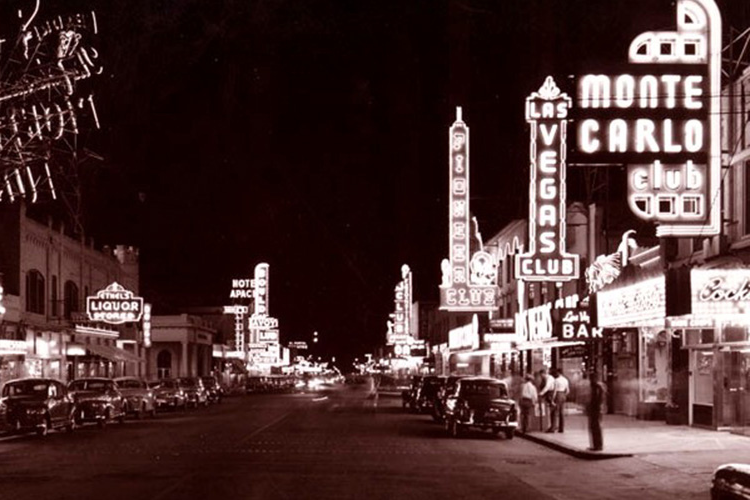
Beyond the glitz of the Strip, Downtown Las Vegas has its own rich history and development story. Initially the heart of the city, Downtown was home to some of the earliest casinos, including the legendary Golden Nugget. As the Strip grew in prominence, Downtown experienced a period of decline. However, in the 1990s, a significant revitalization effort led to the creation of the Fremont Street Experience.
This ambitious project transformed a section of Fremont Street into a pedestrian mall covered by a massive LED canopy, featuring light shows, street performers, and live music. The Fremont Street Experience aimed to recapture the spirit of old Las Vegas, offering a more intimate and nostalgic entertainment experience. Its development was a conscious effort to preserve and celebrate the city’s heritage while attracting a new wave of visitors and locals. This project demonstrated a commitment to preserving the historical roots of Las Vegas even as the city continued to evolve.
Shaping a Lifestyle: From Gaming Destination to Modern City
The development of Las Vegas has also been about shaping a distinct lifestyle. It has evolved from a place primarily for gambling and entertainment to a city that offers a unique blend of luxury, adventure, and a surprisingly diverse array of cultural attractions. The presence of world-class dining, a vibrant arts scene, and a growing number of residents seeking a dynamic urban environment have all contributed to this evolution.
The city’s infrastructure has kept pace with its growth. Major transportation projects, the expansion of the McCarran International Airport, and the development of residential communities in areas like Henderson and Summerlin are all testaments to its ongoing transformation. These developments are driven by a combination of public and private investment, with city planners and private developers working in tandem to create a functional and appealing urban environment.
The story of who developed Las Vegas is ongoing. It is a narrative of continuous reinvention, driven by the entrepreneurial spirit that first saw potential in the Nevada desert. From the railroad pioneers to the visionary resort builders and the corporate giants of today, each played a crucial role in transforming a dusty outpost into the dazzling global destination that Las Vegas is today. The city continues to develop, constantly seeking new ways to entertain, inspire, and attract visitors from around the world, cementing its place as an unparalleled center of leisure and entertainment.
LifeOutOfTheBox is a participant in the Amazon Services LLC Associates Program, an affiliate advertising program designed to provide a means for sites to earn advertising fees by advertising and linking to Amazon.com. Amazon, the Amazon logo, AmazonSupply, and the AmazonSupply logo are trademarks of Amazon.com, Inc. or its affiliates. As an Amazon Associate we earn affiliate commissions from qualifying purchases.